How To Make Congee With Rice Cooker?
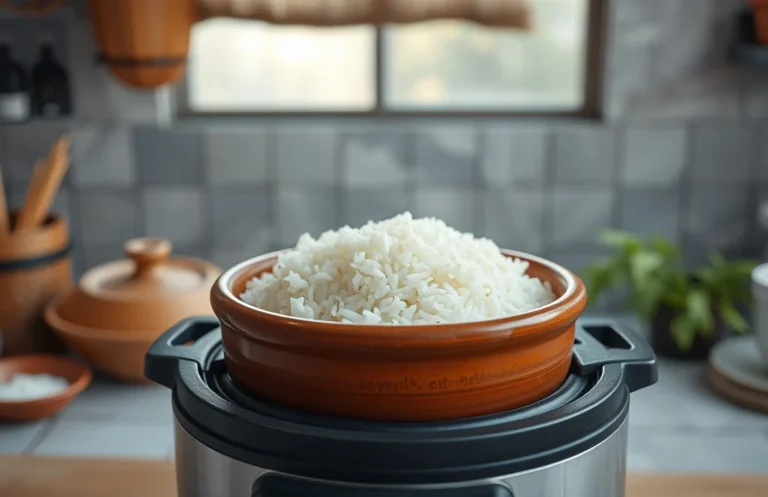
Rice cooker congee is the easiest way to get that creamy, spoon-coating bowl without babysitting a pot. With the right rice-to-water ratio and a simple pause, most rice cookers turn rice, water, and aromatics into a comfort meal in about 60 to 90 minutes. This tutorial walks you through how to make congee with rice cooker, what to use, and how to fix it when it comes out too thick, too thin, or bland.
Congee with a rice cooker works by cooking rice in a high-water ratio until the grains break down into thick porridge. A practical starting point is 1/3 to 1/2 cup rice to about 4 cups water. After the cook cycle, add more water in small amounts to reach your texture.
Key Takeaways
- Use more water – Start around 4 cups water per 1/3 to 1/2 cup rice for creamy congee.
- Pick your texture – Less water makes it thicker; extra water makes it thinner.
- Rinse the rice – Rinsing reduces excess starch for a smoother texture.
- Pre-soak helps – Soak 15 to 30 minutes for faster breakdown and a smoother finish.
- Use warm-cook mode – If your rice cooker has a congee or porridge setting, use it.
- Season at the end – Add salt after the congee thickens so you can taste and adjust.
How to begin
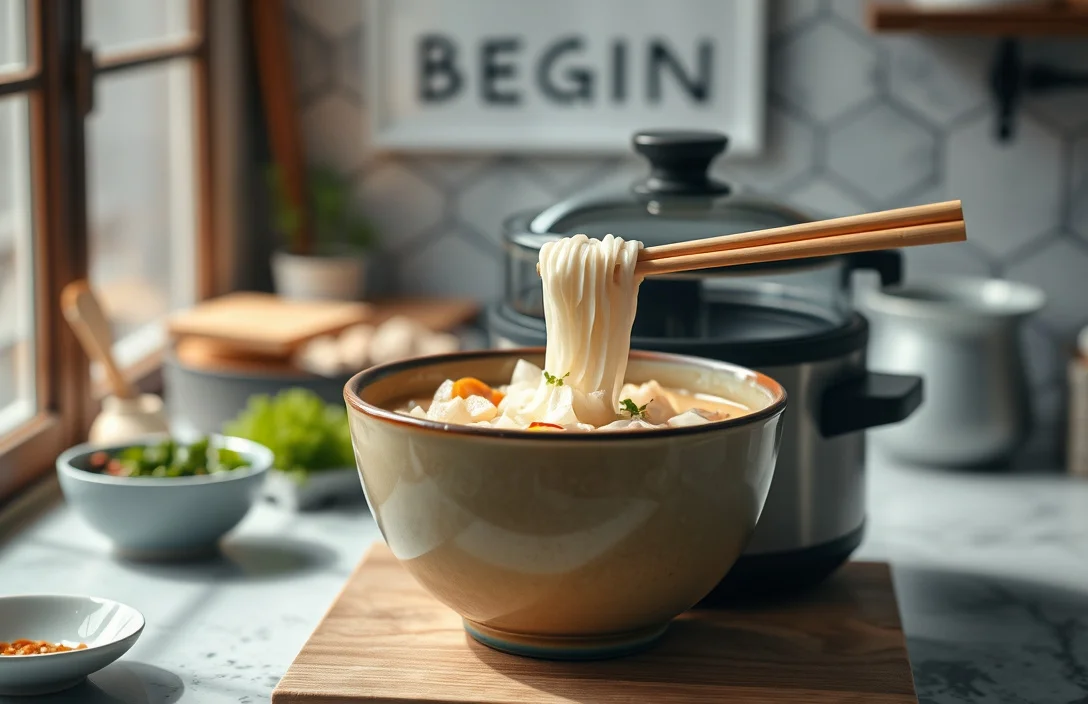
You can make congee in a rice cooker with nearly the same effort as regular rice, but the goal is porridge, not fluffy grains. Use a looser ratio (more water) so the rice softens and loosens into a creamy texture.
Before you start, gather what you’ll actually use: rice (white or jasmine works), water, salt (optional, but helpful), and aromatics like ginger or scallion. Toppings make it feel like takeout fast – soy sauce, sesame oil, chili crisp, sliced scallions, and a soft-boiled egg are all great choices.
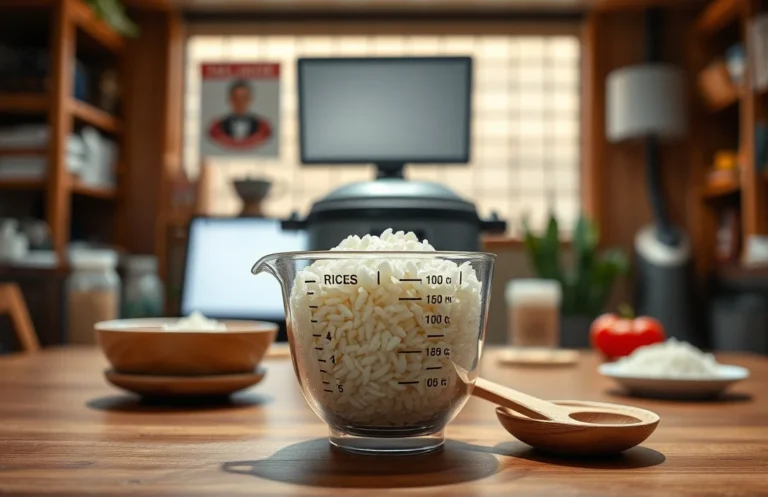
- Rice: 1/3 cup to 1/2 cup (uncooked)
- Water: about 4 cups
- Aromatics: 2 to 4 slices fresh ginger, a few scallion pieces
- Salt: add later, start with 1/4 to 1/2 teaspoon and adjust
Basics of how to make congee with rice
Congee texture comes from starch release and grain breakdown. Rice cookers can do both as long as you give them enough water. Too little water produces a thick rice-pudding texture with grains still intact. Too much water can stay watery if you don’t let it simmer and rest long enough.
Many rice cookers aren’t built for long, porridge-style cooking, but the warm hold phase still helps soften the rice further. If your cooker has a porridge or congee mode, use it. If it doesn’t, run one cook cycle, then let it sit on warm, or run an extra short cook if needed.
Rice type changes how quickly you get breakdown. Medium-grain rice tends to turn creamy faster. Long-grain rice can still work, but it usually needs a bit more time or slightly more water.
Use these texture targets:
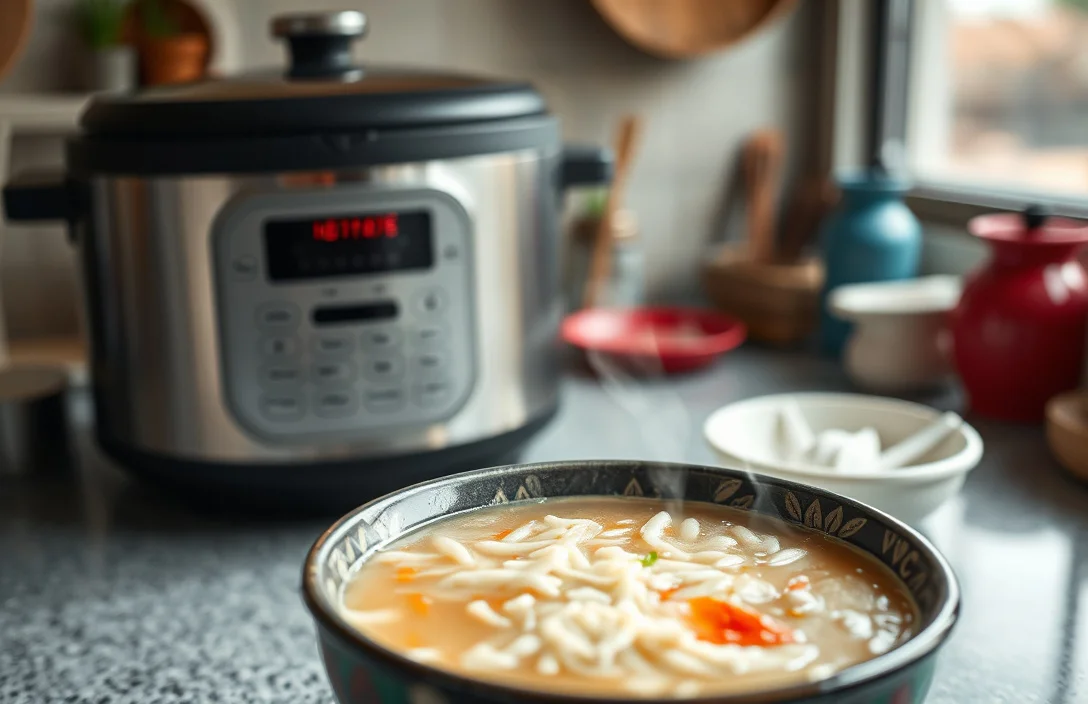
- Creamy and spoonable – thick but flows slowly
- Thinner and drinkable – more broth-like
- Thick and bowl-sticky – less water and more warm time
how to make congee with rice
Use this method once, and you can repeat it later with chicken, pork, or vegetarian broth.
- Rinse the rice. Rinse in a bowl until the water looks less cloudy, then drain.
- (Optional) Soak the rice. Soak 15 to 30 minutes for faster breakdown and smoother texture.
- Add water and aromatics. Put rice, water, ginger, and scallions into the rice cooker pot.
- Start the cook cycle. Run the “cook” cycle (or “porridge/congee” mode).
- Check and stir halfway, if possible. Open carefully, stir gently, and scrape any rice stuck to the edges into the center.
- Adjust thickness. If it’s too thick, add hot water a little at a time. If it’s too thin, let it cook or rest on warm longer.
- Season and serve. Add salt near the end, then ladle into bowls and top.
Most people get close on the first cycle. The warm hold is what usually turns it into true congee, especially if you want that “still creamy” stirred consistency.
A practical baseline recipe (makes about 4 small bowls)
- Rice: 1/2 cup (rinsed)
- Water: about 4 cups
- Ginger: 2 to 4 slices
- Scallion: 2 to 3 pieces
- Salt: start with about 1/4 teaspoon at the end
For chunkier congee, keep the 1/2 cup rice and reduce water slightly. For a lighter soup style, keep the rice the same and add 1/2 to 1 cup more water after the first cook.
Simple add-ins that work
Stir in these at the right time:
- shredded cooked chicken – add after cooking
- pre-cooked seafood – add at the end
- cooked mushrooms or tofu – add at the end
- broth instead of water – use caution with salt
Things that matter most
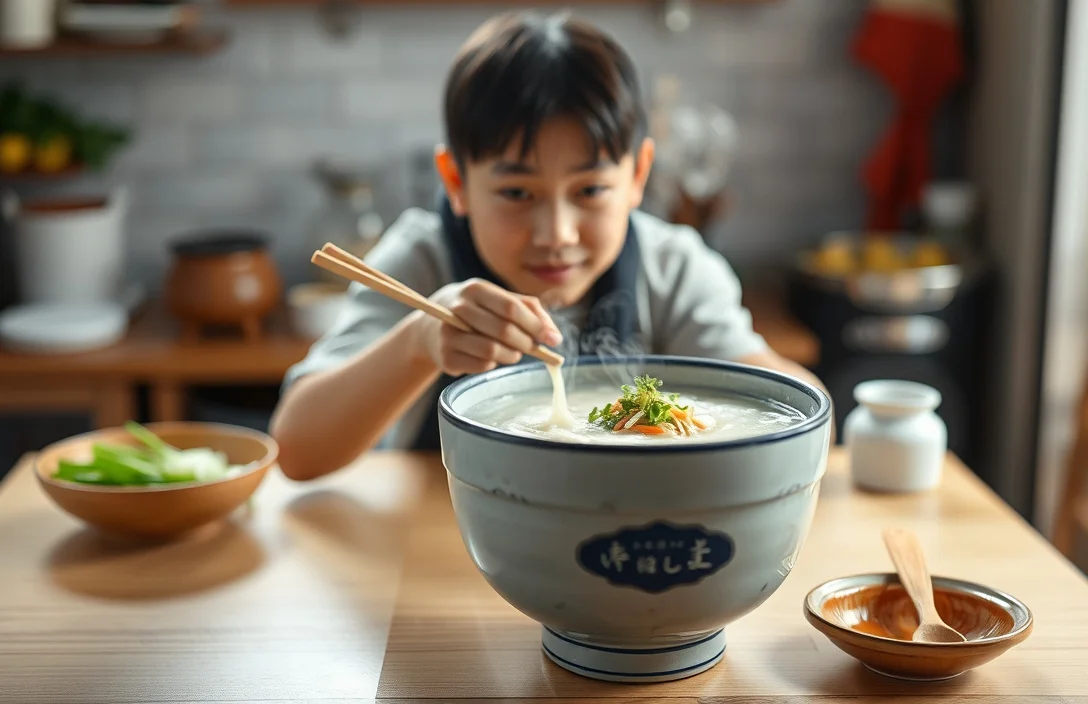
The difference between “okay rice soup” and real congee comes down to a few moves you can nail quickly.
Manage the ratio and adjust in small steps. Even with 1/2 cup rice and 4 cups water, your rice cooker and rice type affect how fast grains break down. Stir, check consistency, then correct with small amounts of hot water rather than jumping straight to a big adjustment.
Use a warm second stage for texture. Don’t rely on the first cook cycle alone. Rest on warm with the lid closed for 10 to 20 minutes, then stir and evaluate again.
Stir the edges if your cooker sticks. Rice clings to the sides and bottom as liquid reduces. A gentle stir helps breakdown stay even so you don’t end up with a thick bottom and looser top.
Season last. Salt affects taste and thickening behavior, and it’s easier to control once you know the texture is where you want it.
Quick cheat sheet:
- High water ratio – smoother breakdown
- Warm rest – thicker creaminess without extra effort
- Edge scraping – more uniform texture, fewer grain pockets
- Late seasoning – better taste control
What works in practice
Congee works best when you treat it like a repeatable process with two checkpoints: thickness and flavor.
Checkpoint one: thickness near the end. Aim for porridge that slowly falls from a spoon. Not watery soup and not stiff rice. If it’s too thick, add hot water and stir, then let it sit on warm for a few minutes. If it’s too thin, give it more warm time or run another short cook if your cooker allows it.
Checkpoint two: flavor right before serving. Add salt, then build with toppings. Soy sauce plus sesame oil is classic, but chili crisp and white pepper also fit. For freshness, add scallions right before serving.
When you scale the recipe, keep the ratio in mind. Doubling rice means doubling water to keep the texture in range. Also, don’t overfill the pot – high-starch cooking can foam, depending on your cooker’s size and behavior.
Rice-to-water ratio table (starting points)
| Texture you want | Rice (uncooked) | Water (starting point) | What to do after cooking |
|---|---|---|---|
| Thick, spoon-sticky | 1/2 cup | 3 1/2 cups | Add 1/4 cup water only if it’s too stiff |
| Creamy classic | 1/2 cup | 4 cups | Let warm rest 10-20 minutes if needed |
| Lighter, soup-like | 1/2 cup | 4 1/2 cups | Add less water next time if too thin |
Rice cookers don’t behave identically, so treat these as starting points. The adjustments you make on your first try are the ones you repeat next time.
Mistakes to Avoid with how to make congee with rice
Most congee failures fall into three fixable buckets: wrong ratio, wrong timing, and seasoning too early.
Using too little water makes congee thicken fast without giving grains time to break down. After warm holding, it can turn stodgy.
Assuming “one cycle” is enough trips a lot of people up. Many rice cookers finish rice quickly and then only keep warm. Congee needs more time for starch release, so you may need a warm rest or an extra short cook if it’s still grainy.
Skipping stirring and edge scraping can create uneven texture. Rice near the sides can overthicken while the center stays looser. A gentle stir helps everything break down evenly without ruining the creamy surface.
Adding salt and strong sauces too early can lock in harsh flavors. Heavy soy or too much seasoning before texture stabilizes can taste too salty or sharp after it thickens.
Quick failures to catch:
- Starting too dense – if grains stay visible, add water next time
- Under-resting on warm – grainy congee usually needs 10-20 more minutes
- Overloading the pot – watch for foam or overflow with high-starch cooking
- Over-seasoning early – season after you adjust thickness
Pro Tips for how to make congee with rice
Two pro moves consistently improve congee: soak for smoother texture, and use hot water for adjustments.
Soak the rice 15 to 30 minutes for a smooth, silky mouthfeel. If you don’t have time, skip soaking – just plan on a longer texture check and warm rest.
When adjusting thickness, always use hot water. Cold water drops the pot temperature and slows starch release. Add a little at a time, stir, then wait a few minutes before adding more.
Build flavor with a simple aromatic base. Ginger and scallion are the safest “always works” starters. If you use broth instead of water, taste carefully since broth is often already salted.
Match toppings to texture. Thick congee can take freshness – sliced scallions and sesame oil. Thin congee benefits from heartier toppings like shredded chicken or chopped preserved vegetables.
Example flavor variations
- Ginger-scallion chicken congee: Cook the congee base with ginger, then stir shredded cooked chicken in at the end and season lightly.
- Simple vegetarian congee: Use vegetable broth, add mushrooms or tofu at the end, then finish with soy sauce and scallions.
- Congee with century egg style (without overcomplicating): Top with chopped preserved egg (or substitute) and drizzle with sesame oil and soy.
FAQ
How much rice and water do I need for congee in a rice cooker?
Start with a ratio around 1/3 to 1/2 cup uncooked rice to about 4 cups water. Cook, then adjust. If it’s too thick, add hot water 1/4 cup at a time. If it’s too thin, let it sit on warm 10 to 20 minutes, then stir and reassess.
How long does it take to make congee with a rice cooker?
Most rice cookers need about 60 to 90 minutes total for congee texture, including warm holding time. Timing depends on rice type, how much you fill the pot, and whether you pre-soak. Check texture after the first cook cycle, then keep it on warm until it turns creamy.
Can I use broth instead of water for congee?
Yes, broth works well and adds flavor early. Use low-sodium broth if you can, since the congee concentrates flavor as it thickens. Add salt and soy-based seasonings near the end so you control the final taste once the texture is right.
What if my congee is too thick or too watery?
Too thick: stir in hot water in small amounts and rest on warm for a few minutes. Too watery: keep cooking on warm with the lid closed for 10 to 20 minutes, then stir. For consistent results, measure rice next time and keep the starting ratio close.
What’s the most common mistake when making congee in a rice cooker?
Treating it like regular rice by assuming it’s done when the cycle ends. Congee usually needs extra warm time to fully break down and develop that creamy texture. Starting with too little water also prevents proper softening.
You now have a repeatable rice-cooker congee method: rinse (optional soak), use a high water ratio, run the cook cycle, then rely on warm rest and hot-water adjustments. Make your first bowl with 1/2 cup rice to about 4 cups water, ginger and scallion, then tweak thickness after cooking.

- 10 Best Slow Cooker For Hearty Stews 2026 (Tested And Reviewed) - October 20, 2026
- 10 Best Slow Cooker For Hearty Soups 2026 (Tested And Reviewed) - October 20, 2026
- 10 Best Slow Cooker For Comfort Food 2026 (Tested And Reviewed) - October 20, 2026