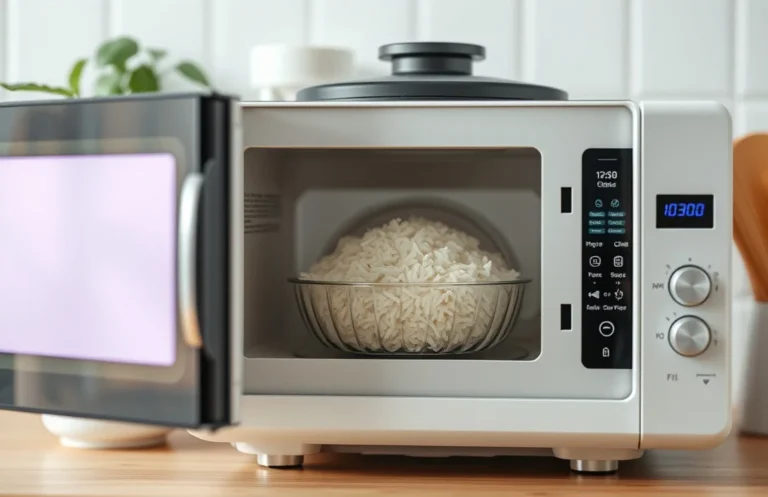
Cooking Couscous In A Rice Cooker For Fluffy Results
You can cook couscous in a rice cooker with surprisingly consistent results, and you only need a simple base formula: the grains get hot steam, then a short rest to finish absorbing moisture. This guide walks you through choosing the right couscous, picking the best rice cooker mode, nailing water-to-couscous timing, and preventing sogginess. You will finish with a fluffy, spoonable bowl that tastes like dinner, not glue.
Rice cooker couscous works best when you use fine or medium couscous, add the right water amount, and let it rest 5 to 10 minutes after the cooker switches off. Start with roughly a 1:1 water-to-couscous ratio for many brands, then fluff and check texture. If it seems dry, add 1 tablespoon of hot water and rest again.
Key Takeaways
- Use the right couscous. Fine or medium couscous steams evenly in a rice cooker; larger varieties can turn chewy.
- Pick the simplest mode. Use “White Rice” or “Steam” (depending on your cooker) for gentle, even heating.
- Use the right ratio. Many brands work around 1:1 water-to-couscous; adjust in 1-tablespoon increments.
- Rest matters. Let couscous sit 5 to 10 minutes after cooking so moisture finishes absorbing.
- Avoid overcooking. If your rice cooker keeps “warming” too long, texture can get soft and sticky.
- Flavor smart. Season the steaming liquid or toss with olive oil and herbs after cooking for best control.
Cooking Couscous in a Rice Cooker, Perfect Fluffy Results
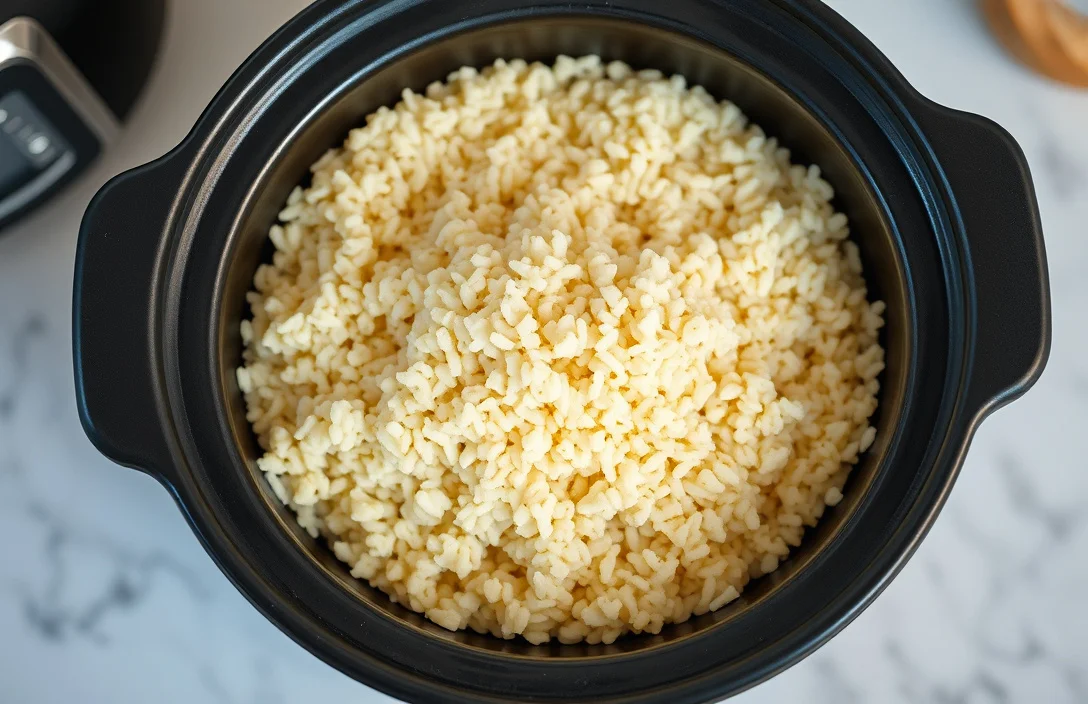
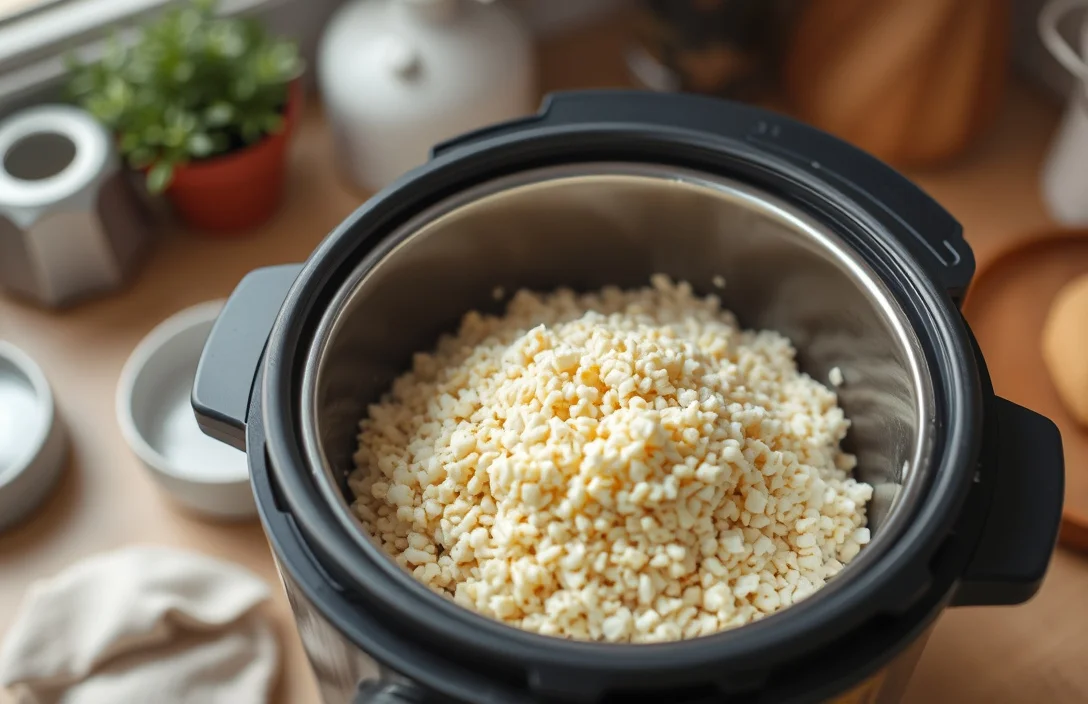
A rice cooker can make couscous fluffy because it provides steady heat and steam, then holds the grains briefly while they absorb moisture. The trick is treating couscous like quick-cooking grains, not like long-simmer rice. If you cook it too long or add too much water, the grains clump and turn gummy fast.
In practice, you get the best texture when you use fine or medium couscous, start with a reasonably tight water-to-couscous ratio, and then rest after the cooker finishes. You also want to avoid leaving it on “keep warm” for a long time. Think “cook, rest, fluff, serve,” not “set and forget.”
Here’s the approach that works across most home rice cookers: combine couscous with hot water (or seasoned liquid), cook on a rice-like setting, then let it sit covered for a few minutes. After that, fluff thoroughly with a fork so steam and trapped moisture redistribute.
What Couscous Type Works in a Rice Cooker
Fine couscous and medium couscous are the sweet spot for a rice cooker because they hydrate quickly under steam. Large couscous (often labeled “Israeli” or “pearl couscous”) can work, but it typically needs more time and more water, and results vary by brand. If your goal is consistently fluffy couscous without babysitting, stick to the smaller grain sizes.
If your couscous box says it’s “instant” or “ready in minutes,” that’s a strong sign it will behave well in a rice cooker. If it says it needs a long boil or classic couscous-steaming process, expect the rice cooker to be less reliable unless you experiment with timing.
To make this practical, match grain size to your cooking method:
- Fine or medium couscous: Best for rice cooker steaming and quick hydration.
- Instant couscous: Usually easiest, because it cooks fast once hydrated.
- Israeli/pearl couscous: Possible, but you may need extra time and you should plan to test texture once.
When in doubt, do a small test batch the first time. Rice cookers are forgiving with small adjustments, but couscous texture goes from “perfect” to “mushy” quickly if you overshoot.
Rice Cooker Settings for Steaming Couscous
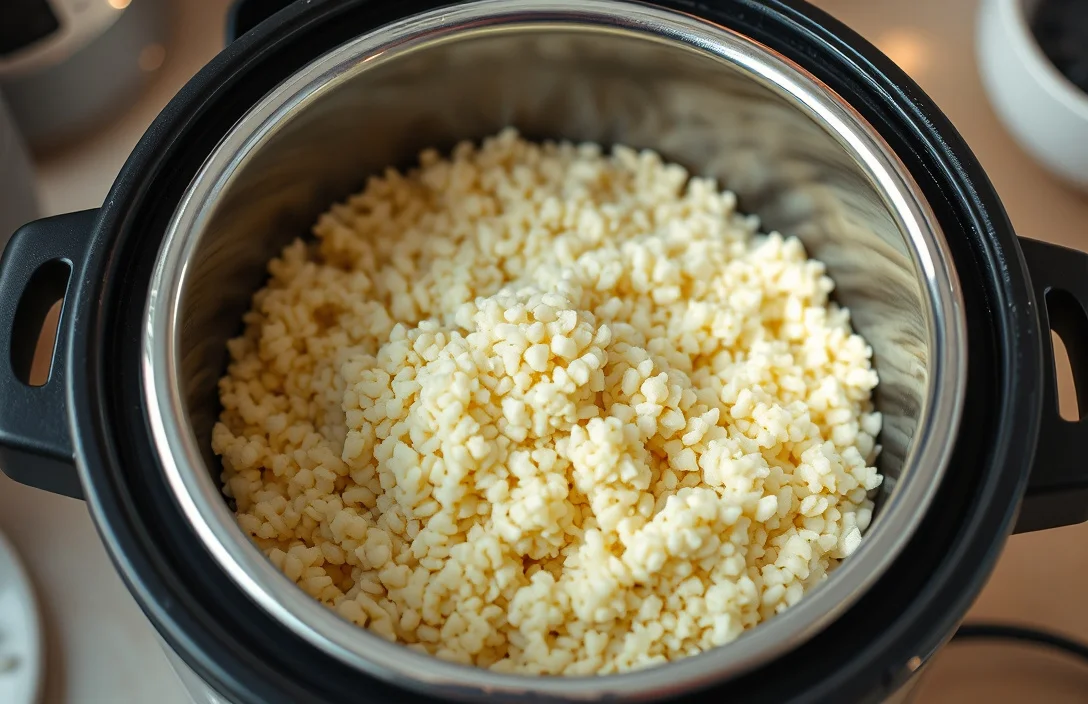
Use the gentlest setting that still heats consistently. Many rice cookers label settings like “White Rice,” “Steam,” “Cook,” or “Quick Cook,” and you want one that brings the pot up to temperature without aggressive boil-like behavior.
If your rice cooker has a “Steam” or “Vegetable” mode, that is a great option when you want controlled steam and less risk of direct boiling. If it only has rice modes, “White Rice” is usually the closest match for quick, even heating. Avoid “Brown Rice” or anything that suggests long cook times, because couscous will overhydrate.
Two simple decision rules help:
- If the cooker has a Steam mode: try Steam for short-cook couscous. It tends to keep grains separate.
- If you’re using a rice mode: use White Rice (or equivalent) and plan to stop the process when cooking finishes.
Also consider the “keep warm” behavior. Some cookers warm indefinitely, and couscous keeps absorbing moisture while it sits. If you notice that happening, unplug right after the cycle ends or transfer couscous to a bowl immediately.
Because rice cooker models vary, your first run should be a texture check. You are aiming for grains that are tender, fluffy, and separate, not damp or clumped.
Water to Couscous Ratio and Rest Time
Most standard couscous recipes are forgiving, but rice cooker hydration is still about getting the initial moisture right. A solid starting point is roughly a 1:1 water-to-couscous ratio by volume, then adjust from there. For example, if you use 1 cup couscous, start with about 1 cup water (or less if your box suggests less).
Rest time is what turns “partly hydrated” into “fully fluffy.” After the rice cooker finishes, keep the lid on and let it sit 5 to 10 minutes. During that rest, steam continues to hydrate the centers and relax the grains.
If your couscous seems dry after resting, fix it without starting over. Sprinkle in 1 to 2 tablespoons of hot water, cover, and rest for another 2 to 3 minutes. If it seems wet or clumpy, the solution is harder but still manageable: fluff immediately and let it steam off for a couple minutes uncovered (use caution with hot steam).
A practical test-and-adjust sequence looks like this:
- Start with about a 1:1 ratio.
- Cook, then rest 5 to 10 minutes.
- Fluff and evaluate.
- If needed, adjust with hot water in tablespoon increments, then rest again briefly.
Your couscous brand and grain size still matter, so treat these as reliable starting points, not rigid laws. Once you find the ratio that matches your package and your rice cooker, you can repeat it.

Helpful pick
Dash Mini Rice Cooker | Small Rice Maker, 2 Cups Cooked / 1 Cup Uncooked, Ceramic Nonstick Removable Pot, Keep Warm Function, Compact and Portable for Dorm, Travel, Single Serve, Black
Perfect for testing small couscous batches, this compact Dash Mini helps dial in a 1:1 water ratio.
Preventing Soggy Couscous With Correct Timing
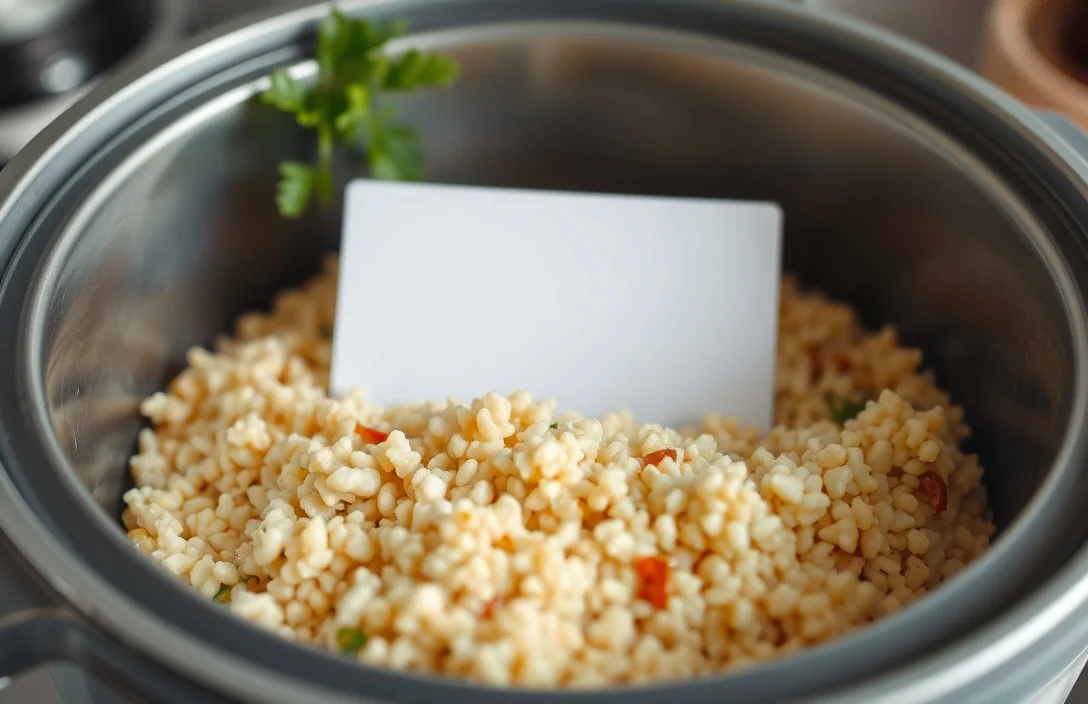
Soggy couscous usually comes from two issues: too much water up front or too much “holding” time after cooking. With rice cookers, the second issue is common because the appliance can keep the pot hot on “keep warm.” Couscous keeps absorbing moisture even after it feels done, and that’s when it turns soft and sticky.
Timing also matters during cooking. Couscous does not need a long heat cycle. If you pick a long setting, you increase the chance that the grains overhydrate and clump together.

Helpful pick
Zojirushi NS-TSC10 5-1/2-Cup (Uncooked) Micom Rice Cooker and Warmer, 1.0-Liter
The Zojirushi Micom model provides precise timing and temperature control to avoid soggy couscous.
Use this timing checklist:
- Don’t run long cook cycles. Use quick or gentle modes, not long brown rice-style settings.
- Remove it right after cooking finishes. If your cooker keeps warming automatically, transfer to a bowl immediately.
- Fluff while it’s still hot. Steam redistributes better when you separate grains early.
- Rest briefly, not for long periods. Rest 5 to 10 minutes, then serve.
If you want the safest workflow, plan for “cook-to-serve” speed. You can prep toppings and meal components while it cooks, but avoid letting couscous sit in the cooker for 20 to 30 minutes after the cycle ends.
When couscous is slightly too wet, fluffing helps but does not create dryness out of nowhere. If it’s clearly overhydrated, the best you can do is separate the grains and let moisture evaporate briefly by keeping it uncovered for a short time.
The goal is to stop absorption at the right moment. Your rice cooker will do the heating, but you need to control the pause after.

Helpful pick
BLACK+DECKER Rice Cooker 6-Cup (Cooked) with Steaming Basket, Removable Non-Stick Bowl, White
BLACK+DECKER 6-Cup Rice Cooker with Steaming Basket offers gentle steaming ideal for couscous.
Flavoring Couscous Before or After Cooking
You can flavor couscous either before or after cooking, but the best results depend on what you’re using. Seasoning the cooking liquid gives you even flavor throughout the grains. Tossing after cooking is better for delicate herbs, bright citrus, and finishing oils that can lose flavor when heated too long.
For seasoning before cooking, use the water base like you would for rice or grains. Replace plain water with broth or season the water with salt. You can also add aromatics like a small amount of garlic, onion powder, or bay leaf if your cooker supports it (just avoid adding chunks that remain in the final bowl unless you plan to strain).
For flavor after cooking, do the “finish” step: drizzle olive oil, add herbs, and toss with lemon juice or preserved lemon. This gives you fresh aroma and better texture contrast. It also helps keep grains from drying out, because the oil coats and separates.
Here’s the simple rule I follow: salt and aromatics go in the cooking liquid, herbs and citrus go in after. If you want to keep it extra easy, you can do both lightly, then adjust at the end.
A quick practical method is:
- Cook couscous using seasoned broth (or salted water).
- Rest, then fluff.
- Toss with olive oil and herbs after fluffing.
- Add lemon juice right before serving for brightness.
This keeps flavor layered without turning the couscous into a one-note bowl.
How to Fluff and Serve Rice Cooker Couscous
Fluffing is not optional if you want couscous to feel light. When couscous finishes cooking, it holds onto steam and can clump as it cools. The fastest way to fix that is to fluff immediately with a fork, breaking up any lumps while the grains are still hot and slightly moist.
Start by letting it rest 5 to 10 minutes covered. Then remove the lid and fluff thoroughly, using the fork to lift and separate grains. If you find stubborn clumps, press and loosen gently, then give it another 1 to 2 minutes to steam off while you fluff again.
Serving matters too. Couscous is best when it’s warm, not sitting on heat for a long time. If you’re preparing a plate with vegetables or chicken, keep couscous accessible, then portion and top quickly.
If you want a consistent texture from batch to batch, use the same serving method every time:
- Rest first (covered).
- Fluff right away (fork, not spoon).
- Serve immediately or transfer to a bowl to stop extra absorption.
If you must hold it briefly, keep it covered and warm in a separate bowl, and limit the hold time. Longer holds mean more moisture absorption and more clumping risk.
For a great final texture, pair couscous with something that adds moisture at the table, like a spoonful of sauce, roasted vegetables, or a lemony olive oil drizzle. The grain stays fluffy because you’re adding flavor without re-steaming it excessively.
FAQ
Can I cook couscous in a rice cooker without steaming?
Yes, you can cook couscous in a rice cooker using the normal “Cook” cycle, but you still need a rest afterward. Start around a 1:1 water-to-couscous ratio, cook on a gentle mode, then rest 5 to 10 minutes with the lid on. If it’s dry, add 1 tablespoon of hot water and rest 2 to 3 minutes.
How long does rice cooker couscous take?
Most rice cooker cycles for quick grains finish fairly fast, but the exact time depends on your model and setting. Plan for a complete cycle, then an additional 5 to 10 minute rest. The reliable timing signal is texture after the rest, because couscous can shift quickly from fluffy to clumpy if it sits on keep warm too long.
Will couscous turn soggy in a rice cooker?
Couscous turns soggy when it gets too much water or when it sits on “keep warm” long after cooking finishes. Transfer it out of the pot right when the cycle ends, then fluff immediately. If it already looks wet, fluff and let it steam off for a few minutes uncovered, then adjust with oil if needed.
Do I season couscous before or after cooking?
Salt and basic seasonings are best in the cooking liquid, because they distribute through the grains. Herbs, olive oil, and citrus are best added after you fluff, so the flavor stays bright and the grains stay separate. If you only want one step, season the liquid lightly and finish with lemon juice and olive oil.
What’s the most common mistake when cooking couscous in a rice cooker?
Using too long a cook setting is the big one, followed by leaving it on keep warm too long. Couscous is quick, so “long rice” modes usually overhydrate it. Stick to gentler settings, rest 5 to 10 minutes, fluff promptly, and serve soon.

- 10 Best Slow Cooker With Cool Touch Handles 2026 (Tested And Reviewed) - October 22, 2026
- 10 Best Slow Cooker With Quality Construction 2026 (Tested And Reviewed) - October 22, 2026
- 10 Best Slow Cooker With Premium Construction 2026 (Tested And Reviewed) - October 22, 2026