
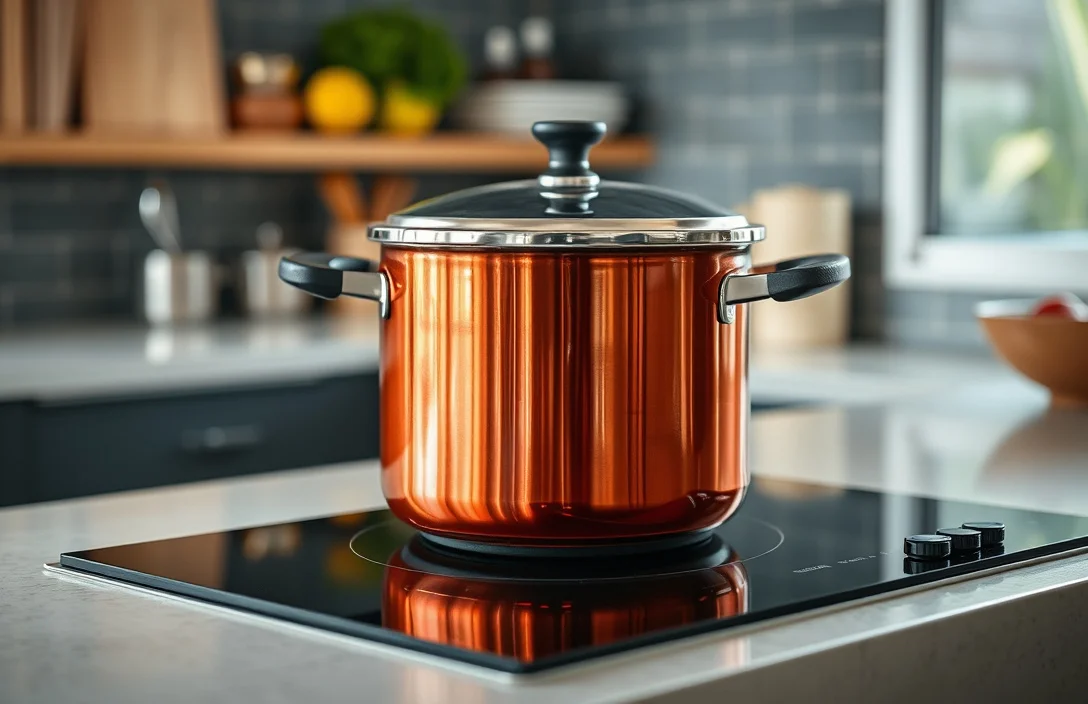
Pressure Cooker On Induction Stove: 3 Tips Worth Trying
Induction stoves are fast, efficient, and precise, but a pressure cooker adds a second variable: what happens to heat once the pot pressurizes. If you want reliable results, match the hardware (pot size, trivet, gasket condition) and use power settings that reach pressure smoothly. This guide covers how pressure cooking behaves on induction, what changes cooking time, and how to prevent common problems.
Pressure cooker use on induction is safe and predictable when the cooker’s bottom matches the induction disc, sits flat, and you choose a power level that ramps up without frantic surging. Start medium-high, then reduce heat as soon as the cooker indicates pressure is reached. Many models include a “low pressure” or “simmer” mode that makes maintenance easier on induction.
Key Takeaways
- Induction is compatible if the pressure cooker has a magnetic base that fits your burner size.
- Start medium-high to reach pressure steadily, then drop power to hold it.
- Avoid boil-over cycles by lowering heat when the cooker is venting or rattling.
- Use model-specific pressure settings because control strategies and volumes change cook time.
- Keep enough liquid so steam forms safely and the bottom doesn’t scorch.
- Inspect seals often since a worn gasket or valve issue can stop pressure from building.
What “pressure cooker on induction” really depends on
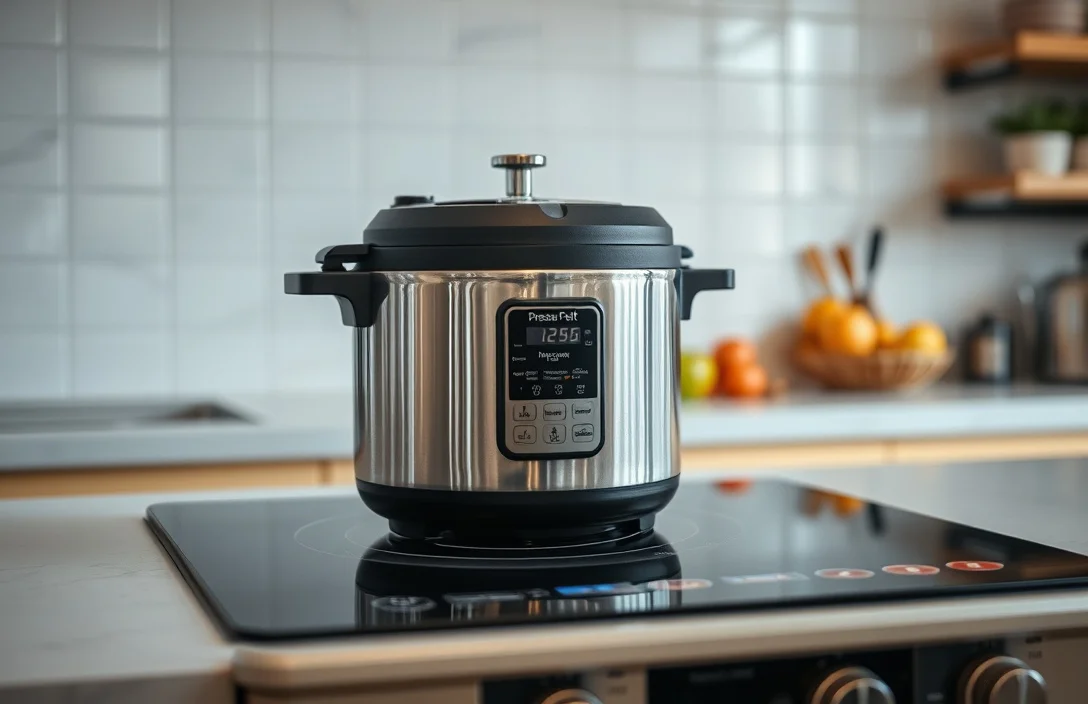
Pressure cooker results on induction come down to two things: heat transfer from the burner and how the cooker regulates pressure after it hits its target. Most induction-safe stovetop pressure cookers use a magnetic stainless steel base so the burner heats the pot directly. If your cooker isn’t induction compatible, you’ll usually see uneven heating, slower pressurizing, and inconsistent cooking.
Induction also reacts instantly to power changes. That’s ideal for simmering, but it can cause pressure cycling if you overshoot the needed heat. The fix is simple: treat induction as a controlled ramp-up tool, not something you crank to max and leave there.
Pressure isn’t a single universal setting either. Different cookers run different target pressures and different control strategies, so your “hold” behavior can be more aggressive or more gentle depending on the model. If you’re switching from gas or coil electric to induction, adjust your heat strategy first, then refine cook time once you see how your cooker behaves.
Power, fit, and liquid
Induction works best when the cooker’s magnetic base covers most of the active burner area. Full contact heats the pot evenly and helps it reach pressure without stalling. If the cooker’s base is smaller than the induction element, you may wait longer to pressurize or cook unevenly due to hot spots.
Good pressure maintenance should look boring. Pressure should stay stable with minimal venting, and the pressure indicator shouldn’t repeatedly spike and drop. If the cooker is rattling constantly or venting heavily, reduce induction heat to a lower setting and give it a minute to settle.
Liquid level is non-negotiable. Pressure cooking depends on steam generation, and steam generation depends on having enough liquid to stay producing vapor. Too little liquid can scorch the bottom and, on some models, trigger an abort or safety shutdown.
Gasket and valve condition matter more than you might think on induction because temperature control is tighter and regulation is more sensitive. A gasket that’s twisted, shrunken, or dirty can slow pressurization. A stuck or blocked valve can prevent the cooker from building and holding pressure reliably.
How to set induction for pressure cooking without cycling
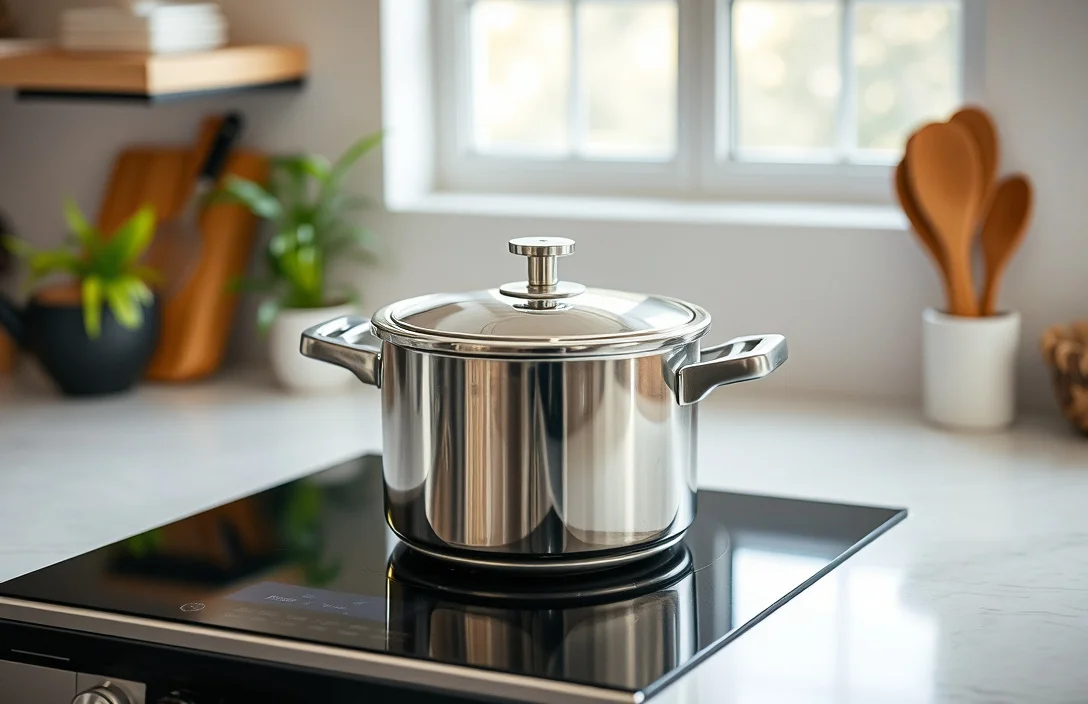
Use a controlled start. Set induction to medium-high to reach pressure, then turn it down as soon as the cooker indicates it has reached pressure. On induction, this is often the difference between steady pressure and repeated venting.
If you overshoot pressure, change the start point. Try “lower first, then step up.” Reduce one notch next time and watch whether it stabilizes without thrashing. You want enough power to reach pressure within a reasonable time, not so much that the cooker fights the heat during regulation.
Preheat selectively, not automatically. Adding ingredients and liquid cold is usually fine, but a very empty pot or a thick, heavily coated bottom may take longer to come up to pressure. With lots of frozen items or cold dairy, ramp-up time can be longer, so plan for it.
Keep the lid and vent clean and seated. Wipe the rim, confirm the gasket sits correctly, and make sure the pressure release path is clear. This is basic, but it prevents the two most common failures: “won’t come to pressure” and “keeps venting.”
Time from pressure, not from the burner switch. Induction can bring the pot to boiling faster than expected, so starting your timer before pressure is reached often leads to overcooked food.
What induction pressure cooking gets you
Induction pressure cooking is efficient because the burner heats the pot directly and responds quickly. That usually means less waiting to pressurize and more consistent cooking time at stable pressure. Once you dial in the burner setting for your model, weeknight ramp-up tends to be repeatable.
Induction can also be easier to control than some coil stoves. After you reduce heat to maintain pressure, induction tends to stay closer to the setpoint rather than drifting slowly. Less drifting means fewer recipe failures driven by “held pressure too hard” (overcooked) or “not long enough at pressure” (undercooked).
Energy use tends to be cleaner in practice too. Induction doesn’t waste as much heat into the surrounding room as some older electric setups, and there’s less wasted radiant heat under the pot. That adds up when you’re doing multiple batches or cooking with lots of liquid.
Finally, pressure cooking itself shortens cooking time and softens tougher ingredients reliably. On induction, that reliability is easier to reproduce once the heat management is consistent for your routine.
![3-In-1 Stainless Steel Pressure Cooker 8 QT: [Save 70% Time] [3 PSI Settings], One-Hand Locking Pressure Canner, Induction Compatible, Glass Lid & Steamer Rack Included, Olla de Presion](https://m.media-amazon.com/images/I/51tyaR1oOML._SL500_.jpg)
Helpful pick
3-In-1 Stainless Steel Pressure Cooker 8 QT: [Save 70% Time] [3 PSI Settings], One-Hand Locking Pressure Canner, Induction Compatible, Glass Lid & Steamer Rack Included, Olla de Presion
Its 3 PSI settings let you dial in the burner for precise, efficient induction pressure cooking.
Your real choice: stovetop induction-compatible vs electric
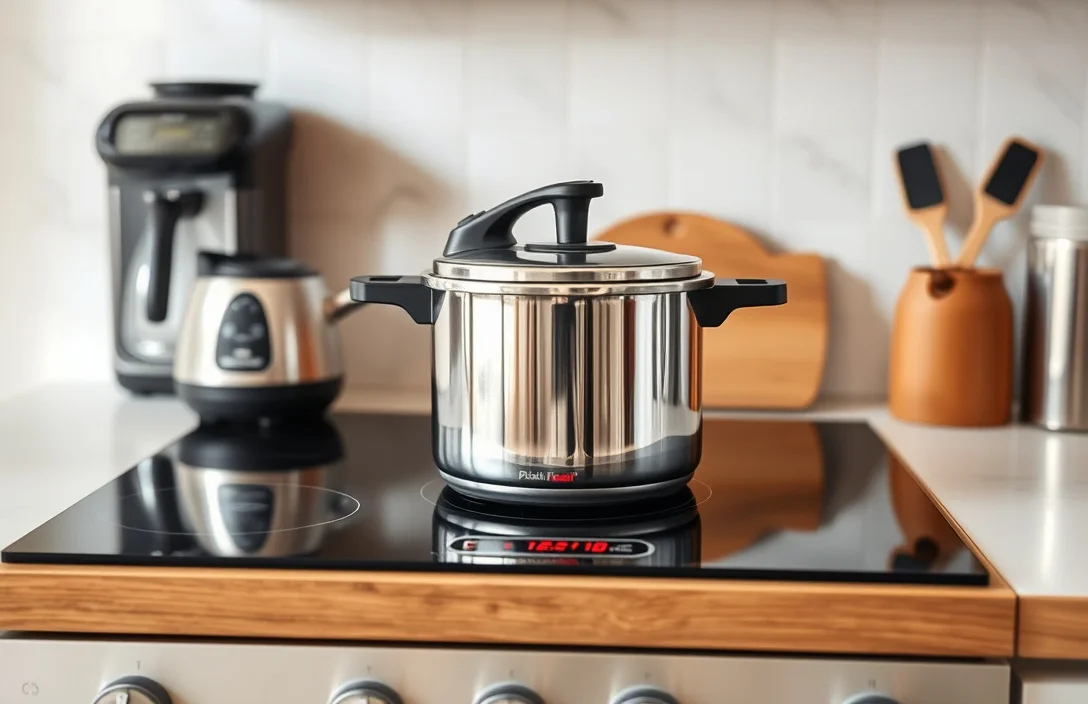
You have two practical routes: pick an induction-compatible stovetop pressure cooker, or use an electric pressure cooker that doesn’t depend on the stovetop heater at all. If you’re using a pressure cooker on induction, choose a stovetop model with a magnetic base that sits flat and matches your burner size.
| Pressure Cooker Option | Key Spec/Price Factor | Best For |
|---|---|---|
| Traditional stovetop pressure cooker | Stovetop model with magnetic base | People who want lower upfront cost and flexible cooking |
| Induction-compatible stainless stovetop | Base designed for induction (magnetic) | Consistent heating and fewer “stalls” |
| Electric pressure cooker | Not dependent on induction (has its own heater) | Fast, repeatable results with minimal heat-tuning |
| Pressure canner (special use) | Larger capacity and high safety requirements | Dedicated canning workflows (follow canning guidance carefully) |
If repeatability with minimal fuss is the priority, electric pressure cookers are the cleanest path. If you want stovetop control, induction-compatible stovetop units are the right tool. If you want both, use an electric pressure cooker for everyday meals and a stovetop unit for specific recipes like large batch soups.
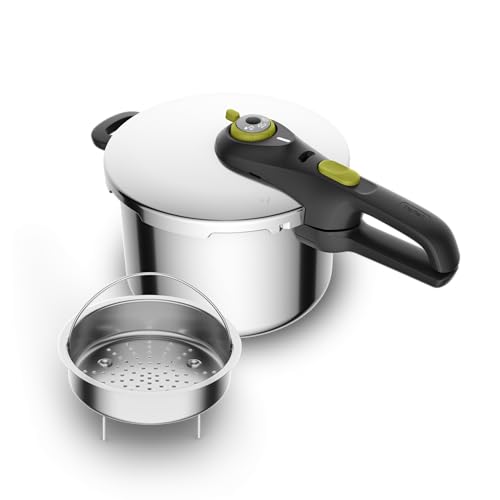
Helpful pick
T-Fal Secure Stainless Steel Pressure Cooker, 6.3 Quart, Steam Basket, Induction, Secure Locking System, Easy and Safe Opening, Compatible with All Cooktops, Dishwasher Safe, Silver
A robust stovetop model with induction compatibility and a secure design makes fast, even pressure cooking on induction.
Power dialing and safety checks that prevent most failures
Dial in induction power like you’re simmering, not like you’re boiling pasta. The goal is to use the cooker’s pressure indicator to set a stable “hold” level and keep it there. If your induction has numbered levels, find a mid-range setting to hit pressure, then drop to a lower setting for maintenance.
If the cooker vents constantly, it usually means the hold power is too high or the seal/valve setup isn’t right. Lower heat and inspect the gasket and the vent path. If it still won’t behave at lower heat, stop using the cooker until you fix or replace gasket or valve parts.
Learn how long your cooker takes to reach pressure at your chosen induction settings. Do a quick test run with water and something simple like rice, or just water if you prefer. Once you know the timeline, recipe timing becomes more accurate because you’re timing from the indicator you actually care about.
Stay strict about minimum liquid. Pressure cookers need enough liquid to generate steam, and stovetop units can scorch if they run low. When recipes are written for a different model or pot size, adjust liquid so you still meet your cooker’s minimum requirement.
Keep your pressure release method consistent. Natural release versus quick release changes texture and how the cook completes. Induction can control pressure well, but release method still affects the final result more than small burner-power differences.

Helpful pick
Barton 22-Quart Pressure Canner Pressure Cooker with Pressure Gauge with Rack, Induction Compatible, Steam Canner Polished 22 QT Stovetop Pot Meat, Poultry & Vegetables
Equipped with a pressure gauge, it helps dial in induction power and hold a steady pressure.
Induction pressure-cooking walkthroughs you can copy
For beans-and-grains nights, start the cooker on medium-high induction, then reduce to maintain pressure once the indicator shows pressure is reached. Start timing at that moment, not when you turned on the burner. If the first batch is too soft, shorten time by a few minutes next time or lower how hard the cooker holds pressure.
For thick soups like lentil stew, watch for scorching. Thick mixtures can stick to the bottom if they’re too dense or if liquid is low. Keep enough broth or water for steam generation. A common workaround is cooking the base at pressure and thickening after release instead of trying to pressure cook a paste-like consistency.
For meat, prioritize stable pressure over maximum heat. If venting is heavy, energy is going into pressure regulation instead of cooking effectively. Use your “hold” setting to keep pressure steady, cook for the recipe’s target time, and then rest for the recommended release period.
For rice or quick vegetables, timing tolerance is tighter. Induction can reach pressure fast, and once you’re at pressure, small timing changes can move rice from tender to mushy. Use the recipe’s time as your starting point and adjust after you see the texture from the next batch.
When troubleshooting, trust what you observe. “Won’t come to pressure” usually points to too little liquid, lid/gasket issues, or an induction mismatch with the pot base. “Overcooked after expected time” usually points to holding at too high a power level or starting the timer too early.
FAQ
Can I use any pressure cooker on an induction stove?
No. You need a pressure cooker with a magnetic base made for induction. If the burner doesn’t heat the pot evenly or it takes too long to reach pressure, it’s not compatible. If you’re unsure, test with water, confirm steady heating, and check your model instructions for induction use.
How do I set induction power for pressure cooking?
Start on medium-high to reach pressure smoothly, then reduce to maintain pressure with minimal venting or rattling. Use the cooker’s pressure indicator to guide adjustments. If it cycles heavily, reduce the hold level first since cycling is the main driver of inconsistent results.
What is the safest way to prevent scorching on induction?
Use the minimum liquid required by your specific pressure cooker and avoid loading the pot too densely with thick pastes without enough broth or water. If a recipe seems thicker than normal, add extra liquid or pressure cook a lighter base and thicken after release. Keep the bottom clean between batches so residue doesn’t burn.
How long does pressure cooking take on induction?
Pressure cooking time usually starts when the cooker reaches pressure, not when you start heating. Induction can change ramp-up time, so focus on the indicator moment for consistency. If you switch from another stove type, run a short test batch and adjust based on the texture you get.
What common mistake makes food come out wrong on induction?
Starting the timer when you turn on the burner instead of when pressure is reached. Induction can heat up faster than expected, so the food effectively cooks longer than the recipe intends. Another common mistake is holding pressure too aggressively, which can overcook delicate foods.

- 10 Best Slow Cooker With Cool Touch Handles 2026 (Tested And Reviewed) - October 22, 2026
- 10 Best Slow Cooker With Quality Construction 2026 (Tested And Reviewed) - October 22, 2026
- 10 Best Slow Cooker With Premium Construction 2026 (Tested And Reviewed) - October 22, 2026