Forget Me Nots In Pots Explained Simply
Forget-me-nots in pots are the easiest way to get that “carpet of blue” look on a patio or balcony, but they dry out fast and they age fast if you pot them wrong. These plants are usually biennials, so most will flower in their second year, then die back in winter and re-sprout in spring. This guide helps you choose the right pot, soil, watering rhythm, and planting timing for reliable blooms in the United States.
Forget-me-nots in pots do best when you treat them like a cool-season biennial: use a pot with drainage, plant in a mix that stays evenly moist but never soggy, and plan on the full cycle taking about 2 years. They typically die back in winter and re-sprout in spring, so don’t toss the pot after the first flowering.
Key Takeaways
- Biennial timing matters. Expect flowering mostly in the second year, then winter die-back with spring re-sprouting.
- Drainage is non-negotiable. A pot must drain well, or forget-me-nots rot and fail quickly.
- Moisture needs balance. Water enough to keep soil evenly moist, then let the top inch dry slightly.
- Light drives blooms. Give bright conditions and cooler weather for the best flower display.
- Use the right soil. A rich, fast-draining potting mix prevents soggy roots in containers.
- Feed lightly. Start with gentle nutrition, then adjust once growth is steady and flowering begins.
What to Know About forget me nots in pots
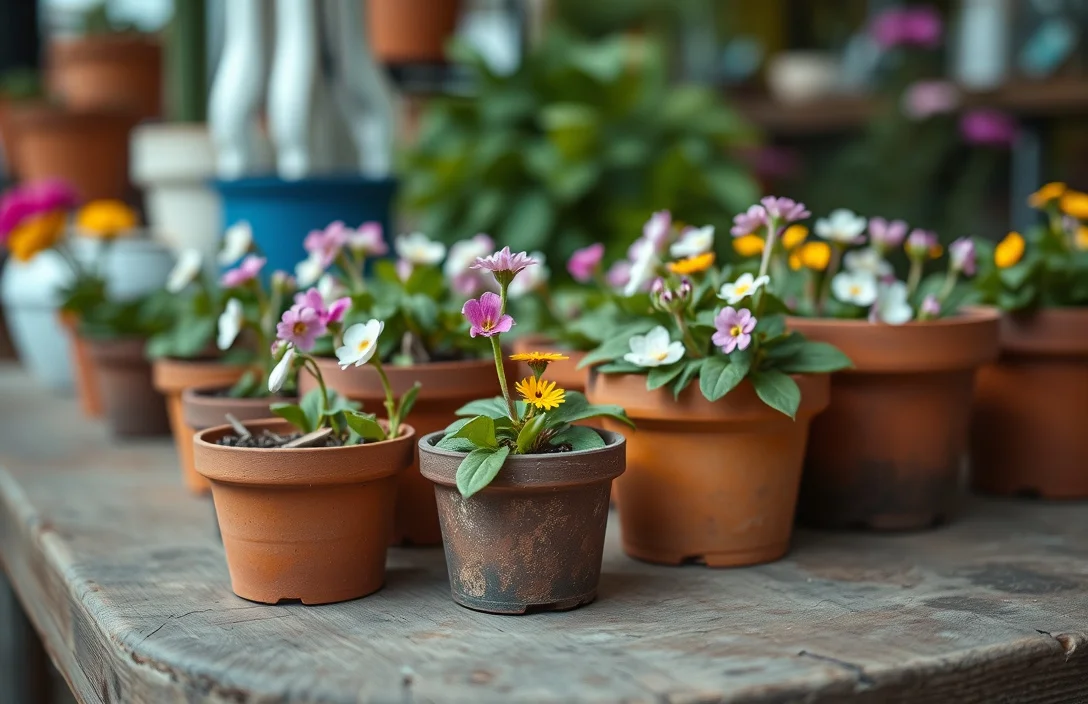
Forget-me-nots in pots are usually biennials: they build growth in the first season, then bloom in their second year. After flowering ends, they die back during winter and re-sprout in spring. That life cycle is why “plant it once, keep it forever” expectations often lead to disappointment.
Container growing changes moisture management. In the ground, forget-me-nots buffer soil moisture swings, but in pots they dry out sooner – and overwatering can be just as damaging because roots sit in a limited volume of soil. The goal is steady, even moisture with excellent drainage so the roots aren’t wet for long.
Temperature also shapes results. Forget-me-nots tend to perform best during cooler periods, and hot weather can shorten flowering or push stress faster than in-ground plants. Better blooms come from working around the seasonal weather window, not just planting whenever you spot them.
Things that matter most
Pick a container the way you’d pick protection for roots: drainage holes are required, and don’t rely on saucers to “trap” water because soggy soil quickly turns into root problems. If you want soil to stay moist longer, choose a slightly larger pot and use a quality potting mix – not a waterlogged setup.
Soil structure beats fertilizer. Forget-me-nots like rich conditions, but they still need air around the roots, so use a potting mix made for containers – not garden soil. Garden soil compacts in pots and turns a watering routine into a flooding routine.
Plan around the biennial life cycle from day one. If you buy an already established plant, you may see blooms sooner, but you should still expect winter die-back. Starting from seed schedules the bloom show for the second year, not the current one.
My practical rhythm:
- Plant or transplant in a cool-season window.
- Keep the soil evenly moist while the plant establishes.
- Feed lightly once growth is active, then back off as flowering slows.
Tips for forget me nots in pots
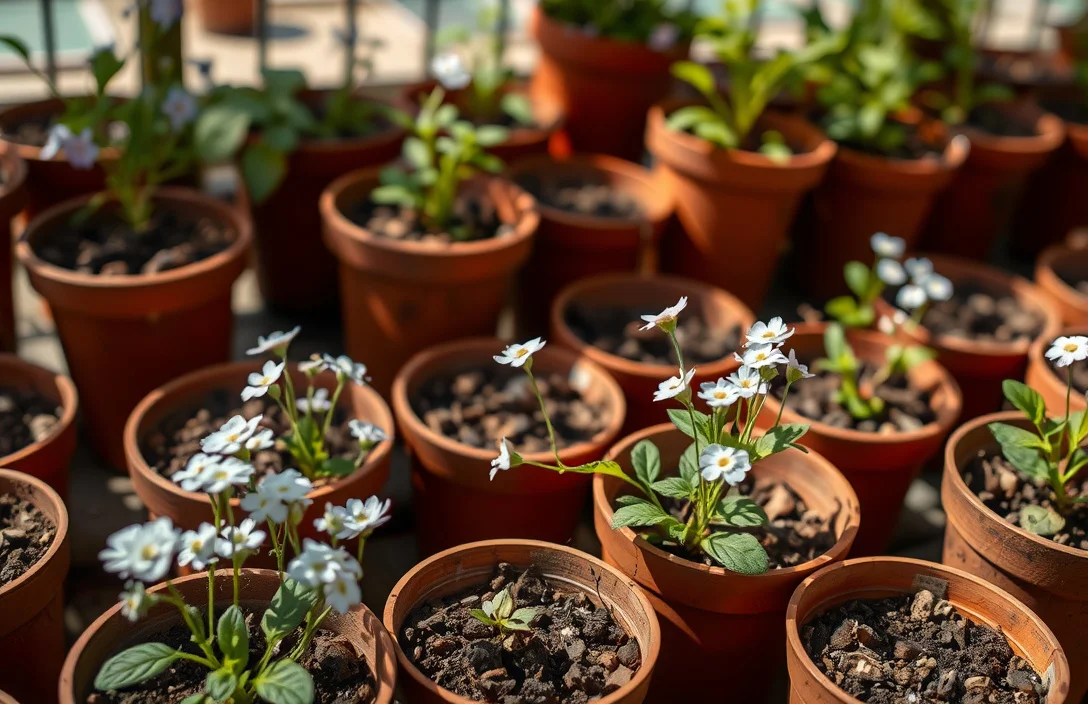
Test moisture the way the plant needs it: use the “evenly moist” test, not a strict daily watering habit. Stick a finger into the mix about 1 inch down. If it feels cool and slightly damp, wait. If it feels dry at that depth, water thoroughly until it runs out the drainage holes, then empty any catchment.
Deadheading helps stretch the display. Removing spent flowers keeps the plant from putting energy into seed too early and supports more blooms while conditions stay favorable. If you want reseeding later, leave a few flower heads to mature – but do it intentionally.
Rotate the pot for even growth. Containers often lean toward light, and uneven exposure can create lopsided flowering. Turn the pot every week or two so blooms spread across the whole container and the plant stays tidy.
Watch for heat stress in summer or on hot balconies. If your patio gets harsh afternoon sun, shift the pot to morning light or add shade cloth during peak heat. Forget-me-nots don’t need tropical warmth – cooler conditions help them stay in bloom longer.
If you want a full pot look, group plants at the right spacing. Crowding can look lush at first, but in containers it reduces airflow and makes fungal issues more likely. Follow the spacing on the nursery label, then adjust to your pot size.
Benefits of forget me nots in pots
Forget-me-nots in pots let you control the growing conditions. You can place them where they get the right light, move them away from harsh sun, and protect them from rain overload when the weather swings. That control matters because container roots react faster to stress than in-ground roots.
They also deliver quick visual impact. A single pot can look like a small spring patch with layered color and a soft, informal texture – ideal for balconies where you want seasonal color without committing to a permanent bed.
The biennial cycle becomes easier to manage when you plan around it. When you expect winter die-back and spring re-sprouting, the pot acts like a seasonal display system, not a one-time purchase. You get a repeating routine: plant, bloom, rest through winter, reset in spring.
Containers also help you learn your specific microclimate. If your first pot struggles, you can change pot size, adjust light exposure, and fine-tune watering without losing a whole planting area. After one cycle, you usually know what works on your porch or patio.

Helpful pick
5600+ Forget Me Not Seeds for Planting, Easy to Grow Blue Forget-Me-Not Flowers, Perennial Wildflower Seeds for Ground Cover, Borders & Pollinator Gardens
Provides easy-to-grow seeds ideal for pot-grown forget-me-nots, supporting controlled light, moisture, and placement.
Options for forget me nots in pots
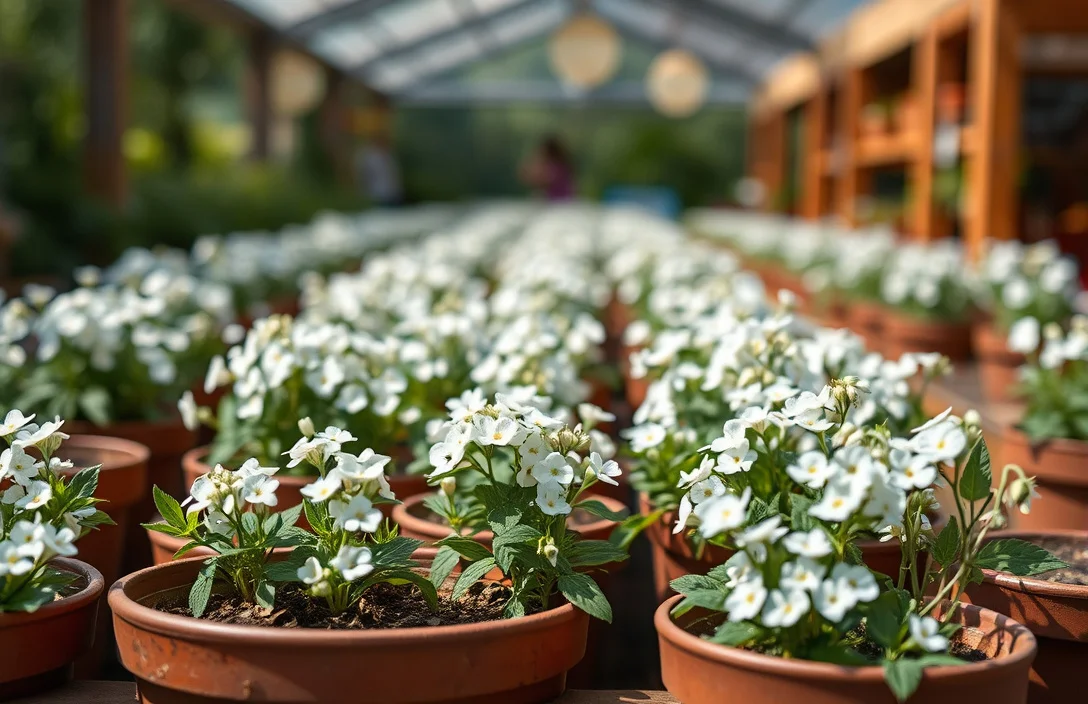
Choose a pot style based on what you want to optimize: moisture stability, visual effect, or portability.
Pot and setup options that usually work
| Option | Key Spec/Price Factor | Best For | Main Trade-off |
|---|---|---|---|
| Standard terracotta with drainage | Moderate cost | Natural airflow, easy to notice dryness | Dries out faster in heat |
| Plastic or resin pot (with holes) | Often cheaper, lightweight | Portability and moisture retention | Needs careful draining to avoid soggy mix |
| Self-watering planter (with true drainage) | More expensive | Busy schedules, consistent moisture | Still requires correct soil, and you must monitor health |
You can also match the setup to how much maintenance you want to do. For low fuss, use a larger container, a high-quality potting mix, and keep the pot where it will stay. For seasonal staging, smaller pots make it easier to swap placements as conditions change.
Companion planting is another useful tool. Forget-me-nots can share a container with other cool-season flowers, as long as you match watering needs. Avoid partners that require very dry conditions because the forget-me-not root zone will suffer.
To extend the look, stagger plantings. Instead of planting everything at once, add new starts when temperatures cool down. That prevents a single “bloom burst” that fades all at the same time.

Helpful pick
Forget Me Not Seeds – 500 Flower Seeds – Perennial Ground Cover Seed for Tulips and Other Bulbs – Bulk Flowering Ground Cover – Grown in the USA
Compact forget-me-nots for containers, supporting moisture stability and simple pot setups in small spaces.
Expert Advice on forget me nots in pots
Start with a potting mix you trust, then build your routine around consistent moisture. The most common container mistake is watering that swings too far – letting the mix dry out completely and then flooding it, or keeping it constantly wet because it “feels safer.” Forget-me-nots do best when the mix stays evenly moist with enough drainage to keep roots healthy.
Judge the plant based on the biennial timeline. Many people decide after one flowering season and assume something went wrong. Forget-me-nots usually complete a cycle over about two years, with winter die-back and spring re-sprouting, so your expectations need to match the plant’s schedule.
In practice, the setup is simple: drainage holes, quality potting mix, a cool light location, and light feeding. Get those four things right consistently, and most problems never take hold.
One time-saver that also prevents mistakes: label the pot (or keep the nursery tag). Write down when you planted and what type you have. When winter arrives, you’ll know what to expect and you won’t accidentally discard a pot that’s simply resting before spring re-growth.

Helpful pick
Chinese Forget Me Not Wildflower Seeds – Bulk 1/4 Pound Bag – Over 22,000 Open Pollinated Seeds – Blue Cynoglossum amabile
Provides bulk forget-me-not seeds ideal for pots, enabling steady growth and moisture-friendly planting.
Examples: forget me nots in pots
Example, a spring container on a porch in the US. You buy ready-to-plant forget-me-nots, use a pot with drainage holes, and fill it with container potting mix. Place it where it gets bright light but not brutal afternoon sun, then water when the top inch starts to dry. As temperatures stay reasonable, deadhead spent blooms over the following weeks for a steady display.
Example, a “second-year bloom” plan with a larger pot. You start with seedlings or young plants, plant them into a medium-to-large container for steadier moisture, and plan for winter protection of the pot location (not necessarily special covering). When the plant dies back, leave it alone instead of digging or replanting. In spring, watch for re-sprouting, then adjust feeding and watering as new growth starts.
Example, a heat-affected balcony. The first attempt doesn’t perform well because the balcony bakes in late afternoon sun, even when watering feels frequent. The fix is placement – morning light plus afternoon shade – and switching to a slightly larger container so soil moisture swings are smaller. With less heat stress, flowering lasts longer and the plant looks healthier without dramatic changes.
Example, mixing forget-me-nots for a layered look. You pair them with cool-season companions that tolerate similar watering, such as other spring annuals or low-demand filler plants. Keep the container moisture consistent and deadhead during peak bloom. The pot looks full even as individual plants finish their cycle.
FAQ
Can forget me nots grow in pots year-round?
Forget-me-nots are usually biennials, and many die back in winter and re-sprout in spring. In a pot, you still follow that cycle. If your winters are harsh, keep the pot in a protected spot and avoid overwatering during cold periods.
What’s the easiest potting setup for forget me nots?
Use a pot with drainage holes and a container potting mix that drains well. Keep soil evenly moist, and water thoroughly until excess drains out, then empty any saucer. Avoid garden soil in containers because it compacts and can trap water around roots.
How much do forget me nots in pots cost to maintain?
Maintenance mostly comes down to watering and light feeding, plus occasional deadheading if you want longer bloom. The biggest “cost” is the time spent checking moisture, because pots dry out faster than beds. Choose the right pot size and mix and you’ll spend less time fussing.
How often should I water forget me nots in a container?
Water when the top inch of mix feels dry. In cool weather, that might be several days apart, while hot spells can require more frequent watering. Always water thoroughly and let excess drain, because constant sogginess is worse than brief, controlled drying.
What’s the most common mistake with forget me nots in pots?
Keeping the mix too wet or too dry in alternating cycles. Many container failures come from inconsistent watering, not from missing fertilizer. Focus on even moisture, strong drainage, and avoiding intense afternoon heat, and the plants usually perform much better.

- 10 Best Slow Cooker For Mess Free Cooking 2026 (Tested And Reviewed) - October 24, 2026
- 10 Best Slow Cooker With Leak Resistant Lid 2026 (Tested And Reviewed) - October 24, 2026
- 10 Best Slow Cooker With Spill Proof Design 2026 (Tested And Reviewed) - October 24, 2026