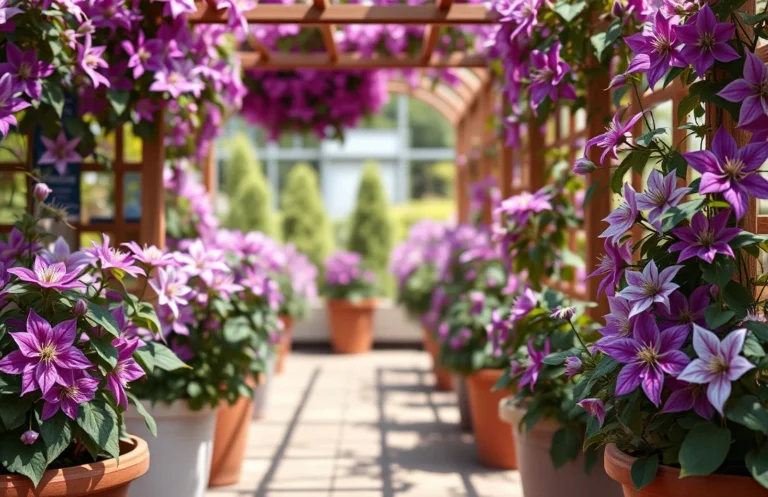
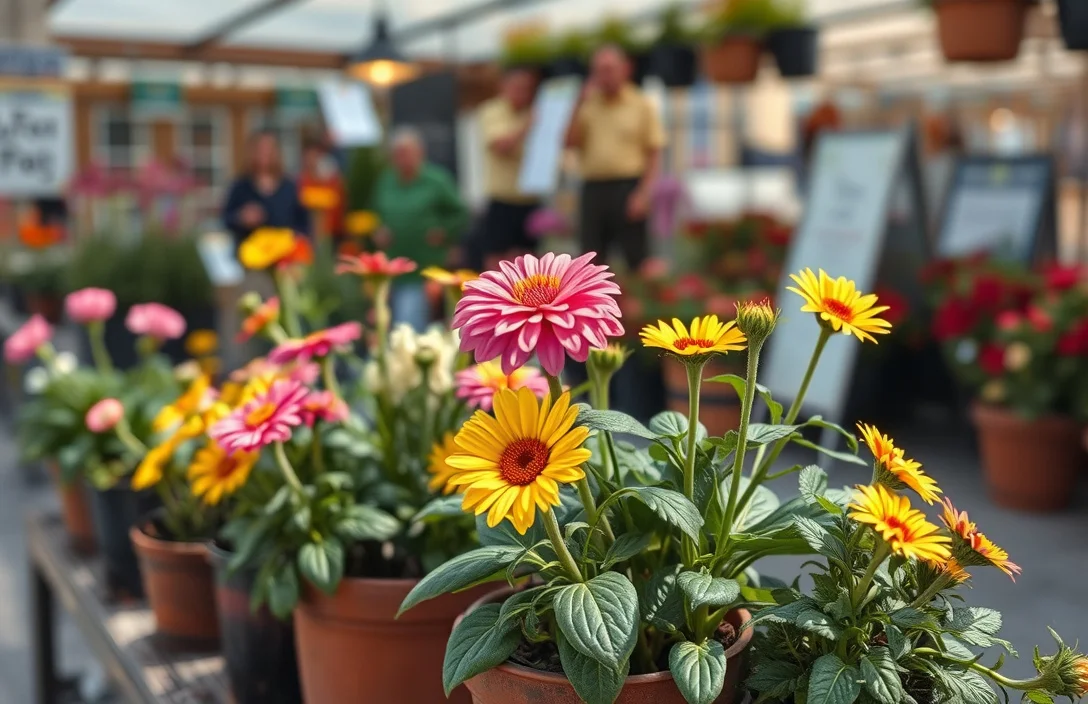
Cold Weather Flowers For Pots: Winter-ready Picks
Cold weather flowers for pots keep your containers looking alive instead of empty for months, as long as you match plants to temperature and protect them from deep freezes. The best results come from hardy varieties that keep blooming or at least hold color when days are short and nights are cold. This guide gives you practical winter porch options across the United States, plus the protection and watering approach to use.
Cold weather flowers for pots are plants that bloom or stay decorative through cool nights, usually down to the low 20s F for many common types. Frost protection and fast drainage matter more than you think. When nights dip into the teens, treat your pots like “survive, not thrive” and add insulation. With containers, the pot itself is often the weak link, not the plant.
Key Takeaways
- Choose based on temps. Containers freeze faster than ground, so your cold tolerance has to be higher than your planting zone.
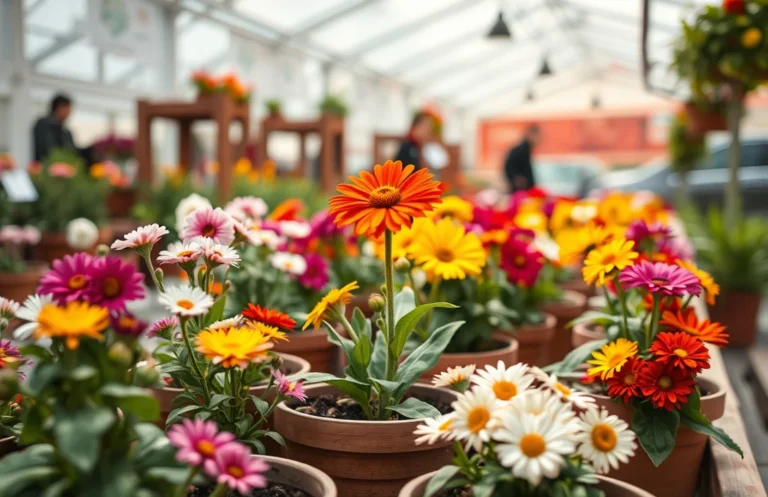
- Pick proven growers. Winter pansies, violas, and calendula keep color when most summer flowers shut down.
- Prioritize drainage. Soggy soil rots roots, while frozen soil blocks water uptake and stresses plants.
- Insulate during freezes. Use cloches, horticultural fleece, or bubble wrap when forecasts call for low teens or single-digit nights.
- Water smarter in cold. Water when the pot feels light and the top inch is thawed, especially on sunny winter days.
- Plan for hard freezes. For temperatures well below the usual range, move pots to a sheltered spot or add a wind block.
What Works
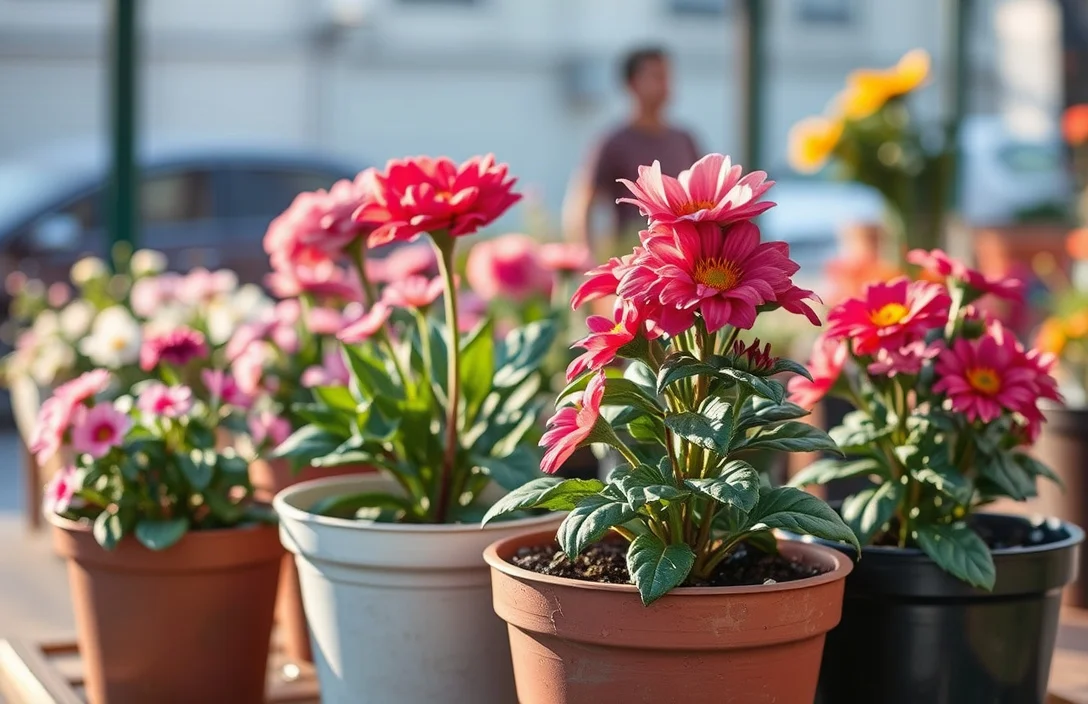
Winter pot success comes from two things: hardy plant selection and container-specific protection. In open air, a pot can swing from cool to near-ice quickly. Roots struggle when moisture freezes, then can’t move again until thaw. Ground beds buffer temperature swings; containers don’t.
Focus on plants labeled hardy for your area and that keep their flowers in cool weather. Pansies and violas are the classic easy win because they handle frost and keep blooming through most winters in the US. For more than color, add compact evergreen structure like dwarf conifers, paired with cold-blooming annuals and perennials.
This is the winter container mix that usually performs best:
- Cool-season bloomers (pansies, violas, calendula)
- Evergreen structure (dwarf spruce, boxwood, hardy heuchera)
- Frost-tough textures (ornamental cabbage and kale)
- Bulbs for scheduled color (small daffodils or winter crocus where hardy)
Many “winter flowers” are really “cool-season flowers.” They look best in daytime sun with cold but not consistently deep-freezing nights. When nights drop hard for multiple days, even hardy plants may keep living, but blooming slows down.
If your options are “pretty year-round” versus “maximum winter blooms,” pick based on your freeze pattern. For frequent single-digit nights, plan for fewer flowers and more evergreen structure, then let blooms come in the milder stretches.
Which Cold Temperatures Can Container Flowers Handle
Container flowers tolerate cold best when the roots stay just above freezing. The pot loses protection fast: exposed sides freeze quicker than soil in the ground. That can happen even when your plant is rated hardy.
You’re really managing two variables: air temperature and root-zone temperature. As a practical guideline, if a plant is rated hardy around 20 F but your pot regularly sees colder root-zone temps from wind and repeated freeze-thaw cycles, you should expect dieback or damage. Shallow pots, dark containers that warm in sun then cool rapidly, and lightweight mixes that freeze thoroughly all raise the risk.
“Survive” and “bloom” also split. Pansies often keep flowers through light freezes, but they may pause when it stays bitter for stretches. Ornamental cabbage and kale usually handle more cold while still looking great, even if they aren’t “flowering.”
Use this decision logic for outdoor pots:
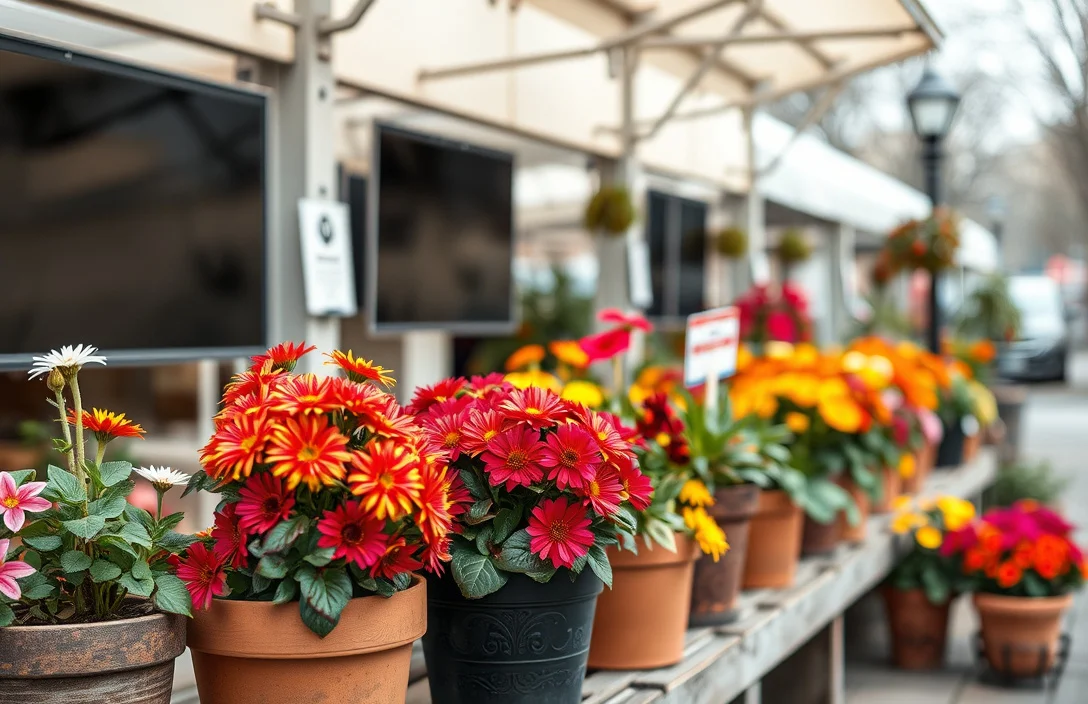
- Mid-20s F nights (common winter cold). Many cool-season bloomers do well with basic protection.
- Teens F nights. Add fleece, cloches, or wind shelter, and expect slower growth and fewer flowers.
- Single digits or repeated hard freezes. Expect dieback in many container bloomers unless you move them to a protected spot.
Heavy wind makes cold tolerance worse because it increases stress and can dehydrate foliage. Wind matters even more with containers since the pot sides are exposed.
If you’re unsure, run a test winter. Move one pot to a sheltered location before it gets dangerously cold, compare it to the pots left outside, and adjust next year. It beats guessing root-zone risk.
Best Flowering Perennials for Winter Pots
Return-every-year plants in pots work best when they stay attractive in cool weather and handle winter dormancy without drama. The strongest picks are plants that are naturally hardy and evergreen-leaning, or plants that bloom in cool weather and do not depend on warm temperatures.
In many US climates, heuchera (coral bells), evergreen or semi-evergreen geraniums depending on cultivar, and hardy flowering perennials that bloom in late winter or early spring can fit well. The best perennial for a pot is often the one you can keep from drying out and that you can protect from freeze-thaw swings in your specific container.
Heuchera earns its place because it keeps foliage color and texture even when other ornamentals look tired. It also pairs well with pansies and violas, so your container looks layered even when blooms slow down. Even hardy perennials can suffer when the pot mix stays wet and freezes repeatedly.
Another reliable perennial strategy is compact forms with realistic winter bloom expectations. Many perennials won’t peak in January, but they hold their shape and often jump quickly when temperatures rise. That gives you a winter-to-spring transition instead of one short show.
Match the perennial to your container constraints:
- If your pots are small, lean on evergreens and tougher foliage.
- If your pots are large, you can keep more variety and get away with slightly less protection.
- If your winters are wet, prioritize plants that tolerate moisture without rotting in containers.
For a clean, practical plan, anchor the container with evergreen structure (hardy dwarf conifers or heuchera foliage) and add cool-season bloomers as the color layer. Even when blooms slow, the pot still looks intentional.

Helpful pick
Saving Container Plants: Overwintering Techniques for Keeping Tender Plants Alive Year after Year (Storey Basics)
Offers overwintering techniques to keep container perennials alive year after year and ready to bloom again.
Best Winter Annuals and Cool-Season Blooms
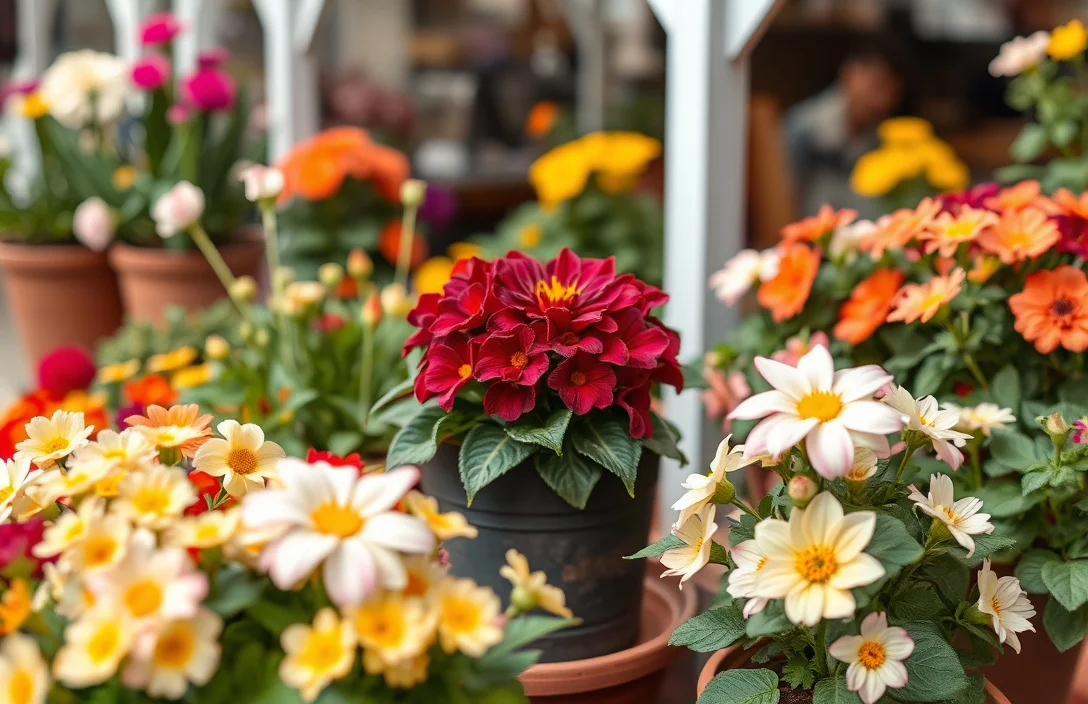
Winter annuals for pots keep color moving when temperatures drop. Look for varieties bred for cool weather that don’t need summer heat to open reliably.
Pansies and violas are the headline options. In many US locations, they keep flowering through frost and bounce back in mild spells. Calendula is another dependable cool-season bloomer and often stays attractive even as temperatures dip because it’s built for cooler growth.
Ornamental cabbage and kale aren’t “traditional flowers,” but they rank among the best winter pot plants for dramatic color. They handle cold well, keep tight rosettes, and make containers look alive even when blossoms are scarce. Pair them with trailing violas or pansies for contrast.
For a seasonal color toolkit, use:
- Pansies for steady bloom through frost
- Violas for delicate color and longer-season style
- Calendula for bright, sunny warmth in the pot
- Ornamental cabbage/kale for structure and color in deep cold
- Cool-season bulbs (like winter crocus or small daffodils where hardy) for timed color
Annuals have a trade-off: they perform best inside a temperature window. If your forecast regularly hits the single digits, annual bloomers may survive but look rough unless you add insulation or shelter. That’s not a failure – it’s container winter reality.
When you buy annuals, check plant size and root health. Crowded, root-bound starts struggle once nights get cold because they can’t expand quickly into fresh mix. Choose sturdy plants with good leaf color, not ones that already look stressed.
A money-saving tactic: buy smaller plants early, then “top up” with fresh blooms when the first set fades. Winter pots don’t require huge spending. They require timing and protection.
How to Protect Potted Flowers From Freeze Damage
Freeze protection is mostly about keeping the pot from becoming a frozen block. When soil freezes deeply, roots can’t take up water, and plants dry out even if there’s snow nearby. Repeated thawing and refreezing also damages roots and stresses foliage.
Start with the forecast. When temperatures are forecast to drop below your plants’ comfort level, move the pot if you can, or cover it if you can’t. Covers work best when they trap a layer of warmer air around the foliage and reduce wind impact.

Helpful pick
COZYDIG 5 Pack Flower Pot Insulation for Winter,Reusable Flower Pot Cover Double Foil Insulation Design for Indoor Plants Pot Cover,Winter Outdoor Fruit Trees Potted Plants Insulation
Insulates pots with double foil insulation to keep soil temperatures stable, protecting roots from freeze damage.
Use these protection levels based on how cold it gets:
- Light frost expected (mid-20s F). Frost cloth or even an old bed sheet for a few hours at night can help.
- Teens F nights expected. Wrap the pot sides (bubble wrap or insulating foam) and cover the top with horticultural fleece.
- Single digits or extended hard freezes. Move pots closer to the house, into an unheated garage, or use a cloche-style enclosure.
Don’t trap moisture in a way that causes rot. Tight covering when it’s also wet and warm can keep foliage damp too long. Use airflow when conditions allow, and cover mainly during the coldest hours.
Pot placement matters, too. A pot on ice-cold concrete or stone freezes faster than one on wood, gravel, or a plant stand. If you can, elevate pots and block wind for better results with less wrapping.
Even with protection, hard freezes can cause damage. Insulation lowers the odds of total failure by preventing root-zone freezing and reducing foliage desiccation.
Protect the color layer (pansies, violas) more carefully than the structural layer (ornamental cabbage/kale). The structural plants handle rough weather better and still look good when conditions turn ugly.

Helpful pick
Perthlin 6 Pcs Winter Plant Covers Freeze Protection Small Plastic Clear Film Cover Shelter Bags Waterproof Frost Cloth for Outdoor Plants Greenhouse Garden Rain Frost Protection(27.6 x 43.3 Inch)
Keeps potted plants snug under a frost cloth during light frosts overnight.
Soil and Pot Drainage for Cold Weather Blooms
Drainage determines whether winter pot flowers thrive or fail. In cold weather, plants grow slowly and use less water, so wet soil lingers longer and increases root-rot risk. Too dry can also backfire because frozen soil can stop water movement and leave roots stressed.
Use potting mix made for containers, not garden soil. Garden soil compacts in pots, drains poorly in winter, and makes freeze-thaw stress worse. A good container mix stays airy enough for water to move through and for oxygen to reach roots.
Pot type affects moisture behavior. Terra cotta breathes and dries faster, which can lead to wind-chilled root drying in winter. Plastic and fiberglass hold moisture longer, which works well only if drainage is strong.
Watch for these symptoms and adjust your mix or pot:
- Water sits on top or drains slowly
- Pots feel heavy for days after watering
- Leaves yellow while the soil stays consistently wet
- Soil smells sour or looks slimy
For container drainage, check the basics: drainage holes must be clear. If you use saucers, empty them after watering so roots don’t sit in water during cold nights.
For freeze resilience, a slightly looser mix helps reduce how hard the root ball turns into a frozen brick. Avoid “sand in a bag.” You want a mix that drains and still holds moisture steadily.
Most winter pot failures are water failures – too much, or too little at the wrong time. Fix drainage first, and protection becomes more effective.
How to Water Potted Flowers in Cold Weather
Watering in cold weather matters because you need to avoid two extremes: soggy soil that stays wet for days, and dry soil that freezes hard so roots can’t drink during mild periods.
Water only when the pot mix is at least partially thawed. A weight check helps: lift the pot after watering, then check again the next day. Water thoroughly when the pot feels light and the top inch of mix is thawed, and water until it drains out the bottom.
On sunny winter days, pots can dry out even when it’s cold outside. Porches, wind, and dark containers warm slightly in the sun and then cool fast, shifting moisture quickly. If you wait until the soil is completely dry, you may return to already-stressed plants.
Avoid watering right before hard freezes. Water earlier in the day when possible so excess moisture can drain and foliage has time to dry, which reduces rot risk from lingering wetness. In very cold weather, also watch for ice forming on the soil surface.
A practical winter watering routine:
- Check daily during cold snaps by pot weight and surface moisture.
- Water when thawed and when the pot feels light, not when the soil is frozen.
- Empty saucers after watering so the root zone doesn’t sit in water overnight.
- Scale down in deep winter as growth slows and evaporation drops.
Covers change drying patterns. If you use fleece or cloches, covered pots may hold moisture longer, so you’ll likely water less often.
The quickest way to dial this in is to “learn” one pot. Track watering times and pot weight for a week, then repeat the pattern in future cold spells with small adjustments.
FAQ
What cold weather flowers for pots bloom without constant care?
Pansies and violas are the most reliable “set it outside and enjoy it” options for many US winters, especially when nights stay roughly in the 20s F range. Ornamental cabbage and kale also look great in cold and hold their shape. When deep freezes hit, blooming slows even if plants survive, so add fleece or a cloche during the coldest nights.
How cold is too cold for container flowers?
When air temperatures hit the teens, container soil often freezes enough to stress roots, especially in smaller pots. Single-digit nights are where you should expect more dieback unless you insulate or relocate pots. The exact cutoff depends on the plant and pot size, so use forecasts plus protection when you’re near your comfort threshold.
Can I leave potted flowers outside overnight when it freezes?
Yes, but cover and insulate if you expect hard frost or freeze. During mild freezes, frost cloth can be enough. For colder nights, wrap the pot sides and use an overhead cover, or move the pot to a sheltered spot like a porch corner or an unheated garage.
How often should I water potted flowers in winter?
Water when the pot mix is thawed and the pot feels light, usually less often than you think. Check daily during cold snaps, then water thoroughly until it drains out the bottom when needed. Avoid watering right before hard freezes so the soil can drain and the plant doesn’t sit in cold, wet conditions.
What’s the most common mistake people make with cold weather pot flowers?
Overwatering in winter is the most common mistake. Pots don’t dry out quickly once it’s cold, so people keep their summer schedule and the soil stays wet. That leads to root rot or stress from freeze-thaw cycles. Use well-draining potting mix, empty saucers, and water only when the mix is thawed.

- 10 Best Slow Cooker With Cool Touch Handles 2026 (Tested And Reviewed) - October 22, 2026
- 10 Best Slow Cooker With Quality Construction 2026 (Tested And Reviewed) - October 22, 2026
- 10 Best Slow Cooker With Premium Construction 2026 (Tested And Reviewed) - October 22, 2026