Sous Vide In Rice Cooker Explained Simply
Sous vide in a rice cooker is the lazy-person’s way to get steady, low-temperature cooking without buying a circulator. The catch is that most rice cookers are not true sous vide machines, so results depend on how stable their keep-warm or simmer mode really is. If you want tender chicken, sliceable steak, or evenly cooked vegetables, this guide lays out the method, the limits, and the timelines that actually work.
Sous vide in a rice cooker can work when you use a temperature-stable water-bath mode and cook long enough. Most true sous vide methods run around 55-60 °C (130-140 °F) for red meat and 66-71 °C (150-160 °F) for poultry, often for 1-7 hours. If your rice cooker can’t hold that range, the center of the food won’t hit the same doneness every time.
Key Takeaways
- Rice cooker stability matters. If “keep warm” swings a lot, you’re not really doing sous vide.
- Aim for sous vide temps. Red meat is often 55-60 °C (130-140 °F), poultry 66-71 °C (150-160 °F).
- Plan for long cook times. Sous vide usually takes 1-7 hours, not minutes.
- Use proper bags and sealing. Vacuum or water-displacement bags keep food separated from the bath.
- Finish food safely. Many items still need a quick sear after the bath.
- Check temperature if you want repeat results. A thermometer turns guesses into repeatability.
What to Know About sous vide in rice cooker
Sous vide is low-temperature, long-time cooking where food sits in a sealed bag (plastic pouch or jar) in a water bath. The water surrounds the food and the cooking temperature stays much lower than conventional cooking, which helps food cook evenly while staying moist.
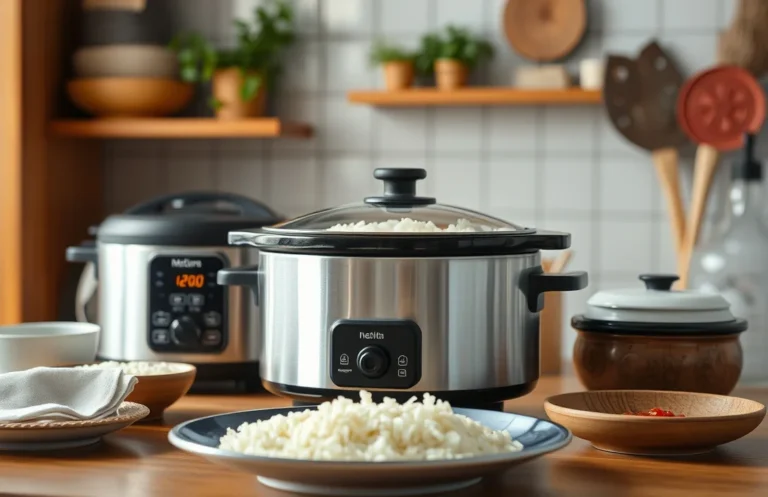
Rice cookers can heat water, but they’re designed for grains, not precision. That means the “keep warm” mode may land close to a sous vide temperature for some foods, or it may drift enough to change how cooked the center gets. Call it “rice-cooker sous vide,” not “circulator sous vide,” and you’ll avoid disappointment.
Two constraints decide whether this works in your kitchen: temperature stability and water contact. If your cooker holds a stable bath temperature, bags cook evenly. If it doesn’t, the bag still protects against direct heat, but you’ll get uneven texture and more run-to-run variation.
Things that matter most
Decide first whether your rice cooker can maintain a steady bath temperature in the sous vide range. True sous vide targets ranges like 55-60 °C (130-140 °F) for red meat and 66-71 °C (150-160 °F) for poultry, so the water needs to land in that neighborhood and stay there.
Decide next how you’ll bag and seal. Sous vide relies on the food being separated from the heating environment. Use a plastic bag sealed with a vacuum sealer, water displacement, or a jar. A weak seal or a puncture can let food float, let water in, and increase risk if the bath runs too warm for too long.
Then plan for time. Sous vide is measured in hours, not minutes. Common durations are often 1-7 hours. Short baths may leave food “warm” but not tender, especially for cuts that need gentle time to break down connective tissue.
Tips for sous vide in rice cooker
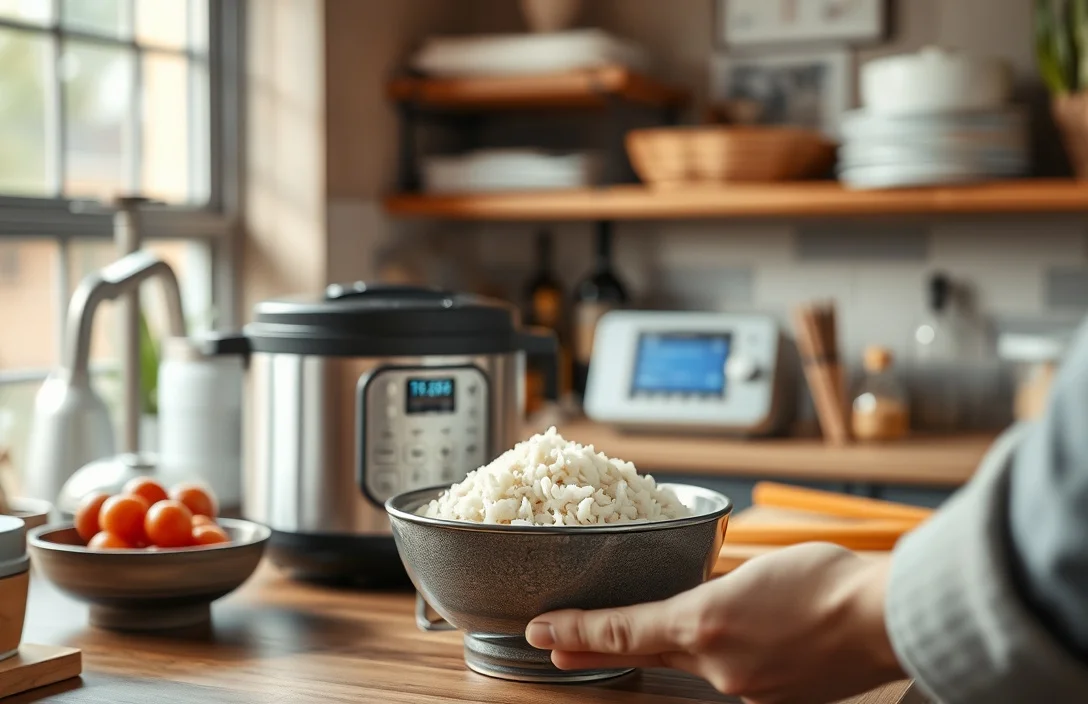
Measure your water temperature in real conditions. Put water in the inner pot, run the mode you plan to use, then check with a thermometer after 10 minutes and again after 45 minutes. If the temperature drifts wildly, you can’t rely on a generic cook time, because your effective cooking temperature changes while you cook.
Use enough water to fully cover the sealed bags. Keep the bag from touching the heating element. A bag pressed against the bottom can cook faster than the rest of the bath, and it cancels out the evenness you’re trying to get.
Match your expectations to what rice cookers can realistically hold. Poultry and vegetables are usually more forgiving than dialing in exact steak doneness on the first try. Poultry works well because the target range is clear (66-71 °C or 150-160 °F), and longer cook times help keep texture consistent.
Benefits of sous vide in rice cooker
Gentle, predictable heat transfer is the big win. Sealed food in a water bath cooks in a more stable environment than direct flame or hot air.
Moisture retention is the other payoff. Low-temperature cooking plus the sealed bath reduces the drying you often see with higher-heat methods, especially on thicker pieces.
Rice-cooker setup is also straightforward. You bag the ingredients, add water, and let the appliance do the steady work while you prep sides or cleanup.
The trade-off is precision. A dedicated sous vide circulator holds a set temperature tightly. With a rice cooker, you work with its built-in thermal control, so you usually need to tune your method by testing and repeating.
Helpful pick
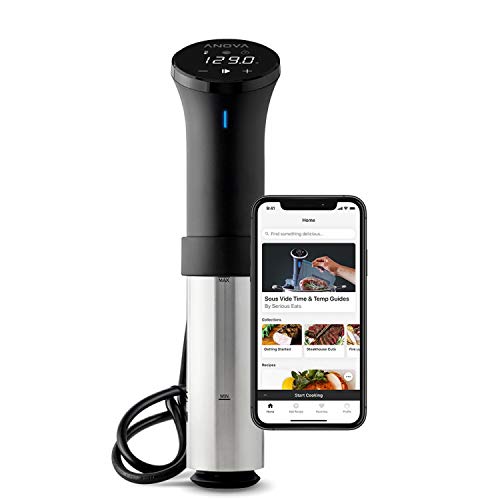
Anova Culinary Sous Vide Precision Cooker 2.0 (WiFi), 1000 Watts
Precise, stable heat and a sealed bath maximize moisture retention in a water bath.
Options for sous vide in rice cooker
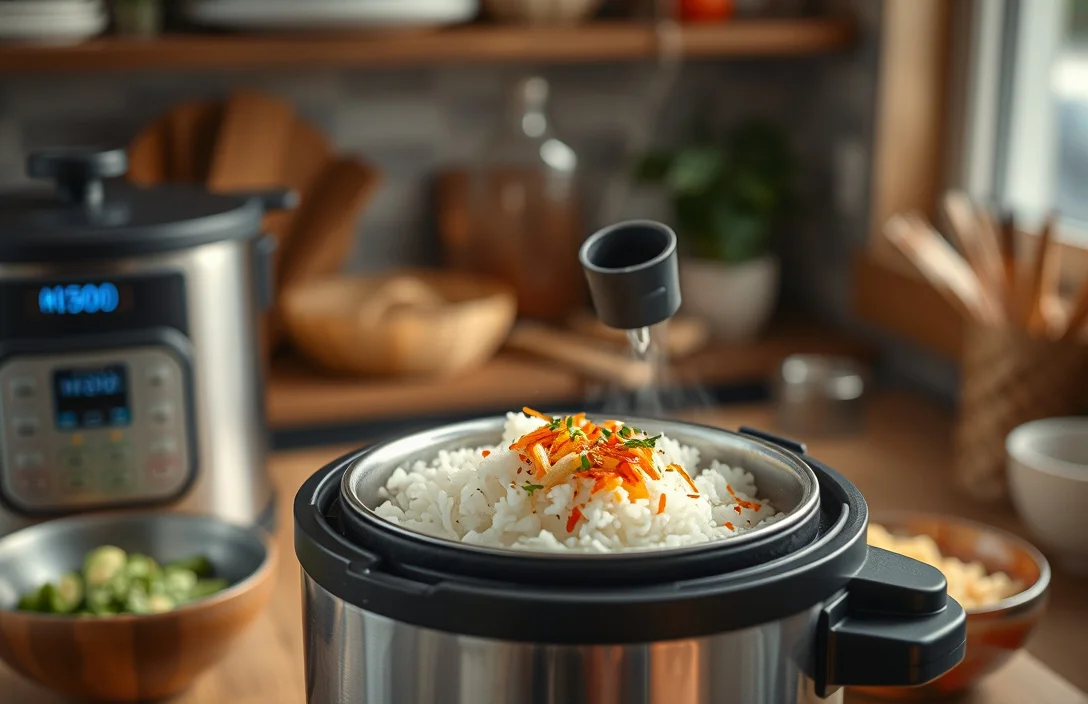
You can use three setups, depending on what your rice cooker actually does.
1) Use Keep Warm as your bath. Many rice cookers can hold a temperature that approximates a low-temp water bath, but you still need to measure stability. This is the easiest approach, and it’s often the one most people try first. The downside is that it may land in a narrower temperature window than you need.
2) Use a timered heating mode plus careful temperature control. Some models heat more actively than keep warm. Bring the water up with a heating mode, then switch to a steadier mode once it reaches your target range. This takes more attention, but it can improve consistency.
3) Hybrid method with a separate thermometer and short interventions. If your cooker cycles, you can still make it work by checking water temperature periodically and adjusting modes as needed. This is less hands-off than true sous vide, but it can be more reliable than walking away completely.
Here’s what each option tends to fit best:
| Setup option | Best for | Key spec to watch | Main risk |
|---|---|---|---|
| Keep Warm bath | Vegetables, chicken, reheating | Bath stability near target range | Temperature drift mid-cook |
| Heat-to-temp then Keep Warm | Thicker poultry, fattier cuts | Time spent above target | Overcooking if it overshoots |
| Hybrid check-and-adjust | Beginners who want reliable control | How often you measure | More hands-on time |

Helpful pick
Sous Vide, Wancle 1100W Immersion Circulator, IPX7 Sous Vide Cooker, Small Space-Saving Design, Sous Vide Machines with Accurate Temperature Control, Black, 120V
Provides precise, stable temperatures that complement Keep Warm mode for a controlled bath in the rice cooker setup.
Expert Advice on sous vide in rice cooker
Measure the bath temperature and treat the rice cooker label as meaningless. “Keep warm” isn’t a temperature number. Without a thermometer, you’re guessing. Sous vide guidance for red meat and poultry uses specific temperature ranges (for example, 55-60 °C for red meat and 66-71 °C for poultry), and your rice cooker needs to be tested against those ranges if you want repeatable results.
Use bag discipline. Avoid overfilling bags so food lies in a single layer and doesn’t trap air in unpredictable pockets. With water-displacement sealing (not vacuum), make sure you remove enough air and keep the seal above the waterline.
Finish food correctly. Many sous vide meals benefit from a quick sear after the bath for browning and flavor development. The bath evens out the interior; the sear brings the outside closer to steakhouse results.
Handle food safety as temperature-based, not time-based. If your bath runs too warm, or you start with chilled or dirty food, you can create safety problems no matter what you call the method. If you’re unsure, use a thermometer and keep handling conservative.
Helpful pick
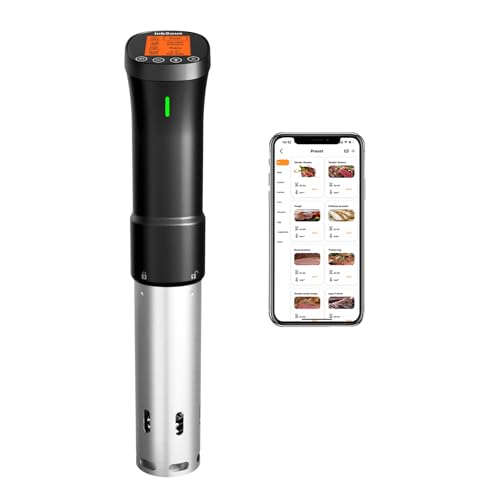
InkSous WIFI 2.4G Sous Vide Cooker 1000W Immersion Circulator with APP 18 Recipes,Alarm,Calibration & Timer, 3D Water Fast Heating Ultra-Quiet Sous Vide Machine ISSV-200-W
Provides precise temp control and real-time monitoring via app, helping you verify bath temps beyond the rice cooker label.
Examples: sous vide in rice cooker
Start with practical test batches. Cook one portion, take notes, and adjust based on how it matches your target doneness.
Chicken breast is a strong first dish because the poultry range is commonly 66-71 °C (150-160 °F). Bag seasoned chicken, remove as much air as possible, and cook in a water bath using the steadier mode your rice cooker offers. After the bath, pat dry and sear quickly in a hot pan for color.
Pork tenderloin benefits from long, gentle cooking because you get better juiciness when you avoid harsh direct heat. Set your approach around a low-temperature target you can hold (use your thermometer), then keep it in the sealed bath long enough for the tenderness you want. Finish with a sear or broil after the bath.
Vegetables are where rice-cooker sous vide tends to shine because drying risk is lower. Bag firm vegetables or use smaller portions so they heat evenly. For crisp-tender texture, shorten cook time relative to proteins and do a quick sauté afterward if you want more browned edges.
If you want to experiment systematically, change only one variable at a time:
- Cook the same cut twice
- Change only the bath temperature once, then keep everything else identical
- Record the measured water temperature and cook time
FAQ
What temperature should I aim for with sous vide in a rice cooker?
Sous vide targets depend on the food. Common ranges include 55-60 °C (130-140 °F) for red meat and 66-71 °C (150-160 °F) for poultry. In a rice cooker, measure your actual water temperature with a thermometer and choose the mode that holds closest to your target.
How long does sous vide take in a rice cooker?
Sous vide runs low-temperature and long-time, often described as about 1-7 hours depending on the ingredient. Because a rice cooker may not hold temperature perfectly, start conservatively, then adjust based on texture and internal temperature.
Is it safe to cook with plastic bags in a rice cooker?
Sous vide typically uses sealed plastic pouches or glass jars so food stays separated from the heating environment. Safety depends on using bags intended for cooking and sealing them properly, and keeping the bath within the appropriate temperature range. If you see leaks or the bag floats, throw out that attempt and start over.
What’s the biggest mistake people make when doing sous vide in a rice cooker?
Trusting a generic “sous vide recipe” time without measuring the bath temperature. Rice cooker modes can drift, and that changes doneness. Use a thermometer, confirm stability for at least 30-45 minutes, then start cooking.
What’s a better alternative if my rice cooker can’t hold the right temperature?
If your rice cooker’s temperature swings a lot, a dedicated sous vide circulator (with a water-bath container) is the most direct upgrade because it holds a set temperature precisely. If you want to stay with your current setup, focus on more forgiving foods like vegetables and use shorter batches, but don’t expect steak-level repeatability without stable heat.

- 10 Best Slow Cooker With Cool Touch Handles 2026 (Tested And Reviewed) - October 22, 2026
- 10 Best Slow Cooker With Quality Construction 2026 (Tested And Reviewed) - October 22, 2026
- 10 Best Slow Cooker With Premium Construction 2026 (Tested And Reviewed) - October 22, 2026