Can You Use Oven Bags In A Slow Cooker?
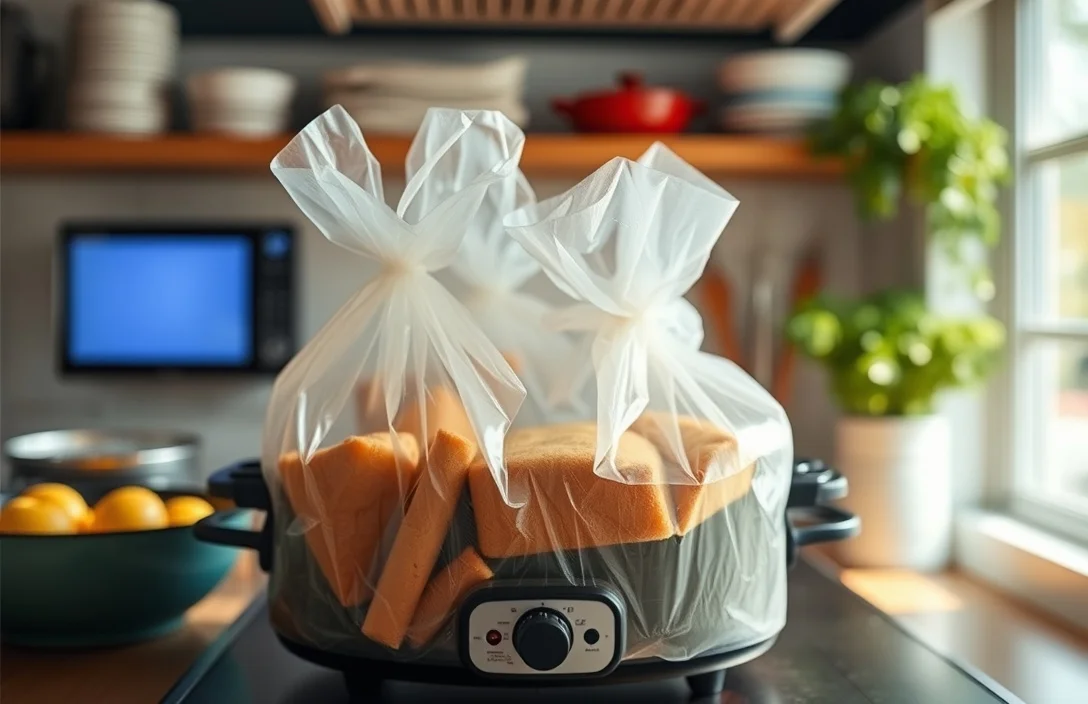
Oven bags can work in a slow cooker, and the right setup makes cleanup easier while keeping food tender. The catch is that slow cookers run a wet, low-temp environment, so you cannot treat oven bags like they do in a 350°F oven. This guide covers can you use oven bags in a slow cooker, then gives a safe method, timing cues, and substitutions for when you should skip the bag.
Yes, you can use oven bags in a slow cooker if the bag is labeled oven-cooking safe and you leave it unblocked so steam can vent. Plan on LOW for about 6 to 8 hours for typical meats, then check doneness with an instant-read thermometer (165°F for poultry, 190°F to 205°F for tender beef).
Key Takeaways
- Yes, with conditions. Use oven bags that are specifically oven-safe, and keep the bag from touching heating elements.
- Vent the steam. Leave enough space in the slow cooker so the bag can inflate and vent.
- Avoid high heat blasts. Run on LOW for best results, and skip high heat for long cooks.
- Thermometer beats time. Target 165°F for poultry, and cook beef until tender (often 190°F to 205°F).
- Brown it first if needed. Searing meat before bag cooking improves color and flavor.
- Don’t reuse the bag. Discard it after cooking, and wash the insert well.
What to Know About Using Oven Bags in a Slow Cooker
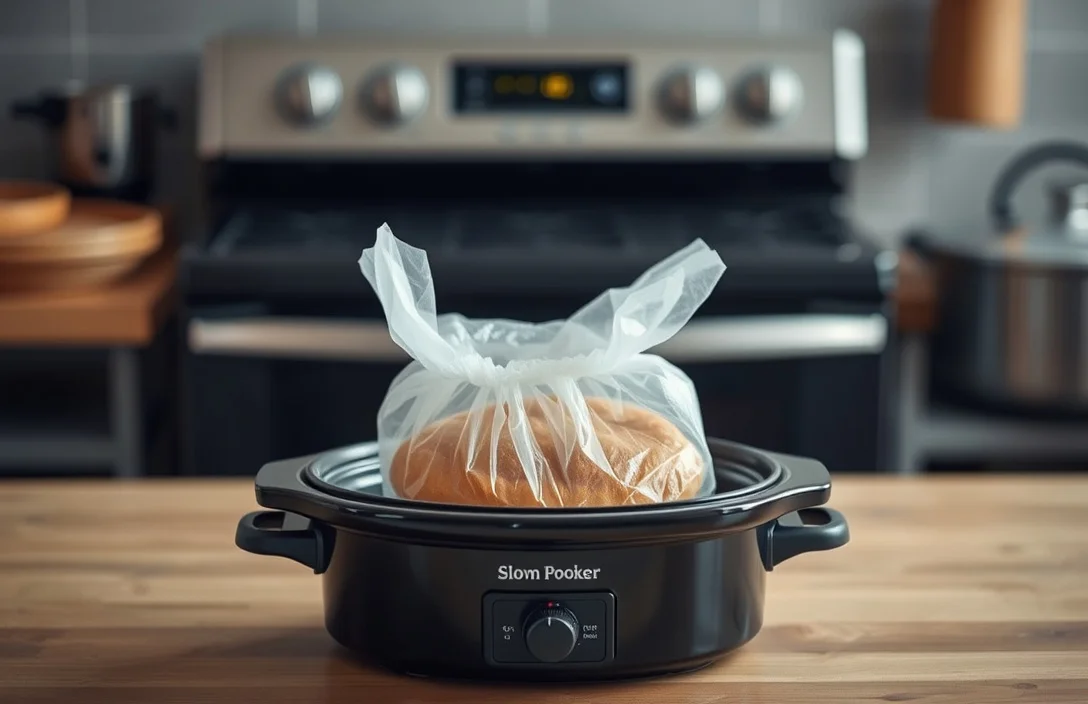
Oven bags are made for roasting heat and enclosed, steamy cooking, so they can translate well to a slow cooker as long as the package says they are oven-safe. A slow cooker cooks by creating moisture and heat at the bottom, so the bag needs room to expand and cannot block drainage or interfere with the lid seal.
Not every “oven bag” is built the same. If the package says “not for slow cookers” or gives temperature rules that conflict with your slow cooker instructions, follow the manufacturer guidance instead of forcing it.
In food-safety terms, treat the bag as a moisture-control tool, not a shortcut to doneness. Your slow cooker still has to reach safe internal temperatures, so you rely on an instant-read thermometer, not on the idea that food “looks cooked.”
Things that matter most
Use oven bags mainly for low-mess cooks where you want fewer splatters, especially for meats with added liquid like broth or sauce. Clearance is the biggest setup detail. The bag should hang loosely, not press tightly against the slow cooker insert sides or the lid area.
Liquid level also matters. Slow cookers already create a wet cooking environment, but oven bags don’t require you to drown the food. Overfilling with liquid can leave you with watery sauce inside the bag, and the steam can dilute flavor instead of concentrating it.
Choose the right cook type. Bag cooking works well for braises, pot roasts, and covered chicken cooks. It’s less ideal when your recipe depends on thickening from evaporation or crisping the surface.
Tips for Using Oven Bags in a Slow Cooker
Tie the bag the way that preserves steam movement. If the bag’s directions tell you to use a specific tie method for roasting, keep the same general approach, but make sure the knot does not trap steam in the slow cooker.
Avoid a “ball” that traps the bag tight. You want the bag to inflate around the food, not get pinched against the insert. Put the food in first, add the bag, then leave slack so it can expand without getting trapped.
For better flavor, sear first. Bag cooking can mute browning. Browning meat in a hot skillet for 2 to 3 minutes per side before bagging makes a noticeable difference, especially for beef and pork.
If you add vegetables, cut them smaller. Bag steam cooks faster than you might expect, so baby potatoes, carrot coins, and sliced onions usually turn out well. Huge chunks can stay firm even when the meat is done.
Benefits of Using Oven Bags in a Slow Cooker
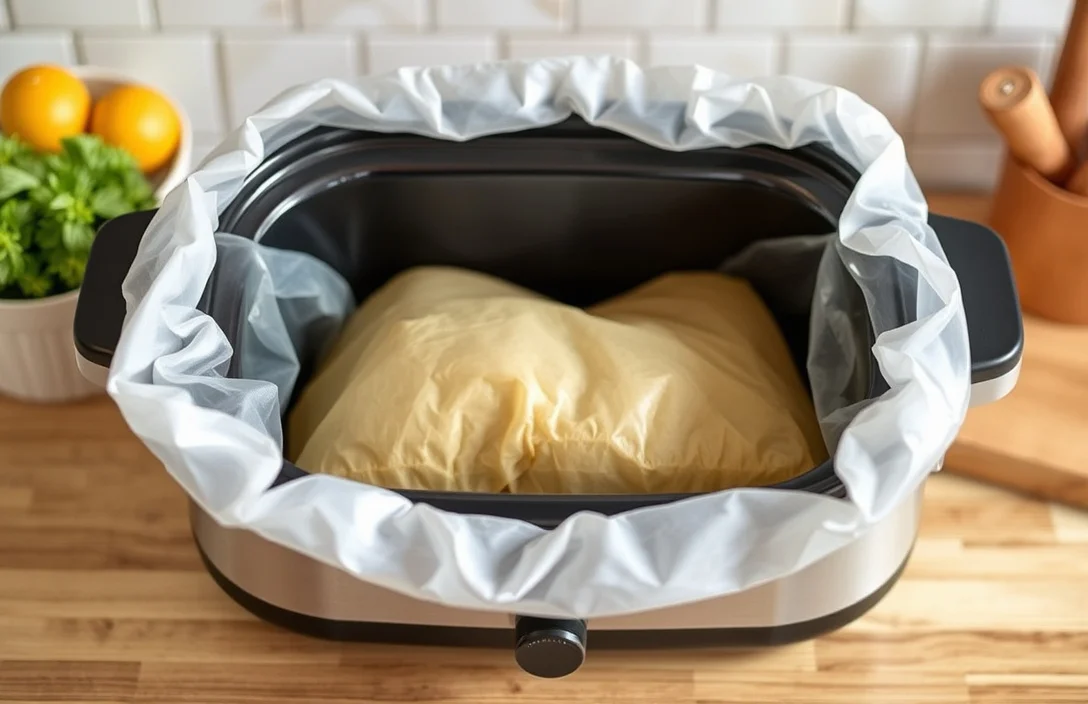
The clearest benefit is cleanup. A slow cooker often leaves a film on the insert, and a bag keeps most of that mess contained so you discard it and wash the insert quickly.
Tenderness improves because steam stays trapped around the food during long cooks. Dry edges are less likely compared with uncovered slow cooker cooking for some recipes.
Leftovers reheat more consistently. Because the bag holds onto moisture, sliced leftovers tend to lose less bite and stay less harsh-dry after reheating.
Trade-off: you lose surface browning. If you care about color on the outside, you need either a quick sear first or a finishing step after the slow cooker.
Options for Using Oven Bags in a Slow Cooker
If you can’t find oven bags or you’d rather skip them, you still have practical options that get you similar results. You can cook normally with the lid, use a slow cooker liner, or try an oven-safe insert method like foil tents (watch for steam contact with the lid).
Here are realistic choices, and when to use each:
| Option | Best for | Key downside | Safety note |
|---|---|---|---|
| Oven bag (oven-safe) | Tender braises, easy cleanup | Less browning, can dilute sauce | Keep clearance, don’t touch heating parts |
| Slow cooker liner | Convenience, reduced sticking | Can thin sauce, sometimes traps excess moisture | Use only liners rated for slow cookers |
| Regular slow cooker (no bag) | Thick sauces, browning-less recipes | More splatter, harder cleanup | Monitor liquid level to prevent drying or scorching |
| Foil tent | Keeping moisture without fully enclosing | Can still block evaporation | Don’t seal airtight, avoid pressing foil onto heating area |
My rule: pick an oven bag when the recipe already has enough liquid to create steam and you’re okay sacrificing some surface browning. Use liners or no bag when thickening from evaporation is part of the recipe.
Expert Guidance for Safe, Successful Bag Cooking
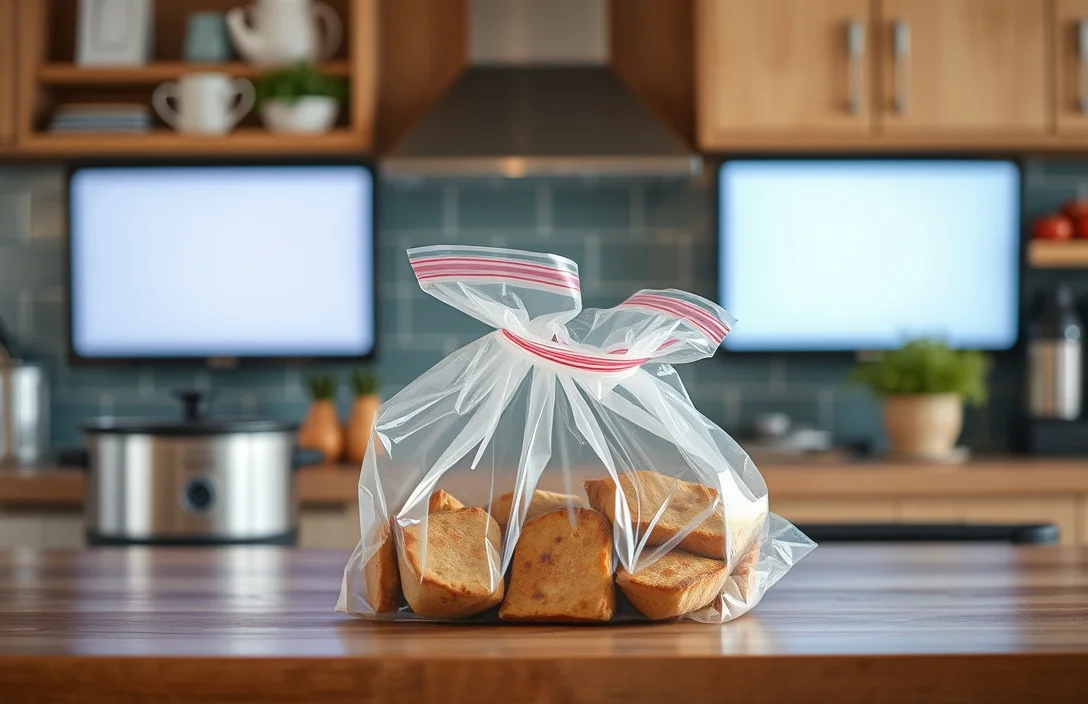
Check the bag labeling for oven use before you start. If the bag is explicitly oven-safe, treat it like an enclosed steaming liner inside the slow cooker and plan around safe internal temperatures you can measure, not bag instructions alone.
Use the LOW setting for long cooks. High heat can over-expand or stress some bag materials over time, and it can also cook the outer surfaces faster while the center catches up.
Doneness needs two checks. First, confirm internal temperature in the thickest part of the meat. Second, check texture, especially for beef, pork shoulder, and stews. Tenderness can lag behind temperature targets depending on collagen and cut thickness.
For thicker sauce, finish outside the bag. Pull the meat and reduce the liquid with the slow cooker lid off (or move to a saucepan) for 10 to 20 minutes. That evaporation step brings back the cooked, savory flavor you lose when steam stays trapped for hours.
Examples: Using Oven Bags in a Slow Cooker
Example 1: Slow cooker “bag” pot roast
Season a 3 to 4 lb roast with salt, pepper, garlic powder, and a little paprika, then sear in a skillet 2 to 3 minutes per side. Place the roast in an oven-safe bag with chopped onions, sliced carrots, 1 to 2 cups of beef broth, and 1 to 2 tablespoons of Worcestershire (optional). Cook on LOW for about 8 hours, then check tenderness, aiming for 190°F to 205°F internal temperature for fork-tender slices.
If you want gravy, remove the roast and vegetables, then pour the remaining liquid into a saucepan. Simmer 10 to 15 minutes to reduce, then whisk in a slurry (1 to 2 tablespoons cornstarch mixed with cold water) until glossy. Bag cooking can leave the sauce thinner, but reduction fixes that quickly.
Example 2: Chicken thighs with vegetables
Arrange bone-in chicken thighs (or drumsticks) in the bag with sliced onions, garlic, and a mix of broth plus seasoning (Italian seasoning, thyme, salt, pepper). Cook on LOW for about 6 to 7 hours, then verify 165°F in the thickest part of the meat.
Check doneness by texture and temperature. Meat should release easily from the bone and juices should run clear. If the vegetables finish early, pull them out and keep the chicken cooking until it hits 165°F, then serve immediately.
Example 3: Pork shoulder for pulled pork
Season with a dry rub, sear, then bag with a small amount of apple cider or broth (enough to create steam, not drown the meat). Cook on LOW for about 8 to 10 hours, then shred at the “tug” stage, often around 195°F to 205°F.
Finish pulled pork with a quick simmer in barbecue sauce. Bag steam can soften smoke flavors, but a short finishing step brings them back.
FAQ
Can I use oven bags in a slow cooker?
Yes. Use oven bags in a slow cooker if the bag is labeled oven-safe and you give it clearance to inflate without touching the sides or lid area. Cook on LOW for long cooks and confirm safety with an instant-read thermometer, not the bag. Poultry needs 165°F internal temperature.
How long do you cook meat in an oven bag in a slow cooker?
Typical bag cooks are about 6 to 8 hours on LOW for chicken and 8 to 10 hours on LOW for roasts and pork shoulder, depending on thickness. Always check doneness by temperature and texture. The bag changes moisture behavior, so time varies more than you think.
Are oven bags safe for slow cookers?
They can be safe when made for oven cooking and when you avoid heat-contact issues by keeping clearance in the insert. Do not use bags labeled for limited temperatures if your slow cooker instruction conflicts. Never seal the bag airtight, and discard it after cooking.
What should I do if my sauce is watery after bag cooking?
Remove the meat, then reduce the liquid uncovered for 10 to 20 minutes in the slow cooker or on the stove. For a faster fix, transfer to a saucepan and whisk in a cornstarch slurry (start with 1 tablespoon cornstarch per cup of liquid). Then simmer until glossy.
What is the common mistake when using oven bags in a slow cooker?
The most common mistake is packing the bag too tight against the insert or lid, which blocks proper steam flow and can cause uneven cooking. Another frequent issue is relying on time alone instead of checking 165°F for poultry or tenderness for roasts.

- 10 Best Slow Cooker For Slow Cooking Legumes 2026 (Tested And Reviewed) - October 17, 2026
- 10 Best Slow Cooker For Slow Cooking Oxtail 2026 (Tested And Reviewed) - October 16, 2026
- 10 Best Slow Cooker For Slow Cooking Venison 2026 (Tested And Reviewed) - October 16, 2026