How Do Compression Socks Help Pots?
Compression socks can help some people with POTS by reducing blood pooling in the legs, which supports blood return to the heart. POTS stands for a condition where heart rate and blood flow regulation feel off, especially when you stand. This guide explains what compression socks do, how to choose the right type, and how to use them safely in everyday life in the United States.
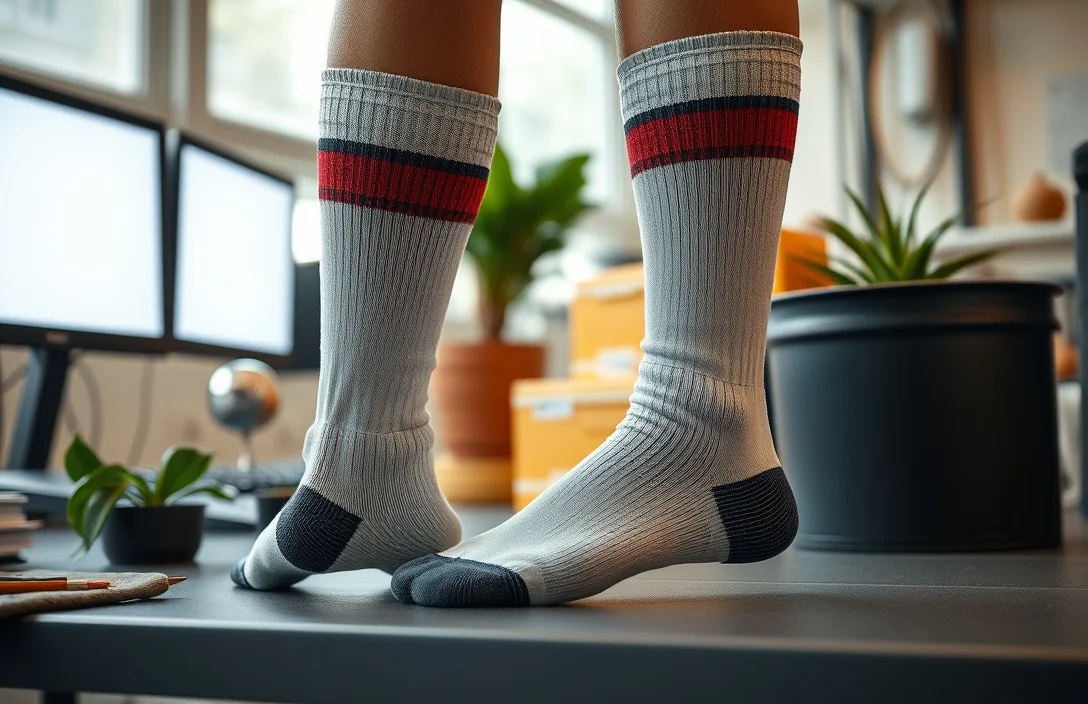
Compression socks help POTS mainly by applying graduated pressure to your legs, which reduces blood pooling when you stand. That supports blood flow back to the heart and can ease symptoms like dizziness or a fast heart rate. Many people start with knee-high styles, but some need thigh-high or waist coverage to control pooling higher up.
Key Takeaways
- They reduce leg pooling. Graduated compression limits blood from collecting in your legs when you stand.
- They can improve symptoms. Less pooling can mean less dizziness and a steadier heart rate for some people with POTS.
- Fit matters most. Proper sizing and donning technique are required for the pressure you actually feel and measure.
- Coverage changes results. Knee-high can help, but thigh-high or waist options may work better if symptoms are more severe.
- Start conservatively. Ease into wear time to avoid discomfort, skin issues, or symptom worsening.
- Don’t ignore safety. If you have poor circulation, skin breakdown, or numbness, get medical guidance first.
How to begin
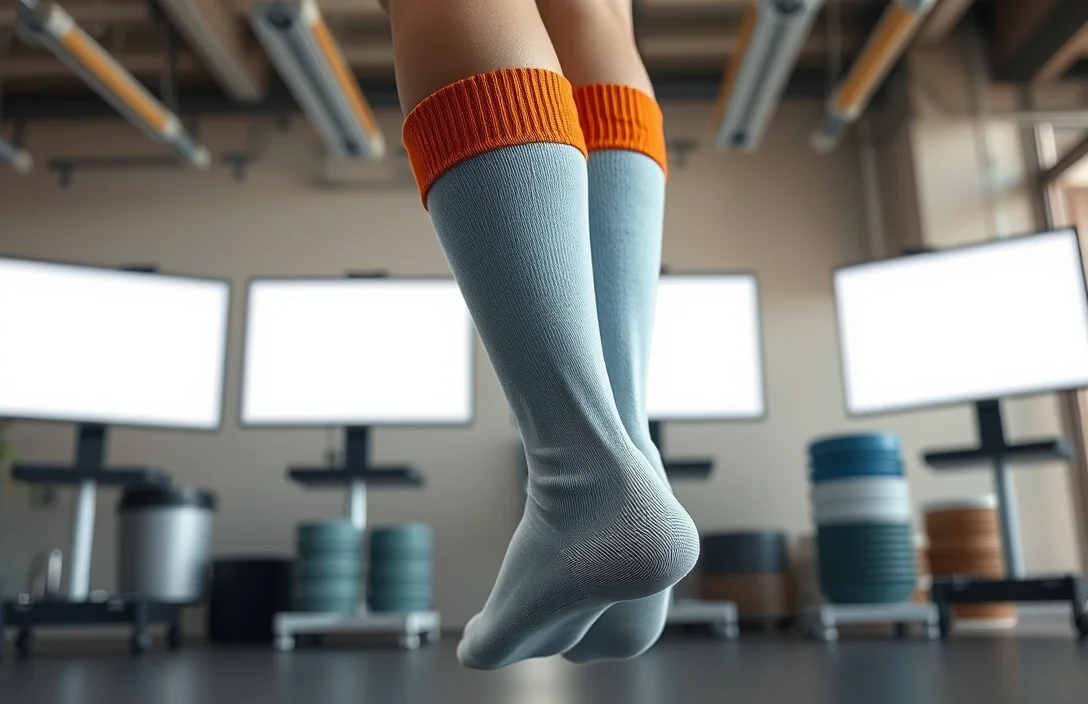
Compression socks help POTS by gently squeezing your legs in a way that encourages blood to move upward instead of pooling below the heart. That support can make standing feel less disruptive for people whose symptoms spike when effective circulation drops. If you have POTS, treat compression like a mechanical aid: it helps improve the return path for blood.
Start with the simplest option that matches your symptoms. Many people begin with knee-high compression socks because they are easier to put on and easier to wear day to day, especially under normal clothing. If your dizziness or heart rate spikes are strong when you stand, you may need higher coverage (thigh-high or waist-level options) rather than assuming knee-high will always be enough.
Basics of Compression Socks for POTS
Compression socks work through graduated pressure, meaning the pressure is higher at the ankle and gradually lower up the leg. That gradient matters because it helps move blood upward while still being comfortable enough to wear. Flat, non-graded compression usually provides less of the “pump” effect that helps with standing.
POTS symptoms often worsen because standing changes how gravity distributes blood. When blood pools in the legs, the brain and heart may sense less blood returning, which can trigger compensatory heart rate increases. Compression socks aim to keep more blood in circulation centrally by reducing pooling.
Compression is one lever, not the whole strategy. Hydration, salt intake (if your clinician recommends it), exercise reconditioning, and medication (if prescribed) often matter as much as socks. Socks can help, but they are not a complete treatment plan on their own.
How to Use Compression Socks for POTS
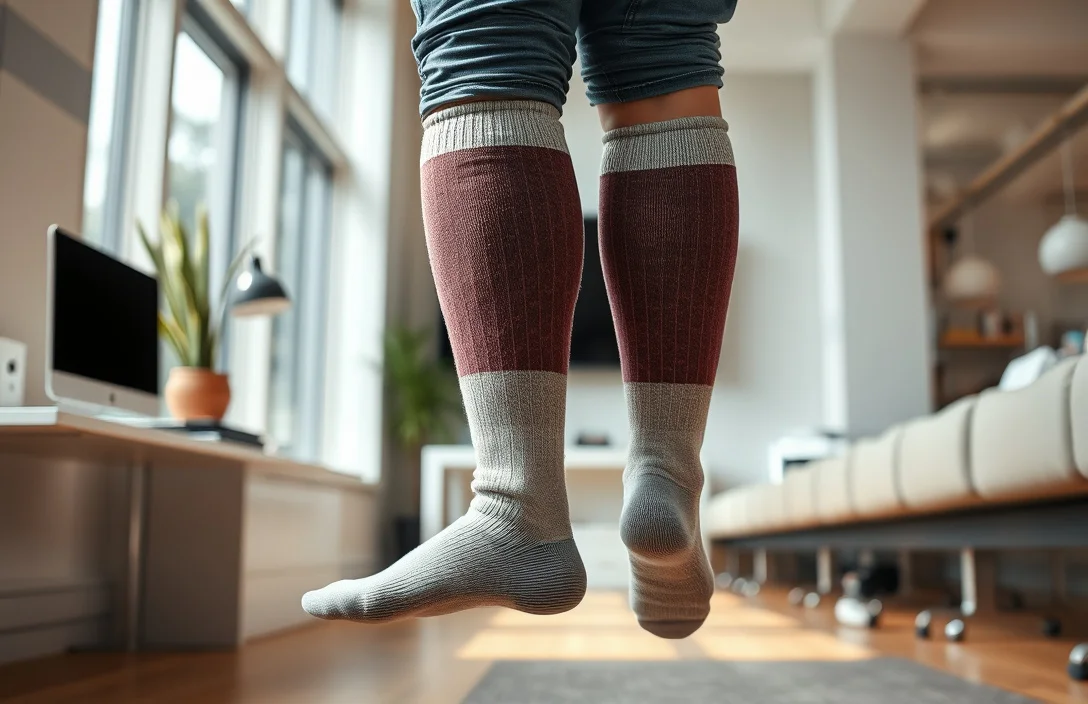
- Check your baseline symptoms. Track what happens when you stand (dizziness, palpitations, shakiness) so you know what improves when socks do.
- Measure your legs correctly. Use a measuring tape around the ankle, calf, and (if needed) thigh per the brand’s size guide, since sizing controls pressure.
- Choose graduated compression. Pick socks intended for circulatory support, not random “athletic compression” that doesn’t clearly list pressure and sizing.
- Start with shorter wear time. Wear them when symptoms are mild, then extend to typical daily durations if they feel tolerable.
- Don them properly. Pull from the toe area upward, avoid bunching, and smooth fabric along the leg so the pressure stays consistent.
- Reassess after a week. Decide whether knee-high is enough, whether you need higher coverage, and whether symptom changes are meaningful.
If your worst symptoms hit within 1-2 minutes of standing, wear socks before your first standing attempt that day. If symptoms are more random, wear socks for common triggers like showering, standing at the sink, or waiting in line.
In practice, the best sock is the one you can wear consistently without skin irritation or worsening discomfort. Consistency often beats intensity – partial days with good tolerance can help more than a “perfect” product you can’t keep on.
Things that matter most
Coverage comes first. Many people start with knee-high, but POTS symptoms can reflect pooling higher up the leg. If knee-high helps a bit but you still feel significantly worse when you stand, thigh-high or waist-level compression can provide more targeted support.
Next is correct sizing and smooth application. Even well-designed socks underperform if they are too loose, too tight, or bunched near the ankle or calf. Bunching creates pressure points and gaps, which can both irritate skin and reduce the graduated pressure effect.
Timing and routines matter. If you reliably flare during specific activities, wear socks during those periods rather than only when you feel “pretty good.” For many people, that means socks during morning routines, standing breaks, cooking, or commutes that involve prolonged upright posture.
Do skin checks every time you wear socks. Compression can be safe and effective, but it can also make skin problems easier to miss. Look for redness that does not fade, blisters, numbness, or persistent discomfort, then adjust use immediately.
What works in practice
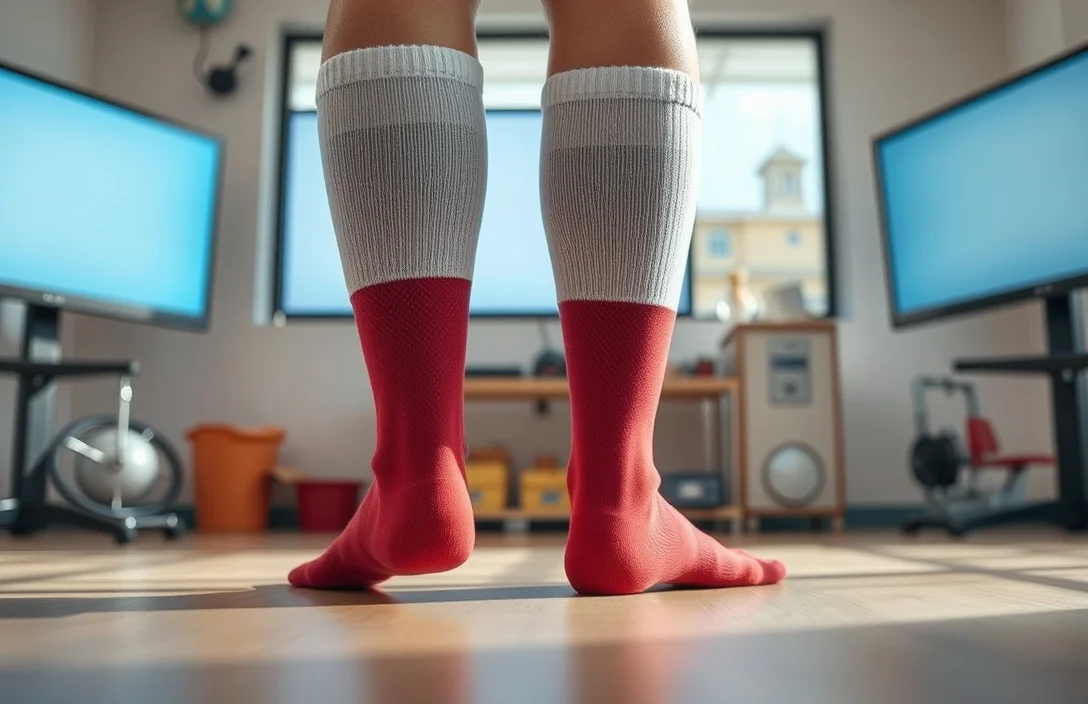
Use compression socks like a medical-style garment: choose the right fit, wear them consistently, and stop if anything feels off. If you have known circulation issues, neuropathy, or a history of skin breakdown, check with a clinician before committing to long daily use. It’s not about worry – it’s about avoiding the most common “they made things worse” outcome.
Focus on tolerance and adherence for day-to-day use. Start with wear times you can manage comfortably, then increase as your body adapts. Many people find it helps to wear them with a consistent routine so they learn what changes in real life.
Temperature affects comfort too. In hot weather, some people avoid compression because it feels warm and sweaty, which can lead to irritation. Breathable materials and sock liners (as long as they don’t compromise fit) can help you keep wearing compression long enough to judge whether it truly improves POTS symptoms.
Measure success in symptoms, not just hours worn. Success looks like less intense dizziness, delayed standing triggers, or reduced heart rate spikes compared to your usual baseline. Keep a simple daily note for a week so you’re not guessing.
Mistakes to Avoid with Compression Socks for POTS
The biggest mistake is choosing socks that don’t match your sizing. Too loose means the graduated pressure is ineffective, and too tight can cause discomfort, numbness, or skin damage. Stop if the socks leave deep marks, cause burning pain, or feel like they constrict circulation.
Another common error is ignoring coverage needs. If pooling higher up the leg drives your symptoms, knee-high may help but not enough. Some people decide socks “don’t work” after a few days when they actually needed thigh-high or higher coverage.
Bunching and poor donning create a close second problem. Wrinkles, folds, or twists break the smooth pressure gradient and create pressure points. Those pressure points can be uncomfortable and can worsen skin irritation, especially if you wear socks for hours.
Avoid jumping to “harder” compression immediately. People often go from mild support to very aggressive compression without adapting, then blame compression in general. Use controlled ramp-up, do skin checks, and reassess symptom response.
Pro Tips That Make Compression Easier and More Effective
Use a donning aid if you struggle to get socks on smoothly. Smoother placement makes the pressure more consistent – and that consistency is what you’re paying for.
If socks slip or slide down during the day, adjust fit or consider designs with stay-up features. Slippage reduces the pressure where it matters most, especially near the ankle and mid-calf.
Track symptoms alongside a repeatable standing test. For example, rate how you feel at the first 2-3 minutes of standing with socks on versus without them, under the same conditions each time. That comparison gives a clearer “does this work for me” answer than judging from one random moment.
Pair socks with your overall POTS routine. Compression tends to work better alongside hydration and the lifestyle pieces your clinician recommends. When you change multiple variables at once (new salt plan, new exercise, new medication), it gets hard to know what actually helped.
FAQ
How do compression socks help POTS?
Compression socks reduce blood pooling in the legs when you stand by applying graduated pressure (higher at the ankle, lower up the leg). With less pooling, more blood can return toward the heart, which can lower dizziness and reduce heart rate spikes for some people with POTS. The exact benefit varies, but fit and coverage strongly affect results.
What compression level should I buy for POTS?
Compression socks come in different pressure ranges, but the right level depends on your symptoms, tolerance, and your clinician’s advice. If you start too high, you may get discomfort or skin irritation. If you start too low, the socks may not meaningfully reduce pooling. Since exact ranges vary by product, follow the brand’s sizing and pressure labeling and increase gradually.
How long should I wear compression socks each day for POTS?
Start with shorter wear periods and increase as tolerated, especially during your first week. A reasonable approach for many people is wearing them during the parts of the day when standing triggers symptoms most. Stop and reassess if you notice persistent redness, numbness, pain, or worsening symptoms, and then adjust coverage, fit, or pressure level.
Are compression socks safe for everyone with POTS?
Many people tolerate compression socks well, but they are not ideal for everyone. Use clinician guidance before starting if you have significant circulation problems, active skin wounds, severe neuropathy, or symptoms like numbness that do not improve. Stop immediately if you get severe pain, toes change color, or numbness becomes concerning.
What’s the most common mistake people make with compression socks for POTS?
The most common mistake is choosing the wrong size or letting the sock bunch up. Wrong sizing can make pressure either ineffective or uncomfortably constrictive, and bunching breaks the graduated effect you need for blood return. If socks slide, pinch, or leave painful pressure marks, adjust fit or coverage instead of deciding compression does not work.

- 10 Best Slow Cooker For Slow Cooking Legumes 2026 (Tested And Reviewed) - October 17, 2026
- 10 Best Slow Cooker For Slow Cooking Oxtail 2026 (Tested And Reviewed) - October 16, 2026
- 10 Best Slow Cooker For Slow Cooking Venison 2026 (Tested And Reviewed) - October 16, 2026