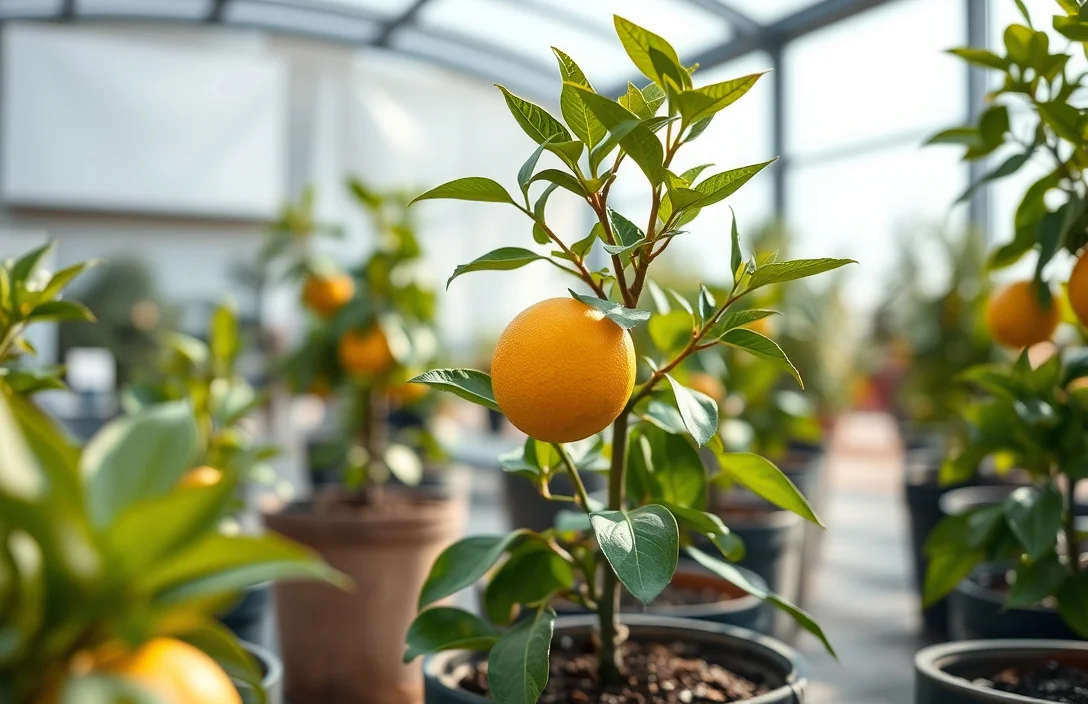
Fertilizer For Citrus Trees In Pots: How To Feed Right
Citrus trees in pots depend on you for nutrients because every watering washes some fertilizer out of the container. Underfeeding turns leaves pale and slows growth. Overfeeding can burn roots and trigger leaf drop. Most “pot citrus” fertilizer problems come down to getting the right NPK balance, feeding at the right times, and preventing salt buildup.
Fertilizer for citrus trees in pots means supplying nitrogen (N), phosphorus (P), and potassium (K) plus key micronutrients because potting mix loses nutrients over time and gets diluted with every watering. Use an NPK-balanced fertilizer like 4-4-4 or 6-3-7, and feed during active growth while easing off in colder months. Best results come from matching the product to your pot size and how often you water.
Choosing fertilizer is only half the job. The other half is applying it in a way that doesn’t salt up the pot. Container citrus can stay productive for years when you follow a consistent routine and use the tree’s leaf color and growth to guide adjustments.
Key Takeaways
- Use the right NPK. Pick a citrus-appropriate ratio. Phosphorus supports roots and fruiting, potassium supports flowering, and nitrogen supports leaf growth.
- Feed on a schedule. Citrus grows in flushes, so fertilize during active growth and reduce in winter.
- Avoid salt buildup. Leach the pot occasionally with plain water to rinse out excess soluble salts.
- Prefer slow-release or organics. Slow-release granules reduce nutrient spikes and usually last longer per application.
- Micronutrients matter. Citrus can show problems when iron or other micros run low, especially in containers.
- Start light. Begin with a lower dose, then adjust based on leaf color and vigor.
What to Know About fertilizer for citrus trees in Container citrus
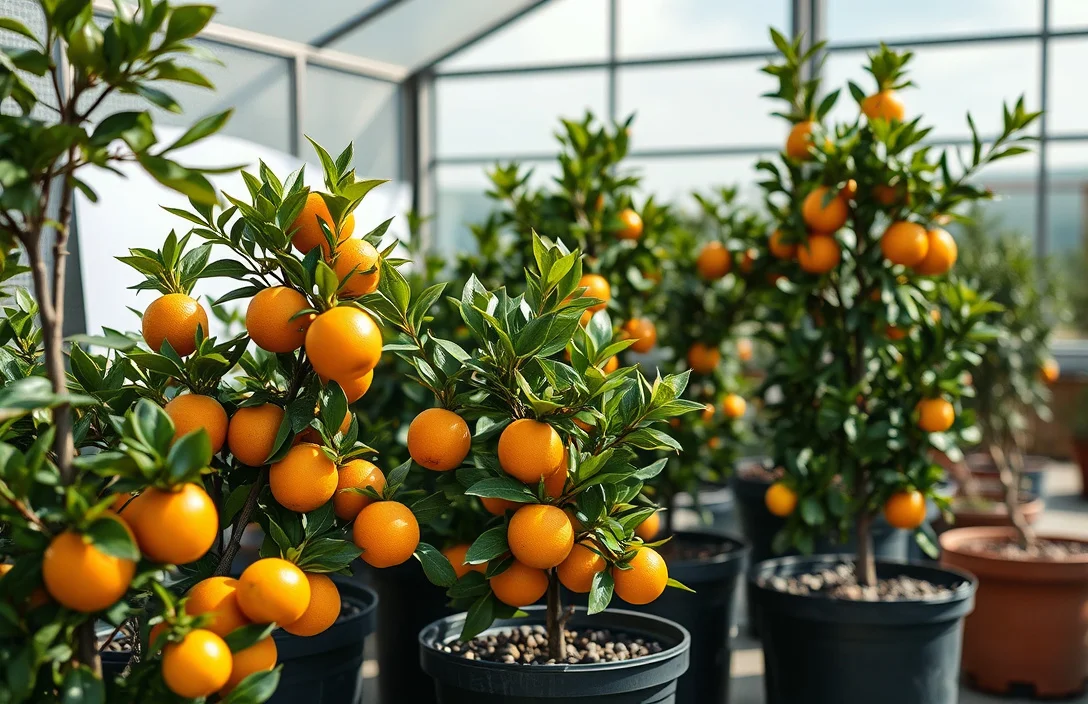
Container citrus needs fertilizer because potting mix nutrients are limited and wash through drainage holes. In ground soil, roots spread out and the surrounding earth helps buffer nutrient swings. In a pot, you replace that buffering. The goal is steady nutrition, not big one-time doses.
Most fertilizers are sold as NPK formulations, meaning they contain nitrogen (N), phosphorus (P), and potassium (K). Nitrogen drives leaf growth and stems. Phosphorus supports roots, flowers, seeds, and fruit. Potassium supports strong stem growth, helps water move through the plant, and promotes flowering and fruiting. Micronutrients like iron and zinc still matter because citrus cannot “eat” only NPK and ignore the rest.
Fertilizer timing and application type change what happens. Granular fertilizers (including slow-release blends) feed gradually. Liquid fertilizers push nutrients faster, which is helpful when you’re consistent but risky when you apply too frequently. Overdoing soluble fertilizer in a pot can build up salts, and salt stress can look like nutrient deficiency at first.
Accept one hard truth about containers: some of what you add eventually leaves the pot. You are not only feeding the tree. You are also managing what remains in the container between waterings. Match fertilizer type, dose, and watering practices, and citrus usually stays greener, more consistent, and less prone to leaf drop.
Things that matter most
Use these key points to make the next decision easy: what fertilizer to buy and how much to apply.
First, pick fertilizer based on the NPK ratio. All-purpose blends like 4-4-4 are common for many plants, and tested citrus-friendly options include Jobe’s Organics All-Purpose Granular Fertilizer at 4-4-4, Burpee Natural Organic All-Purpose Plant Food at 4-4-4, and Jobe’s Organics Annuals and Perennials Plant Food at 3-5-4. If you want more potassium, Sunday All-Purpose Plant Food Mix is listed as 6-3-7 (higher K). These can work for container citrus when you also provide micronutrients as needed.
Second, choose slow-release granules versus liquid feeding. Slow-release granules are more forgiving and help prevent nitrogen spikes between watering cycles. Liquid fertilizers give you fast control, but you have to follow label rates because nutrients go into solution right away.
Third, match feeding to the tree’s growth cycle. Citrus grows most when temperatures and daylight support flushes, then slows when conditions drop. Fertilize more regularly during active growth. Cut back in cooler or lower-light periods to avoid building excess salts the tree cannot use.
Fourth, plan for micronutrients and pH. Many container “deficiency” symptoms show up as micronutrient availability issues, not missing NPK. Iron availability can drop in certain pH ranges, and container potting mixes can drift over time. Fertilizers made for citrus often include the micro package, which makes them a simple choice for beginners.
Fifth, manage watering so fertilizer does not turn into salt stress. Fertilizer salts are most concentrated right after feeding, then diluted and moved through the pot as you water. If you rarely leach, salts can accumulate in the root zone and burn roots even when the fertilizer “seems appropriate.”
Tips for fertilizer for citrus trees in
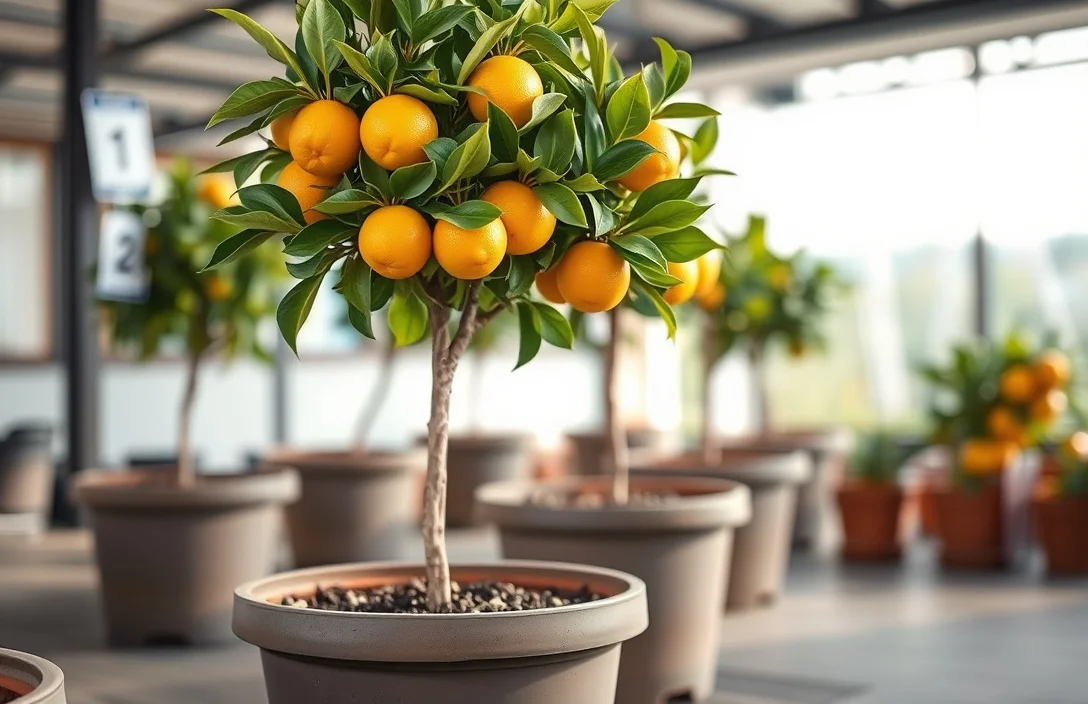
Container citrus punishes guesswork fast. Use these tips to prevent burned roots, pale leaves, and leaf drop.
Start with dose control. For your first application, use the label rate as a ceiling, not the target. If you’re using an all-purpose 4-4-4 type product, begin lighter than the maximum dose because potted citrus often has less root volume than people expect.
Feed with pacing, not desperation. When growth is slow, don’t double fertilizer immediately. Give the tree one cycle (and one watering rhythm) to respond, then adjust. Citrus often responds over weeks because new growth flushes are seasonal.
Water to prevent salt buildup. Run plain water through the pot occasionally until you see a steady stream drain from the bottom, then stop. Do this after feeding or when you notice crusty residue on the potting mix surface. Leaching flushes accumulated salts while you continue normal feeding after.
Avoid fertilizer on dry roots. If the pot is bone dry, water first, then fertilize after. Dry roots are more vulnerable because dissolved salts concentrate around the root zone.
Spot the pattern that tells you what’s wrong. Pale yellowing leaves with greener veins can point to iron or other micronutrient issues. Very dark green leaves with weak flowering or fruiting can point to too much nitrogen. Leaf scorch or leaf drop often tracks back to overfeeding or salt buildup. When you correct the approach, watch for new growth rather than expecting old leaves to recover overnight.
Apply with “safe timing” in mind. Granular fertilizer is usually top-dressed and watered in lightly. Liquid fertilizer is mixed with water and applied so it reaches the root zone. Keep product off the trunk and leaves when possible, because concentrated fertilizer can leave spots or irritate tissue.
Benefits of fertilizer for citrus trees in
Fertilizer helps citrus in pots because it replaces nutrients the tree cannot easily recover from limited container volume.
A well-fed citrus tree builds stronger vegetative growth, which sets up later flowering and fruiting. Nitrogen supports leaf growth and stems, so adequate N helps the tree build the canopy that powers photosynthesis. Potassium supports water movement in plants and promotes flowering and fruiting, which links balanced K to fruit set.
Phosphorus supports roots and the reproductive cycle. Fertilizer blends with phosphorus help roots develop so the tree drinks reliably in warm weather. In containers, root health matters even more because limited pot volume makes moisture stress more severe.
Micronutrients are the quiet payoff. Citrus can look green while still struggling if iron or other micros are unavailable. Fertilizers formulated for citrus and fruit trees often include a micronutrient package, which lowers the chances of misdiagnosing an issue as “just NPK.”
Fertilizer also makes your watering plan work better. Without nutrients, the tree cannot use water effectively, so growth stays inconsistent. With steady fertilizing, citrus often maintains leaf color more reliably and produces more predictable flushes.
Correct feeding also improves resilience. Container citrus responds to stress differently because roots are confined. A well-nourished tree is more likely to hold onto growth and rebound when temperature or light dips.

Helpful pick
Miracle-Gro Shake ‘N Feed Citrus, Avocado, Mango Plant Food – Fertilizer for Container and In-Ground Plants, Citrus, Avocado and Mango Trees, 4.5 lbs.
Provides steady, balanced nutrition for container citrus, supporting growth, flowering, and fruiting in limited pot space.
Options for fertilizer for citrus trees in
You have several fertilizer paths that work for citrus in pots. The best choice depends on whether you want convenience or tight control.
Granular all-purpose blends (simple, widely available)
Granular fertilizers are easy to apply and usually lower the risk of nutrient spikes. Tested picks include:
- Jobe’s Organics All-Purpose Granular Fertilizer, 4-4-4, 4 pounds
- Burpee Natural Organic All-Purpose Plant Food, 4-4-4, 4 pounds
- Dr. Earth Organic and Natural Home Grown Fertilizer, 4-6-3, 4 pounds
- Jobe’s Organics Annuals and Perennials Plant Food, 3-5-4, 4 pounds
- Sunday All-Purpose Plant Food Mix, 6-3-7, 4 pounds
These can work well for container citrus as long as micronutrients are covered by the fertilizer itself or supplemented separately if your tree needs them.
Liquid fertilizers (fast control)
Liquid options fit if you prefer frequent, smaller doses. A tested liquid option includes GS Plant Foods Organic Fish and Kelp Blend with a 2-3-1 NPK ratio (32 fluid ounces). Liquid fertilizers give quick results, but they demand consistency because they act immediately.
Slow-release fertilizers (low stress)
Slow-release fertilizers release nitrogen and other nutrients gradually. Even with a balanced NPK, slow-release products tend to reduce root burn risk because nutrient concentration rises more smoothly.
Citrus- or fruit-tree-specific fertilizers (least guesswork)
Fertilizers labeled for citrus or fruit trees are often the easiest path for beginners. They typically combine an appropriate NPK blend with micronutrients. If you’ve battled yellow leaves or inconsistent growth, this label-specific route often saves time.
Organic vs synthetic
Organic fertilizers are often lower odor and usually release nutrients more gently. Synthetic fertilizers work well, but in pots they require careful dosing to avoid salt buildup and leaf burn.
Here’s a practical comparison based on the tested product types and NPK ratios:
| Fertilizer option | Example products (from tests) | NPK ratio | Best for | Trade-off |
|---|---|---|---|---|
| Granular all-purpose | Jobe’s Organics All-Purpose, Burpee Natural Organic | 4-4-4 | Most containers, easy dosing | Micronutrients may still need attention |
| Granular higher potassium | Sunday All-Purpose | 6-3-7 | Encouraging flowering and fruiting | Too much N can still happen if overfed |
| Granular organic balanced | Dr. Earth Organic Home Grown | 4-6-3 | Root support and steadier growth | Release rate depends on product style |
| Liquid organic | GS Plant Foods Fish and Kelp | 2-3-1 | Frequent control, smaller feedings | Faster action means more consistent schedule |
| Slow-release style | (varies by brand) | (varies) | Beginners who want less risk | Can be less responsive if you need quick correction |
| Citrus/fruit-tree specific | (varies by brand) | (varies) | Fewest guesswork | More expensive than basic blends |

Helpful pick
Jobe’s Organics Granular Garden Fertilizer, Easy Plant Care Fertilizer for Fruit and Citrus Plants and Trees, 4 lbs Bag
Granular, easy-to-apply fertilizer designed for fruit and citrus plants, offering convenient, widely available nutrition for pots.
Expert Advice on fertilizer for citrus trees in
Treat container citrus like a controlled system: nutrient supply plus salt management plus root health.
My clearest recommendation is to use fertilizer that matches both the tree’s stage and your watering reality. If you water inconsistently or let the pot dry out sometimes, slow-release granular fertilizer is usually safer than frequent liquid feeding. If you water regularly and want precise control, liquid feeding can work, but only if you stick to the schedule and avoid “catch-up” doses.
Prioritize micronutrients when leaves show trouble. Many people reach for nitrogen when the real issue is iron availability or another micronutrient deficiency. In pots, this shows up sooner because there is no surrounding soil buffer and potting mix conditions can drift.
Don’t ignore pot size. Small pots need a gentler approach because limited root volume concentrates salts faster. Larger pots can handle more nutrients and more frequent feeding, but only if drainage stays excellent and you still leach occasionally.
Aim for steady growth instead of forcing blooms. Overfeeding, especially with nitrogen-heavy fertilizer, can produce lots of leaves and fewer fruits. Citrus performs best when you support growth through the active season rather than pushing with heavy doses.
Build your routine around seasonal temperature. In winter, indoor and outdoor conditions shift, and citrus growth slows. If growth slows, fertilizing at full summer rates just adds salts to a root system that cannot use them.
Keep it simple and track one indicator. Use leaf color and new growth rate as your feedback loop. Healthy green leaves and new flushes mean you’re on track. Pale, scorched, or dropping leaves mean you should reduce fertilizer strength or frequency and consider a leaching flush.

Helpful pick
Down To Earth All Natural Fertilizers Organic Citrus Mix – Plant Food for Lemons, Limes, Oranges and Avocados 6-3-3, 5 lb
Organic citrus mix supports steady pot-grown nutrition while moderating salts and protecting root health through steady feeding.
Examples: fertilizer for citrus trees in
Use these “if this, then that” scenarios to match fertilizer choices to what you’re seeing in container citrus.
If you bought an orange or dwarf lemon tree in a nursery pot and want the simplest setup, start with a granular balanced fertilizer like a 4-4-4 product such as Jobe’s Organics All-Purpose Granular Fertilizer. Follow the label, but use a conservative rate at first because the tree is in a limited container. Water normally, then leach the pot occasionally to prevent salt buildup.
If your container citrus pushes strong leafy growth but does not flower or fruit after a season, check nitrogen first. Switch to a fertilizer with slightly higher potassium relative to nitrogen, such as a 6-3-7 product like Sunday All-Purpose Plant Food Mix. Keep feeding consistent, but do not increase nitrogen further. Very dark leaf color is a clue to back off nitrogen instead of adding more.
If yellowing leaves persist even after fertilizing, treat it like an “it’s not just NPK” problem. Switch to a fertilizer that includes micronutrients suitable for citrus, or add a micronutrient supplement if your product is missing them. Also confirm you’re not keeping the pot soggy or too dry, since root stress can worsen nutrient uptake.
If you’re overwintering citrus indoors with lower light and slower growth, reduce fertilizer frequency rather than continuing summer feeding. With liquid fertilizer, you can usually extend the interval so you aren’t feeding when the tree cannot use the nutrients.
If you use liquid fertilizer but you tend to forget schedules, switch to granular feeding. Liquids like the 2-3-1 GS Plant Foods Fish and Kelp Blend can work well, but they punish missed doses because nutrients act quickly. Slow-release or granular programs reduce the risk that a missed feeding turns into a rushed correction.
FAQ
What NPK fertilizer is best for citrus trees in pots?
Balanced fertilizers around 4-4-4 work well for many container citrus setups because they supply nitrogen (leaf growth), phosphorus (roots and fruiting support), and potassium (flowering and water movement). Tested all-purpose granular products include 4-4-4 options, plus a higher-potassium blend of 6-3-7. If yellowing keeps showing up, the next step is adding micronutrients for citrus, not only changing NPK.
How often should I fertilize potted citrus?
Feed citrus more often during active growth, then reduce fertilizing in cooler or low-light months when growth slows. Many growers follow label schedules for granular fertilizers and cut frequency for winter. With liquid fertilizer, consistency matters more than total amount, so use smaller doses on a regular interval instead of occasional heavy feedings.
Can I use Miracle-Gro or other general garden fertilizer on citrus?
You can use general fertilizers if they provide an appropriate NPK balance and include (or you supplement) the micronutrients citrus needs. Many all-purpose fertilizers are primarily NPK nutrition. Citrus in containers often needs more than that if the product lacks a micronutrient package. Watch leaf color closely and address iron or other micros if yellowing begins.
How do I prevent fertilizer burn in container citrus?
Use moist roots (water first), follow label rates, and start a little lower if you’re unsure. Leach the container occasionally with plain water to flush salt buildup. Fertilizer burn often appears as scorched leaf edges or leaf drop after feeding. If symptoms show up, stop fertilizing for a bit and leach the pot thoroughly before resuming at a lower rate.
What’s a common mistake people make with citrus fertilizer in pots?
Overfeeding and salt buildup are the most common issues. They happen when people fertilize too frequently or forget that a pot has limited drainage buffer compared with ground soil. Look for leaf scorch, declining vigor, and crusty residue on the mix. The fix is simpler than most people expect: reduce feeding frequency and leach the pot.
A good fertilizer plan for citrus in pots is steady NPK support, micronutrient coverage, and salt management. Start with a balanced granular fertilizer (like a 4-4-4 type), fertilize during active growth, leach occasionally, and adjust based on new flushes and stable leaf color.

- 10 Best Slow Cooker For Mess Free Cooking 2026 (Tested And Reviewed) - October 24, 2026
- 10 Best Slow Cooker With Leak Resistant Lid 2026 (Tested And Reviewed) - October 24, 2026
- 10 Best Slow Cooker With Spill Proof Design 2026 (Tested And Reviewed) - October 24, 2026