Ceramic Vs Cast Iron Cookware: Which To Choose
Cast iron cookware wins for many home cooks because it tolerates high heat and keeps performing for years with minimal fuss. Ceramic cookware usually cleans up easier, and its slick surface can feel naturally nonstick – when you treat it gently. This guide compares ceramic vs cast iron on heat control, cooking results, durability, maintenance, and cost, then matches the material to how you actually cook.
Ceramic vs cast iron cookware: the verdict
Pick cast iron if you want the most heat tolerance and long-term durability. Pick ceramic if you want easy cleanup and lighter pans.
Cast irons are metal and usually handle rough use well. Ceramics are typically more brittle and need gentler handling – especially avoiding thermal shock and chips.
Key Takeaways
- Choose cast iron for high-heat cooking and long service life.
- Choose ceramic for lighter weight and easier day-to-day cleaning.
- Heat shock matters more with ceramic, so avoid rapid temperature swings.
- Ceramic can scratch faster than seasoned cast iron, especially with metal utensils.
- Cast iron needs seasoning sometimes, but it improves with use over time.
- Buy the right size and match it to your burner, oven, and daily cooking.
What to know about ceramic vs cast iron cookware
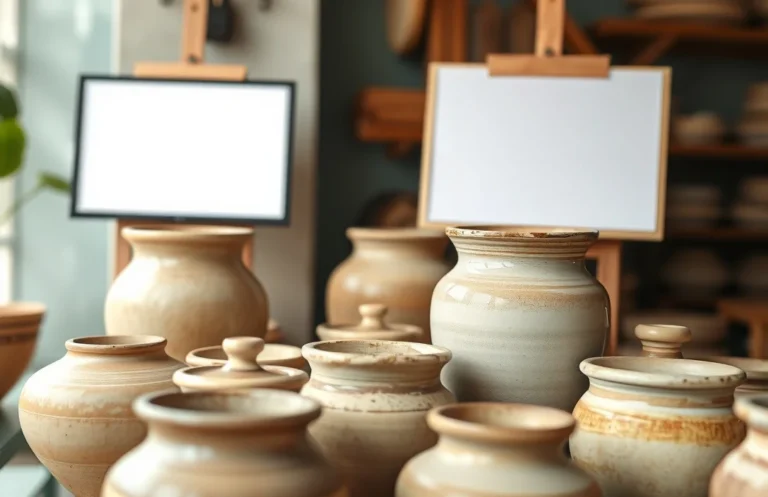
Cast iron cookware cooks with heat stored in thick iron. It rewards steady, higher-heat cooking and holds temperature longer than many lighter pans. Ceramic cookware usually comes in two forms: a ceramic-coated pan or a ceramic piece. Either way, it relies on its surface for easier release and quicker cleanup. Those surface differences drive most of the day-to-day tradeoffs.
The real dividing line is how each material handles stress. Ceramics are more brittle than metals. Drops, chips, and rapid heating or cooling can damage ceramic faster than cast iron. Cast iron takes abuse better, but it has its own upkeep requirements, especially around seasoning and rust prevention.
If you want performance, skip the “which is better” debate and ask a sharper question: which matches your habits. Stirring constantly, searing often, using metal utensils, or cooking at very high heat pushes you toward cast iron. Low-and-slow meals and occasional browning, plus a preference for low-maintenance surfaces, points toward ceramic.
Things that matter most
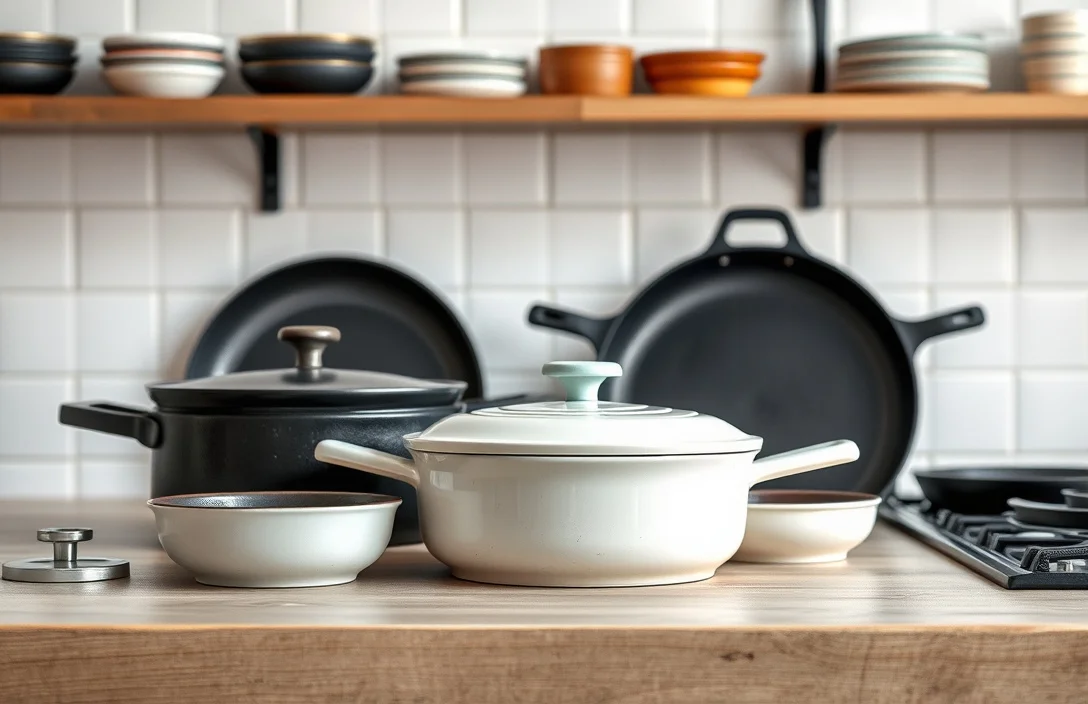
Cast iron typically wins when you want versatility: oven-to-stovetop cooking, strong searing, and consistent browning. It also offers a surface you can “renew” through seasoning – a thin oil layer that builds up with repeated use. If you want a pan that gets better as you learn it, cast iron is hard to beat.
Ceramic typically wins when you want convenience, especially after cleanup. Ceramic-coated cookware releases food with less sticking than many uncoated metal options, which can make weeknight cooking feel easier. The tradeoff is wear: the coating or ceramic surface can chip or thin over time, reducing nonstick performance.
Here are the practical decision points that matter most:
- Heat tolerance – Cast iron handles high heat better in routine home use.
- Nonstick behavior – Ceramic can be slick, but it’s less forgiving if you abuse the surface.
- Damage resistance – Cast iron tolerates knocks better; ceramic can chip.
- Maintenance – Cast iron may need seasoning and dry storage; ceramic typically needs gentler cleaning.
- Utensils – Ceramic prefers soft tools; cast iron tolerates more.
Tips for ceramic vs cast iron cookware
Ceramic cookware starts with handling. Don’t drop it. Don’t scrape aggressively. Avoid big temperature swings, like moving a hot ceramic pan straight into cold water. If the pan is coated, treat the surface like a finish, not bare metal.
Preheat habits matter. Ceramic-coated pans usually do best with moderate preheating and patience before food goes in. Sudden high heat can stress coatings. For sticky foods, add oil and let the pan heat evenly before you commit.
Cast iron works best when you respect the seasoning cycle. Dry it thoroughly after washing and store it in a dry place. Avoid soaking it for long periods. If food starts sticking, the usual fix is re-seasoning and continued cooking – not replacing the pan.
Technique matters with both. Ceramic pans can punish high-heat “overcooking” faster if you keep letting oil burn. Cast iron can caramelize beautifully when you preheat properly before adding oil and food.

Helpful pick
CAROTE Ceramic Cookware Set Nonstick, 16pcs Pots and Pans Set Nonstick, Non-Toxic & PFAS-Free, Dishwasher, RV/Camping Cookware Set, Cooking Pots with Lids, Charcoal Black
Demonstrates ceramic care with safe handling, gentle cleaning, and temperature-aware use that match the tips.
Benefits of ceramic vs cast iron cookware
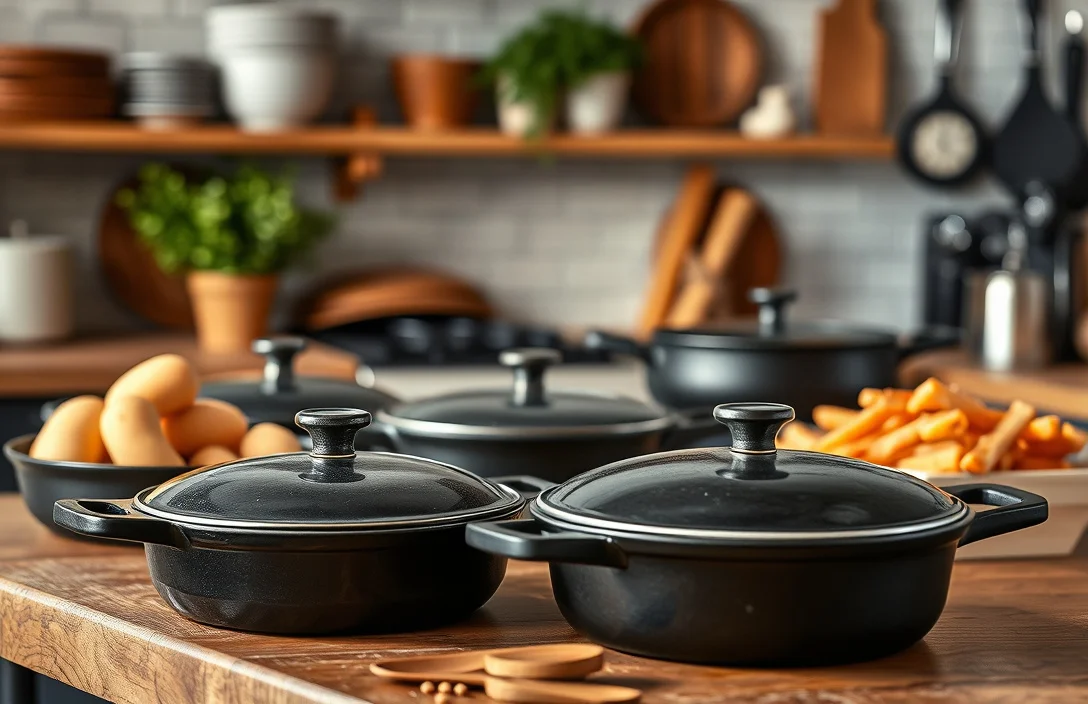
Ceramic cookware delivers convenience and an easy-release feel, especially for eggs, pancakes, and delicate foods. Many ceramic surfaces reduce the amount of butter or oil you need, which also makes cleanup faster. Ceramic cookware is often lighter too, so it’s easier to maneuver during daily cooking.
Cast iron delivers durability and performance under harsh conditions. It’s excellent for browning, searing, and oven cooking, where thermal mass and even heat matter. Over years, properly seasoned cast iron can develop a nonstick-like surface that doesn’t depend on a coating.
Ceramic is the better “day-to-day cook” choice when you want less maintenance and you cook at moderate temperatures. Cast iron is the better “long-term kitchen tool” when you want one pan for searing, roasting, and repeated use without worrying about scratching a coating.
If you want a blunt verdict: ceramic is about convenience, cast iron is about resilience.

Helpful pick
SENSARTE Nonstick Ceramic Frying Pan with Lid 8/9.5/10/11/12.5 Inch Omelet Pan Skillet, Free of Intentionally Added PFAS/PTFE Non-toxic Chef’s Pan Induction Compatible Pan, Heat Resistant Handle
Showcases the easy-release nature of ceramic, reducing oil use and making cleanup quicker.
Options for ceramic vs cast iron cookware
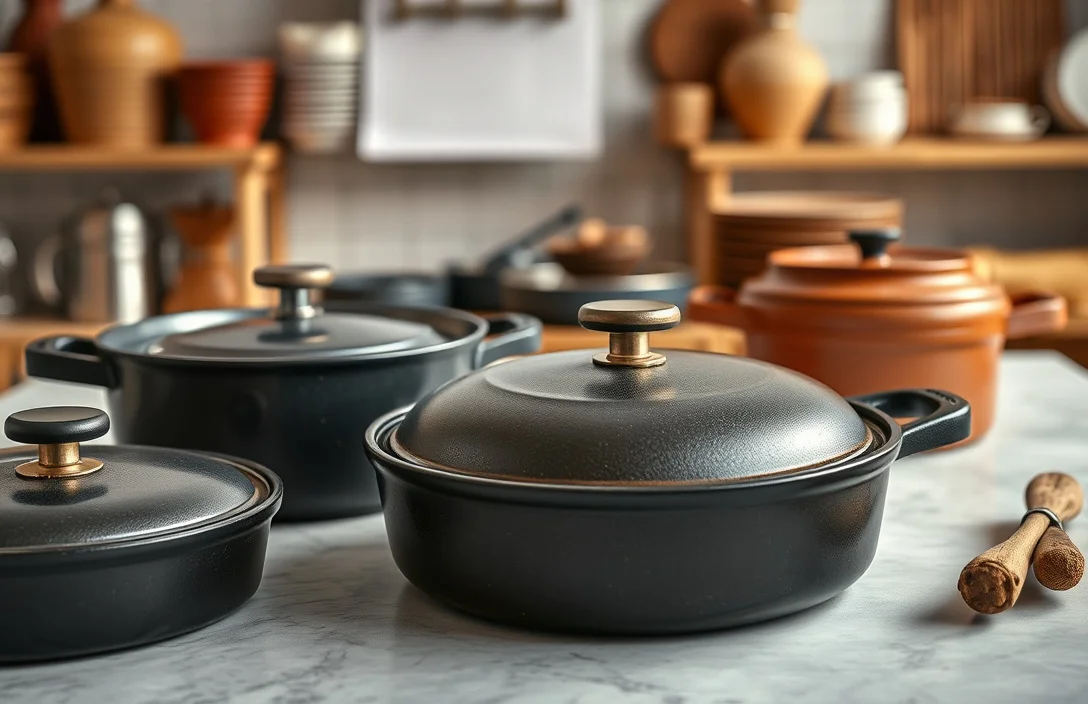
Choose the style that matches your workflow. For ceramic, look for quality coatings and a pan shape that fits how you cook – a skillet for searing and a deep skillet for sauces. For cast iron, decide whether you want a fully seasoned skillet, an enameled cast iron Dutch oven, or a lighter cast iron skillet if heavy pans annoy you.
Here’s a practical comparison based on what you care about most:
| Cookware type | Key spec (what to look for) | Best for | Main tradeoff |
|---|---|---|---|
| Ceramic-coated skillet | Thick, even ceramic coating, comfortable handle | Eggs, quick weeknight meals, easy cleanup | Coating can chip or wear if abused |
| Ceramic casserole / dish | Glazed ceramic, stable base | Baking and oven meals | More fragile than metal if dropped |
| Cast iron skillet (seasoned) | Thick base, smooth cooking surface | Searing, browning, oven finishing | Needs drying and periodic seasoning |
| Enameled cast iron | Enamel interior, matching lid | Stews, braises, low fuss | Enamel can still chip if hit hard |
For “default buying,” I usually recommend cast iron skillets for people who cook meat, want strong browning, or want one pan that can live in the oven. I recommend ceramic-coated skillets for people who cook lighter foods most of the time and want a surface that feels low-effort from day one.
Pick based on your biggest annoyance. If sticking and cleanup annoy you, ceramic-coated pans often feel like relief. If heat control and consistent searing matter most, cast iron usually feels smoother.
Helpful pick
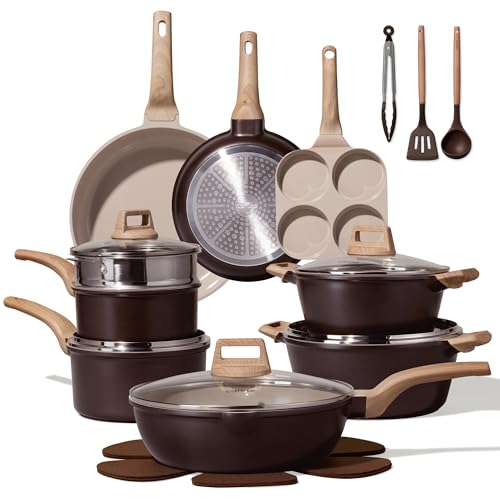
CAROTE 21 PCS Ceramic Cookware Set, Pots and Pans Set Non Stick, Pot and Pan Set with Frying Pan, Induction Ready Cooking Set for Kitchen, PFOS/PFOA/PFAS Free, Brown
Showcases a large ceramic nonstick set with PFOS/PFOA/PFAS-free coating and versatile pieces.
Expert advice on ceramic vs cast iron cookware
Choose cast iron if you sear often, cook at higher heat, and use metal utensils. Metal contact and routine kitchen abuse don’t scare cast iron the way they can damage a ceramic surface. Cast iron also rewards learning: preheating correctly and maintaining seasoning makes a noticeable difference.
Choose ceramic if you want low-friction cooking and easy cleanup, and you’re willing to treat the surface carefully. Ceramic suits cooks who stick with plastic or silicone utensils and avoid scraping hard. If you tend to drop pans into sinks or rinse immediately under cold water after cooking, ceramic becomes a higher-risk purchase because ceramics are more brittle than metals.
One rule applies to both: preheat properly. With cast iron, preheat until hot enough to sizzle when oil hits. With ceramic, preheat more gently to avoid shocking the surface, then cook with moderate heat unless the product’s label explicitly supports higher temperatures.
Examples: ceramic vs cast iron cookware
If you make breakfast for a family and want the pan to feel effortless, a ceramic-coated skillet is a strong pick. Eggs release more easily, cleanup is faster, and you don’t have to build seasoning before you get good results. Avoid metal spatulas scraping aggressively, and avoid thermal shock like splashing cold water into a hot pan.
If you regularly cook burgers, steak, or chicken thighs and want a real crust, a cast iron skillet usually performs better. Cast iron holds heat during searing, which helps browning. You’ll likely do some seasoning care at the start, but the payoff is consistent across many meals.
For one-pan meals like skillet cornbread, a cast iron skillet moves from stovetop to oven easily. For softer baked casseroles, a ceramic baking dish works well, but it deserves more delicate handling. The difference comes down to how you store and treat your cookware: cast iron earns rough use; ceramic asks for care.
FAQ
1) Is ceramic cookware better than cast iron for nonstick?
Ceramic cookware often feels more nonstick right out of the box, especially for eggs. Cast iron can become nonstick too, but it depends on seasoning quality and how you preheat and cook. If you want easy release with minimal learning, ceramic-coated pans are a better starting point.
2) How much does ceramic vs cast iron cookware cost in the US?
Ceramic-coated skillets and dishes vary widely in price, but entry-level options are often cheaper than a high-quality cast iron skillet. Cast iron ranges from inexpensive basics to premium makers, and enameled pieces cost more than basic seasoned pans. The best value is usually the one you’ll actually use regularly.
3) Can ceramic cookware go in the oven?
Many ceramic-coated products are oven safe within a stated temperature limit, but not all of them are. Ceramic dishes are commonly oven safe, yet they still have handling rules. Check the product label for maximum oven temperature before you bake.
4) What is the biggest safety concern with ceramic cookware?
The biggest practical safety issue is breakage or chipping from drops and impacts. Ceramics are more brittle than metals, so a fall can create sharp edges or expose areas where food sticks. Treat ceramic cookware like glassware, and avoid thermal shock.
5) What’s the most common mistake people make with cast iron?
Leaving cast iron wet or soaking it for long periods is the usual mistake. It encourages rust and can damage seasoning. Dry it right after washing, then store it in a dry place so the seasoning stays intact.

- 10 Best Slow Cooker For Slow Cooking Oxtail 2026 (Tested And Reviewed) - October 16, 2026
- 10 Best Slow Cooker For Slow Cooking Venison 2026 (Tested And Reviewed) - October 16, 2026
- 10 Best Slow Cooker For Slow Cooking Turkey 2026 (Tested And Reviewed) - October 16, 2026