Cookware Recoating Service Near Me Explained Simply
A cookware recoating service near you is only half the decision. The other half is whether your pan is a good recoating candidate, because recoating can’t fix warped metal, deep pitting, or structural failure. Start by identifying the base metal (stainless steel, aluminum, cast iron) and the current surface finish (ceramic, nonstick, enamel, or bare metal with wear).
Before you call, gather three things: photos of the inside and outside surface, the approximate pan size (for example, a 10-inch skillet versus a 12-inch), and a damage description (scratches only, flaking, discoloration, or corrosion spots). When you talk to a shop, you’re not asking, “Can you do it?” You’re asking whether they will (1) clean and strip correctly for your base and (2) coat with a finish system designed for cooking contact.
A lot of customers get stuck here. Shops that do general metal coating may not run a cookware-specific, food-contact workflow. If the shop doesn’t clearly talk about food-safe materials, controlled curing, and cookware handling, your risk rises quickly. My rule is to treat recoating as a refinish, not a repair – and to only proceed with a shop that documents the process enough for you to verify it.
Which Cookware Materials Need Recoating
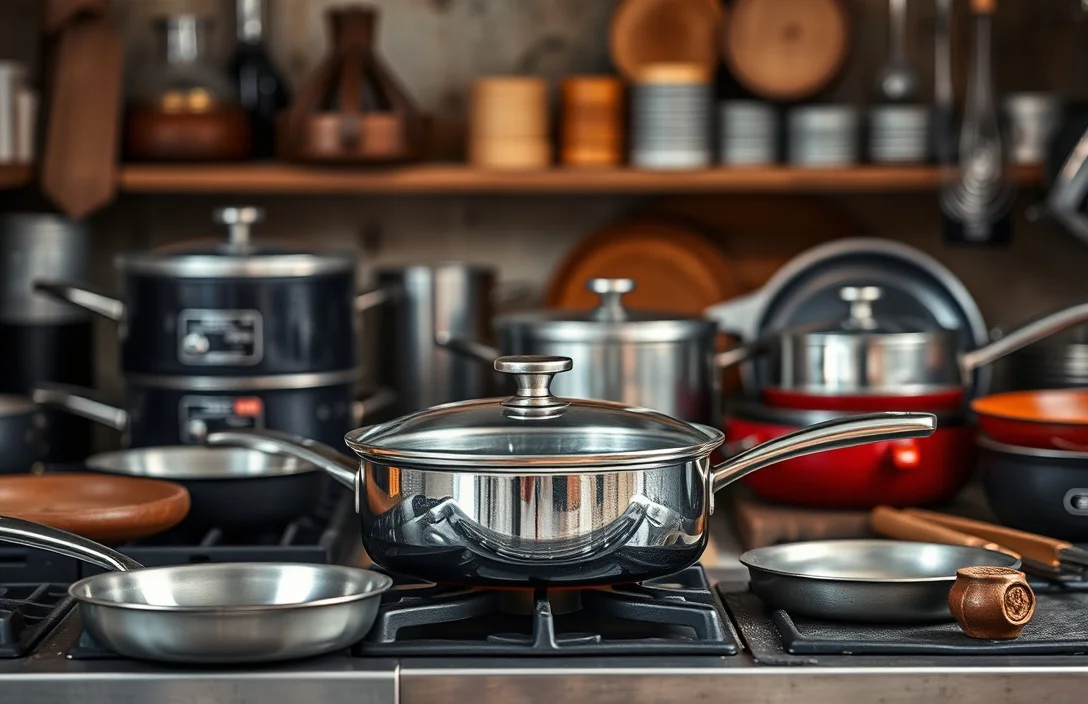
Most recoating jobs fall into three buckets: the base metal is fine, but the surface finish is worn; the surface is damaged but not corroded through; or you’re restoring an enamel look. The materials that need recoating are the ones where the performance layer failed, not the pan’s structure.
Nonstick coatings (often called “Teflon,” even when it’s not the exact same trademark) usually need recoating when the surface is scratched, sticky, patchy, or flaking. Ceramic-style coatings typically need recoating when they lose smoothness, develop pinholes, show staining that won’t clean up, or wear from abrasion. Enamel cookware typically needs recoating when the glossy finish chips, rust spots appear under the enamel, or the finish cracks and allows moisture underneath.
Some pans are poor candidates because the problem goes deeper than the top layer. If aluminum has corrosion that’s eaten into the metal, if stainless has pitting you can catch with a fingernail, or if cast iron is warped from heat abuse, recoating won’t restore original integrity. In those cases, replacement can be cheaper than paying for a redo, because the new coating can only bond to what’s solid.
Use this checklist to judge whether recoating is likely to help:
- Surface wear only (scratches, scuffs, dulled finish) – usually a yes.
- Flaking or peeling coating – often recoatable if the shop can strip fully.
- Light discoloration – maybe, depending on whether it’s staining versus damage.
- Rust under coating or pitting – risky unless the shop can remove all compromised material.
- Warping or structural cracks – usually no.

Helpful pick
Advanced Graphene Ceramic Coating for Cars(70ML),12H Graphene Coating for Auto Car Detailing,10+ Years of Long Lasting Car Protection,Gloss Hydrophobicty Anti Scratch
Restores surface wear with a durable graphene layer, renewing gloss and protection after proper prep.
Ceramic, Teflon, and Enamel Recoating Options
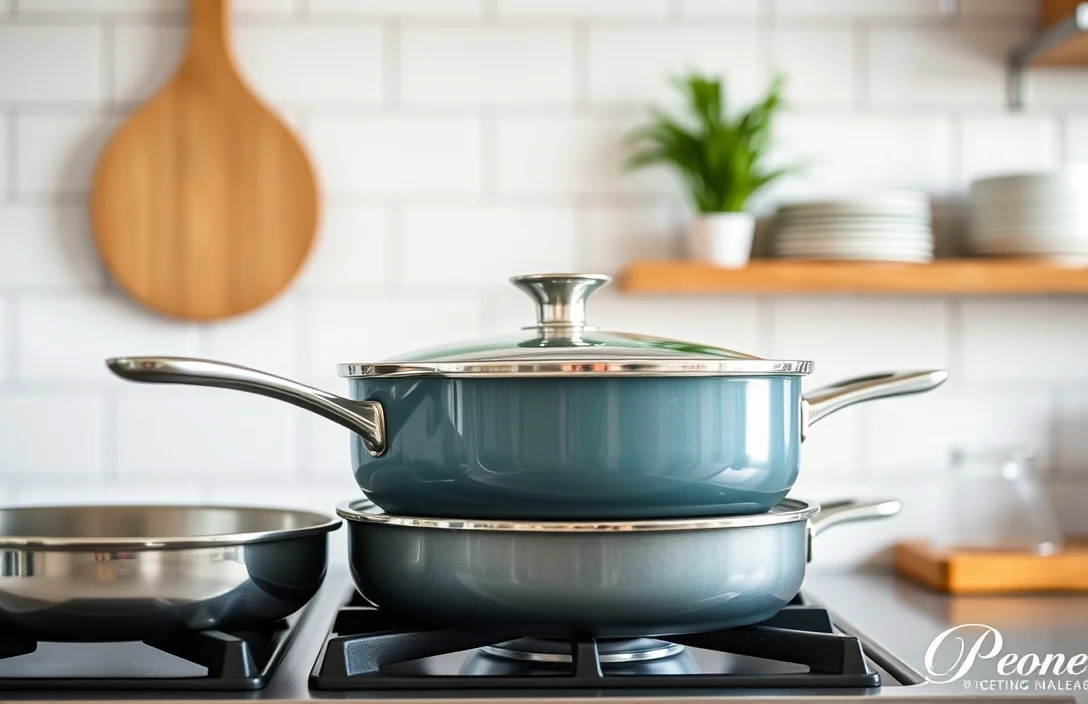
Ceramic recoating restores a cooking surface that stays smooth and easy to clean. Most shops offer ceramic-style finishes for aluminum or stainless cookware, but performance depends on surface prep and curing. Ask whether they coat over an existing coating or strip to bare metal first, because “overcoating” is where adhesion problems start.
For nonstick, people often say “Teflon recoating,” but what matters is a food-contact, heat-rated nonstick system. The key is how the shop handles the existing layer. If your current nonstick is flaking, the recoater needs to remove it completely and prepare the substrate so the new nonstick bonds correctly. Ask for the temperature range the recoated surface is rated for, and whether the coating can handle metal utensils or requires silicone or wood only.
Enamel recoating works differently. Enamel is a glass-like coating system that hates cracks and rust underneath. If enamel is chipped down to metal, the shop has to assess whether they can remove corrosion and still build a continuous enamel coverage without creating weak spots. Enamel recoating is also a restoration option, since it can bring back a uniform glossy finish rather than only adding a nonstick layer.
To compare options quickly:
- Choose ceramic recoating when the pan is scratched, stained, or rough but the base isn’t corroded.
- Choose nonstick (“Teflon”-type) recoating when the coating is failing and the pan’s shape is still true.
- Choose enamel recoating when the cookware is enamel-coated and the finish is chipped, cracked, or rusted under the surface.
The best recoaters steer you away from the wrong system. If you bring in an enamel-coated Dutch oven expecting nonstick performance, a good shop will say it’s not a direct match for food-coating performance.
How to Compare Local Recoating Quotes
The fastest way to get burned is to compare only the headline price. Two quotes that both say “Recoating – $X per pan” can differ massively once you factor in stripping level, surface prep, coating type, and cure handling. The total cost includes the work you don’t see: labor to remove old coating, whether they sand or media-blast safely, and whether they test or inspect the result.
Ask for these specifics in writing:
1) What’s being coated (inside only, outside only, lids included or not)
2) Whether they strip to bare metal or coat over an existing layer
3) Prep steps (chemical cleaning, abrasive prep, rust removal)
4) Coating system (ceramic, nonstick, enamel) and the intended cookware type
5) Curing method (oven cure and how they control temperature)
6) Turnaround time and whether rush service exists
7) What the warranty covers (adhesion failure, peeling, surface defects) and the duration
Also ask about limitations up front. Some shops won’t recoat pans with cracks, warped bottoms, or certain unknown coating types. If they won’t share acceptance criteria, expect the process to be more unpredictable once you’re committed.
Use this comparison table for your notes as you collect quotes:

| Shop Quote | Total Price (Your Cookware) | Strip to Bare? | Turnaround | What’s Included | Warranty |
|---|---|---|---|---|---|
| Shop A | Yes / No / Unknown | Inside, outside, lid | |||
| Shop B | Yes / No / Unknown | Inside, outside, lid | |||
| Shop C | Yes / No / Unknown | Inside, outside, lid |
My rule of thumb: if one quote is much lower, it usually signals less stripping or weaker prep. Low bids can still be fine, but only if the quote spells out the same prep and cure controls as the others.

Helpful pick
Meguiar’s Ultimate Ceramic Coating Kit – Premium Kit for Cars Delivers Ultra-Durable Ceramic Protection with High Water Beading Action, Increased Gloss and Slickness, and Premium Microfiber Towels
Delivers ultra-durable ceramic protection with excellent beading and includes microfiber towels for easy quotes and comparison.
Recoat Timeline, Prep Steps, and Turnaround
A recoating job runs through three phases: intake inspection, surface prep (often the slowest part), and curing plus a final inspection. You don’t need to care about their internal workflow, but you do need to care about the practical outcome: how long your cookware is out of use and whether the finish will come back consistent.
Most shops won’t promise a single number because prep time depends on how damaged the coating is. Heavy flaking can add days because stripping and cleaning must be thorough to prevent later “lifting.” Light wear can move faster, but only if the shop confirms the surface is clean and properly prepared before coating.
Ask what “turnaround” means in their estimate. Some shops count only production time and exclude shipping or the wait to begin your job. Others include everything from the day they receive your cookware. Confirm whether transit time is included, and ask when they start the clock.
Prep steps you should expect to hear about (at least at a high level):
- Cleaning/degreasing to remove oils and residue that block coating bonding.
- Coating removal or substrate prep when the old finish is failing.
- Rust removal if corrosion appears under an enamel coating.
- Surface conditioning so the new finish wets out and adheres evenly.
- Controlled cure in an oven using proper temperature and time.
If a shop won’t explain prep steps beyond “we recoat it,” treat that as a red flag. The coating system matters – prep is where adhesion is won or lost.
Finally, ask about seasoning or initial use. Even the best nonstick recoating typically comes with strict first-use instructions, like using low heat and avoiding aggressive cleaning. If they don’t provide written usage guidance, you’ll be guessing – and guessing is how finishes fail early.
What Warranty and Guarantees Should You Require
A recoating warranty is the difference between a worthwhile refinish and an expensive experiment. You’re paying for a surface layer that will face heat cycles, abrasion, and cooking oils. If the coating peels, bubbles, or flakes due to adhesion failure, you need a defined remedy.
At minimum, require a warranty that covers:
- Delamination or peeling (coating separating from the base)
- Finish defects that show up shortly after recoating (like bubbling or uneven coverage)
- Reasonable rework or refund terms if the coating fails under normal use
Also ask about exclusions. Many shops limit coverage for damage caused by misuse, high-heat abuse, metal utensil scratching, or improper cleaning agents. That can be fair, but get exclusions in writing so you understand what “normal use” means.
Warranty duration matters too. A warranty that lasts only a few days is mostly paperwork. Look for coverage long enough to catch early adhesion problems and normal wear patterns. If the shop can’t provide a warranty duration, that’s an answer – move on.
Confirm the claim process before you ship:
- How you file the claim (photos, return shipment, inspection)
- Whether they require you to stop using the cookware immediately
- Whether they recoat, repair, or refund
My practical advice: choose the shop with the clearest warranty, even if it costs slightly more. The difference between “cheap redo” and “one-and-done” usually comes down to whether they stand behind adhesion and finish durability.

Helpful pick
Gtechniq Crystal Serum Light Ceramic Coating for Cars 50ml | Up to 5 Years Protection, High Gloss Shine, Swirl and Chemical Resistance
Gtechniq Crystal Serum Light (50ml) offers up to 5 years of protection, aligning with a reliable recoating warranty.
How to Verify the Finish After Recoating
Inspect your cookware when it returns, not after months of cooking. Catch unevenness, coating defects, or adhesion problems early so you can document them and address them while you still have leverage.
Start under bright light and scan for:
- Uneven color or gloss (especially near edges and handles)
- Bubbles, pinholes, or rough patches
- Runs or drips that can trap food and become hard to clean
- Thin spots at the rim and bottom where stress concentrates
Check smoothness with your fingers (carefully). You should feel a consistent surface, not sharp edges or raised coating. If the bottom coating feels rough, you’ll likely see food sticking and uneven cleaning.
Then do a safe first-use test exactly as instructed. If the shop specifies a curing or seasoning process, follow it even if it feels slow. Recoated nonstick surfaces are sensitive early on, and skipping steps can cause failures you can’t fully blame on the shop.
If you find an issue:
- Take photos immediately in consistent lighting.
- Stop using the cookware.
- Contact the shop with your paperwork and photos.
A good recoater treats the first week as part of the job. If they act irritated or dodge documentation when something looks wrong, that’s important information for your next decision.
FAQ
How much does a cookware recoating service cost in the US?
Pricing varies by pan size, coating type (ceramic, nonstick, enamel), and whether stripping is included. Because quotes can differ based on prep work, ask for a written breakdown, not just a total. If you see large price gaps, compare whether each quote includes stripping to bare metal and controlled cure.
How long does cookware recoating take?
Turnaround depends on surface damage and how much prep is needed. Plan for several days up to a couple of weeks, since stripping and curing take time and some shops batch jobs. Ask what “turnaround” includes (prep only versus prep plus shipping) so you can schedule cooking around it.
Is cookware recoating safe for food-contact use?
It can be, if the shop uses a food-contact coating system and cures it correctly using cookware-specific process controls. Ask what materials they apply and request written food-contact handling guidance, especially for nonstick and enamel. Avoid shops that don’t provide clear usage instructions for initial curing and cleaning.
What should I ask before I ship cookware to a recoating shop?
Ask if they strip the old coating, what prep steps they do, and what coating system they apply for your exact cookware material. Get the warranty terms and claim process in writing. Confirm whether they coat lids and handles, and what level of damage makes a pan ineligible.
What’s a common mistake people make with recoated cookware?
People often use high heat or metal utensils immediately after recoating, which can damage a new surface layer. Another common mistake is cleaning with harsh abrasives or wrong chemicals before the finish fully cures based on the shop’s instructions. Follow the initial use and cleaning guidance exactly, and document any defects right away.
If you want the most reliable recoating decision, call two shops and ask the same set of questions from the quote comparison list. Choose the one that clearly explains stripping and prep, provides a written warranty, and gives you recoat usage instructions for the first week.

- 10 Best Slow Cooker With Leak Resistant Lid 2026 (Tested And Reviewed) - October 24, 2026
- 10 Best Slow Cooker With Spill Proof Design 2026 (Tested And Reviewed) - October 24, 2026
- 10 Best Slow Cooker With Locking System 2026 (Tested And Reviewed) - October 24, 2026