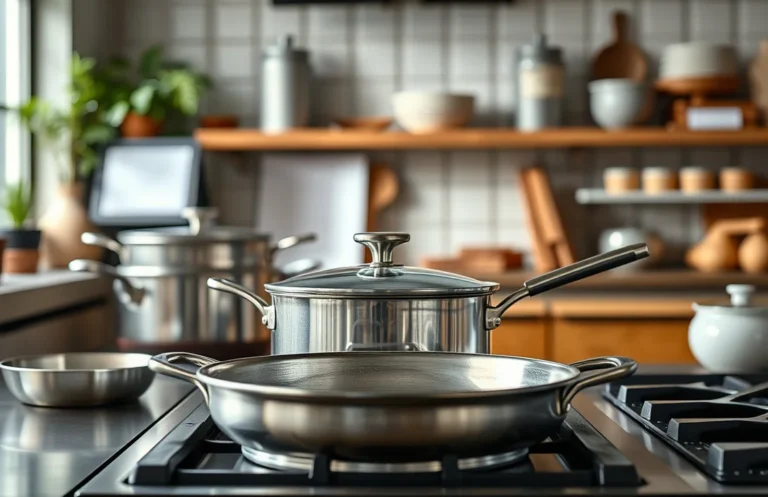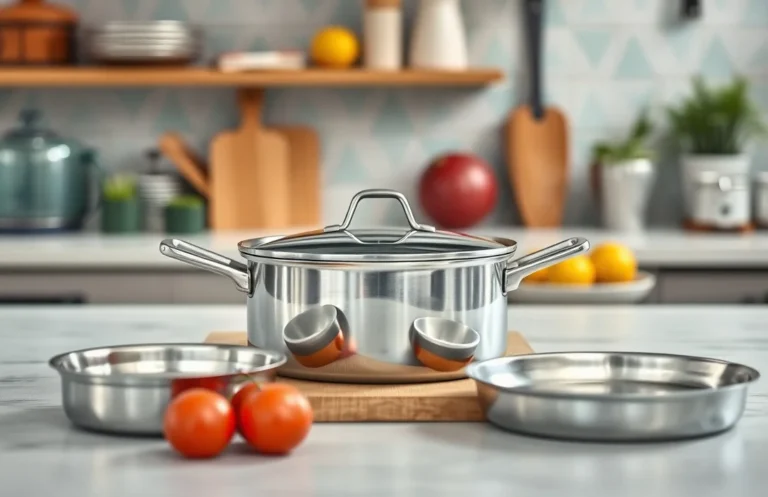
Is Titanium And Ceramic Cookware Safe?
Ceramic and titanium cookware are generally safe for cooking, but the real safety issue is the cooking surface – what it’s made of and whether the coating stays intact. Ceramic non-stick is safest when the ceramic coating is unbroken. Titanium is usually safe when you’re dealing with a true titanium cooking surface (or a properly made titanium-based finish) that’s designed for food contact. Replace pans with deep scratches, chips, or peeling because those are the moments where “safe at first” turns into “questionable later.”
What to know about titanium vs ceramic cookware
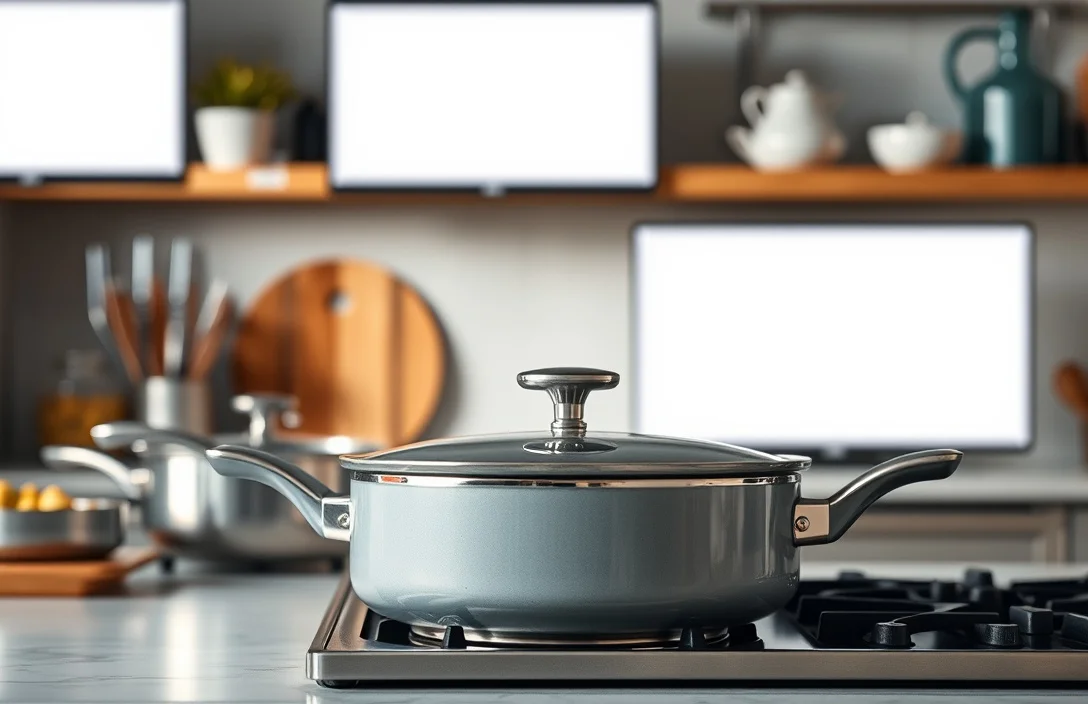
Titanium cookware is usually safe because titanium resists corrosion and is used widely in applications that tolerate harsh environments. In cookware, what matters most is which layer you’re actually cooking on – titanium metal, an anodized titanium surface, or a titanium-based coating over another base metal. If the brand is vague and the “titanium” part is mainly color or marketing, treat it like a coated pan and follow coating care rules.
Ceramic cookware is safe when the ceramic layer (or ceramic-based non-stick coating) is properly formed and you stay within the temperature limits from the manufacturer. In most consumer kitchens, “ceramic” means a ceramic non-stick coating – and coatings wear down over time. Safety becomes a surface-condition issue, not a material-type issue.
The deciding question is straightforward: is the cooking surface intact, and does it stay stable at the temperatures you actually use day to day? If you run high heat often and use metal utensils or abrasive sponges, ceramic non-stick degrades faster than a metal pan.
Key safety points for titanium and ceramic cookware
The safety checklist for both materials is the same in practice: intact cooking surface, correct heat range, and normal wear.
With ceramic non-stick, chips and deep scratches are the red flags. They break the coating’s uniform layer, so food contact becomes uneven and sticking increases. With titanium, the red flag usually isn’t “toxicity from titanium.” The bigger risk is poor construction or unclear design – thin layers, coatings that peel, or products that expose a different under-layer when they’re worn.
Temperature matters more than most people expect. Ceramic non-stick coatings aren’t meant to live at constant max heat. Even if a coating doesn’t fail dramatically, repeated overheating accelerates breakdown and creates roughness that makes food stick more. Titanium metal pans handle heat well as metal, but if the pan has a coating, that coating still has limits.
Acidic foods are generally fine for both categories when the cooking surface is intact. The bigger real-world problem comes after damage: a worn or damaged coating creates uneven contact, which leads to sticking, harsher scrubbing, and faster deterioration. That cycle is what turns a manageable wear issue into a replacement problem.
Practical tips that prevent most “ceramic” and “titanium” problems
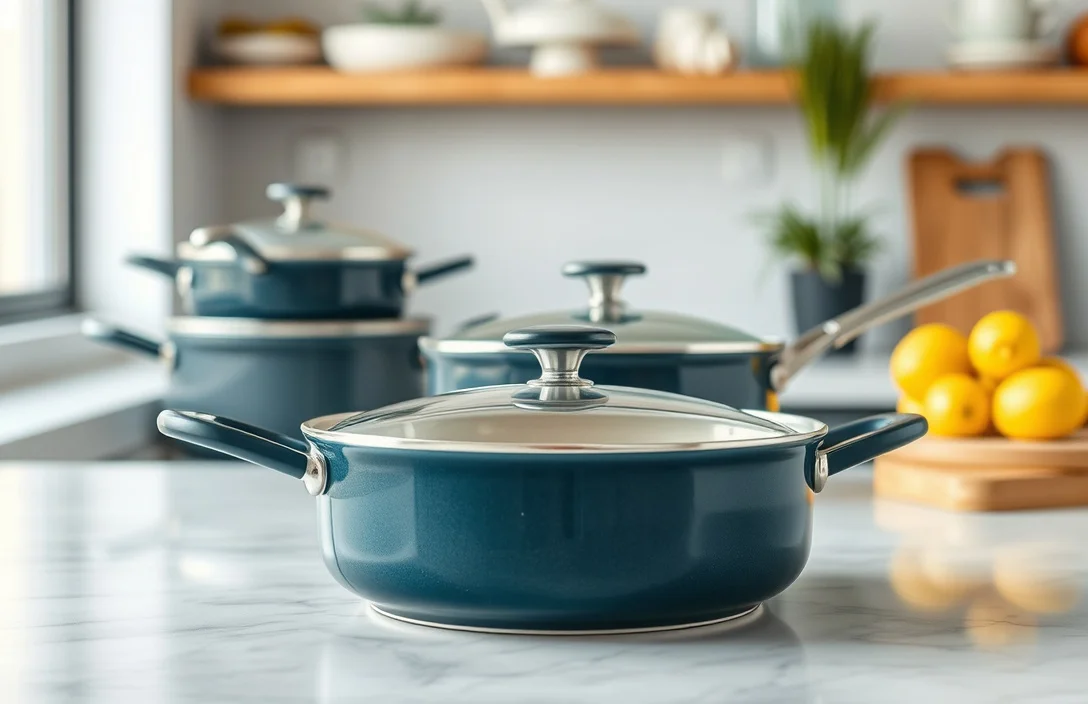
Follow these rules and you’ll avoid most of the issues people blame on the materials.
Treat ceramic non-stick like non-stick coating – not like glass. Preheat gradually, use medium to medium-high for most meals, and avoid dry heating. If a recipe says to preheat empty for several minutes, cut that down unless the brand explicitly allows it.
Use utensils that won’t gouge the surface. Silicone, wood, and nylon are the safest choices for ceramic coatings. For titanium-based pans (especially those with a finish layer), softer tools reduce scratching and help the surface stay smooth. Metal utensils are where coatings pick up micro-grooves – and those grooves quickly become sticking points.
Skip abrasive cleaning. Most residue comes off with warm water, dish soap, and a gentle sponge. If food is stuck, soak first. Abrasive pads can strip the top layer of a ceramic coating, speeding up wear even if you never use “dangerously hot” settings.
Replace worn pans before they get ugly. If you see peeling, flaking, or deep scratches that change the surface texture, stop using it for coated/non-stick work and replace it. Waiting usually makes the problem harder to fix.
Benefits and trade-offs (what each material does well)
Titanium’s biggest advantage is durability and heat tolerance, especially compared with many non-stick coating systems. Titanium’s appeal is corrosion resistance, which usually means better long-term performance and fewer surface failures when you cook regularly. You can also get strong searing and browning, depending on how the pan is built and what metal is under the surface.
Ceramic’s main benefit is convenience. Ceramic non-stick is often easier to rinse clean than many metal surfaces, and it fits well for eggs, pancakes, and quick sauces. If you treat the coating gently, it can stay slick enough to cut down on oil and keep cleanup simple.
The trade-off is lifespan. Titanium-style metal construction typically handles heat and routine use better. Ceramic non-stick is easier day to day, but it has a shorter lifespan if you push high heat, use metal tools, or scrub with abrasives.
My bottom line: choose titanium when you want a higher-heat, longer-lasting pan. Choose ceramic when you want non-stick convenience and you’re willing to care for the coating.
Buying categories that explain what you’re really getting
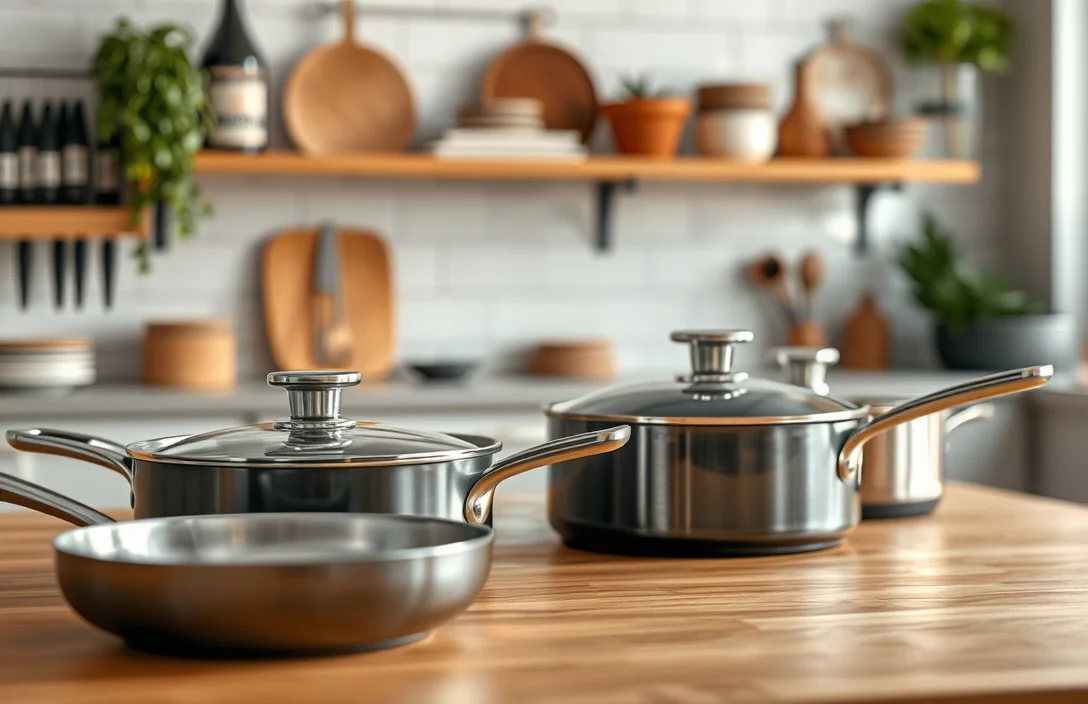
“Ceramic” and “titanium” usually show up in different categories, and mixing them up leads to disappointment.
For ceramic, there are two common types:
- True ceramic-coated non-stick pans – a ceramic coating over metal
- Ceramic bakeware – ceramic material itself
Stovetop “ceramic” is about coating wear. Oven-only bakeware is about cracking, chipping, and thermal shock.
For titanium, you’ll typically see:
- Titanium cookware surfaces (less common)
- Titanium-colored finishes on an aluminum or steel base
- Titanium-reinforced or titanium-based coatings that act like a finish layer
The safety question stays the same: what’s in contact with food, and does it stay stable under the heat and wear you apply?
| Cookware type | Key spec/what to look for | Best for | Main safety watch-out |
|---|---|---|---|
| Ceramic non-stick pan | Ceramic coating on metal, intact surface | Eggs, fish, quick weeknight meals | Replace if scratched/chipped or if coating starts flaking |
| Ceramic bakeware | Ceramic body material | Casseroles, roasting, oven meals | Avoid thermal shock, handle chips carefully |
| Titanium metal pan | Titanium layer or true titanium surface | Higher heat, browning, searing | Verify it is food-safe cookware, not just “titanium look” |
| Titanium-coated pan | Titanium-based coating over base metal | Similar to non-stick or easy-release designs | Treat coating like a coating, mind max temp and utensil choice |
One shortcut: if a product claims “non-stick” and “ceramic,” assume a coating that can wear and plan to replace it. If a product claims “titanium” mainly as a coating or finish, still treat it like a coating and follow temperature and utensil care.
“Condition, not marketing” rules you can actually use
Use condition, not marketing. If the cooking surface is intact, both ceramic and titanium-style cookware are typically safe for everyday cooking.
Stop using the pan for coated/non-stick purposes when you see peeling, flaking, or deep scratches. Ceramic non-stick is especially sensitive because overheating and abrasion accelerate coating breakdown.
Here’s how to apply that in real kitchens:
- Keep ceramic non-stick at medium heat most of the time, and preheat with food in mind, not empty.
- Use gentle utensils and cleaning to preserve the top layer.
- Skip aerosol cooking sprays unless the brand explicitly says they’re compatible – buildup can roughen the surface and make residue harder to remove.
- Watch for surface changes. If it turns rough or becomes sticky in a way scrubbing can’t fix, replace the pan.
For titanium-style cookware:
- Check construction. If it’s marketed like non-stick with a coating, the same coating care rules apply.
- If it’s a true titanium surface or a well-made metal pan, durability is usually better, but basic temperature expectations still matter.
Examples that show why the surface condition wins
A ceramic non-stick skillet used for eggs at medium heat and cleaned with a soft sponge can last for years. The failure pattern is predictable: blasting it on high to “finish heating faster,” then scraping with a metal spatula, damages the coating. After that, sticking gets worse, you scrub more aggressively, and the coating thins faster.
Titanium-finish pans vary widely. A well-made titanium-colored metal pan used for searing and deglazing can hold up longer because you’re not relying on an ultra-delicate top coating to stay perfect. But a titanium-reinforced non-stick coating still degrades with overheating and abrasion, so it can’t be treated like unlimited-heat cookware.
Switching from ceramic non-stick to titanium-style metal cookware usually means changing technique. Ceramic non-stick forgives temperature mistakes slightly. Metal pans reward preheating and correct oil use to prevent sticking.
A smart routine looks like this: stay within the intended heat range, match utensils to the surface type, clean gently, and replace when the surface stops being uniform.
FAQ
Is titanium cookware safe for everyday cooking?
Titanium cookware is generally safe for everyday cooking when it’s actually made for food use and the cooking surface is designed for cookware. The key is not the word “titanium” alone – verify it’s intended for kitchen use. If a titanium-coated surface starts peeling or flaking, replace the pan.
Is ceramic cookware safe if it gets scratched?
Ceramic non-stick coatings are safest when they’re intact. Light wear is common, but deep scratches, chips, or any flaking mean the coating is compromised – replace the pan. Scratched ceramic pans often become stickier, which leads to harsher scrubbing and faster deterioration.
What’s the biggest safety risk with ceramic non-stick?
Overheating and abrasion are the biggest real-world accelerators of ceramic non-stick failure. High heat, dry preheating, metal utensils, and abrasive pads speed up coating breakdown. Safety-minded use means staying within the manufacturer’s temperature guidance and treating the coating gently.
How do I clean titanium or ceramic cookware safely?
For ceramic non-stick: use warm water, dish soap, and a soft sponge, then soak if food is stuck. Avoid abrasive scouring pads and metal scraping. For titanium-metal pans: gentle cleaning still matters, and you typically have more flexibility than with a ceramic coating, depending on the finish.
Is titanium or ceramic cookware better as a long-term buy?
Titanium metal or sturdy metal pans usually last longer and handle higher heat better than ceramic non-stick coatings. Ceramic non-stick is more convenient until the coating wears, then it needs replacement. If you cook often and use medium-high heat, titanium-style metal construction is usually the safer long-term choice.

- 10 Best Slow Cooker With Leak Resistant Lid 2026 (Tested And Reviewed) - October 24, 2026
- 10 Best Slow Cooker With Spill Proof Design 2026 (Tested And Reviewed) - October 24, 2026
- 10 Best Slow Cooker With Locking System 2026 (Tested And Reviewed) - October 24, 2026