
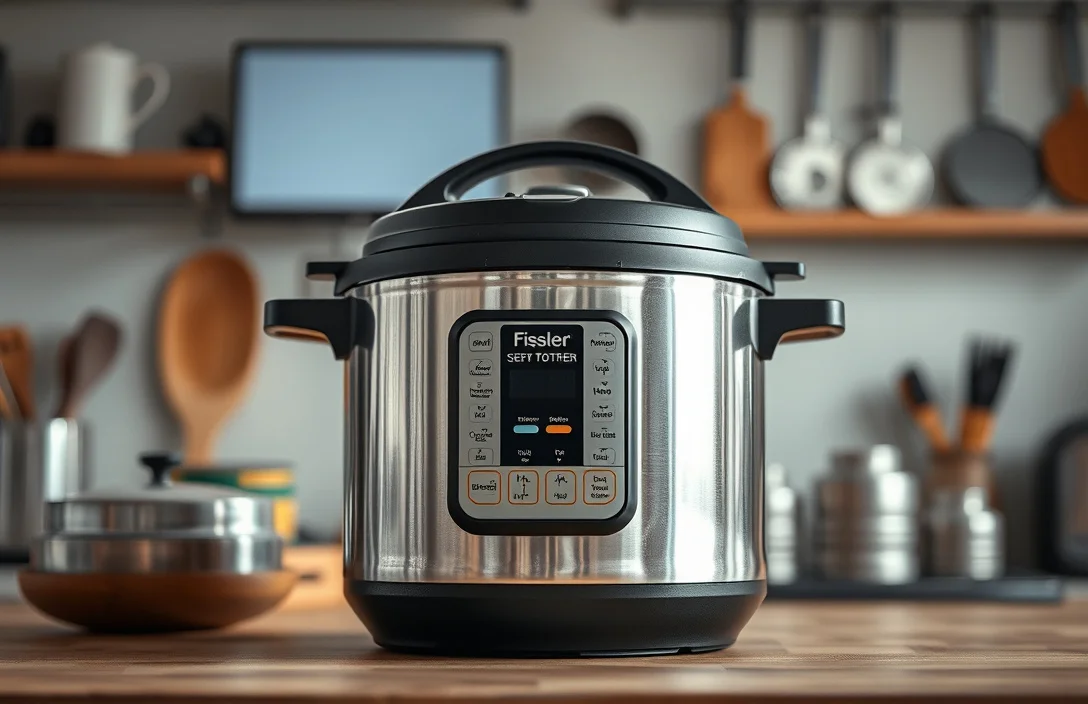
Fissler Pressure Cooker Replacement Parts Explained Simply
Fissler pressure cookers are built around a sealed system, so the replacement parts you pick matter. Most fixes come down to the sealing ring, gaskets, and the pressure regulator and safety components. This guide helps you find the right Fissler pressure cooker replacement parts by matching parts to your exact model and pot size, then checking fit and safety before you cook.
Fissler pressure cooker replacement parts must match your exact model and pot size because sealing rings and regulator valves are designed for specific lids. Start by identifying the model name stamped on the lid, then measure the pot capacity, like 6.0 qt or 8.5 qt. Order the sealing ring and any regulator or safety components listed for that model.
Key Takeaways
- Confirm your model. Lid markings and the model name on the pot body determine which sealing ring and valves fit.
- Match the pot size. Capacities like 8.5 qt can use different rings and parts than smaller pots.
- Replace what seals first. Sealing rings and gaskets are the most common wear items on pressure cookers.
- Don’t mix regulator parts. Pressure regulator valves and safety devices are calibrated for the specific lid system.
- Buy as a set when unsure. Model-specific kits reduce the risk of ordering the wrong part revision.
- Test before food. Run a water test and confirm the seal and valve operation before cooking anything.
Fissler Pressure Cooker Replacement Parts Compatibility Guide
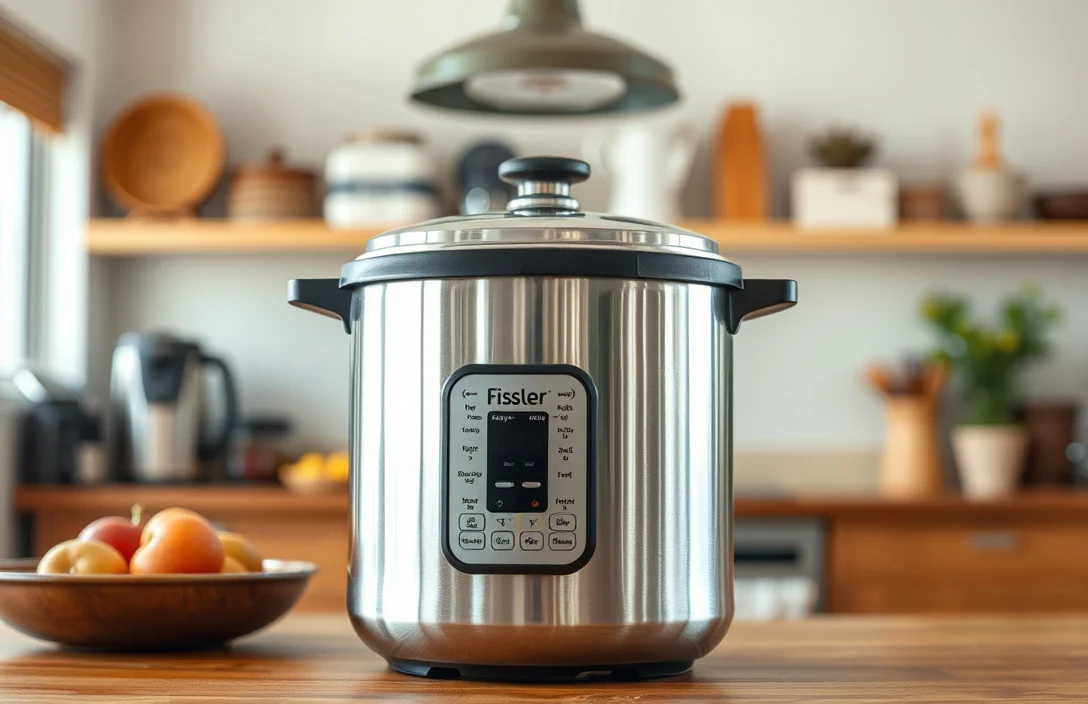
Fissler replacement parts work only when the pot and lid match as a sealed pressure system. Swap one piece, and that part still has to fit the system’s geometry, sealing surfaces, and how the regulator and safety parts vent pressure.
Most compatibility problems come from mixing parts across product lines or revisions, or guessing based on what looks “similar.” Sealing rings and gaskets may look close in photos, but small differences in thickness, lip shape, or how the ring sits in the groove can make the seal fail. Regulator valves and safety devices are even more sensitive because they control pressure behavior and venting.
Use this sourcing rule: identify the exact model, verify pot size, replace sealing components as a set when the ring shows wear or doesn’t sit flat, then replace regulator or safety components with the lid-side parts designed for your model. Don’t substitute generic equivalents.
Prioritize what to buy based on failure symptoms:
- Weak sealing, steam leaks, or food residue around the lid usually points to the sealing ring or gasket.
- Inconsistent pressure, trouble reaching pressure, or repeated venting points toward regulator and sealing-related issues.
- Clogging or damage on vent paths affects both regulator and safety vent performance, so you replace the parts designed for those vents.
How to Identify Your Fissler Model and Pot Size
Start with the lid. Fissler usually places identifying marks on the lid body or rim area, often including the model name and sometimes the pressure system family. If you don’t see it right away, wipe the metal clean and check the underside of the lid and the rim where the lid meets the pot. Fingerprints and food film hide stamps.
Then confirm the model on the pot body. Many owners find a capacity marking like “qt” or a stamped volume number on the pot wall. If your pot doesn’t show volume markings, measure capacity by filling with water (below). A stamped value is easier and more reliable.
When labels are missing, measure pot size yourself. Use a kitchen scale or a measuring container for accuracy. Fill the pot with water to about the level you normally cook to, then transfer the water into a measuring jug and note the total quarts. For replacement parts, you don’t need the exact “max fill” line. You need the labeled capacity your lid system was designed for.
A mapping approach that works in real life:
- If you can read the model name, use that model name to choose the compatible parts listing.
- If you can read only the size, narrow to the parts that match your pot capacity, then still verify the lid system before checkout.
- If you can’t read either, take clear photos of the lid underside, the sealing ring groove area, and the regulator or safety parts location. Use those photos to match the correct kit.
In practice, sealing rings and gaskets change by capacity and lid design even when the pots look identical. Fissler sells multiple premium pressure cooker models across sizes, and consumer-facing product names can differ from what’s stamped on an older lid. Identify model and size before ordering, not after.
A compatibility checklist you can do in 10 minutes
- Locate model markings on the lid and pot.
- Confirm pot capacity from stamped labeling or measured water volume.
- Inspect the sealing ring groove for shape differences, cracking, or flattening.
- Check regulator and safety vent components for wear or deformation.
- Take photos so you can match your exact lid system to parts listings later.
Which Fissler Spares Commonly Need Replacing
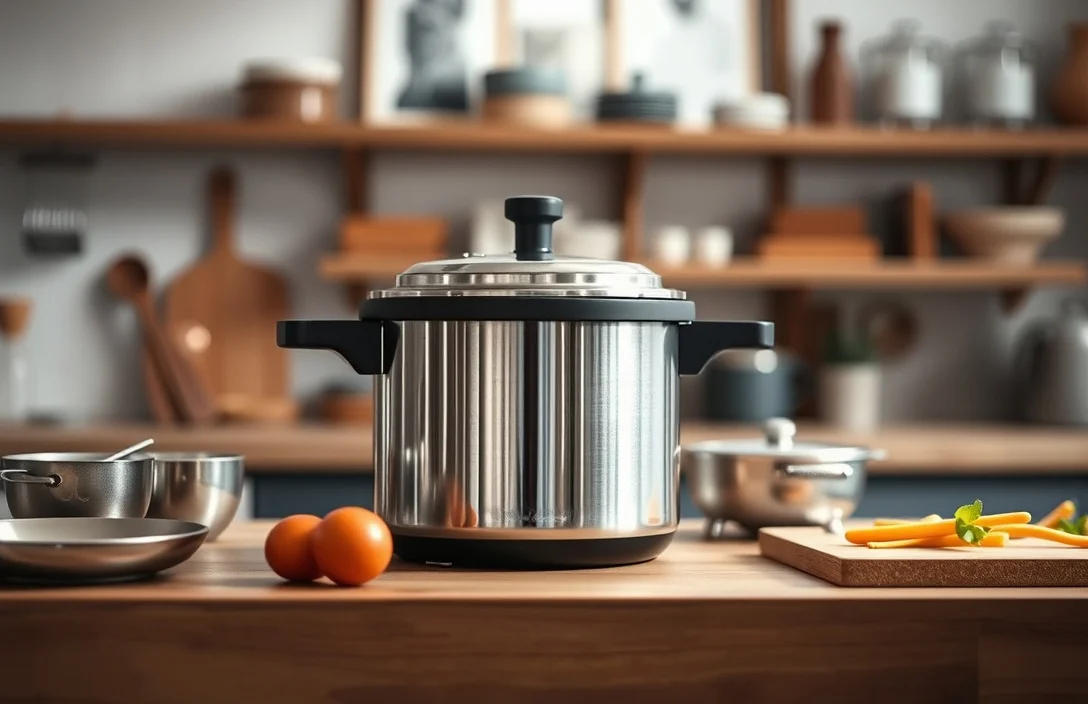
The sealing system wears first, so most replacement part orders start with the sealing ring and gasket. When a pressure cooker starts steaming from the rim, loses pressure stability, or leaves a residue line around the lid, a sealing component that no longer sits correctly is usually the cause.
Common wear items include:
- Sealing rings – the primary gasket that creates the pressure-tight seal at the lid
- Secondary gaskets – supporting seals inside the lid structure
- Pressure regulator parts – components that help maintain pressure
- Safety devices – parts designed to vent or protect if pressure rises too high
- Valve-related seals and inserts – smaller pieces that can harden, deform, or clog
Sealing ring failure shows up as obvious leaks or as a slower, less predictable cook. If it takes longer to reach full pressure or you see inconsistent cook times, the system may not be sealing correctly. Even if food still cooks, a weak seal wastes energy and can produce uneven results.
Pressure regulator and safety devices typically get replaced for two reasons: damage (impact, deformation, corrosion) or persistent performance issues (sticking vents, clogging, or unreliable venting). If the regulator doesn’t move smoothly, or the vent path doesn’t clear after careful cleaning, don’t “work around it.” Replace the component set made for your lid.
Replace by system. When a sealing ring is worn out, the regulator area often ends up exposed to more moisture and residue over time. If the lid interior shows heavy residue around the regulator base, replacing the sealing ring and the regulator components listed for your model is often the fastest route back to reliable operation.

Helpful pick
Fissler pressure cooker main valve set 11-631-01-700
The main valve set covers key pressure regulator parts, helping maintain safe, steady pressure during cooking.
Fissler Replacement Sealing Ring and Gasket Options
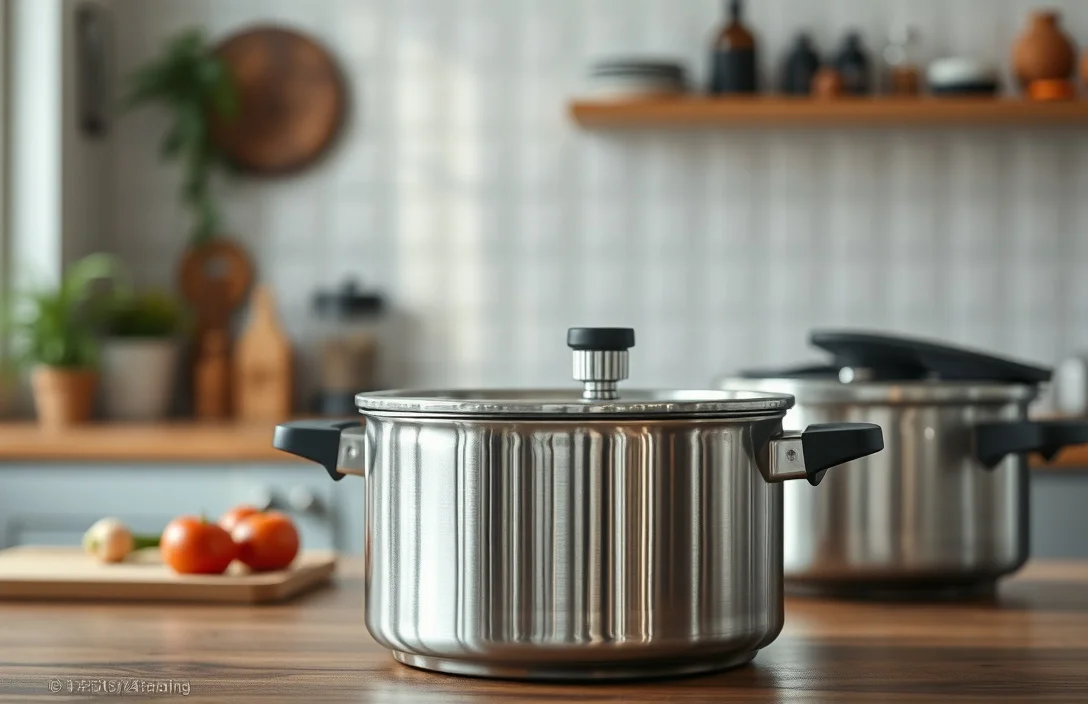
The sealing ring is the job #1 part. A proper Fissler replacement sealing ring should sit fully in its groove without twisting, and it should look uniform. Flattened spots, cracking at the lip, or a ring that looks stressed usually signal it won’t seal reliably.
Sealing rings and gaskets vary by:
- Lid design – groove geometry and how the ring locks in
- Pot size – different diameters and seating positions
- Model family – some systems use rings with different cross-sections or material hardness
- Wear condition – a ring that is hard, brittle, or permanently compressed often won’t seal correctly again
Avoid “close enough” sizing. A slightly smaller ring can leak, and a too-large ring can bunch or sit unevenly. Also avoid generic aftermarket rings unless the seller explicitly states compatibility with your exact Fissler model and lid system.
Gaskets aren’t always limited to the main ring. If steam escapes from areas other than the main lid rim, inspect the gasket locations and order the correct gaskets for your model. Replacing only the main ring won’t fix a gasket leak elsewhere in the lid assembly.
Material and condition matter more than many people expect. A ring that has gone stiff, has hairline cracks, or was stored compressed can seal poorly even if it still “looks fine.” Replace it if the ring doesn’t lie flat or if the sealing lip doesn’t spring back when you press it lightly.
Practical selection rules for ring and gasket orders
- Match by model name and lid markings first, not pot diameter alone.
- Order the correct ring size for your capacity, especially if your pot is larger than average.
- Replace secondary gaskets when steam leaks appear around parts other than the lid rim.
- Inspect groove cleanliness before installing a new ring, especially where residue can stop the ring from seating.
Pressure Regulator Valve and Safety Device Parts
The pressure regulator and safety device control how pressure rises, stabilizes, and vents. When they fail, you see symptoms like unreliable pressure buildup, pressure overshoot with repeated venting, or a venting pattern that never settles.
Regulator valves are engineered to respond to pressure at the lid system level. A “same-looking” regulator from another lid system can behave differently because the rest of the system geometry and sealing surfaces aren’t the same. That’s why regulator and safety devices need to be treated as model-specific parts, not generic replacements.
Safety devices are the parts you should not experiment with. If the safety vent is stuck, damaged, or shows any signs of deformation or clogging, replace the exact safety component listed for your model. Even if the cooker sometimes “works,” compromised safety vent behavior is a risk you don’t want to tolerate.

Helpful pick
Anakel Home Safety Valve Compatible with Fissler Unimatik and Vitavit Pressure Cookers (Pre-2002 Models)
Replaces the safety valve to regulate venting and pressure relief for safer, stable operation.
Use this observation checklist to decide what to replace:
- Does pressure build slowly or inconsistently? It can be a sealing ring issue, but regulator problems also show up if the vent path is obstructed.
- Does it keep venting after pressure seems reached? The regulator may not be holding pressure correctly.
- Do you see steam leaks around the regulator area? Worn regulator seals or gasket interfaces are likely.
- Does the regulator move smoothly by hand when the lid is empty and cool? Gritty or stuck movement is a strong sign you need replacement parts for that assembly.
Cleaning helps, but replacement is often the real fix. Mineral deposits and cooking residue build up inside regulator channels over time. If cleaning doesn’t restore smooth operation, replace regulator parts instead of troubleshooting indefinitely.
What to replace together
If your problem started with steam leaks or pressure weirdness, replace in pairs:
- Sealing ring plus any related gaskets for the lid seal.
- Regulator parts plus safety components when venting behavior is persistent or a component is damaged.
This pairing prevents the common situation where you install a new ring but the regulator area still can’t control pressure correctly.

Helpful pick
Fissler 610-000-00-711 Pressure Cooker Parts/Parts, Silicone Rubber Cap, For Vitabit Premium, Comfort, All Sizes
Replaces worn sealing components to improve seal integrity and vent flow when pressure buildup is slow or inconsistent.
Ordering Correct Fissler Pressure Cooker Replacement Parts
Ordering correctly is a matching problem, not a browsing problem. Use your model name and pot size as your primary keys, then confirm the parts listing explicitly references your lid system or compatible cooker series.
If you can’t find the exact model name from the lid stamp, rely on two things:
1) Your pot capacity (8.5 qt appears on many common Fissler models), and
2) A photo match of the regulator and safety arrangement, plus the sealing ring groove shape.
When comparing listings, don’t assume every seller describes parts the same way. One listing may say “replacement ring for Vitavit,” while another names items by function. Confirm the function aligns to your lid layout, not just that the part “looks similar.”
If a model-specific kit is available, choose it. Kits reduce the risk of getting the wrong ring revision or missing a secondary gasket. When a seller offers both “sealing ring only” and a “full sealing set,” the full set usually makes sense when the cooker has leaked for a while or you’re maintaining a cooker after years of use.
Record this before you order so you don’t backtrack later:
- Model name stamped on lid
- Pot capacity (qt)
- A photo of the lid underside
- A photo of the sealing ring groove
- Which part failed (leak at rim, regulator sticking, safety vent issue)
Quick ordering comparison
| Part type | What to match exactly | Best for | Common reason to buy |
|---|---|---|---|
| Sealing ring | Lid groove shape + model + pot capacity | Most repairs | Steam leaks around lid |
| Secondary gaskets | Model + gasket interface | Persistent rim seep | Steam from non-rim areas |
| Pressure regulator components | Model-specific regulator assembly | Inconsistent pressure | Pressure control feels off |
| Safety device parts | Exact safety vent assembly | Reliability and safety | Sticking or damaged venting |
Verify Fit, Function, and Seal Before First Use
Verify fit and seal with a controlled water test before you cook anything. It takes time, but it’s the easiest way to confirm you didn’t order the wrong ring revision or miss a gasket placement.
Install the new sealing ring and any gaskets exactly as intended. The ring should sit flat in the groove without twisting. If the ring won’t drop in and stay aligned, stop and re-check the groove and the part number. Forcing a misfit ring leads to leaks and frustration later.
Assemble the lid and confirm the regulator and safety components are installed as designed. You should be able to move any manual components smoothly when the cooker is empty and cool. Follow your lid mechanics safely and don’t override parts meant to engage only under pressure.
Then run the water test:
1) Add water – enough to generate steam, but not so much that it clogs vents.
2) Close the lid and bring it up to pressure like normal.
3) Watch for steam leaks at the lid rim and unusual venting patterns.
4) Let it depressurize normally, then open and inspect wet residue around the seal area.
If steam keeps escaping around the rim during the test, don’t jump to cooking. Re-check ring seating and gasket placement. If the leak comes from the regulator area, you may have the wrong regulator seal or gasket combination, or internal dirt or damage.
After the test, inspect the ring visually. A properly installed new ring should show even contact, not one-sided deformation or bunching. If the ring looks distorted after a single test, it’s a sign you need a different size or a model-specific ring revision.
Keep a simple maintenance routine after. Rinse and clean the sealing ring groove after cooking, and don’t store the ring compressed. A ring that dries in place or gets trapped compressed can harden and seal worse even when it’s brand new.
FAQ
What Fissler pressure cooker replacement parts should I buy first?
Buy the sealing ring first when the cooker leaks steam at the lid rim or pressure is inconsistent. If steam leaks from other parts of the lid, add the relevant gaskets for your model. If regulator or venting behavior is stuck or unpredictable, order the regulator and safety device parts specified for your exact lid model.
How do I find my exact Fissler model for replacement parts?
Check the lid for stamped or printed model markings and the pot body for capacity markings, often in qt. Clean the metal so stamps are readable, then match your markings to the model name shown in compatible parts listings. If markings are missing, use clear photos of the lid underside, the sealing ring groove, and the regulator area.
Are aftermarket sealing rings safe for Fissler pressure cookers?
Aftermarket rings are safe only when the seller states compatibility with your exact Fissler model and lid system. Pressure cookers depend on precise seal geometry, so a “similar size” ring can cause leaks or unstable pressure. If you can’t verify compatibility, choose the model-specified ring.
How long does it take to replace a Fissler pressure cooker gasket or ring?
Plan for 15 to 30 minutes for a sealing ring or gasket swap, including cleaning the groove and doing a water test. If you’re replacing regulator or safety parts too, budget 45 to 90 minutes because alignment matters. The first water test can add another 20 to 40 minutes depending on your setup.
What’s the most common mistake when ordering Fissler replacement parts?
Ordering based on pot capacity alone without matching the lid model family. Sealing rings and regulator components are designed for specific lid systems, and small geometry differences can cause leaks or incorrect venting. Verify the model markings on the lid and match the compatible parts listing to your exact system.

- 10 Best Slow Cooker For Slow Cooking Legumes 2026 (Tested And Reviewed) - October 17, 2026
- 10 Best Slow Cooker For Slow Cooking Oxtail 2026 (Tested And Reviewed) - October 16, 2026
- 10 Best Slow Cooker For Slow Cooking Venison 2026 (Tested And Reviewed) - October 16, 2026