Outdoor Trailing Plants For Pots Explained Simply
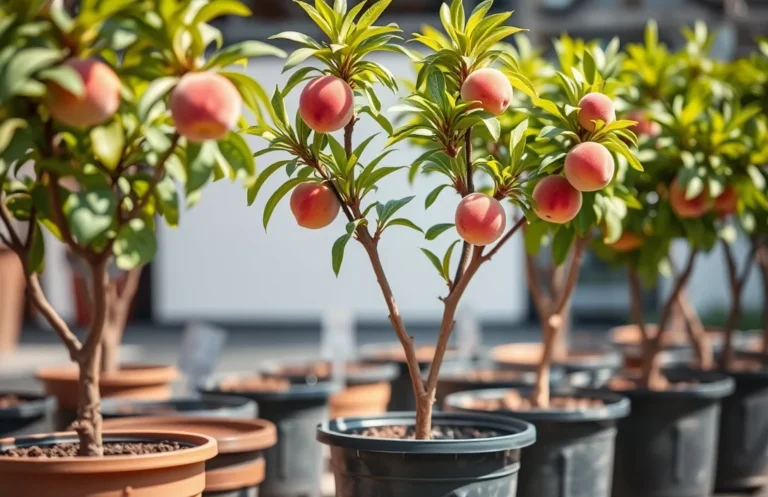
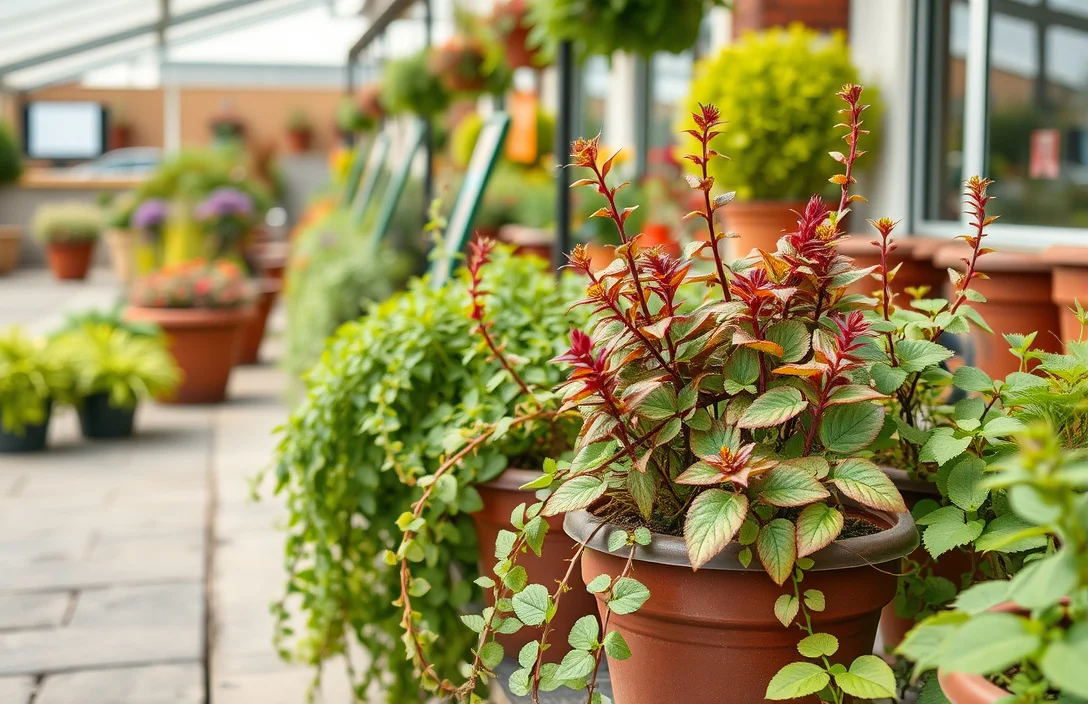
Trailing plants are the quickest way to finish a potted patio. Train them over a railing, spill from a hanging basket, or drape from a deck pot to soften hard edges. This guide helps you choose outdoor trailing plants for pots, match them to your sun and climate, and keep them looking good all season.
Outdoor trailing plants for pots are plants that naturally grow downward and look best in containers with a draping habit. Choose based on light and pot size, then water consistently and feed during active growth. Most trailing annuals need attention every 3-7 days, not a set-it-and-forget-it routine, especially in hot U.S. summer weather.
Key Takeaways
- Choose by sun. Match trailing plants to full sun or part shade, or they will stretch and thin out.
- Use the right pot. Bigger pots (about 12 inches wide or more) dry slower and support stronger root growth.
- Plan for consistent watering. Daily checks are normal in summer, especially on balconies and windy spots.
- Feed on a schedule. Start light and increase during bloom, typically every 2-4 weeks for containers.
- Pick spill-ready varieties. Look for “trailing,” “spreading,” or “cascading” in the plant description.
- Protect from frost. Many popular trailers are tender, so move indoors or replace after cold snaps.
What to Know About outdoor trailing plants for po
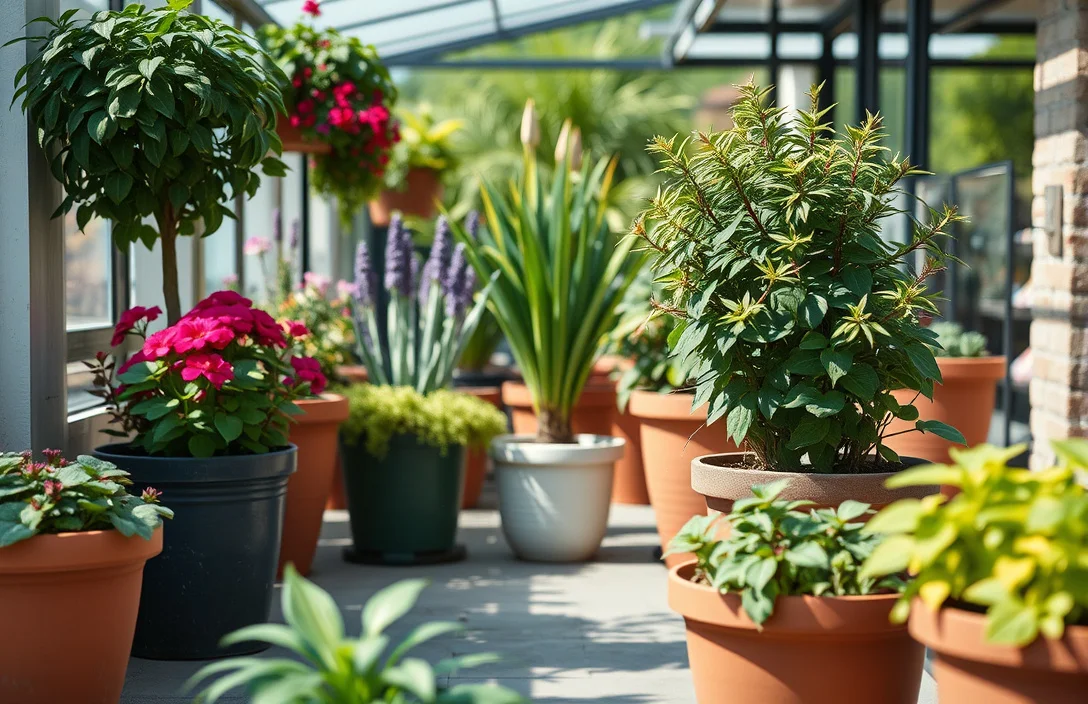
Outdoor trailing plants for pots demand one factor above all: the right light for their growth habit. Put sun-lovers in shade and they stretch, then spill less. Put shade-tolerant plants in full sun without enough water and the leaves burn and the look goes ragged fast.
Potting for trailers is also about drainage and watering rhythm. A trailing plant can look great for two weeks, then wilt suddenly if the pot is too small or the mix dries out daily. Use a container with drainage holes and a high-quality potting mix (not plain garden soil) so roots get air while still holding moisture.
Trailing plants also benefit from early training. Set the stems so they can fall naturally, then gently guide a few shoots toward the rim while the plant establishes. After that, gravity does most of the work.
Things that matter most
Outdoor trailing plants for pots work best when container size, sun exposure, and watering discipline line up. When they match, most trailing annuals and many hardy perennials become straightforward. When they don’t, you end up chasing wilting, yellow leaves, or thin growth.
Start with sun, because it decides what will actually work. Full sun trailers need 6+ hours, while part shade usually sits closer to 3-6 hours with afternoon protection. If you’re unsure, watch your spot for a few days and note where the brightest light hits around midday.
Then size the container like you mean it. Small pots can look cute, but trailers are hungry and keep pushing new stems. For a dependable drape, go larger than you think you need. Use a saucer for short-term moisture buffering only if your pot drains extremely well.
Finally, set a feeding routine. Container plants use nutrients faster because every watering carries some away. A steady but not excessive fertilizer approach keeps foliage dense and blooms coming.
Tips for outdoor trailing plants for po
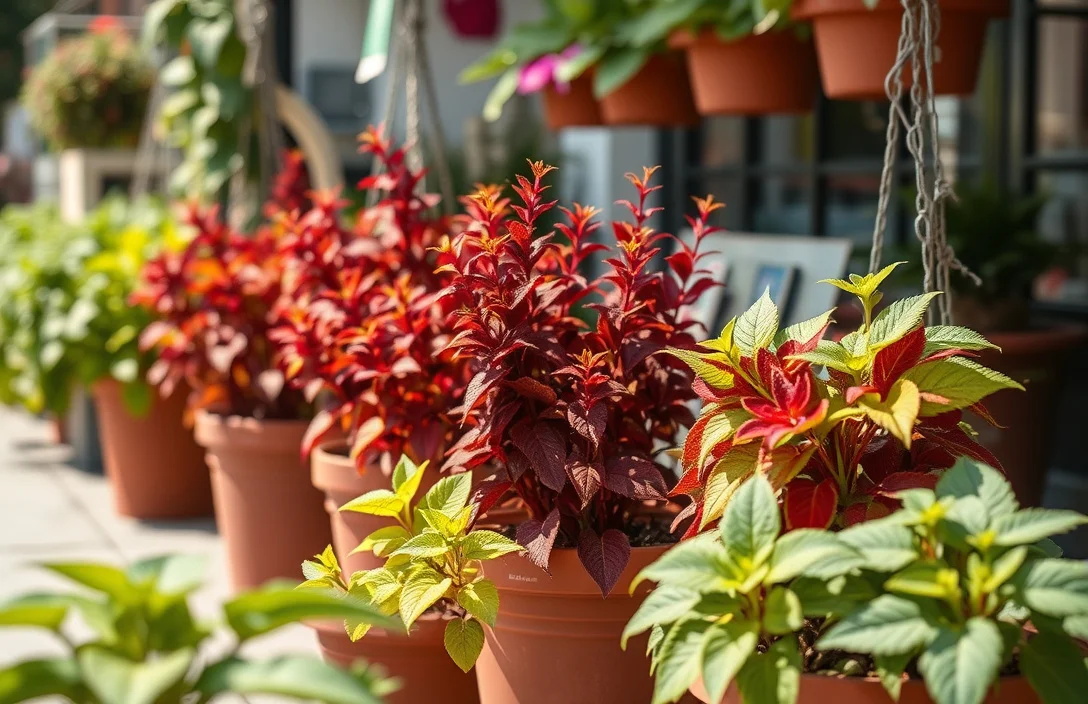
Outdoor trailing plants for pots look their best when you treat them like container crops, not houseplants. That means consistent watering, regular feeding, and light pruning. Skip any one of those and you’ll usually see it quickly in leaf color, stem length, or bloom drop.
Prune early and often enough to keep growth from getting leggy. Pinch back tips when the plant is young or trim a few long stems so it branches instead of sending out one long string. More branching equals a fuller spill.
Watering technique matters. Water deeply until excess runs out the bottom, then stop. Don’t just mist the top layer, because shallow watering encourages roots near the surface that dry out fast in heat.
Watch for container-specific problems. Overwatering often shows up as yellowing leaves. Underwatering shows up as crispy edges and droop. Low light leads to thin growth. If fungus gnats appear, let the top of the potting mix dry slightly between waterings and avoid leaving the mix soggy.
Plan around the season. Early growth focuses on roots and building bulk. Mid-season is about fertilizer and pruning. Late season means slowing watering as growth slows and protecting from cold nights.
Benefits of outdoor trailing plants for po
Outdoor trailing plants for pots make an instant visual difference by softening straight lines and filling the vertical space that empty rims leave behind. A drape from the pot edge hides leggy starts and makes a container look intentional, even when the rest of your setup is simple.
They also give you flexibility. Use a spiller anchored in the main pot, or let a trailing plant be the only star for a clean hanging look. Trailers work on patios, front steps, balconies, and window boxes where floor space is limited.
Once established, many trailing plants are forgiving. If you keep them in the right light and maintain a consistent watering routine, they usually bounce back from minor stress with new growth. That resilience is a big reason they stay popular for summer containers.
Frequent blooms also support pollinators in practical ways. Many trailing varieties flower steadily, which helps bring beneficial insects to your yard or balcony. Even if you don’t chase pollinator benefits, constant flowers are a major reason these plants stay attractive.
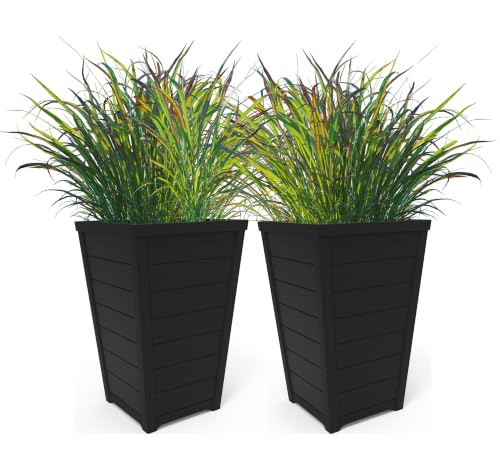
Helpful pick
Keter Set of 2 Resin Modern Outdoor 22 Inch Tall Large Flower Pots, Tapered Wood Look Planters for Outdoor Plants and Front Porch Decor, Graphite
Tall 22-inch planters provide generous rim space for trailing plants to drape, softening lines and filling vertical space.
Options for outdoor trailing plants for po
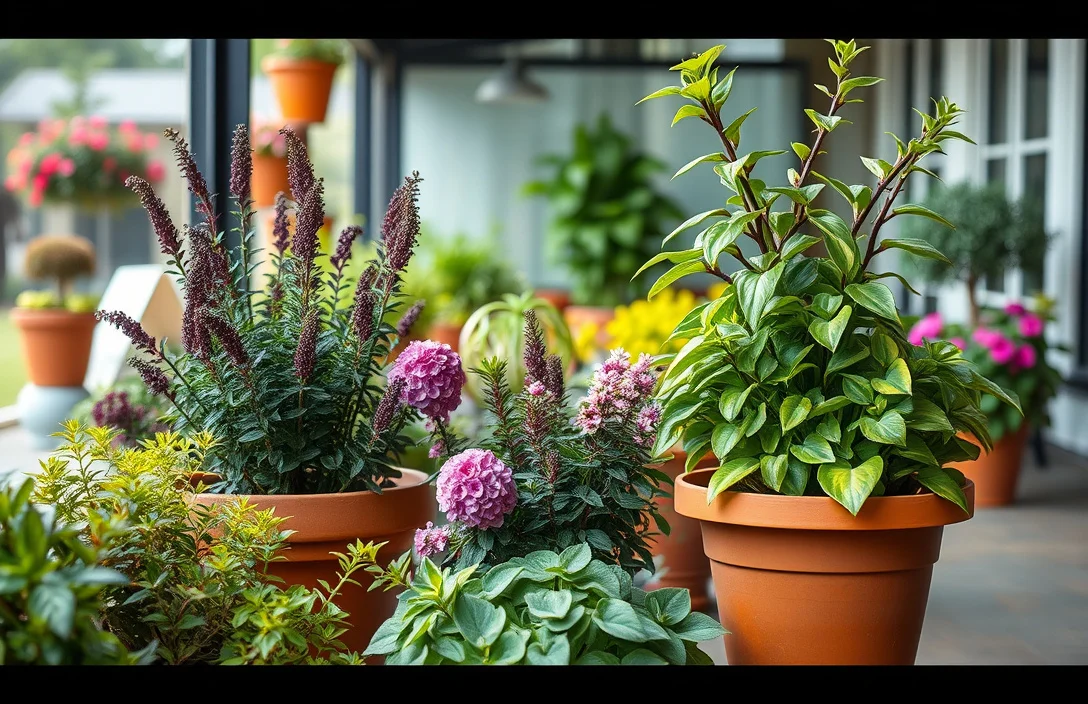
Outdoor trailing plants for pots fall into a few clear categories. The best choice depends on whether you want an annual that spills all summer or a perennial that returns year after year. Most people end up using at least two types: one for nonstop drape and one for longer-lasting structure.
These are solid, commonly used options that typically work in U.S. container setups. I’m grouping them by the vibe they give you so you can choose faster than memorizing botanical names.
| Plant option | Key spec (container habit) | Best for | Care intensity |
|---|---|---|---|
| Petunias (trailing/spreading types) | Fast spilling growth, frequent blooms | Sunny patios, big drape | Medium (water and feed) |
| Calibrachoa (million bells types) | Compact trailing with lots of small flowers | Full sun with consistent moisture | Medium |
| Lobelia (trailing varieties) | Cascading blooms, cooler-weather friendly | Part shade and early/late season | Medium to low |
| Sweet potato vine (Ipomoea batatas) | Fast, vigorous spiller, bold foliage | Full sun, dramatic coverage | High (quick growth needs pruning) |
| Dichondra (silver or green trailing) | “Fuzzy” spill, grown for foliage | Hot spots where you want texture | Low to medium |
| Wintercreeper (if you want hardy greenery) | Hardy trailing evergreen in many climates | Long-term structure (check cold hardiness) | Low after establishment |
If you want one dependable “safe pick” for full sun, petunia, calibrachoa, and sweet potato vine often deliver consistent drape. For part shade, lobelia and dichondra are usually better fits. For trailing perennials, check local winter lows, because many won’t survive if temperatures drop below their tolerance.
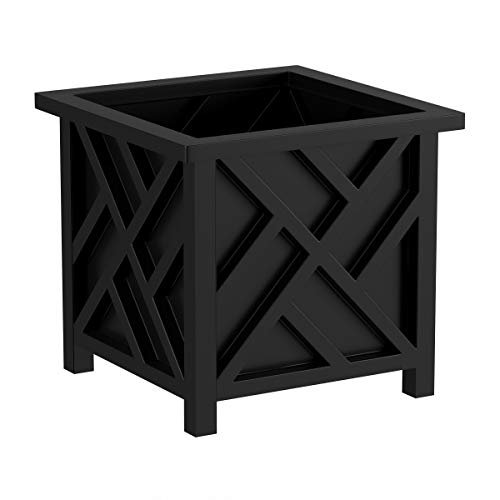
Helpful pick
Lattice Design Outdoor Planter Box – 14.75” Square 13” Tall Black Plant Pot – Decorative Plant Pots for Front Porch Decor – Flower Pots Outdoor Planters for Porch Patio or Garden Decor by Pure Garden
The lattice design supports trailing plants, ideal for showcasing spillover on outdoor pots.
Expert Advice on outdoor trailing plants for po
Outdoor trailing plants for pots succeed because of setup, not luck. Start with the basics: a large enough pot, excellent drainage, and a potting mix made for containers. Skip those and you’ll end up doing more work later, usually with frantic watering or replanting.
Choose plants based on your worst conditions. If your balcony gets hot and windy, treat it like full sun plus drying wind, not “mostly sun.” If you might miss watering, pick drought-tolerant foliage trailers. If you can water daily in heat, flowering trailers make sense.
When you plant, avoid leaving bare gaps at the rim. Position the plant so stems can grow downward and touch the soil enough to establish quickly. If you mix plants, use the “thriller-filler-spiller” logic, but keep soil needs similar so you aren’t balancing incompatible watering demands.
Feed with restraint at first. New plants put energy into roots, and heavy feeding early can lead to weak growth or salt buildup in containers. When you see active growth and more buds, increase feeding gradually.
Pruning should stay practical. Trim long stems when they start to look stringy, and pinch tips to create more branching. The goal is more points of growth that naturally spill over the edge.
Containers also fade on a different timeline than the ground. Some trailing plants peak mid-season and slow later, especially when the heat is brutal. That’s normal for a small root zone, not a plant failure.

Helpful pick
Quarut 3 Pack 10 inch Plant Pots,Whiskey Barrel Planters with Drainage Holes & Saucer, Plastic Decoration Flower Pots Imitation Wine Barrel Design, for Indoor & Outdoor Garden Home Plants (Brown)
These planters’ drainage holes and saucer support healthy roots for trailing plants in containers.
Examples: outdoor trailing plants for po
Outdoor trailing plants for pots get easier when you map them to real scenarios. Use these as templates, then adjust for your sun hours, wind exposure, and how often you can water.
For a full-sun patio you can water daily, pair a flowering spiller like petunia or calibrachoa with a foliage accent like dichondra. Petunia/calibrachoa brings steady bloom, while dichondra adds a softer textured drape so the pot still looks full even when some flowers pause.
For part shade on a porch, lobelia and trailing dichondra work well. Lobelia generally performs best when temperatures aren’t extreme, and it tends to hold color and bloom longer when it isn’t cooked by midday sun.
For a high-impact deck pot, sweet potato vine is the go-to option because it grows fast and fills quickly. You’ll likely prune once or twice to prevent tangling, but the speed is exactly why it’s loved for rapid coverage.
For a low-effort container meant to stay attractive between trips, choose hardy-feeling foliage trailers if your climate supports them. Wintercreeper (or similar hardy trailers) can provide year-round greenery in places where winter temperatures stay within its tolerance. Still, confirm local hardiness before planting.
If you want a simple starting combination that works for many homes, choose one sun-based flowering trailer for color and one foliage spiller for texture. This lowers the risk that the whole look collapses if bloom slows for a few weeks.
FAQ
What are the easiest outdoor trailing plants for pots?
Calibrachoa and trailing petunias are often the easiest flowering options if you can water regularly through summer. If you want dependable foliage with less constant bloom upkeep, dichondra is a reliable container spiller. For anything winter-sensitive, plan to replant after cold nights or bring containers indoors.
How often should I water outdoor trailing plants in pots?
Water when the top 1 inch of potting mix feels dry. In hot U.S. summer weather, that often turns into every 1-2 days, sometimes daily on windy balconies. Water deeply until excess drains out, then let the mix dry slightly again.
Are outdoor trailing plants for pots safe for pets?
Many popular trailers are grown as ornamentals, and pet safety depends on the exact plant and how much your pet chews. Sweet potato vine is ornamental, but if your pet is a plant chewer, assume risk and keep containers out of reach. If pet safety matters, choose pet-safe alternatives and verify each plant before buying.
What’s the biggest mistake people make with trailing plants in containers?
Using a pot that’s too small and then watering too shallowly. Small containers dry fast, and shallow watering keeps roots near the surface, which leads to wilting and sparse growth. Choose a larger pot, use drainage holes, and water deeply, then pause until the mix dries slightly.
Can I use outdoor trailing plants in hanging baskets instead of pots?
Yes, as long as you match the plant’s needs to the basket’s faster drying rate. Hanging baskets typically dry quicker than pots, so you may need more frequent watering and more consistent feeding. Choose trailing varieties labeled for containers, and consider a fuller mix and moisture-retentive container setup.

- 10 Best Slow Cooker With Cool Touch Handles 2026 (Tested And Reviewed) - October 22, 2026
- 10 Best Slow Cooker With Quality Construction 2026 (Tested And Reviewed) - October 22, 2026
- 10 Best Slow Cooker With Premium Construction 2026 (Tested And Reviewed) - October 22, 2026