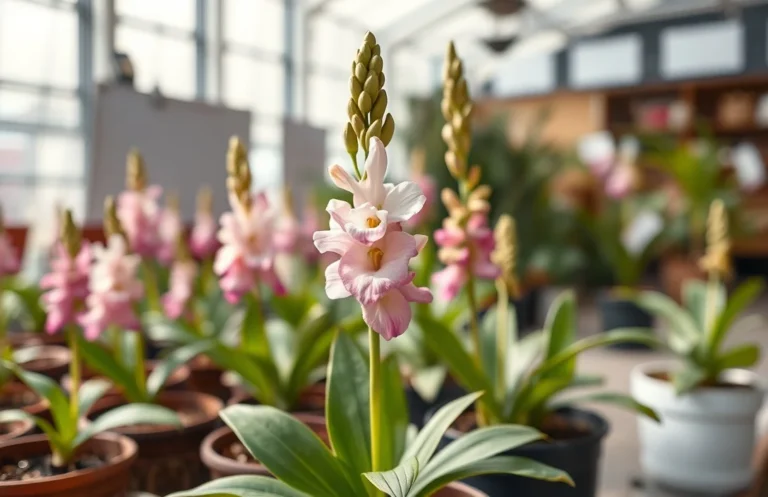
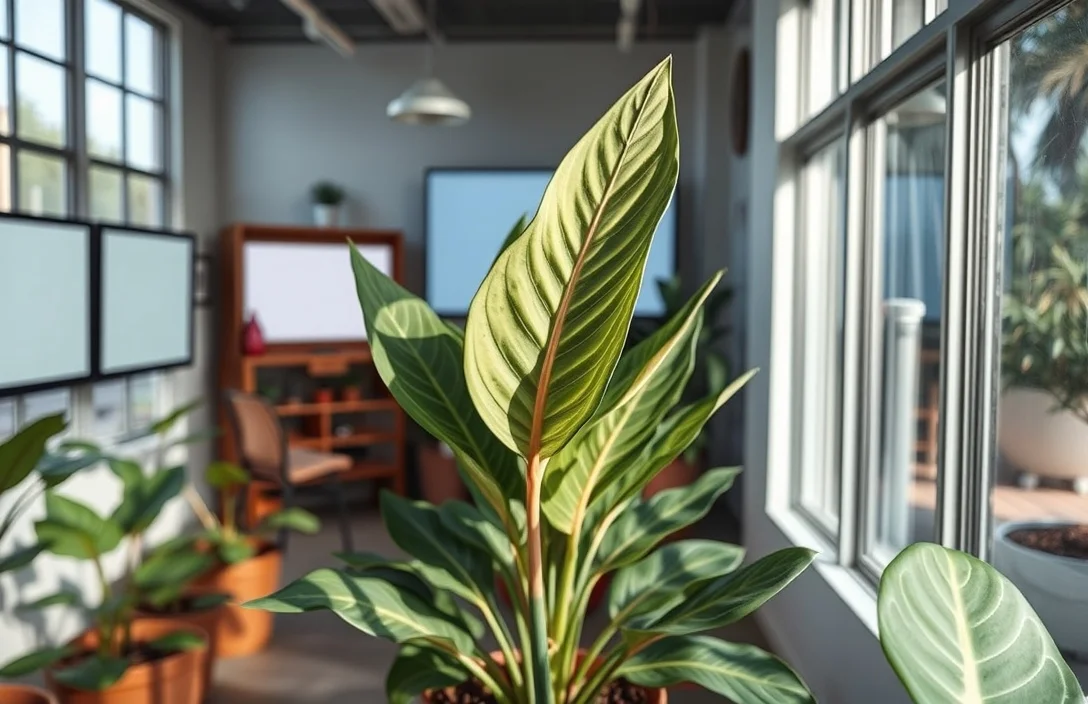
Growing Elephant Ears In Pots Indoors In 6 Easy Steps
Elephant ears in pots indoors are absolutely doable, but treat them like indoor tropicals, not normal houseplants. Most problems come from two things – weak light and inconsistent watering. This guide is built around the decisions you will make as you buy, pot, water, and troubleshoot elephant ears indoors.
Growing elephant ears in pots indoors works when you give bright light, warm temperatures, and a consistently moist (not soggy) potting mix. Most do well with regular watering and repotting as roots fill the pot. If leaf tips brown, the usual causes are low humidity, dry intervals, or salt buildup from fertilizer or hard water.
Key Takeaways
- Light controls growth. Aim for the brightest window you have, or supplement with grow lights for steadier leaves.
- Soil must drain. Use a potting mix that holds moisture but drains well, and never let the pot sit in water.
- Water by feel. Water when the top 1 to 2 inches feels dry, then drain fully.
- Warmth matters indoors. Keep them warm – cold slows growth and raises rot risk.
- Feed lightly. Use a balanced fertilizer at a reduced indoor rate, and stop feeding if growth stalls.
- Expect seasonal slowdown. Some elephant ear types rest indoors, so reduce watering during slower periods.
What to Know About Growing Elephant Ears in Pots
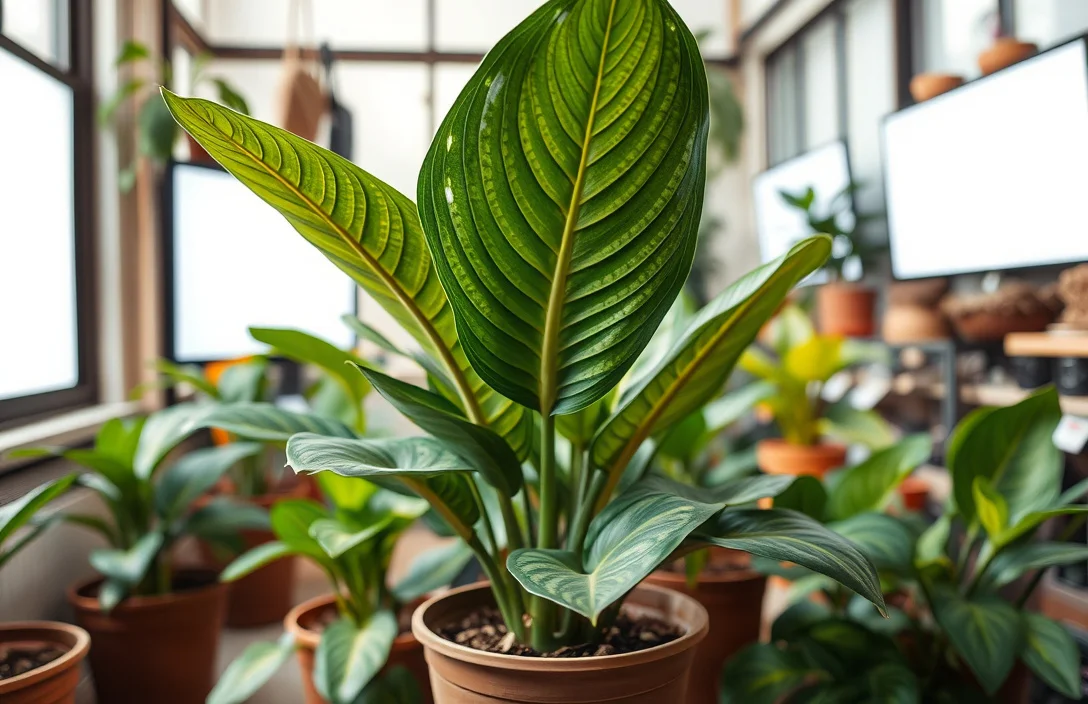
Elephant ears are large, fast-growing tropical plants, and indoors they behave like “seasonal tropicals” even when your house never changes. Leaves need enough light to keep transpiring water. Without it, you get weak stems and crispy edges. Warmth is just as important – cold, wet soil is one of the fastest paths to root rot.
Pot culture adds stress points. A smaller volume of mix dries faster, and it also concentrates fertilizer salts more quickly than an outdoor bed. For reliable results indoors, you need tighter control over light, drainage, and watering consistency than you would for most everyday houseplants.
Indoor success comes down to three jobs: build a healthy root system, support leaf growth with light and moisture, and prevent soggy soil. When any one of those slips, the plant shows it through leaf curl, yellowing, or slow new growth.
Things that matter most
Bright light is the first key – not just “some window light.” A north window is usually too dim. A south or west window is often workable if you acclimate slowly. If leaves stretch, lean, or come in smaller than expected, increase light before you change anything else.
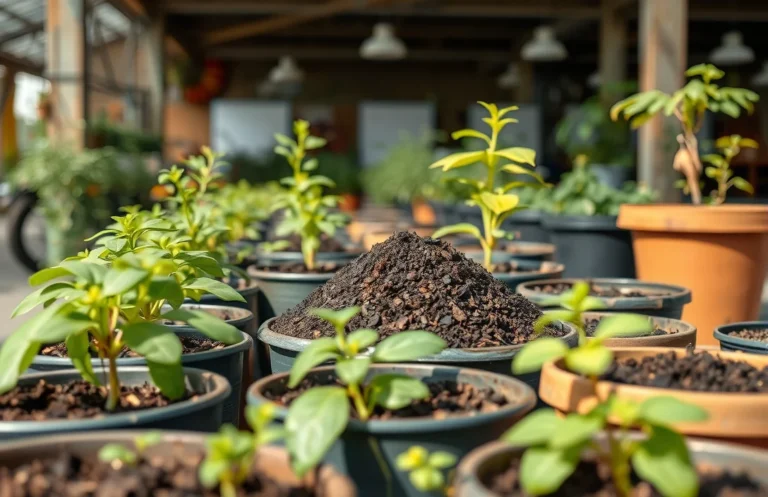
Drainage and pot size are the second key. Pick a pot with drainage holes, and size it so the mix stays stable without turning into a swamp. Too-large pots keep mix wet for too long, which is how mushy roots show up indoors.
Watering rhythm is the third key. Indoors, you cannot rely on daily sunshine to dry the pot. Use a consistent trigger: the top inch rule. Water thoroughly until excess drains, then wait until the top portion dries again.
Many elephant ears also come from corms or rhizomes, and some will slow down at some point. If your plant pauses and stops putting out new leaves, don’t assume it is dying. Check light and warmth first, then dial watering down only if growth truly stalls.
Here’s a checklist that prevents most failures:
- Bright light (window plus grow light if needed)
- Drainage holes and a mix that drains
- Watering based on soil dryness, not the calendar
- Warm room temperatures
- Fertilize lightly during active growth
- Accept slower periods if your type rests
Tips for Growing Elephant Ears in Pots
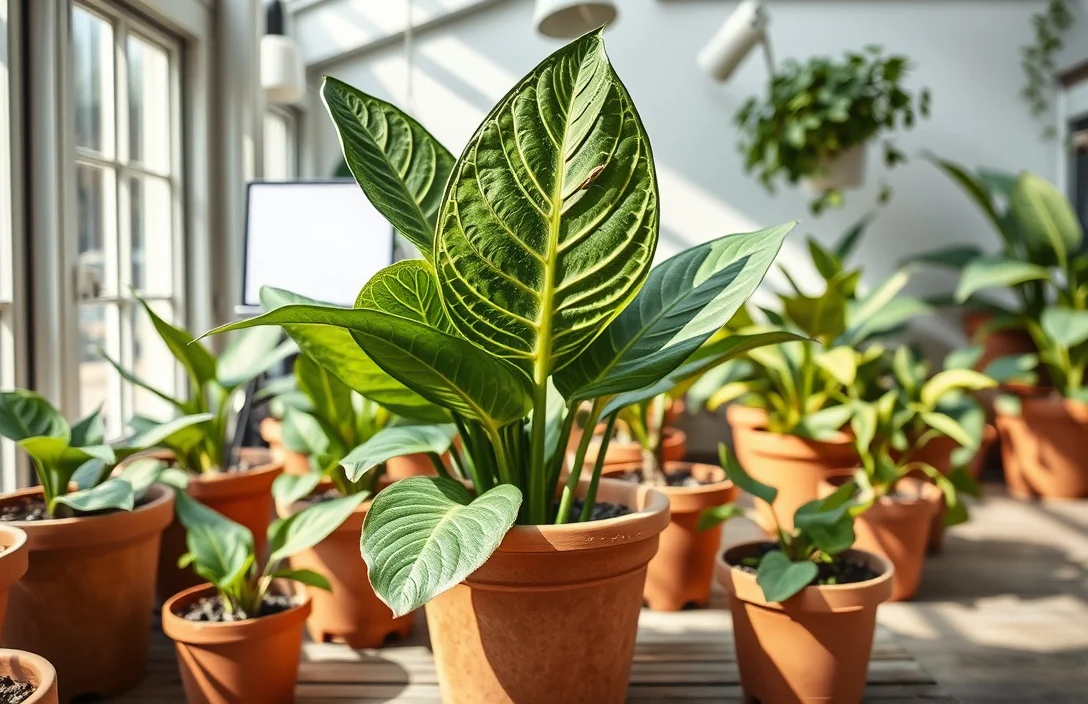
Start with the right pot and mix, because indoors is where setup choices get you. Use a quality potting mix and add structure (like perlite) if your mix stays wet too long. In a humid area, you can often go a little lighter on moisture-retaining materials since the mix dries slower anyway.
Watering tip: don’t “chase” problems with extra sips. If the top inch is dry and the plant is drooping, water deeply and let it drain. Frequent small waterings keep roots in consistently moist conditions, which invites rot.
Humidity tip: humidity helps, but it’s secondary to light and watering. If you see browned tips and crispy edges, increase humidity around the plant, group it with other plants, or run a humidifier nearby. If light is low, raising humidity won’t fix weak growth.
If you fertilize, treat it like indoor plant feeding, not outdoor feeding. Use diluted balanced fertilizer during active growth, then stop or reduce it if leaves yellow or growth stalls. Salt buildup is common indoors, so flush the pot occasionally with plain water and let it drain fully.
Repotting tip: only size up when roots fill the pot or growth noticeably slows despite good care. Corms and rhizomes often do well slightly snug. Too much extra mix can stay wet too long.
A simple routine that works for many indoor growers:
- Put the plant in the brightest spot you have.
- Check the potting mix daily for dryness at the top.
- Water deeply when the top 1 to 2 inches feels dry.
- Fertilize lightly during strong leaf production.
- Watch new leaves for size and firmness. Adjust light if they shrink.
- Reduce watering if the plant pauses.
Benefits of Growing Elephant Ears in Pots
Potted plants give you control. You can manage soil texture, drainage, and watering timing – exactly the variables that make or break indoor care. You can also move the plant closer to the window during bright months and away from drafts during colder spells.
Pots also solve space problems. Elephant ears get big, but with pots you can stage growth, use sturdy plant stands, and rotate positions so leaves get even light. If you’re in an apartment or have limited yard space, container growing is the practical choice.
Seasonal handling gets easier, too. If your elephant ear grows from corms that benefit from a rest period, you can reduce water and keep it in a stable indoor spot. That’s much harder to do in-ground.
Pots help with pests as well. Indoors, spider mites and fungus gnats are common. Pot plants let you spot problems early and isolate them. Keeping the mix healthy and avoiding long periods of wet soil reduces the conditions fungus gnats love.

Helpful pick
QRRICA Plant Pots 10/9/8/7.5/7 Inch Self Watering Pots, Set of 5 Plastic Planters with Drainage Holes and Saucers,Plastic Flower Pots,Nursery Planting Pot for Indoor Out Door Plants(Green)
Self-watering pots help maintain even moisture, reducing watering guesswork for indoor elephant ears.
Options for Growing Elephant Ears in Pots
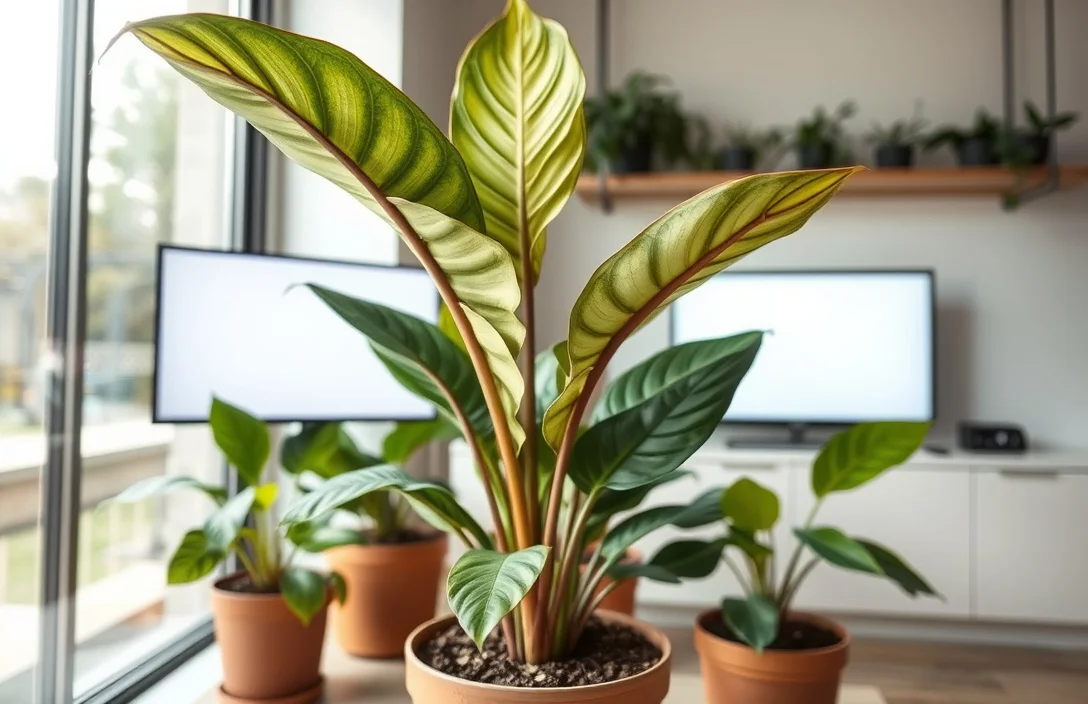
You have three main indoor setup options: window-only, hybrid (window plus light), and full grow-light mode. Window-only is the lowest effort, but it can be inconsistent, especially in winter. Hybrid setups often give the best balance. Full grow-light mode is reliable if you want steady growth year-round.
You also have to decide how you will start the plant. Some elephant ears begin as corms, and others come as potted plants already growing. With corm starts, be patient. Early growth depends on warming and consistent moisture without saturation.
Soil choice matters, too. Use a potting mix that drains well, and add aeration if the mix compacts. If you tend to overwater, a more drainage-focused mix is worth it. If you tend to forget watering, you may need a mix that holds moisture longer, but you still must avoid waterlogged conditions.
Finally, match your watering to the plant’s growth state. Some growers keep plants “active” indoors with light and warmth. Others follow rest by lowering water and keeping conditions calmer. Either approach works – but watering has to match what the plant is doing right now.
| Growing Approach | Key Spec or Setup | Best For | Main Trade-Off |
|---|---|---|---|
| Window-only | Bright south/west window, rotate weekly | Beginners with strong sun | Growth can stall in winter |
| Hybrid light | Window plus a grow light 6-10 hours | Most indoor homes | Extra equipment and routine |
| Full grow light | Grow light on timer, stable distance | Year-round leaf production | Higher electricity and setup time |
| Corm start in pot | Warmth, steady but not soggy moisture | Best value for new collections | Slower start, needs patience |
| Buy potted and maintain | Immediate established growth | Fast gratification | Harder to “reset” if issues start |

Helpful pick
YNNICO Indoor Self Watering Planters with Drainage Holes and Saucers, 8, 7, 6.5, 6, 5.5, 5 Inches, Green, 6 Pots.
Provides self-watering, drainage-enabled pots in multiple sizes, ideal for reliable indoor elephant ear growth in pots.
Expert Advice for Growing Elephant Ears in Pots
The most useful rule is simple: increase light before you increase fertilizer or water. Elephant ears respond to light with sturdier stems and larger leaves. If the plant is struggling, extra watering often makes the situation worse because low-light plants use less water.
Drainage is the next non-negotiable. Use a pot with drainage holes, and empty any water that collects in a saucer. If you use decorative cachepots, make sure the inner nursery pot drains freely and does not sit in pooled water.
Watch the plant, not the calendar. During active growth, the potting mix dries faster and the plant tells you it needs water. During slower periods, the mix stays wet longer. Many indoor growers cause rot by sticking to the same watering schedule year-round.
When leaf issues show up, connect them to the most likely cause quickly. Yellowing paired with soggy soil points to watering and drainage problems. Crispy edges paired with a dry mix points to underwatering, low humidity, or too-hot sun through glass, depending on the pattern.
If you want a “do this first” troubleshooting method:
- Step 1: Check soil moisture at the top 1 to 2 inches.
- Step 2: Confirm light exposure and window direction.
- Step 3: Inspect drainage, saucers, and whether the pot stays wet.
- Step 4: Adjust watering and light for 7 to 10 days, then reassess.
- Step 5: Only then change fertilizer or potting mix.
Don’t panic when elephant ears cycle through phases. Many indoor growers see a burst of leaves, then a lull. As long as growth points stay firm and the soil stays healthy, you can usually recover by keeping light strong and trimming watering slightly during the lull.

Helpful pick
Miracle-Gro Indoor Plant Food for All Plants, Liquid Plant Food for Houseplants, Flowers, Vegetables, Herbs, and More, 8 fl. oz., 2-Pack
Provides balanced indoor plant nutrients to support healthier growth as you manage light and watering as advised.
Examples: Growing Elephant Ears in Pots
A common beginner setup is a single elephant ear in a 10 to 12 inch pot near a bright window. If the first new leaves are small and pale, the fix is usually moving the pot closer to brighter light or adding a grow light, not changing fertilizer. With improved light, the plant often produces thicker, more substantial leaves because it can support transpiration and photosynthesis better.
Another example: big leaves, but the potting mix stays wet for 10 days. The likely causes are a heavy, water-retentive mix or a pot that’s too large for the current root mass. Reduce the risk by switching to a more aerated mix and only repotting up one size when the plant has filled the pot.
You may also see browned leaf tips even when you water “on schedule.” That often comes from dry air or inconsistent watering depth – the mix dries out, then gets resaturated repeatedly. Improving humidity around the plant and watering when the top inch dries helps smooth that swing.
One more realistic scenario: an elephant ear pauses mid-winter. The grower keeps watering the same amount, and the plant slowly declines. Check soil dryness more carefully, keep the plant warm, give it strong light, and reduce watering when growth has truly slowed.
For a quick “storyboard,” these changes tend to show up in order: light improvements often lead to sturdier leaves within a few weeks. Watering fixes often show up as fewer yellowing leaves within a week or two. Soil and root health take longer, so dramatic shifts rarely happen overnight.
FAQ
1) What’s the easiest way to start growing elephant ears in pots indoors?
Buy a potted plant if you want the fastest results, or start with a corm if you are patient. For either option, use a pot with drainage holes and a potting mix that drains well. Place it in the brightest window you have, and water when the top 1 to 2 inches of mix feels dry.
2) How much light do elephant ears need indoors?
Elephant ears do best with bright, direct-leaning light, usually a south or west window, or a grow light if your home is dim. If leaves come in small, pale, or stretched, increase light. Aim for consistent daily light exposure rather than random “sometimes” sun.
3) How often should I water elephant ears in a pot?
Watering frequency depends on temperature, light, and pot size, but the rule stays consistent. Water when the top 1 to 2 inches of the potting mix feels dry, then water thoroughly and let all excess drain. Don’t keep the mix constantly wet, especially in cooler months.
4) Are elephant ears safe to grow indoors if you have pets?
Elephant ears are typically considered toxic to pets if ingested, so keep them out of reach. Place the pot where pets cannot reach leaves or soil, and supervise if your animals chew plants. If ingestion happens, contact your vet promptly.
5) What’s the most common mistake people make when growing elephant ears indoors?
Overwatering in low light is the classic mistake. People follow a houseplant schedule, but elephant ears drink less in winter and can rot when soil stays wet. Fix the light first, then adjust watering based on soil dryness and ensure the pot drains freely.

- 10 Best Slow Cooker For Mess Free Cooking 2026 (Tested And Reviewed) - October 24, 2026
- 10 Best Slow Cooker With Leak Resistant Lid 2026 (Tested And Reviewed) - October 24, 2026
- 10 Best Slow Cooker With Spill Proof Design 2026 (Tested And Reviewed) - October 24, 2026