Full Sun Palm Trees In Pots Outdoors Explained Simply
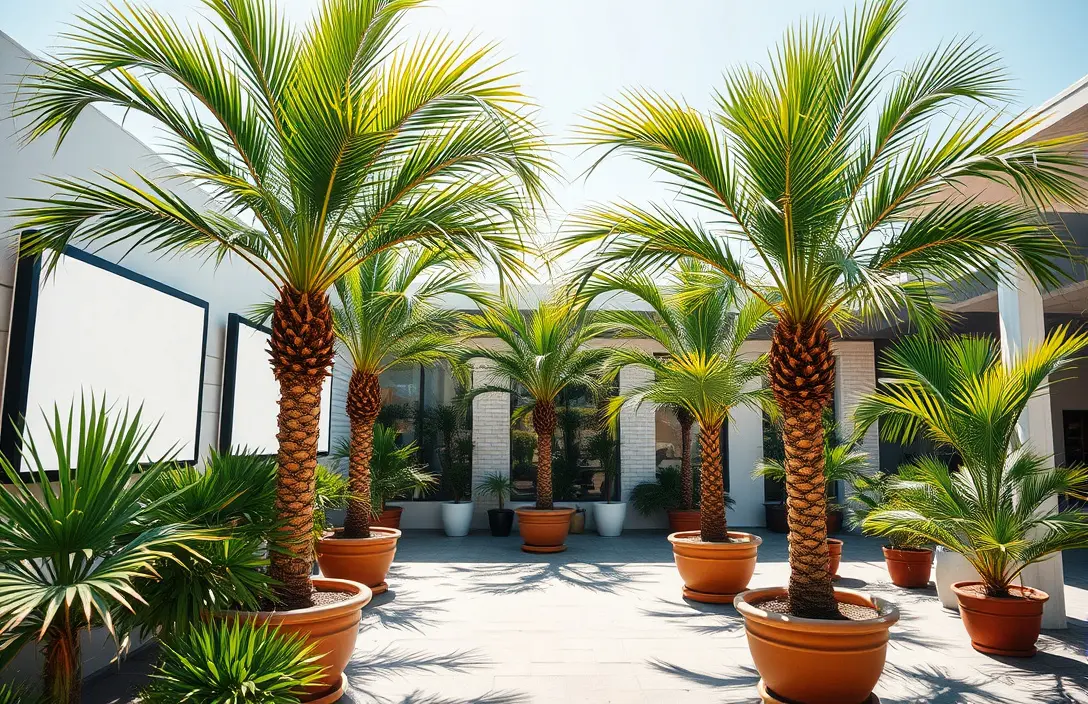
If you want palm trees outdoors in full sun using pots, the make-or-break factor is preventing overheating and root rot while still giving the plant enough light to thrive. Choose heat-tolerant palms, use a pot with excellent drainage, and water based on how fast your soil dries. This guide covers what to plant, how to pot it, and how to keep full-sun palms healthy.
Full sun potted palms usually thrive when the pot drains fast, the soil stays airy, and you water based on dryness instead of a calendar. Use a container mix that drains quickly, and never let water pool in the saucer. In hot U.S. summers, that often means checking the pot every 1 to 3 days.
Key Takeaways
- Choose heat-tolerant palms. Species matter more than fertilizer for long-term success in full sun.
- Use a fast-draining pot. Drainage holes and airflow keep roots from sitting in soggy soil.
- Size the pot right. Too-small pots dry out fast and can stress palms during heat spikes.
- Water by dryness. Check moisture frequently in summer and adjust to your sun and temperature.
- Harden off from shade. Sudden sun exposure can scorch fronds even for full-sun varieties.
- Feed in the growing season. Use a palm or balanced fertilizer and back off when growth slows.
What Works
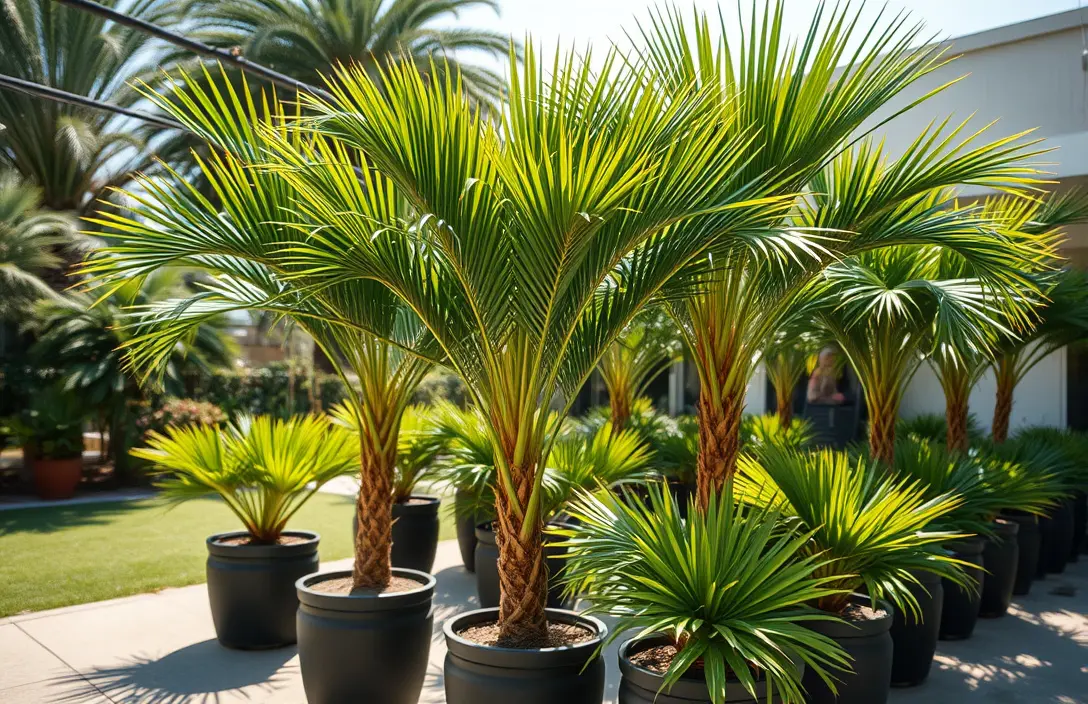
Full sun palms in containers work when you treat the pot like part of the growing environment, not just a decorative holder. In full sun, containers heat up fast and speed up drying. When drainage is poor, moisture can also linger long enough to damage roots. Containers also cool down at night, so the root zone can swing more than it would in the ground.
Start with three basics that matter more than anything else: a drainage-first pot, an airy soil mix, and watering that matches the weather. If you do only one thing, do this: pick a container with multiple drainage holes and a mix that drains freely. Then check the pot’s dryness before watering, especially during heat waves.
Palm expectations need managing, too. Many palms tolerate sun, but they still need time to adjust if they’ve been indoors, in shade, or in a sheltered spot. Fronds can look fine for weeks, then show stress once temperatures and light intensify. Plan for that adjustment period.
Container palms also depend more on you because their roots have less room to buffer extremes. In-ground palms can stay evenly moist even when conditions change; in a pot, the mix can swing from dry to wet. Your goal is “consistent, not constant” – you provide moisture as needed without keeping the mix saturated.
Which Palm Species Handle Heat in Containers
The easiest path to full sun outdoors in the United States starts with palms known for heat tolerance and resilience. Even then, containers limit you through pot size, winter temperatures, and how quickly the soil dries. “Heat tolerant” is the baseline, but the palm also needs to stay comfortable in a confined root system.
Common container-friendly options you may see include Mediterranean fan palm (often sold as a cold-hardy option), needle palm types, and some robust windmill palm selections. The specific species or cultivar matters – and so does its temperature tolerance in your area.
Narrow it down like this:
- Prioritize palms that can handle your summer highs without ongoing leaf scorch.
- Confirm the palm can tolerate your winter low temperatures for container life, since pots freeze more easily than ground.
- Choose a palm that’s already acclimated to outdoor conditions when possible, especially if you’re moving it from indoors.
If you’re unsure, treat nursery labels like clues. Verify mature size, light preference, and cold hardiness. Also match the palm to your care capacity. Larger palms need bigger pots and more water, and that’s where “great in theory” choices often fail in real backyards.
One more trade-off: faster-growing palms can look great quickly, but they may demand more consistent watering and feeding in containers. If you travel, work long hours outdoors, or tend to forget plants, pick something hardier, slower to demand attention, and size the pot to buy yourself time.
How Big Should the Pot Be for Full Sun Palms
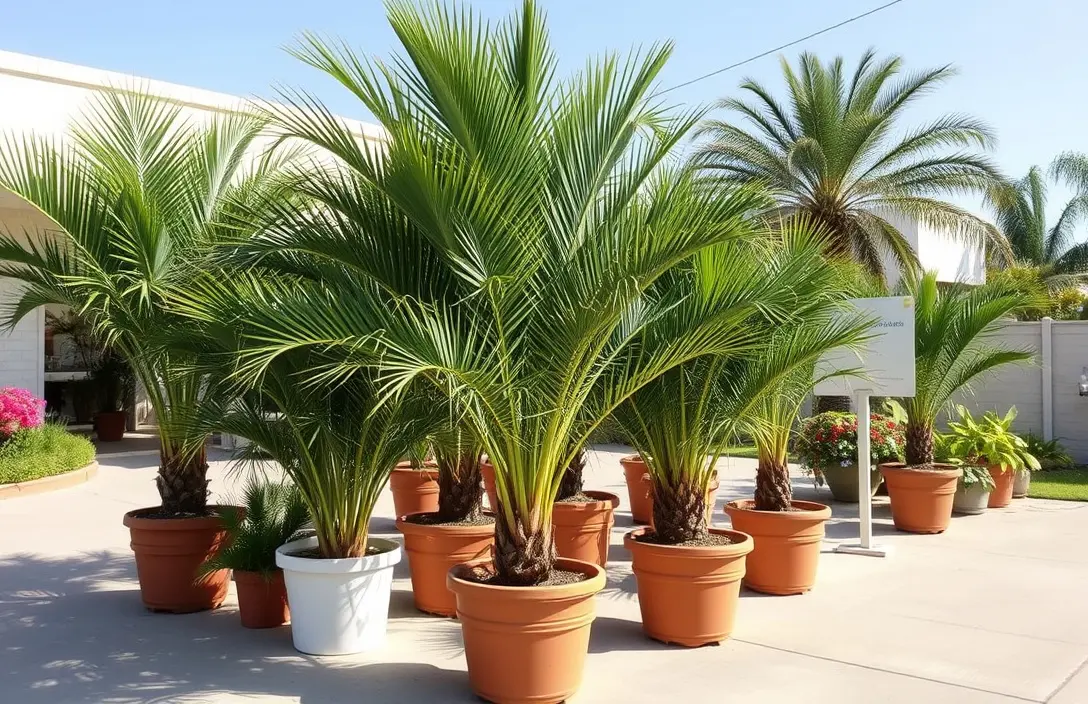
Pot size is about stability. In full sun, small pots heat and cool quickly and dry faster. That creates moisture swings that can slow growth, brown frond tips, or stress the palm after heat spikes.
A pot that’s too small is the most common container mistake. When the root zone dries down too fast, the plant can’t keep up with transpiration on hot, bright days. Then you water more frequently to compensate – and you can overcorrect by keeping parts of the mix too wet between checks.
Size up so the mix dries at a manageable pace. Many container growers aim for a pot diameter that leaves room for the root mass to expand for at least a growing season before it gets too tight. If you start with a small nursery palm, you usually don’t want to oversize by only a tiny amount and assume it will stay fine.
Mature size matters, too. Palms can become root-bound quickly in containers, especially if you repot too aggressively and disrupt roots. For outdoor container palms, it’s often better to choose a pot size that can hold a few years of growth than to repot constantly.
A practical way to decide:
- Look at the palm’s current root ball size and the tag’s mature height.
- Choose a pot large enough that the root zone stays evenly moist through your hottest stretch.
- Make sure the pot is heavy enough (or placed in a stable spot) so it doesn’t tip in wind.
If winter freezes are a concern, larger pots also buffer temperature swings. The extra soil mass insulates roots better than a tiny container, which matters when freezing nights show up.
Soil Mix and Drainage Rules to Prevent Root Rot
For full sun palms in pots, drainage is non-negotiable. Root rot isn’t caused by “too much water” in general – it’s caused by water staying in the wrong places long enough that roots suffocate. Containers make it easy to accidentally keep the mix too wet, especially if the soil is dense or water movement is slow.
Use a potting mix designed for drainage, not a dense garden soil. Dense mixes compact over time, and in sun-heated containers they slow down water movement. You want a blend that holds some moisture but drains quickly and stays airy.
Follow these rules:
- Use a pot with drainage holes. No exceptions.
- Don’t let water pool in saucers or decorative cachepots.
- Avoid soil that stays wet after watering, especially if it takes more than a day to lighten up.
- Keep the root ball at the right depth so water doesn’t collect around the trunk.
If you mix your own, aim for balance: mineral and organic components that don’t collapse, plus drainage that keeps the mix from becoming a wet sponge. Many people add coarse amendments to improve airflow and reduce compaction. Exact recipes vary, but “airy and fast-draining” is the goal.
Pot material changes how fast things dry. Terracotta dries faster than plastic. That can help in humid areas, but it can become risky in dry or hot climates if you forget to check the soil. If summers are intense and you’re busy, choose pot material and mix behavior that won’t dry out to bone-dry too quickly.
One drainage detail people miss is how water exits the pot. If you water in a way that channels through the surface but doesn’t reach the bottom, the bottom can stay wet and oxygen-poor. Water slowly enough to soak the mix evenly, then stop when you see drainage.
Root rot is difficult to reverse. Your best defense is preventing chronic saturation in the root zone with fast drainage and a watering routine that responds to dryness.

Helpful pick
Zelihrdu Artificial Areca Palm Plant Silk Fake Potted Faux Tree in Pot for Indoor Outdoor Modern Decoration House Living Room Home Decor Wedding Office Floor Garden (31″ Green)
This outdoor-ready Areca palm in a pot helps illustrate why proper drainage matters for containers.
Watering Schedule for Full Sun Potted Palms
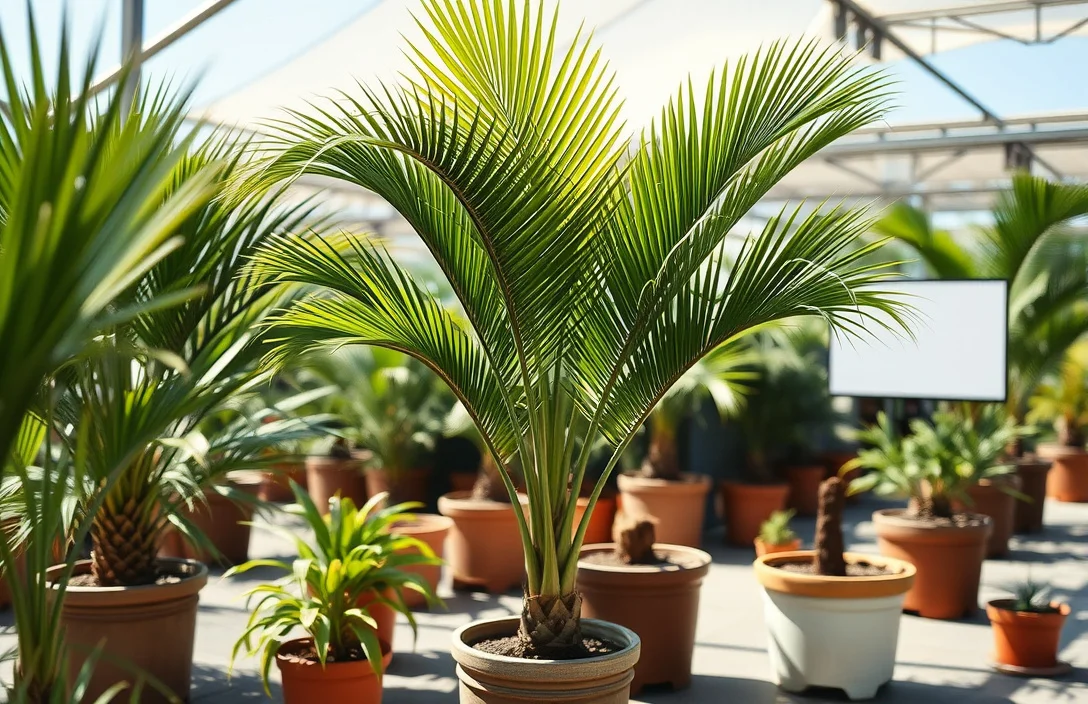
There’s no single watering schedule that fits every full sun container palm. Sun intensity, heat, humidity, wind, and pot size all change how fast the mix dries. The reliable system is straightforward: water when the mix dries enough that the palm actually needs it, then water thoroughly until it drains.
In many U.S. locations during summer, that can mean checking the pot every 1 to 3 days, sometimes daily during extreme heat. If the top looks dry but the root zone is still moist, you risk overwatering. If the entire mix is dry down deep, you risk drought stress.
Use a “check then decide” routine:
- Stick a finger or probe a couple inches into the mix.
- Water only when that depth is dry (or close to dry) for your palm and container.
- Water until it drains out the bottom, then wait for the next dry cycle.
Weather changes the equation. A humid day after rain slows drying dramatically. A windy, hot day can dry the same pot faster than you expect. Let the schedule flex with conditions, not with habit.
Daily watering isn’t automatically “good care.” In a fast-draining pot, it might be necessary, but in many cases it keeps the mix too wet and raises rot risk. The real issue is how long the mix stays saturated.
Watch for early signs and adjust. Brown tips can be misleading because older fronds look worse under stress, but persistent drooping, repeated yellowing, and a consistently damp mix are strong signals of too much water. A consistently bone-dry mix points to not enough water.
The most stable routine is usually “thorough watering, then wait to dry enough to need it.” Container palms do best when you avoid both extremes.
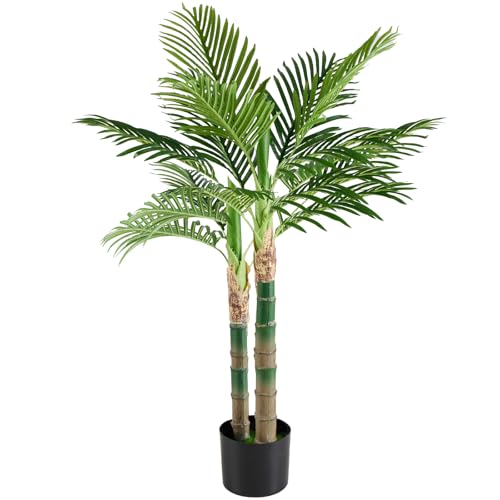
Helpful pick
DUMOS 4FT Artificial Palm Tree, Realistic Faux Indoor Floor Plant in Pot for Living Room, Bedroom, Office Corner, Modern Home Decor, Tropical Greenery Accent
Low-maintenance palm option that stays vibrant outdoors without watering, ideal for sun-driven pots.
How to Protect Potted Palms From Sudden Sun Stress
Sudden sun stress happens even when a palm handles full sun once it’s established. A palm that was indoors, behind a fence, on a shady patio, or simply sheltered from harsh afternoon sun can scorch when moved directly into full sun. The plant needs time to adjust its photosynthesis and water balance.
Harden it off with a plan. Start with morning sun plus shade during the hottest part of the day, then increase exposure gradually over 7 to 14 days. If temperatures jump abruptly or you place the palm near a reflective surface (like a white wall), stretch the adjustment period longer.
Heat also builds up around the trunk and crown area. Leaves can tolerate light, but the palm’s base can overheat if the container is baking and drainage isn’t consistent. Keep the pot away from materials that reflect heat, and make sure air circulates around it.
Wind intensifies stress by increasing transpiration. A palm in full sun plus strong wind dries faster, and if your watering doesn’t keep up, fronds can brown quickly. During the first couple weeks after moving into full sun, check soil dryness more often.

Helpful pick
Keeplush 5ft Artificial Palm Tree Indoor Plant Tall Fake Tropical Paradise Palm Tree in Pot with Real Bark Design Faux Areca Palm Tree for Home Office Living Room Bedroom Farmhouse Modern Decor 1pcs
These artificial palm trees provide sun-stress-free decor, eliminating scorch risk when displaying palms outdoors.
When you need a quick intervention:
- Provide temporary shade during the first intense heat stretch, especially after midday.
- Use breathable shade cloth, not a tarp that traps heat and humidity.
- Base watering on soil dryness, not on the idea that “sun means daily watering.”
If fronds scorch, don’t panic. Healthy palms keep producing new growth. Damaged older fronds usually won’t fully recover, but new leaves show whether the palm is adapting.
The biggest mistake is rushing the move. “Full sun” doesn’t mean direct transplant from the garage to 12 hours of blazing light. Build exposure slowly so watering needs stay aligned with actual drying.
Fertilizing and Seasonal Care for Outdoor Container Palms
Fertilizing container palms works best as consistent support during active growth, not constant feeding. In full sun and warm weather, palms use nutrients to build new fronds. Overfertilizing can burn roots or push growth that’s more vulnerable to stress.
Use a fertilizer labeled for palms or one that matches palm needs (often formulated with micronutrients and balanced NPK). Follow the label rate for container use and don’t double it because the pot is small. Root burn can look like a watering problem until you realize fertilizer salts have been accumulating.
Feed according to growth. When temperatures support active frond production, fertilize on the interval listed on your product label. When temperatures drop and growth slows, pause or reduce feeding so the plant can rest.
Water affects fertilizer safety, too. Apply fertilizer to moist soil, not bone-dry mix. Dry roots plus fertilizer salts can stress plants quickly, especially in containers where salts don’t get flushed by the soil in the ground.
Salt buildup is a real container issue, particularly with hard water. Over time, minerals can accumulate. When needed, do a thorough watering “flush” – let plenty of water run through to carry away accumulated salts as long as the pot drains freely.
Winter care often comes down to timing and insulation. Freezing temperatures around the root ball are the biggest container challenge. Even cold-tolerant palms may struggle if the root zone freezes solid. In freeze-prone regions, protect the container and consider moving the plant to a sheltered spot or insulating the pot when conditions warrant.
The practical approach is simple: feed during growth, water based on dryness, and protect roots when temperatures drop.
FAQ
FAQ
What full sun palm trees can you grow in pots outdoors?
Heat-tolerant palms that also match your local winter lows are the best bet. In practice, choose a palm species you can verify as sun-capable, then confirm cold hardiness for container roots, since pots freeze faster than ground. If your palm will be moved outdoors from indoors, plan a 1-2 week hardening period.
How often should you water potted palms in full sun?
Check the soil every 1 to 3 days during hot weather, and water when the mix dries a couple inches down. Full sun containers often dry faster than you expect, so a fixed weekly schedule usually fails. Water thoroughly until it drains out the bottom, then wait for the next dry cycle.
Can potted palms survive outdoors in freezing temperatures?
They can, but container roots are more exposed than in-ground roots. Many palms need some form of protection during freezes, such as insulation around the pot or moving to a sheltered area. If freezing is frequent in your area, choose the cold-hardiest species that fits your conditions and don’t rely on casual overwintering.
What’s the most common mistake with full sun palms in containers?
Overwatering because the top looks dry or because watering is done on a calendar. Pots can trap moisture if drainage is poor, which increases root rot risk. The fix is drainage-first pots and watering based on actual dryness at the root zone.
Are there alternatives to full sun for container palms?
Yes. If you’re struggling with scorch or drying out too fast, shift to bright sun with protection from the hottest afternoon hours. Many palms grow well in intense light without needing 12 hours of direct exposure on day one, especially during acclimation. Once established, you can gradually increase sun.
Keep your next step simple: pick a heat-tolerant palm that matches your winter lows, pot it in a drainage-first container mix, and start it in morning sun for 1-2 weeks before moving to full sun.

- 10 Best Slow Cooker For Quick Preparation 2026 (Tested And Reviewed) - October 18, 2026
- 10 Best Slow Cooker For Family Meal Preparation 2026 (Tested And Reviewed) - October 18, 2026
- 10 Best Slow Cooker For Freezer Meal Preparation 2026 (Tested And Reviewed) - October 18, 2026