Plants For Large Outdoor Pots In 6 Easy Steps
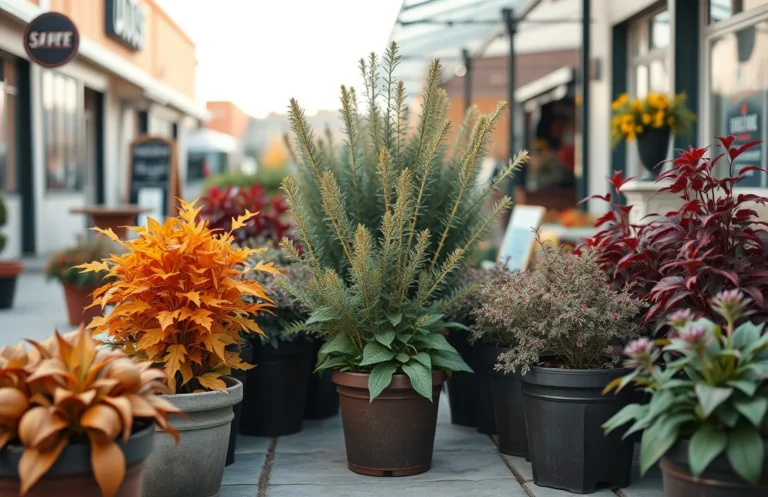
Large outdoor pots dry out faster than garden beds, especially in summer wind, so the plant choice matters as much as the soil. If you want a deck or patio look that actually holds up, pick plants that tolerate weight, limited root space, and irregular watering. This guide sorts the basics that prevent disappointment from specific, reliable options by role and light level.
Plants for large outdoor pots stay easiest to keep when you match root depth to pot size and choose plants that fit your sun and watering habits. Deep-rooted perennials, compact shrubs, and trained climbers usually do well in containers. Build the design around one “thriller,” one filler, and the right spiller. Plan for at least 15-20 gallons per big plant, and use a potting mix that drains well.
Key Takeaways
- Pot volume drives success. Plan roughly 15-20 gallons for a single large container plant, larger if it’s woody.
- Drainage is non-negotiable. Use pots with real drainage holes, then confirm water runs out within minutes.
- Match light to the label. Full sun containers need direct sun, not “bright shade,” for most flowering plants.
- Feeding schedules work. Large pots run out of nutrients faster, so use slow-release fertilizer or regular liquid feed.
- Choose “container-smart” plants. Look for terms like “compact,” “dwarf,” or proven container habit, not just outdoor plants.
- Overwinter planning matters. Decide now whether you’ll protect roots or move pots indoors before temps drop.
What to Know Before You Buy Plants for Large Outdoor Pots
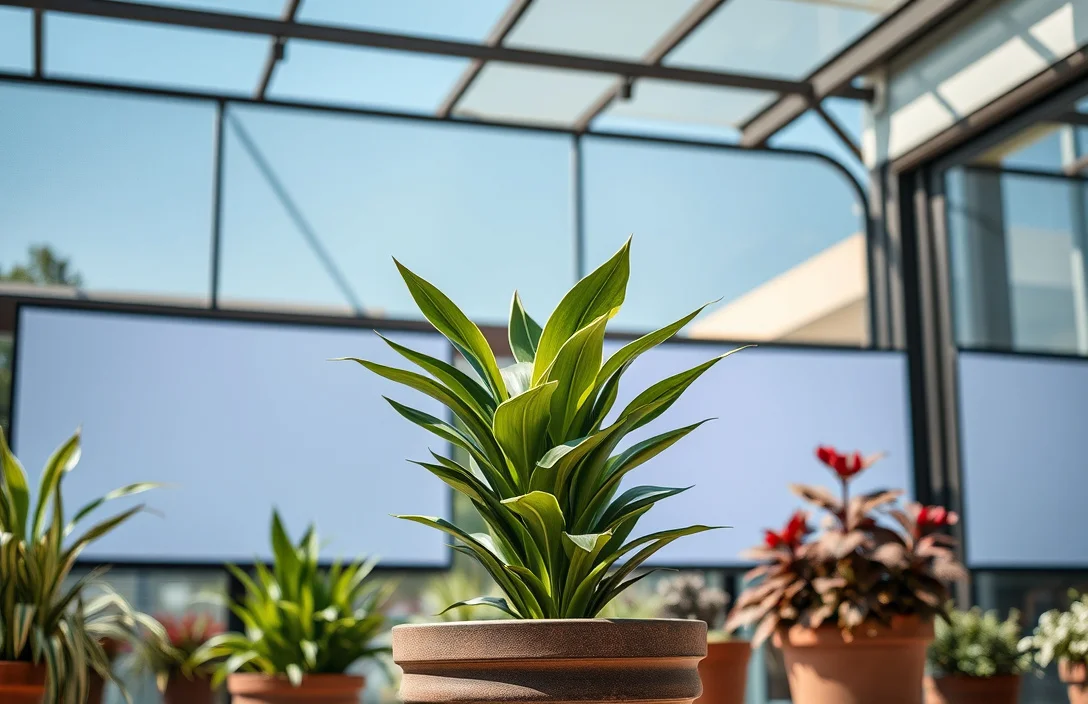
Large outdoor pots create a tighter, more stressed root environment than many people expect, even when the pot looks big. Temperature swings hit the exposed soil harder, and moisture cycles faster because wind and sun attack from every side. Your plants need “container life” tolerance, not just general outdoor hardiness.
Start with pot size and drainage, since those are the two things you can control perfectly. Even a large container is still a container, and roots suffer quickly when water sits at the bottom. If your pot is a decorative outer pot with an inner liner or cachepot, make sure water isn’t trapped between them.
Then judge growth pattern, not just height. A plant that spreads wide will fill the pot quickly and compete with neighbors. A deep-rooted plant needs enough depth to avoid living in a shallow pocket. For a dramatic look, choose one anchor plant and build around it instead of trying to cram multiple full-size specimens into the same container.
Plan for feeding and maintenance up front. Large pots need fertilizer on a schedule because the soil volume is finite and nutrients wash out during watering. Use a potting mix made for containers, then add slow-release fertilizer when you plant.
Things that matter most
Large pots deliver structure on a patio or entryway, but they also make mistakes expensive. Poor drainage, the wrong soil mix, or mismatched light can be hard to fix once plants are established.
Follow these rules to choose confidently:
- Match light first. Full sun labels usually mean 6-8 hours of direct light in most US locations.
- Treat watering like a system. Deep watering matters, but the pot must drain fast enough to prevent soggy roots.
- Prioritize root health. Potting mix should stay airy, and the container shouldn’t stay wet for long.
- Combine only compatible growth habits. Use upright, spilling, and filler plants only when their mature sizes fit the pot.
- Plan for faster nutrition depletion. Use slow-release fertilizer or periodic liquid feeding.
A “dry run” reduces regret. Set the pot in place first. Confirm sun exposure based on the plant’s light needs, then check drainage by watering and timing how quickly water runs out. You can often fix drainage with a better potting mix, but a pot that traps water is a deal-breaker.
Weight and mobility also matter. Many large pots become extremely heavy once filled. If you might move them for winter or storms, choose a size you can handle, and consider pot feet, draining saucers, and dollies or handles.
Tips to Make Plants for Large Outdoor Pots Actually Thrive
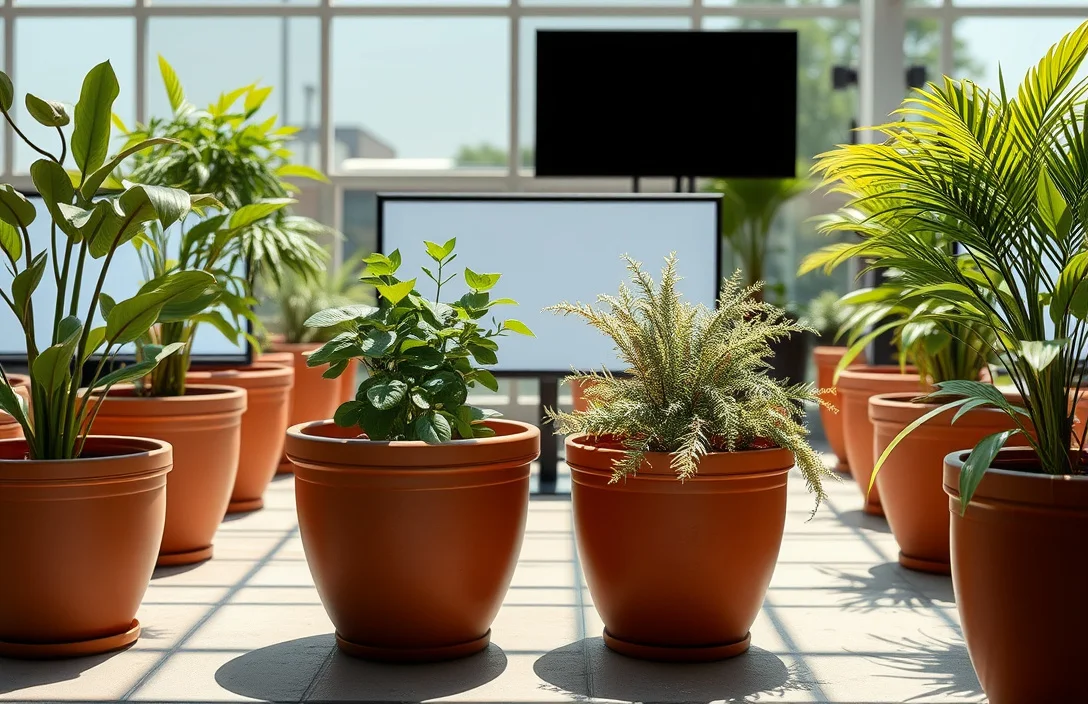
The quickest way to keep large containers from failing is to set up the planting so the plant can’t “fail immediately.” Soil comes first, then spacing, then consistent watering.
Use these tips in this order:
- Use a quality container potting mix. Skip garden soil. It compacts in pots and holds too much water.
- Fill correctly, not loosely. Leave the right space at the top for watering and don’t compress the mix.
- Plant for mature size. Give each plant enough room for its normal spread so it doesn’t choke neighbors.
- Water deeply, then let it dry slightly. Large pots still need a cycle, not constant dampness.
- Mulch strategically. A thin layer reduces evaporation, but don’t bury the crown.
- Feed like a container gardener. Add slow-release fertilizer at planting, then use liquid feed during active growth.
If you want a thriller-spiller-filler arrangement in a single 24-30 inch pot, pick one main upright plant that anchors the look all season. Add one or two supporting plants that tolerate the same light and watering. Finish with a spill plant that can handle wind, since containers amplify leaf damage.
Watering technique decides more than most people expect. Water until you see runoff, let the pot drain completely, then check how fast the top starts to dry. If it stays wet for days, you need better drainage, a different mix, or fewer plants in the same volume.
If you’re growing something seasonal, write the schedule on day one. Containers often need pruning, deadheading, and fertilizing more frequently than in-ground plantings because they’re working with less stored resources.
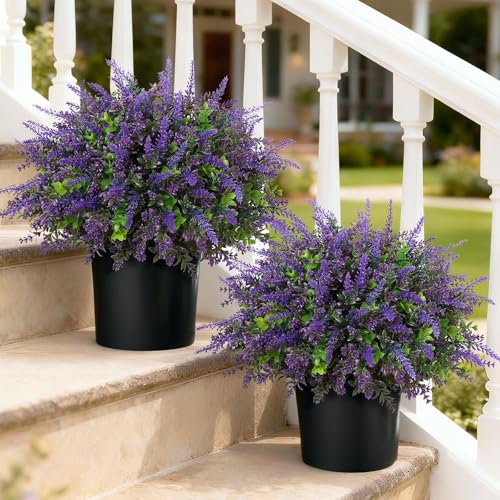
Helpful pick
2 Sets Artificial Eucalyptus & Lavender Topiary Trees for Front Door – Faux Lavender Potted Topiary Trees, UV Resistant Fake Outdoor Plants for Farmhouse Porch Garden Decor
These faux topiary trees provide instant height and structure in large outdoor pots, aligning with mature-size display goals.
Benefits of Large Outdoor Pots (and Why the Plant Choice Matters)
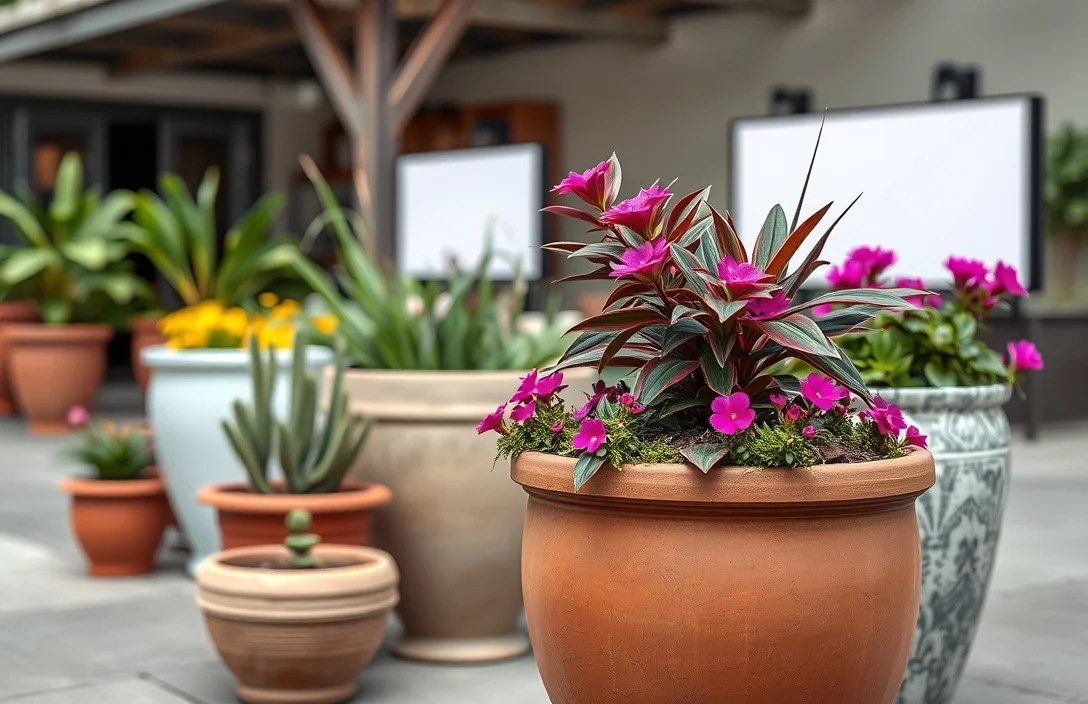
Large outdoor pots give instant structure on a patio or entryway, and you can change the look without tearing up the ground. One well-chosen pot can deliver height, texture, and seasonal color in a way that small planters can’t. If your space is narrow, containers are usually a cleaner solution than trying to “make do” with in-ground plants.
Containers also let you control conditions. You can tailor soil quality, drainage speed, and plant health when your yard has heavy clay or very sandy soil. You can also reduce certain pest problems by keeping the container area clean and selecting plants that hold up well in pots.
Mobility is another real win. In the US, heat waves, heavy rain, and early frost all stress containers. When you can move pots to shelter, you can save plants that would otherwise struggle. Even without moving them, you can shift microclimates by placing pots under overhangs or near walls that reflect heat.
Finally, large containers create design flexibility. Match pot color to siding, swap plant themes by season, and repeat pots along a walkway to create a clear “rhythm” instead of random scatter.

Helpful pick
Hollyone 17.7″ Fake Fern Potted Plant Small Artificial Boston Ferns in Pot 25 Leaves for Outdoors & Indoor Faux Fern Bush Plant for Patio Garden Farmhouse Windowsill Office Living Room Home Decor
Tall, realistic fern adds height and textured greenery to large outdoor pots, delivering instant structure.
Reliable Plants for Large Outdoor Pots by Role and Light
The best picks come from building by plant roles. You want one upright anchor, a middle layer for seasonal interest, and a plant that softens the edges.
Solid container-friendly categories you can mix and match:
- Evergreen or semi-evergreen anchor plants. They keep the pot attractive in winter and early spring.
- Flowering perennials with strong container habits. They bring color without constant babysitting.
- Herbs and flowering herbs. They add fragrance and usually stay manageable in pots.
- Compact shrubs or dwarf standards. They bring shape and often tolerate pruning well.
- Climbers on a pot trellis. Ideal for vertical interest when the pot is large enough for roots.
- Seasonal annual color. Best for quick refreshes when you’re okay replanting.
When choosing specific plants, use the label’s mature size and light requirement, then sanity-check against your pot size. A plant that looks small at the nursery can still get big, and a pot that’s too small can stall growth or shorten bloom time.
Budget planning also helps if you’re buying multiple pots. As one reference point from a national retailer, Big Blue Eryngium is listed with a starting price of $29.99 and a current price of $23.99, and Clematis Taiga is listed as 1 for $29.99 and $22.49. These figures are just examples, but they show how quickly “one plant” turns into multi-plant cost when you build a full container design.
| Container Plant Option | Typical Role in a Pot | Key Spec to Match | Best For |
|---|---|---|---|
| Compact evergreen shrub | Anchor | Mature height and width fit your pot | Year-round structure |
| Hydrangea (choose container-appropriate types) | Showy bloom | Sun/part shade and winter tolerance | Big flowers on patios |
| Compact flowering perennial | Main color | Bloom season and mature spread | Long season with less replants |
| Herbs (rosemary, thyme, oregano) | Texture + scent | Full sun and drainage | Low-fuss fragrance |
| Clematis on a trellis | Vertical interest | Support needs and sun | Walls, entries, tall pots |
| Seasonal annuals | Bright filler | Heat tolerance and watering needs | Quick seasonal change |

Helpful pick
Fake Plants Artificial Plants Outdoor for Front Door Decor, 2 Pack Boxwood Fake Potted Plant Artificial Greenery Realistic UV Resistant Faux Outdoor Plant with Pot for Outside Porch Garden Patio
Offers a container-friendly evergreen anchor for large outdoor pots, ensuring year-round structure and visual mass.
Pro Rules for Plants in Large Outdoor Pots
The “pro look” comes from container-nursery thinking, not backyard gardening habits. The strongest shortcut is consistency: same potting mix style, same feeding approach, same watering pattern, and plants grouped by similar light and water needs.
One rule I follow: keep the number of “big consumers” low. In a large pot, one strong anchor plus one or two supporting plants usually looks better than a five-plant mix. Crowding forces competition for water and nutrients, and the smallest plant tends to fail first.
Treat container soil as temporary. Even in big pots, potting mix breaks down over time and nutrients leach out. For most US container setups, slow-release fertilizer at planting plus periodic liquid feeding is the reliable combination.
Root space depth is another detail people miss. Pot diameter gets the attention, but depth affects moisture stability and plant steadiness. If your plant naturally forms deeper roots, choose a pot deep enough that the crown and root mass aren’t trapped in a shallow soil layer.
Winter planning should start before you plant. In many US climates, the biggest winter container problem is root freeze-thaw cycles, not air temperature. If you can move pots, do it. If you can’t, choose more cold-tolerant plants and insulate the root zone in a way that fits your climate.
Examples You Can Copy
These container combinations are easy to imagine and easy to adapt. They match plant roles with pot sizing logic and the right “watch for” details.
For a classic sunny patio container, use a hardy upright anchor and a spill plant. Example: flowering clematis trained on a small trellis, with a compact flowering perennial in the middle and a trailing plant at the rim. Clematis delivers vertical interest without adding more pots. Expect a little lag in a brand-new container because clematis needs consistent moisture and takes time to establish.
For a simple evergreen-plus-color approach, I like one evergreen anchor for winter structure and then rotate color for spring and summer. Example: pair a container-friendly shrub or evergreen with hydrangea-like showy blooms (only where the sun and winter conditions match) and add seasonal annuals for bright mid-season color. The evergreen keeps the container looking finished in early spring while perennials wake up.
If you want a low-maintenance, fragrant container, build around herbs. Example: rosemary or thyme as the anchor, with oregano and other compatible herbs as fillers, then add flowering herbs or hardy small perennials for color. Herbs in large pots need excellent drainage and lots of sun, so place the container where it gets direct light.
For part-shade or dappled light areas, choose plants that tolerate less direct sun and avoid “full sun only” labels. Example: a hydrangea-type centerpiece (only where winter hardiness and light conditions align), plus shade-tolerant perennials and a soft-edged spiller. You’ll usually get fewer blooms in shade, but you can still create strong texture and leaf interest by matching mature size and spacing.
FAQ
What size pot do I need for plants for large outdoor pots?
Aim for at least 15-20 gallons for a single large anchor plant, and go bigger for woody plants or anything that spreads. Larger pots hold moisture and nutrients longer, which reduces stress during heat waves and windy days. If your pot is far smaller than that, choose compact varieties and accept slower growth.
What’s the easiest soil to use in large outdoor pots?
Use a container potting mix, not garden soil. Container mixes are lighter, drain better, and resist compaction, which helps prevent root rot. In big pots, make sure the mix drains freely and consider slow-release fertilizer at planting time.
How often should I water large outdoor pots?
Water deeply when the top inch or two of mix feels dry, then let the pot fully drain. In hot US summers, that can be daily for some setups, while part-shade containers may need less. The fastest way to get the routine right is to check moisture consistently for the first 1-2 weeks.
Are large outdoor pots safe for winter plants in the US?
They can be, but winter root freeze-thaw cycles are the usual issue. If you can move pots, move them to a protected spot. If you can’t, insulate the pot and choose plants rated for your local cold, then monitor after early frosts.
What’s the most common mistake with plants for large outdoor pots?
Buying plants that don’t match your light level, then watering as if the setup behaves like in-ground planting. Full sun plants in shade often stall, flower less, and weaken over time. Match the label light requirement first, then dial in watering and feeding.
If you want a reliable next step, measure your pot’s diameter and estimate its volume, then note where it sits (morning sun, afternoon sun, or shade). Pick one anchor plant that matches that light and a rim-friendly spiller, and you’ll have a container that looks good all season.
- 10 Best Slow Cooker With Cool Touch Handles 2026 (Tested And Reviewed) - October 22, 2026
- 10 Best Slow Cooker With Quality Construction 2026 (Tested And Reviewed) - October 22, 2026
- 10 Best Slow Cooker With Premium Construction 2026 (Tested And Reviewed) - October 22, 2026