Pots Of Water On Radiators: 3 Tips Worth Trying
Pots of water on radiators can add moisture because radiator heat warms the water until it evaporates into the room air. If winter dryness makes your home feel harsh, this can be a simple alternative to running a whole-room humidifier. This guide covers what works, what to avoid, and how to choose a setup that stays safe around kids and pets with common radiators found in the United States.
Radiator water pots work because warm radiator heat evaporates water slowly into indoor air. Use a stable, heat-tolerant container sized for about a quart, and expect the biggest effect in the room where the radiator runs hot. The cleanest approach is a purpose-made radiator humidifier. A random mug or bowl can tip, shift, or spill when the radiator area warms and when someone bumps the setup.
Key Takeaways
- Evaporation drives humidity. Warm radiator heat slowly evaporates water into indoor air.
- Use stable containers. Hang-on or top-mounted pots reduce the chance of spills and tipping.
- Best with hot radiators. Lukewarm radiators evaporate water much more slowly.
- Expect small-room impact. Passive setups help most in a small to medium room.
- Avoid mildew risk. Refill and monitor so you do not create persistent damp areas.
- Choose the right style. Ceramic or stainless typically handle heat better than random cups.
What to Know About pots of water on radiators
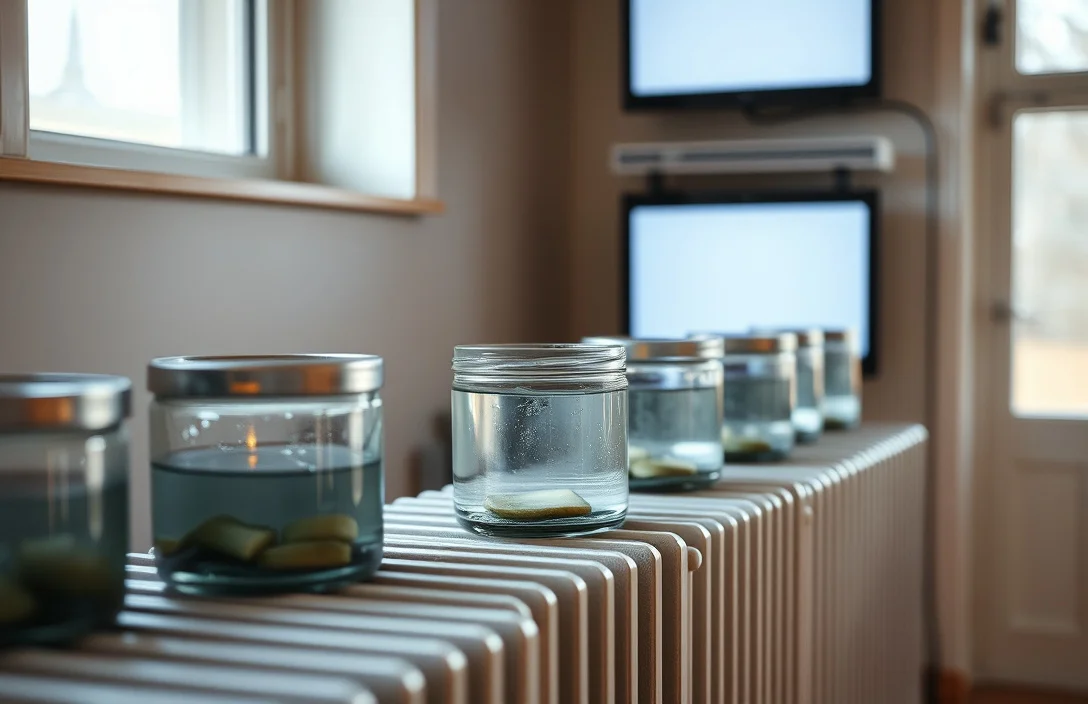
Pots of water on radiators raise humidity by evaporating water with the heat your radiator already produces. As the radiator warms up, the water in the pot (or a dedicated radiator humidifier) turns into vapor that disperses into the room. No electronics required.
This works best when your radiator actually gets hot. If the radiator only runs lukewarm, the water won’t evaporate quickly, and the humidity gain stays limited. Cast iron radiators, and many hot-water or steam radiators, often provide steady warmth during operation, which can make this method more effective than you’d expect.
“Pots of water” can also mean two very different setups: a true DIY bowl or pot sitting on top of the radiator, or a purpose-made hang-on or top-mounted radiator humidifier. Safety and predictability depend on that choice.
A dedicated radiator humidifier uses heat-tolerant materials and designed hooks or mounting points so it can’t slide off as the radiator warms. A random mug or bowl can tip if it’s too light, too small, or placed where someone bumps it.
Things that matter most
Safety and practicality decide whether this is worth using. The cleanest option is a hang-on ceramic or stainless radiator humidifier that attaches to the radiator instead of balancing on top. It’s also quiet because it doesn’t use a fan or pump.
Capacity affects how often you refill. Many radiator humidifiers hold around a quart, so you’re not checking constantly. Some plastic radiator humidifiers also list specific sizes, like a reservoir measuring 14-3/16″ wide x 8″ tall x 2″ thick, plus 6-1/2″ tall hooks meant to fit different radiators.
Where the moisture goes matters, too. These setups are passive, so they won’t “level” humidity the way a controlled ultrasonic unit can. You’ll usually notice the change in the immediate room, especially near the radiator.
Watch for signs you’ve crossed from “helpful moisture” into “too much.” Condensation on windows and damp, musty smells near the radiator area are your cue to reduce moisture input.
Tips for pots of water on radiators
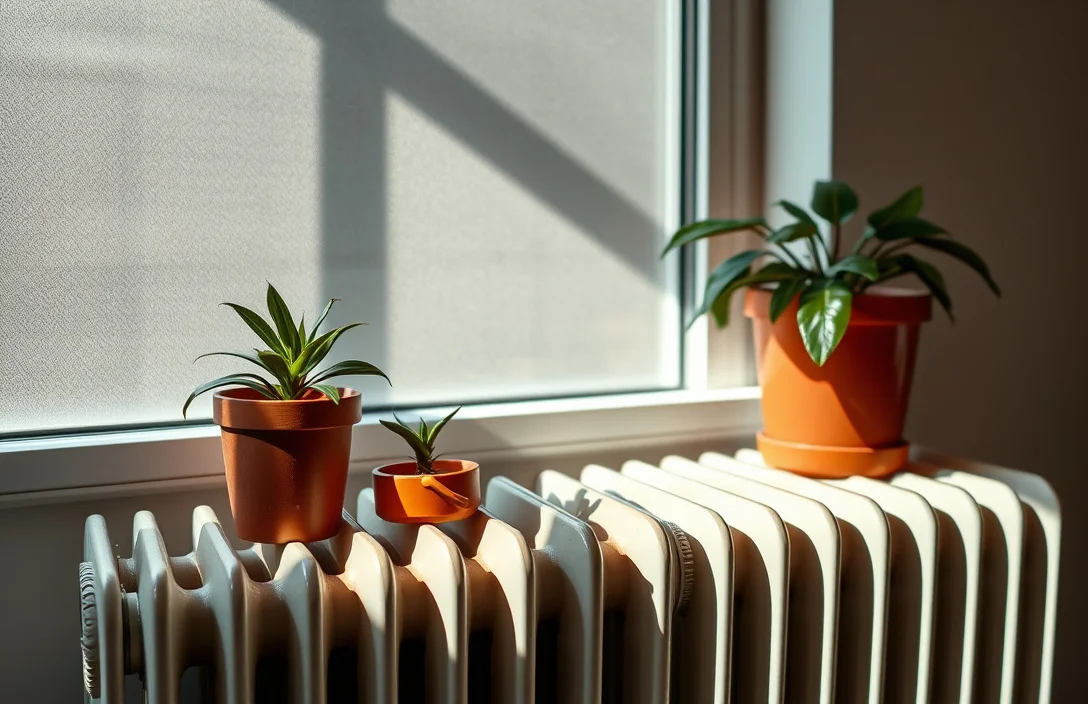
Use a container that can’t slide, spill, or tip, especially if you have kids or pets. For a DIY approach, place a sturdy ceramic or metal pot squarely on top and make sure it sits fully on a flat surface, not teetering near the edge. If you hang a unit, pick one with hooks designed for radiator mounting and don’t force changes beyond the design.
Check radiator temperature before you commit. Radiator-mounted evaporation speeds up when the radiator runs very hot and slows down when it’s only lukewarm. If your radiator cycles gently or stays warm without getting hot, switch strategies, such as a small dedicated humidifier elsewhere in the room.
Refill on a schedule, not on hope. Water evaporates continuously, so don’t leave an empty container running against a hot radiator. In the first days, check daily, then adjust based on how your radiator actually evaporates water.
Keep the area dry and clean. If you see water spots, puddling, or damp surfaces near the radiator, wipe the area and reposition the setup so evaporation happens into the air, not into nearby materials.
Use this checklist each time:
- Confirm stable placement. The pot or humidifier should not rock if you gently touch it.
- Keep it heat-tolerant. Use ceramic or metal, not thin glass or plastic that may soften.
- Avoid essential oils in DIY pots. Stick to water unless the container is designed for additives.
- Track water usage. Write down how many days you get per refill so maintenance stays predictable.
- Watch windows and walls. Condensation is the cue to reduce moisture input.

Helpful pick
Kontrol Ceramic Humidifier White
Ceramic construction helps ensure stable placement and heat resistance when used on a radiator.
Benefits of pots of water on radiators
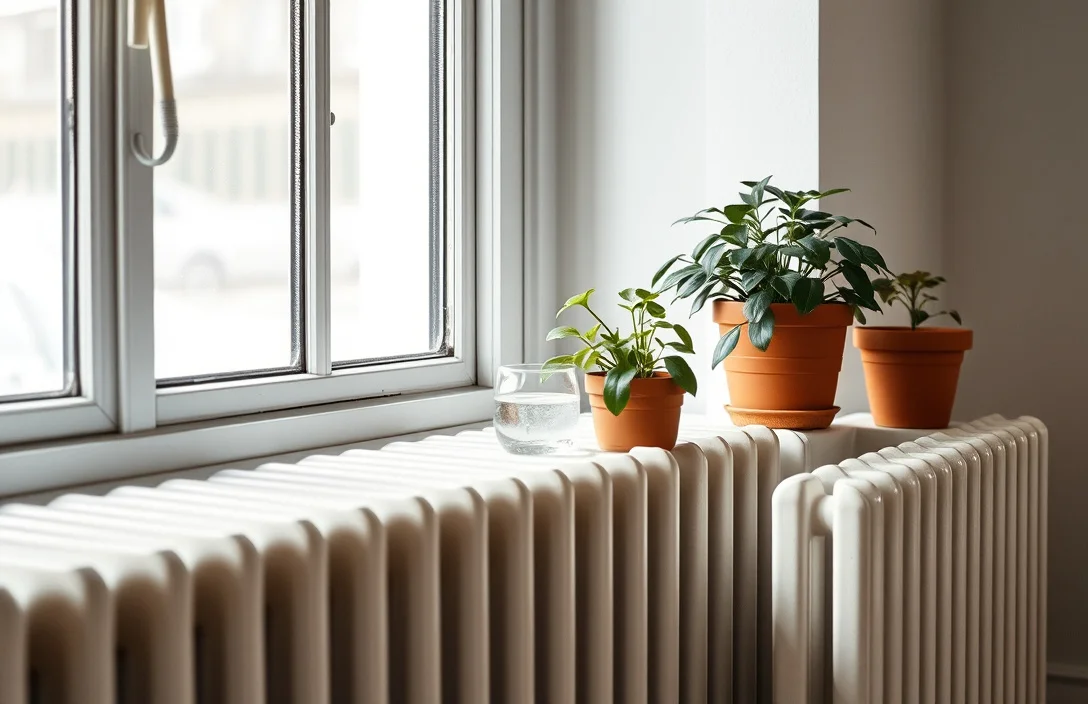
You get three practical advantages: they’re simple, they run quietly, and they use heat you already pay for. Purpose-made hang-on radiator humidifiers are non-electric and work automatically as the radiator heats. That means no fan noise, no filters to replace, and no plug-in device to manage during winter.
Cost is often the next win. Ceramic radiator humidifiers can start around $20, and DIY options are usually limited mainly by the cost of a safe pot. Even if you spend more upfront, ongoing running cost is essentially water.
This setup can also match common winter comfort complaints. Dry air can make skin feel tight and irritate noses and throats, and adding moisture often makes the room feel less harsh. If you deal with dry static, increased humidity can reduce the “crackly” feel people complain about in cold months.
Finally, radiator-mounted humidity targets the space being heated anyway. Cast iron radiators warm air steadily, and that steady warmth supports evaporation for hot-water and steam radiator systems.
Options for pots of water on radiators
You can use four practical categories. The best choice depends on how your radiator is built and how much safety control you want.
1) Top-mounted DIY pots or bowls.
Set a sturdy ceramic or metal pot directly on top of the radiator. It’s the cheapest option, but it relies on stable placement and careful positioning so it can’t tip.
2) Hang-on ceramic or stainless radiator humidifiers.
These attach to the radiator and are designed specifically for evaporation. Ceramic or stainless models are common because they tolerate heat better than many household plastics.
3) Hanging plastic radiator humidifiers.
These are older-style and straightforward: a reservoir holds water and hooks mount to the radiator. One plastic option lists a reservoir measuring 14-3/16″ wide x 8″ tall x 2″ thick, with 6-1/2″ tall hooks that may be bent to fit different radiators. Plastic can work if the product is designed for radiator heat, but ceramic or stainless is usually the safer bet.
4) Under-radiator or drip-contained trays.
This is a more controlled setup where the radiator area doesn’t rely on “direct contact” with an open pot. If you’re worried about spills or your radiator doesn’t offer a good mounting surface, a tray approach can be easier to keep tidy.
Here’s what to match to your situation:
| Option | Key Spec / What to Look For | Best For |
|---|---|---|
| DIY ceramic/metal pot on top | Stable flat surface, heat-tolerant material | Budget start, you have safe top space |
| Hang-on ceramic/stainless humidifier | Mounts to radiator, designed for evaporation | Most balanced choice for safety and simplicity |
| Hang-on plastic humidifier | Reservoir and hook fit, designed for radiator heat | Radiators with limited top space |
| Tray-based approach | Spill containment, easy wipe-down | Concern about spills, want a cleaner setup |
If you’re unsure, start with the hang-on ceramic or stainless style. It’s the most forgiving because it’s built around how radiators sit and how people accidentally bump the radiator edge.

Helpful pick
LEVOIT Top Fill Humidifiers for Bedroom, 2.5L Tank for Large Room, Easy to Fill & Clean, 28dB Quiet Cool Mist Air Humidifier for Home Baby Nursery & Plants, Auto Shut-off for Safety, 25H
Compact top-fill unit offers easy water top-ups and quiet operation on a radiator.
Advice for using pots of water on radiators
Treat this as a passive humidity add-on, not a precision humidifier. The goal is less winter dryness, not visible dampness.
Use radiator heat to your advantage and plan around radiator type. Steam and hot-water radiators can both work, but the mounting surface matters. Some humidifiers don’t fit certain steam radiator parts. You may need to hang from a bolt below the top on American steam radiators, or choose a model designed for your radiator shape.
Prioritize materials and anchoring. Ceramic and stainless units tend to be easier to trust near heat than thin glass or generic plastic. Light containers also shift as airflow changes or when someone bumps the area. A purpose-built unit stays put because it’s designed to attach safely.
Don’t chase maximum humidity. Too much moisture shows up fast as condensation on windows and damp spots near walls, baseboards, and the radiator surround. That’s when mold risk becomes real, especially with low airflow.
Keep the setup repeatable. Fill and mount it, then check daily for the first week. Once you learn your refill interval, you can prevent two common problems: running the container empty and creating sloppy spills.
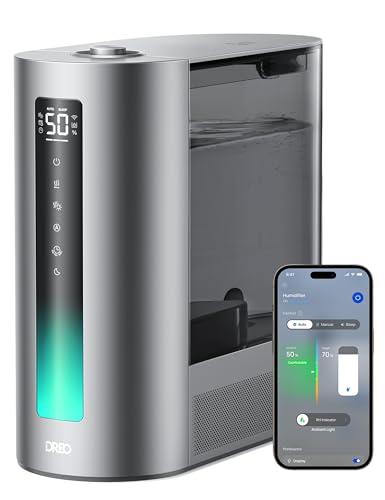
Helpful pick
DREO 6L Smart Warm & Cool Mist Humidifiers for Bedroom HM713S
Leverages warm mist to gently increase indoor humidity near radiators without over-dampness.
Examples: pots of water on radiators
For a common small-room setup, a hang-on ceramic radiator humidifier is a straightforward choice. Fill the container with water, attach it with the hooks, and let it evaporate as the radiator heats. This typically works best in a small to medium room because the added moisture stays closer to the warm air moving from the radiator.
If your radiator shape makes top placement awkward, start with a plastic hang-on unit. One product lists a plastic reservoir measuring 14-3/16″ wide x 8″ tall x 2″ thick and 6-1/2″ tall hooks that may be bent to fit different radiators. That “fit the hardware to your radiator” flexibility matters when older radiators have unusual spacing.
For a DIY option, place a sturdy ceramic or metal pot directly on top of a hot-water radiator. ThisOldHouse-style guidance for humidifying without electronics uses the same general idea of placing pots or bowls on or near heating sources. The difference is still in execution: keep the pot stable and heat-tolerant, and check the water level often at first because evaporation rate changes with radiator temperature and room dryness.
If leaks and dampness worry you, choose a controlled container approach instead of open cups on the radiator edge. A radiator humidifier that holds a quart or so and is designed to attach or sit securely helps reduce the chance of water splashing onto floors or soaking nearby materials.
If you’re shopping rather than DIY, focus on hanging radiator humidifiers. Search “hanging radiator humidifier” to see the product family designed as non-electric units that evaporate water naturally without fogging or requiring power.
FAQ
What’s the safest way to use pots of water on radiators?
Use a purpose-made hang-on radiator humidifier made for radiator use. It mounts with hooks and uses heat-tolerant materials so it can’t easily tip. If you use a DIY pot, choose ceramic or metal, place it fully on a stable, flat top surface, and keep it away from the radiator edge where it can be bumped.
How much water should I expect to evaporate?
A quart-sized reservoir is a common capacity for radiator humidifiers. You typically refill based on how hot your radiator gets and how dry your room is. Start with daily checks for the first week, then set a realistic refill schedule. If your radiator stays lukewarm, evaporation can be slow enough that the humidity change feels minor.
Do pots of water on radiators cause mold?
They can, if they create persistent dampness near walls, baseboards, or around the radiator. The risk increases with spills, condensation, or water staying in contact with nearby surfaces. Use a stable container, wipe any moisture around the radiator, and reduce moisture input if windows show condensation.
How do I increase humidity without making the room feel sticky?
Use smaller, controlled inputs and watch for signs of excess moisture. Start with one radiator humidifier (or one pot) in the room, monitor window condensation and wall dampness, and refill before the container runs empty. If you notice stickiness or wet surfaces, reduce the water or pause the setup.
What’s a common mistake people make with pots of water on radiators?
Using the wrong container or placing it where it can tip. Lightweight bowls, thin plastic not designed for heat, or containers placed near the edge can spill onto flooring or create damp spots. Another mistake is assuming it will work well on lukewarm radiators, since evaporation depends on radiator heat output.

- 10 Best Slow Cooker With Cool Touch Exterior 2026 (Tested And Reviewed) - October 22, 2026
- 10 Best Slow Cooker With Cool Touch Handles 2026 (Tested And Reviewed) - October 22, 2026
- 10 Best Slow Cooker With Quality Construction 2026 (Tested And Reviewed) - October 22, 2026