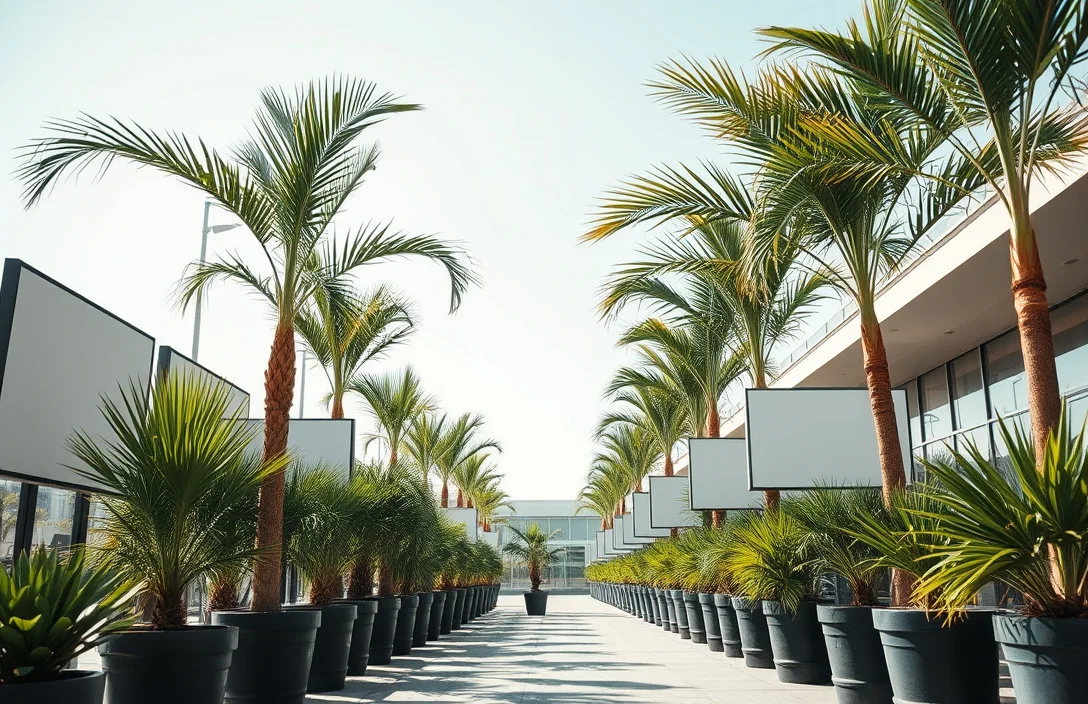
Outdoor Palm Trees For Pots Survival Odds In Containers
Outdoor palm trees in pots can survive in the US – but only if you treat them like a container plant first and a patio tree second. The biggest threats are cold snaps and soggy roots, not weak sunlight. This guide covers survival odds, the palm types that work best in containers, and the exact pot, soil, light, water, and winter-protection setup that keeps them alive.
Container palm survival depends on cold tolerance and drainage. Many palms grow outdoors in USDA zones 9-11 when planted in the ground, but in pots you have to protect the root ball from freezing and prevent waterlogging all year. If you can keep roots warm enough in winter and you use a fast-draining mix in a pot with drainage holes, potted palms are realistic.
In most successful setups, you pick a palm that can handle your local minimum temperatures, use a pot large enough to buffer swings, and protect the root ball during cold weather. Mild winters shift your focus to irrigation and drainage. Winters that drop into freezing temperatures shift your focus to protection before the first cold nights.
Overwatering is the other common killer. Decorative pots without proper drainage turn into root rot machines. Root health determines whether your palm bounces back after stress, so keeping roots oxygenated with an airy mix and emptying any catch tray removes one of the biggest failure points.
Can They Survive?
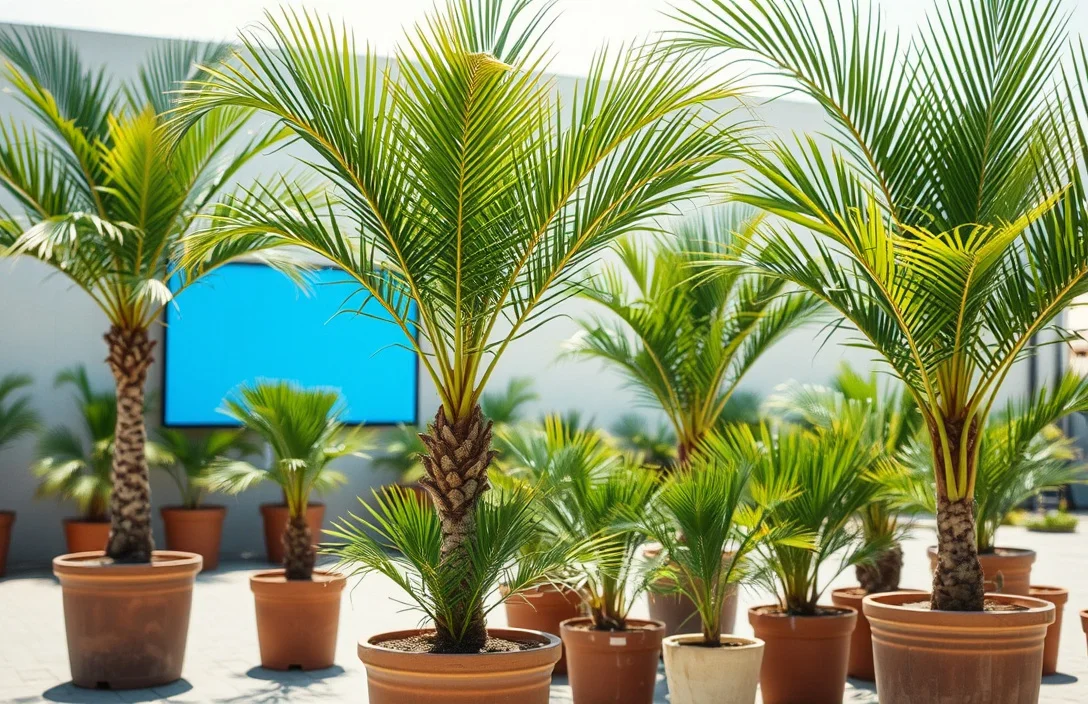
Yes, potted palm trees can survive outdoors in many parts of the US, but it is never automatic. Palms can handle sun and even some wind, yet they are much less forgiving about cold penetrating into the pot. Container roots freeze faster than in-ground roots because the soil volume is smaller and exposed on all sides.
Success usually comes down to three choices: a palm type matched to your cold tolerance, a pot big enough to buffer temperature swings, and root protection during freezes. In regions where summers stay hot and winters are mild, you mainly manage water and drainage. When winters include freezing dips, you mainly plan protection before cold nights arrive.
If water sits around the root ball, the plant can fail even when the leaves look fine. A fast-draining mix and a pot that can breathe are what keep the roots alive long enough to recover.
Best Palm Types for Outdoor Container Growing
The right palm variety is the difference between “it lives” and “it struggles every winter.” For containers, you want palms that handle cool temperatures better than tropical showpieces and tolerate pot life without turning into a constant repot-and-recover project.
Common container-friendly palms for outdoor US growing (availability varies by nursery) include:
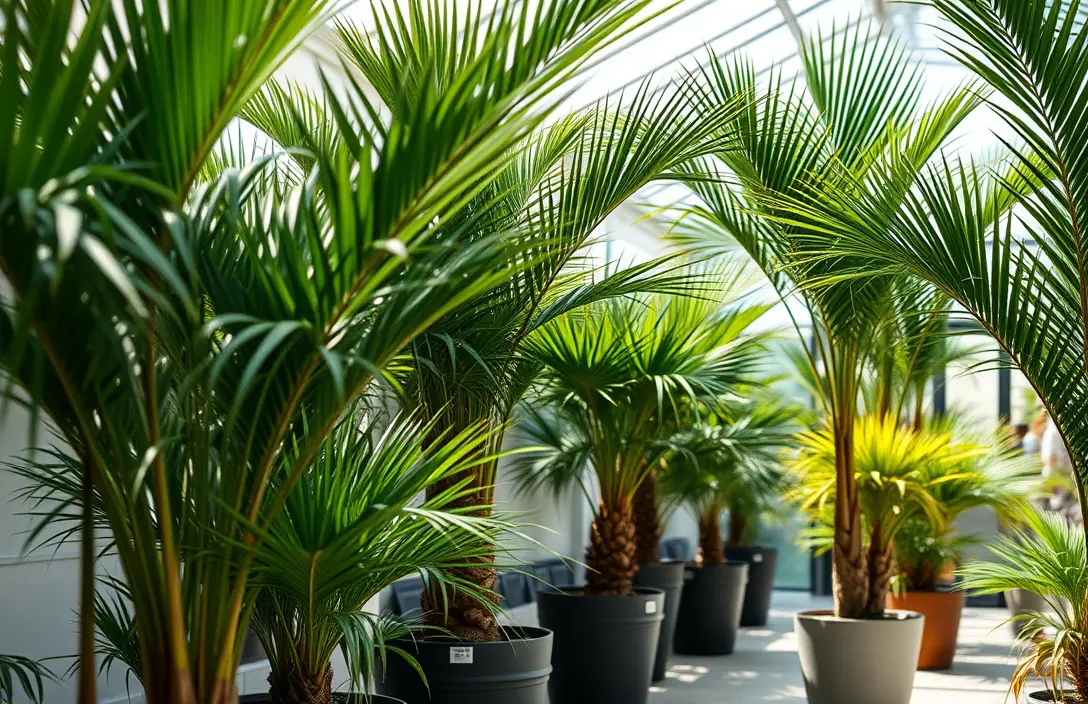
- Windmill palm (Trachycarpus): Often one of the more cold-tolerant choices and a frequent patio container palm.
- Needle palm (Rhapidophyllum): Tough-looking and popular for colder-leaning areas, but winter results depend on your microclimate.
- Mediterranean fan palm (Chamaerops humilis): Often sold for hardy landscaping vibes and can do well in containers with the right protection.
- Queen palm (Syagrus romanzoffiana): Sometimes grown in containers in warmer areas, but it is usually a weak pick if you regularly get hard freezes.
- Sago palm (note: not a true palm) (Cycas revoluta): Extremely popular in pots and surprisingly tough, with care needs that differ from true palms and toxicity to pets.
If you want the highest survival odds with the least babysitting, start with windmill palm or another hardy fan palm suited to your climate. Warmer regions can try more tropical types, but you still protect the root zone during cold spells.
Palm choices by “what fails first”
For container palms, the usual failure mode is cold damage to the root system or chronic root stress from wet soil. Prioritize palms with better cold tolerance and buy plants that are already established, not tiny seedlings that are still sensitive to temperature swings.
Pot Size and Drainage Requirements for Palms
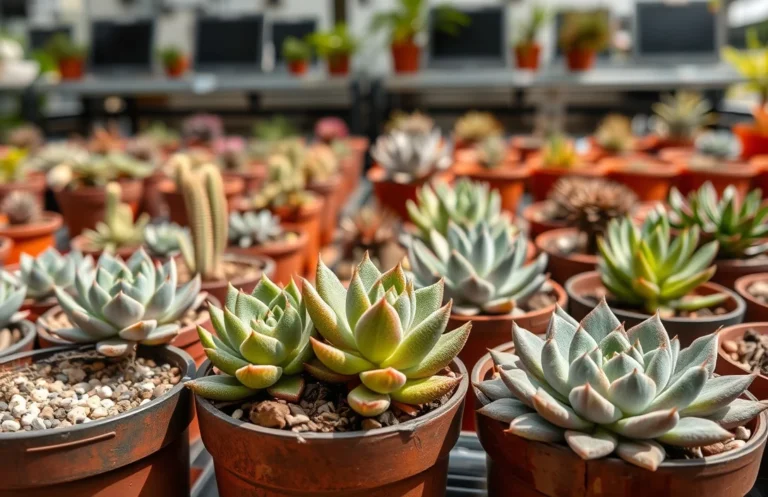
Bigger pots make outdoor container palms easier to keep alive because they slow down temperature and moisture swings. A small pot acts like an ice cube in winter and a fast-drying sponge in summer, which forces you to manage every variable perfectly.
For most outdoor container palms, aim for:
- At least one drainage hole (more is better).
- Enough volume that the soil dries gradually instead of hour-by-hour.
- A system that prevents waterlogging: empty saucers and use a breathable, airy mix.
If you buy a planter with no drainage (common with decorative ceramic or cachepots), don’t plant directly into it. Use it like a sleeve: keep the nursery pot (with drainage holes) inside the cachepot, lift it out when you water, and make sure it never sits in runoff.
Here’s a simple pot-size strategy:
| Pot Strategy | Key Spec to Look For | Best For | Trade-off |
|---|---|---|---|
| Small, fast-draining pot | Multiple drainage holes | Short warm-season grows | Freezes and dries faster |
| Medium grow pot | Enough volume for gradual drying | Most patios | More seasonal monitoring |
| Large pot with buffer | Bigger soil volume, stable moisture | People who travel or forget | Slower drying, needs airy mix |
Drainage matters as much as pot size. Even the right palm fails if the mix stays wet and roots can’t breathe. The goal is moist, not swampy. If water sits on the surface for a long time, the mix is too dense or the pot is too small.

Helpful pick
Omitgoter Succulent & Cactus Soil Potting Mix 1qt, Natural Organic Potting Mix for Cactus, Succulent, Palm, and Citrus Grown in Containers Indoors and Outdoors
This palm- and cactus-friendly mix provides fast drainage with breathable texture, helping palms thrive in larger outdoor pots.
Light and Temperature Targets for Potted Palms
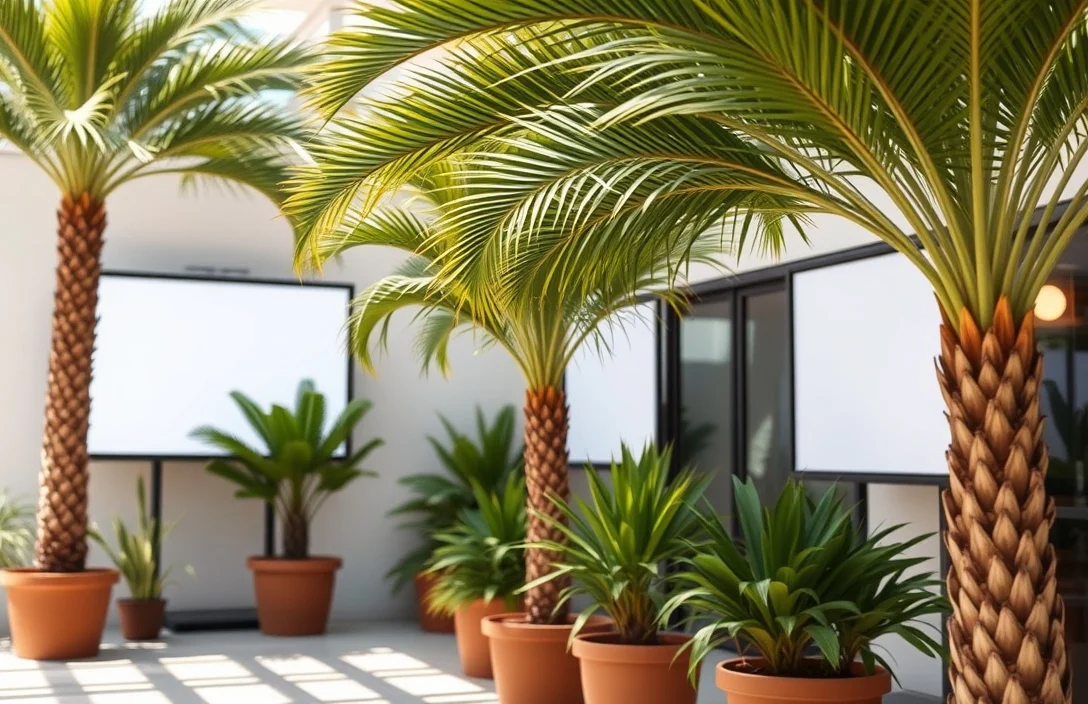
Potted palms do best with strong outdoor light, but cold tolerance is driven more by temperature exposure than by light. You can give a palm full sun and still lose it if the root ball freezes.
For light:
- Give as much sun as you can, especially morning sun. It supports growth and helps the plant recover after stress.
- Acclimate gradually if the palm is coming from indoors or shade. Sudden full sun can scorch leaves.
For temperature:
- Keep roots above freezing whenever possible. Leaves may survive brief cold, but root damage ends the season.
- Expect slower recovery in cold weather. Hardy palms still grow slowly when temperatures drop, so they also need less water.
If your area gets hard freezes, your real target is prevention: stop the root zone from dropping too low for too long. Wind, rain, and how tightly you insulate the pot change outcomes more than guessing once you look at the weather forecast.
Microclimate matters around the pot:
- Sheltered patio corners can run several degrees warmer than exposed ground.
- Reflective surfaces can bounce extra heat and light.
- Concrete and stone can hold cold overnight depending on conditions.

Helpful pick
Espoma Organic Cactus Potting Soil Mix, Natural & Organic Soil for Cactus, Succulent, Palm, and Citrus grown in containers both indoors and outdoors, 4 qt, Pack of 2
Delivers well-draining, palm-friendly mix ideal for outdoor pots exposed to bright sun and heat.
Watering Schedule for Outdoor Container Palms
Outdoor container palms water based on heat and airflow, not the day count on your calendar. The fastest way to ruin them is watering too often in cool weather when growth slows and the soil stays wet.

Helpful pick
Omitgoter Premium Tropical Potting Mix with Perlite 1qt- Natural Organic Potting Soil for Superior Drainage & Breathability
Promotes superior drainage and airflow, helping outdoor palms avoid overwatering in hot, windy conditions.
Use this routine:
- Check the top 1 to 2 inches of soil. Water when that top layer is dry, but don’t let the deeper soil go bone-dry for long.
- Water more often in hot weather. Container walls dry the mix quickly.
- Water less in winter. Cooler temperatures mean slower uptake, so the same watering schedule becomes overwatering.
Water thoroughly when you do water. A light splash only wets the top layer, which encourages shallow roots and uneven moisture. Water until excess drains out the bottom, then let it drain completely. If you use a saucer, empty it after drainage.
Seasonal adjustment:
- Spring and summer: check more often, water deeper when needed.
- Fall: reduce gradually as temperatures fall.
- Winter (when freezing risk exists): minimal watering only when the mix is mostly dry.
Bright, windy winter days can still dry a pot even when temperatures stay near freezing. When in doubt, check the soil – it beats guesses.
Soil Mix and Fertilizer Plan for Container Palms
A container palm needs a soil mix that drains fast but still holds enough moisture for active growth. Most failures come from one of two issues: too much organic density that keeps roots wet, or a mix that dries so fast the palm never stabilizes.
Use a palm potting mix approach like this:
- Start with a high-quality potting mix, not garden soil.
- Add drainage and aeration materials like pumice, perlite, or coarse sand so water moves through quickly.
- Avoid heavy topsoil blends that compact in containers.
After watering, the mix should drain within a reasonable time and not stay soggy at the bottom for hours. If it does, add more aeration next repotting and consider increasing pot size too.
Fertilizer plan:
- Feed during active growth, not during cold slow months.
- Use a balanced palm fertilizer or a product formulated for palms, following label directions for rates and frequency.
- Don’t overdo it. Too much fertilizer can burn roots, especially in containers where nutrients concentrate.
If you’re unsure what to pick, start with a palm fertilizer designed for container use and use the lower end of the label rate for the first season. Then adjust based on new growth and leaf condition.
Timing tip: fertilize after the palm starts putting out new growth and temperatures stabilize. Cold nights slow uptake, and fertilizer sitting in wet soil increases root stress risk.
Winter Protection for Potted Palms Outdoors
Winter decides whether a potted palm survives. Even hardy palms can be harmed when freezing temperatures reach into the pot because the root ball is exposed on all sides.
Protect the root zone first:
- Move the pot closer to a structure if possible, like a sheltered wall or corner where wind chill is lower.
- Wrap and insulate the pot and root area for cold snaps. Burlap alone usually does not stop severe freezes, but it can reduce wind exposure and slow heat loss.
- Protect the trunk and leaf bases only if cold will be prolonged, and avoid wraps that trap constant moisture.
Bringing the pot indoors temporarily is often the simplest solution. A garage or bright, cool room helps prevent root freeze without subjecting the plant to indoor heating stress. Keep it dry enough to avoid fungus and rot.
Covering needs correct timing:
- Cover before temperatures drop, not after the plant is already frozen.
- Unwrap during milder daytime hours so trapped humidity can escape.
Use this winter decision guide:
- Occasional light freezes: pot insulation plus sheltered placement may be enough.
- Regular hard freezes or long cold spells: root-zone protection needs to be more robust, and relocating to a protected spot is the safer move.
- Frequent deep freezes: choose a more cold-tolerant palm and treat the setup like a seasonal project, not a set-and-forget landscape plan.
Drainage still matters. Winter covers can reduce rain contact, which helps, but late-season watering can still leave soil too wet. Water in winter only when the mix is mostly dry and temperatures are not actively dropping.
FAQ
Can I keep outdoor palm trees in pots year-round in the United States?
Yes, in many US regions, but year-round survival depends on whether the root ball stays above freezing. Even cold-tolerant palms can die in containers if the pot soil freezes solid. Use a fast-draining mix, a pot with drainage holes, and a winter protection plan that insulates or relocates the root zone during freezes.
What pot size is safest for potted palms?
Go as large as you can manage. A bigger volume buffers both cold and moisture swings, while a too-small pot freezes and dries faster. Use a pot with drainage holes and empty any saucer so roots never sit in runoff.
How often should I water a container palm outdoors?
Check the top 1 to 2 inches of soil and water when it is dry. Hot weather usually means more frequent watering, while cooler weather usually means the schedule drops significantly. Water thoroughly until excess drains out, then let the pot drain completely.
How do I protect my potted palm during winter storms?
Protect the root zone first: move the pot to a sheltered spot, insulate the pot and root area for freezing nights, and protect leaf bases if cold will be prolonged. Avoid keeping the palm constantly wet under wraps, and remove protection during milder daytime periods when possible.
Is there a better alternative than keeping a palm outside all winter?
For many climates, yes. Bring the pot indoors to a cool, bright area during the coldest weeks. If indoor space is limited, choose a more cold-tolerant palm type and use heavier root-zone insulation plus sheltered placement. Preventing deep root freezing matters more than covering leaves.

- 10 Best Slow Cooker For Slow Cooking Legumes 2026 (Tested And Reviewed) - October 17, 2026
- 10 Best Slow Cooker For Slow Cooking Oxtail 2026 (Tested And Reviewed) - October 16, 2026
- 10 Best Slow Cooker For Slow Cooking Venison 2026 (Tested And Reviewed) - October 16, 2026