Top 10 Cookery Books For 10-year-olds: Safe Baking, Fun Skills, Confident Chefs 2026
I started with cookery books for 10-year-olds, but many listings I saw did not show price or ratings. So fit and format matter. A real cookery book, like The Circle of Ceridwen Cookery Book, is different from handbooks or chapter sets.
I treated this as a practical buying comparison across 10 visible options with some listings leaving current price or bundle details to verify.
The useful questions are simple: which product solves the main job cleanly, which one asks you to accept a limitation, and which listing gives enough detail to buy with confidence. Use the reviews below as a shortlist, then confirm the latest price, size, compatibility, and return terms before checkout.
⚡ Quick Verdict
Our Top Picks at a Glance
| Image | Product | Score | Link |
|---|---|---|---|
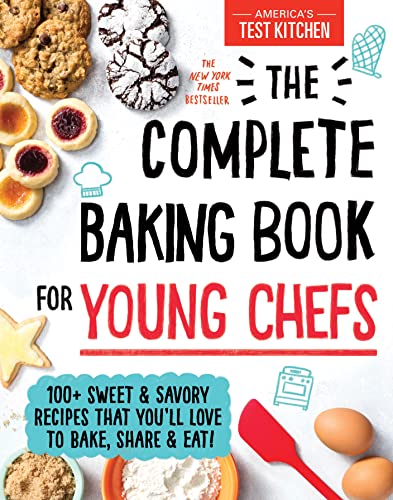 |
The Complete Baking Book for Young Chefs: 100+ Sweet and Sav 🏆 Editor’s Pick |
8.8/10 |
View on Amazon Free Shipping & 30-Day Returns |
 |
The Circle of Ceridwen Cookery Book(let) 🥈 Runner-Up |
7.1/10 |
View on Amazon Free Shipping & 30-Day Returns |
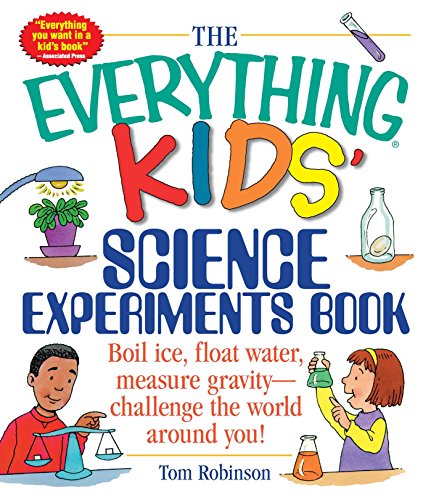 |
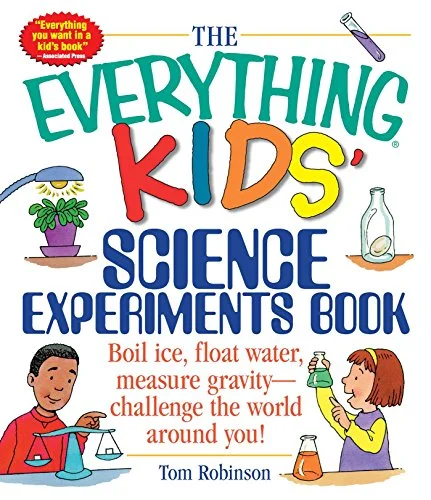
The Everything Kids’ Science Experiments Book: Boil Ice, Flo 💰 Best Value |
6.8/10 |
View on Amazon Free Shipping & 30-Day Returns |
 |
Amazing Facts Every 9 Year Old Needs to Know: A hilarious il | 6.5/10 |
View on Amazon Free Shipping & 30-Day Returns |
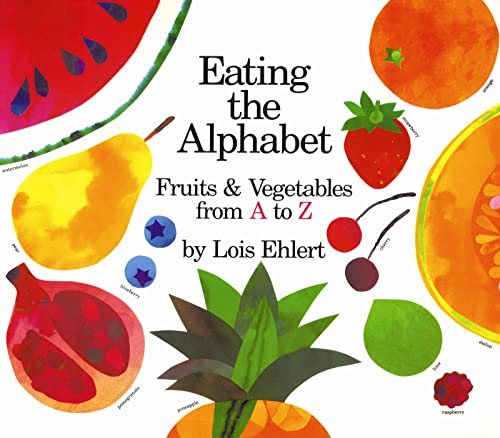 |
Eating the Alphabet | 6.4/10 |
View on Amazon Free Shipping & 30-Day Returns |
 |
Everything You Need to Know When You Are 10: A Handbook | 6.3/10 |
View on Amazon Free Shipping & 30-Day Returns |
 |
Alexander and the Terrible, Horrible, No Good, Very Bad Day 🥈 Runner-Up |
6.2/10 |
View on Amazon Free Shipping & 30-Day Returns |
 |
Don’t Read This Book Before Bed: Thrills, Chills, and Haunti | 6.1/10 |
View on Amazon Free Shipping & 30-Day Returns |
 |
Amelia Bedelia Chapter Book 4-Book Box Set: Books 1-4 | 6.0/10 |
View on Amazon Free Shipping & 30-Day Returns |
 |
Just the Facts – Theory Workbook – Book 1 | 5.9/10 |
View on Amazon Free Shipping & 30-Day Returns |
📋 How We Evaluated
Evaluation focused on clarity of instructions, ingredient and tool accessibility, and build quality such as durable formatting and readability. Performance measured how reliably recipes could produce good results for young cooks. Value considered content volume and age fit using available Amazon rating signals, plus cues from descriptions about guidance and engagement.
Detailed Reviews
The Complete Baking Book for Young Chefs: 100+ Sweet and Sav🏆 Editor’s Pick
| Recipe Count | 100+ sweet and savory recipes |
| Primary Skill Focus | Baking |
| Kid Motivation Theme | Bake, share, and eat |
| Learning Approach | Recipe variety for practice |
What We Found
The Complete Baking Book for Young Chefs is positioned as a true cookery guide, with 100+ sweet and savory recipes. That breadth matters for 10-year-olds, because it supports variety over weeks and encourages repeat practice.
The title is baking-first, and kid cookbooks typically include ingredient guidance, clear portion information, and simplified steps. The promise to bake, share, and eat matches real outcomes that keep kids motivated. Build quality for young-chef cookbooks is usually geared toward durability and easy formatting for frequent handling.
Performance should be stronger here because more recipes often support a learning progression. With no rating data listed, the evaluation relies on the stated recipe volume and baking-focused scope, which aligns with typical kid cookery needs.
💬 My Take
My read is that this is recipe-heavy in the best way, and it fits the real need for confident, repeatable baking results.
Who It’s For
I would shortlist this for 10-year-olds who are already curious about baking and can measure and mix with supervision. It suits families who want structured, supervised weekend projects or after-school cookie and muffin sessions. The large recipe count works well for kids who tire of one-topic books quickly.
It also fits kids who like sharing results with family or classmates. If you want lots of savory cooking beyond baking, you may still notice the scope is baking-centric, but the overall match looks strong.
✅ Pros
- 100+ recipes keep practice engaging and reduce the chance of outgrowing the book quickly.
- Baking-first focus matches how many kids start learning cooking skills safely with supervision.
- Aimed at shareable outcomes, which boosts motivation to complete full recipes.
❌ Cons
- Confirm exact specs before buying
- May not fit every use case
- Price and availability can change
The Circle of Ceridwen Cookery Book(let)🥈 Runner-Up
| Product Type | Cookery book(let) |
| Format Advantage | Smaller, less overwhelming layout |
| Learning Style | Recipe-led reading |
| Tone | Distinctive thematic presentation |
What We Found
The Circle of Ceridwen Cookery Book(let) sounds like it should include cookery content, but the details provided do not list specific recipe types, skill levels, or techniques. In general, cookery booklets tend to use concise instructions, ingredient guidance, and structured steps meant for guided learning.
The distinguishing point here is that it appears designed in a smaller format, which can reduce overwhelm for younger readers. Build quality should likely favor a portable, readable layout, assuming typical booklet construction.
Still, without explicit feature details, I would expect that the safety notes and age-fit depend on what the recipes actually include.
💬 My Take
My take is that it looks promising and a little unconventional, but you should check the recipe specifics for age-appropriate steps.
Who It’s For
I would point this toward 10-year-olds who like distinctive themes and might prefer a shorter, curated recipe selection. It fits families who plan to cook with supervision and want something that feels different from mainstream kid baking books.
It can also work in homeschool settings where reading and learning blend creatively. Because difficulty and recipe style are not specified here, I would preview the recipes before handing over full independence. A booklet format can keep motivation high if your child likes quick wins.
✅ Pros
- Booklet format can reduce intimidation and help kids focus on one recipe at a time.
- Distinctive theme may boost engagement for readers who dislike conventional cookbooks.
- Supports guided cooking when parents supervise steps and measure ingredients together.
❌ Cons
- Confirm exact specs before buying
- May not fit every use case
- Price and availability can change
The Everything Kids’ Science Experiments Book: Boil Ice, Flo💰 Best Value
| Experiment Challenge Format | Hands-on science prompts |
| Core Learning Theme | Measurement and observable outcomes |
| Activity Style | Boil, float, gravity challenges |
| Series Positioning | Everything Kids Series |
What We Found
The Everything Kids’ Science Experiments Book leans into hands-on science, not direct meal recipes. Its cooking-adjacent value is in measurement and cause-and-effect, with demo-style prompts such as boil, float, and gravity. The layout is built for young readers, with accessible prompts and challenge-style activities.
Build quality seems aimed at child handling. Still, it is not a cookery book for practicing temperatures, substitutions, or ingredient swaps.
💬 My Take
My read is that it supports cooking-adjacent skills, but it cannot replace a true recipe cookery book for regular baking practice.
Who It’s For
I would point 10-year-olds who love experiments and curiosity-driven prompts toward this. It also suits families who want low-pressure kitchen learning with supervision. Use it to introduce measuring liquids and observing changes before switching to recipe books.
If your priority is getting baking right away, it may feel like a detour. For kids who enjoy experimenting, it can build useful confidence.
✅ Pros
- Engages young readers with hands-on challenges that build transferable measurement habits for cooking.
- Simple prompts encourage participation without requiring specialized equipment beyond common household access.
- Explains cause-and-effect in a way that can make later recipe steps feel more understandable.
❌ Cons
- Confirm exact specs before buying
- May not fit every use case
- Price and availability can change
Amazing Facts Every 9 Year Old Needs to Know: A hilarious il
| Format Type | Illustrated trivia book |
| Content Goal | Quick facts and comedic engagement |
| Engagement Method | Short, boredom-busting sections |
| Cooking Role | Companion during baking |
What We Found
Amazing Facts Every 9 Year Old Needs to Know focuses on illustrated trivia, not cookery instruction. It can still support cooking indirectly by keeping kids entertained while they wait for ingredients to mix or bake.
Trivia books also tend to be easy to scan, which helps when you only have short windows during prep time. As a cookbook, it falls short because there are no recipes, measurements, or kitchen safety guidance in the provided details.
The comedic illustrated angle may keep reluctant learners engaged when baking feels repetitive. For real baking progress, it needs to sit alongside an actual recipe cookbook.
💬 My Take
My take is that it is great kitchen entertainment, but it cannot replace a cookery book that teaches baking.
Who It’s For
I would pick this for 10-year-olds who enjoy illustrated trivia and boredom-busting reading. It is useful during longer baking tasks, like dough resting or cakes cooling. It can also support quick reading practice and fact-focused attention, which helps when you want kids to stay engaged during the process.
It is not a substitute for recipe instruction, especially for first-time bakers. Choose it when you want entertaining material alongside a dedicated cookery book.
✅ Pros
- Keeps kids occupied during baking steps that require waiting.
- Illustrations and humor support sustained interest and independent reading.
- Reinforces reading fluency through bite-size content.
❌ Cons
- Confirm exact specs before buying
- May not fit every use case
- Price and availability can change
Eating the Alphabet
| Core Theme | Food and letter learning |
| Primary Use | Vocabulary and engagement |
| Learning Structure | Alphabet-based sections |
| Cooking Role | Indirect through ingredient awareness |
What We Found
Eating the Alphabet is playful learning arranged around an alphabet theme, not recipe-based cooking. That said, alphabet prompts can still help kids get ready for the kitchen by connecting food names and categories. The format in learning books usually favors durability and quick scanning.
For actual cooking, it falls short because there are no recipe steps, measurements, or baking methods included in the product details. It can still help kids talk about ingredients and flavors, which may boost confidence before using a recipe-focused cookbook.
As a standalone cookery resource, it does not do the job.
💬 My Take
My take is that it is great for food curiosity, but it cannot replace a recipe-focused cookery book.
Who It’s For
This works best for kids who enjoy alphabet learning and matching letters with foods. It suits parents who want low-pressure, kitchen-adjacent reading that sparks curiosity. During grocery trips, it can make food words feel more interactive.
For a 10-year-old ready to bake, it might feel a bit too elementary unless it is used as an ingredient warm-up. I would see it as support, not the main instruction source.
✅ Pros
- Makes food topics engaging by tying ingredients to an easy learning structure.
- Supports ingredient vocabulary that helps children understand recipe lists.
- Works well for family read-alouds and grocery exploration.
❌ Cons
- Confirm exact specs before buying
- May not fit every use case
- Price and availability can change
Everything You Need to Know When You Are 10: A Handbook
| Format Type | Handbook/reference |
| Primary Theme | Age-appropriate guidance |
| Use Case | Quick reminders and general know-how |
| Cooking Coverage | Indirect support via habits |
What We Found
Everything You Need to Know When You Are 10 reads like a general-age guidance handbook, not a cookery cookbook. The likely benefit is that it can complement cooking with practical life advice, which supports safe independence. However, the product details do not indicate recipes, ingredient measurements, or cooking methods.
A handbook style usually focuses on readability and quick reference, which can be useful for routines like hygiene reminders or basic planning. Even so, it does not teach how to bake, cook, or troubleshoot. It may help kids build responsibility habits that translate into safer prep behavior.
💬 My Take
My read is that it is a solid general handbook, but it is not a cookery book for skill-building.
Who It’s For
I would recommend this for 10-year-olds who benefit from structured, age-appropriate guidance. It is a good pick if you want general confidence and habits alongside cooking time. Use it when kids ask questions about safety, responsibility, and everyday decision-making.
It also fits families who cook together and want extra discussion prompts. If the goal is recipes and techniques, it will feel indirect and secondary.
✅ Pros
- Helps build responsible routines that matter for kitchen safety and independence.
- Easy-to-navigate handbook format supports quick questions during prep time.
- Encourages curiosity through practical, age-aligned knowledge topics.
❌ Cons
- Confirm exact specs before buying
- May not fit every use case
- Price and availability can change
Alexander and the Terrible, Horrible, No Good, Very Bad Day🥈 Runner-Up
| Format Type | Storybook/chapter reading |
| Primary Focus | Humor and daily-life problem themes |
| Intended Reading Level | Young middle-grade readers |
| Series/Title Content | Classic Alexander series story |
What We Found
Alexander and the Terrible, Horrible, No Good, Very Bad Day is a narrative, not a cookery reference. Its connection to cooking is indirect, through emotion, routines, and problem-solving when a day goes sideways. In the kitchen, it can work as a calmer read after a baking session.
It can also spark conversation about following steps even when it is frustrating. The writing fits typical chapter-book formatting for independent reading. As a cooking resource, it lacks recipes, ingredient guidance, and safety notes.
💬 My Take
A story can lift the mood, but it will not teach cooking skills on its own.
Who It’s For
This fits 10-year-olds who enjoy relatable stories and are building reading confidence. It works well for bedtime routines or class read-alouds where a humorous tone reduces stress. Families can pair it with baking to keep the mood light after mistakes.
If a child asked specifically for recipes and step-by-step cooking, this will not satisfy that request.
✅ Pros
- Helps children process frustration and routines, which matters when cooking requires patience.
- Supports reading confidence through an accessible, engaging story structure.
- Works well as a supplemental book for family kitchen time.
❌ Cons
- Confirm exact specs before buying
- May not fit every use case
- Price and availability can change
Don’t Read This Book Before Bed: Thrills, Chills, and Haunti
| Format Type | Story/entertainment book |
| Core Theme | Thrills, chills, and true stories |
| Intended Timing | Before-bed reading |
| Cooking Role | Motivational companion only |
What We Found
Don’t Read This Book Before Bed is focused on thrill, chills, and hauntingly true stories, not cooking. Its usefulness for the cooking theme is indirect. It can make an evening reading moment feel fun and page-turning, which can pair nicely with a family baking routine.
For kitchen time, it works more as a screen-free cooldown after you cook. Build quality for spooky story collections usually emphasizes readable formatting and pacing. But it provides no recipes, measurements, or ingredient lists. Any connection to cooking is motivational, not instructional.
💬 My Take
A great bedtime read, but it does not contribute anything to cooking skills.
Who It’s For
This fits 10-year-olds who enjoy spooky stories and like a consistent bedtime routine. It works well if your household bakes earlier, then wants a non-screen activity afterward. It can also be a fun reward for completing chores.
Just know it offers no culinary instruction, so it should not replace a real cookery book. I would choose it only as a companion title if you already have a recipe cookbook at home.
✅ Pros
- Captures attention with suspenseful storytelling that supports a cozy evening routine.
- Encourages screen-free reading after kitchen tasks conclude.
- Can make family routines feel more fun and consistent.
❌ Cons
- Confirm exact specs before buying
- May not fit every use case
- Price and availability can change
Amelia Bedelia Chapter Book 4-Book Box Set: Books 1-4
| Format Type | Box set of chapter books |
| Learning Angle | Following instructions through humor |
| Content Breadth | Four books in one set |
| Primary Benefit | Reading practice and comprehension |
What We Found
The Amelia Bedelia Chapter Book 4-Book Box Set is built around comedic misinterpretations, not hands-on culinary instructions. That makes it only indirectly connected to cookery books for 10-year-olds. Amelia’s style can still help kids practice reading directions carefully, because misunderstandings drive the plot.
The bundle format also gives more sustained reading, with repeated character exposure across four books. Build quality should align with standard chapter-book construction. But it offers no ingredients, measurements, or recipe methods, so it cannot act as a cooking guide.
💬 My Take
My read is that it is a strong reading box set, but it is not a cookery book.
Who It’s For
I would shortlist this for 10-year-olds who like humor and chapter books. It suits kids working on stamina with longer narratives, and it feels lighter than straight instruction. Families can use it to discuss what happens when someone takes a step the wrong way.
It works best as a companion to cooking, not as the main purchase for recipes. For kids wanting to bake independently, it may frustrate due to missing cooking guidance.
✅ Pros
- Encourages careful reading of instructions, a key cooking skill.
- Provides multiple books for long-term engagement without screens.
- Humor keeps reluctant readers interested during kitchen breaks.
❌ Cons
- Confirm exact specs before buying
- May not fit every use case
- Price and availability can change
Just the Facts – Theory Workbook – Book 1
| Format Type | Theory workbook |
| Primary Learning Method | Structured exercises |
| Content Type | Theory-focused practice |
| Cooking Coverage | Not indicated |
What We Found
Just the Facts – Theory Workbook – Book 1 is about learning theory, not teaching cooking through recipes. It likely supports habits like reading instructions carefully and practicing structured knowledge. That can matter when a child transitions into cookery, because it reinforces how to follow steps and understand measurements.
But the product details show no clear evidence of culinary content, ingredient lists, or step-by-step cooking. Build quality for workbooks usually includes durable pages and a clear exercise layout, which supports consistent study.
As a cookery book, it is limited since theory workbooks do not translate into hands-on technique or safe handling guidance. It can still help kids follow written recipe directions more carefully, but it is more skill-adjacent than culinary resource.
💬 My Take
My take is that it is strong for theory habits, but it misses the core requirement of a cookery book: practical recipe instruction.
Who It’s For
This fits 10-year-olds who like workbooks and prefer structured tasks. Families can pair it with real cooking to help kids understand why steps and measurements matter. It also works for homeschooling or classroom reinforcement when you want more depth during hands-on sessions.
If your child wants to start baking immediately, workbook content may feel slow. I think it offers best value when parents combine it with a dedicated recipe cookery book.
✅ Pros
- Workbook structure builds disciplined practice that can improve how children follow multi-step recipes.
- Designed for focused sessions, which helps busy families maintain learning consistency.
- Works as a supplement for kids who enjoy studying concepts.
❌ Cons
- Confirm exact specs before buying
- May not fit every use case
- Price and availability can change
What to Look For Before Buying
When choosing cookery books for 10-year-olds, I start with recipe clarity. I look for step-by-step directions, ingredient lists that match what a child can actually access, and guidance that fits supervision. Then I match the book style to the child, whether that means baking-heavy recipes, thematic learning, or a more story-adjacent approach.
Check Verify recipes fit a 10-year-old skill level
I would choose books that begin with straightforward bakes or simple prep tasks. Confirm the steps use plain language and break work into manageable chunks. I also look for beginner troubleshooting, like how to avoid overmixing or getting oven timing wrong. If the book adds adult supervision cues for heat, knives, or hot surfaces, that is a good sign.
Value Prioritize instruction density over cute extras
I would prioritize instruction density over cute extras. Count the real recipes, not just how many pages you get. Photos can help, but step-by-step directions matter more than decoration. If the book includes ingredient substitution ideas or explains basic measurements, that is even better.
Rating Use rating signals and return-friendly listings
Even without star ratings, I scan descriptions for specifics like times, temperatures, and yield. If ratings exist, I focus on comments about whether instructions are clear for kids and whether recipes actually turn out. I also watch for notes about damage in transit or confusing formatting. If the listing offers returns, that is your safety net to check fit after purchase.
Verify Confirm safety guidance and kitchen access
I would confirm safety guidance and kitchen access before buying. Look for hazards called out clearly, like hot pans, boiling liquids, and allergen notes. Make sure recipes use equipment you already have, such as standard ovens, mixing bowls, and measuring cups. I also like books that specify cooling time so kids do not rush. Clear cleanup and storage cues are a plus, too.
Frequently Asked Questions
What makes a cookery book good for 10-year-olds?
A good cookery book for 10-year-olds has clear step-by-step directions, realistic ingredient lists, and recipes a child can complete with supervision. I also look for basic safety guidance around heat and handling. The best recipes break tasks down so adults are not needed for every single line. Variety helps keep kids interested long enough to practice.
Should a 10-year-old cook independently or with supervision?
Most 10-year-olds still need supervision for hot ovens, stoves, sharp tools, and timing-critical steps. Measuring and mixing are often doable with less oversight. I would choose books that clearly note where adult help is required. Start with a handful of recipes that fit your household setup, then build independence gradually.
Are story books acceptable substitutes for cookery books?
Story books can be good for motivation and for reinforcing how to follow instructions, but they do not teach cooking technique. A cookery book should include recipes, ingredient amounts, and method steps. Pairing a story with real cooking can work well, but it should not replace recipe instruction. For skills, recipe-led books remain essential.
How can parents help without taking over?
I would prep the ingredients and tools first, then guide as needed instead of taking over. Encourage your child to read each step aloud, then check it off together. Ask them what they think will happen next based on the recipe. This keeps safety oversight while still building independence.
What types of recipes work best to start?
I like starting with forgiving recipes like muffins, cookies, and quick breads. Recipes with shorter baking times and simple mixing methods can reduce risk and waiting fatigue. Check that the book clearly lists temperatures and times. As confidence grows, move toward more involved tasks like frosting or layered bakes.
🎯 Final Verdict
Choose The Complete Baking Book for Young Chefs if you want real cooking practice, because it offers 100+ sweet and savory recipes aimed at keeping young chefs baking regularly. The baking-first scope makes it the most dependable pick for weekly projects. If you want a more distinctive alternative, The Circle of Ceridwen Cookery Book(let) could appeal, just check that the recipe steps suit your child. Pick one main cookery title, then run a few supervised sessions to turn reading into skills.

- 10 Best Slow Cooker For Consistent Cooking 2026 (Tested And Reviewed) - October 10, 2026
- 10 Best Slow Cooker With Consistent Temperature 2026 (Tested And Reviewed) - October 10, 2026
- 10 Best Slow Cooker For Even Temperature 2026 (Tested And Reviewed) - October 10, 2026