Is a Pressure Cooker the Same as a Slow Cooker? Key Differences Explained
Pressure cooker vs slow cooker: how each works, temperatures and cook times, whether one can replace the other, multi-cookers that do both, and which to buy.

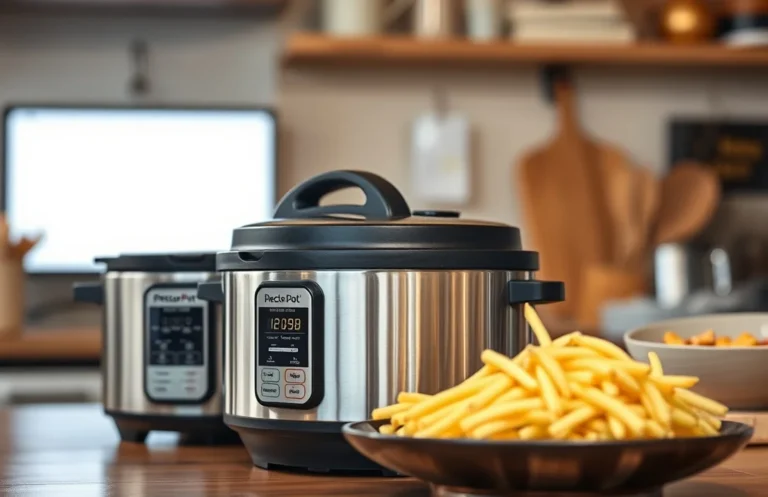
Pressure cooker vs slow cooker: how each works, temperatures and cook times, whether one can replace the other, multi-cookers that do both, and which to buy.
Hard anodized aluminum cookware is generally safe for food use because it has a thick, hardened aluminum oxide layer that resists corrosion. Safety still depends on whether the coating stays intact – how the pan is made, how you use it, and whether the surface chips or wears through. Hard anodized aluminum cookware is considered…
Curtis Stone cookware gets searched because people want to know if the nonstick coating or materials could put chemicals into food. The short version is that “toxic” depends on what you mean, because cookware safety is about specific regulated substances, not scary headlines. Whether Curtis Stone is a health risk comes down to the exact…
Rice cookers are usually safe, but “non-toxic” is a loaded word. If you are looking at CUCKOO, you want to know whether the materials, coatings, and plastics can add anything unwanted to your food, especially with heat and steam in the mix. This guide uses practical checks and safety logic to answer “is cuckoo rice…
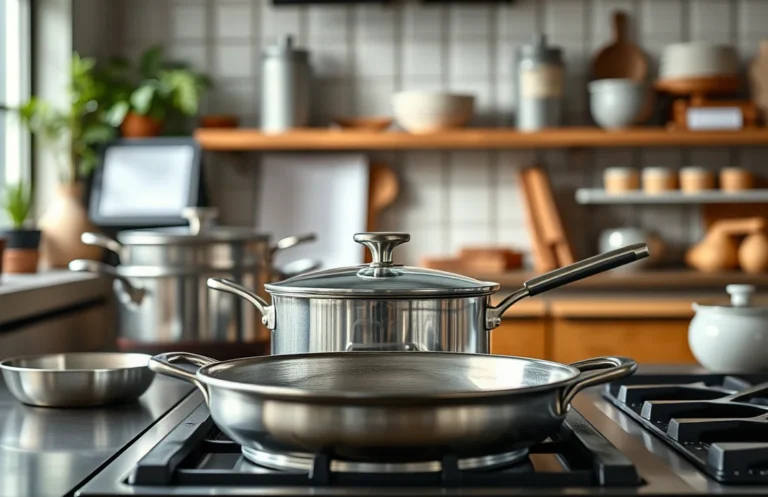
Ceramic titanium cookware is generally safe for most people when you use a real ceramic nonstick coating over a stable metal core and you cook normally. The safety issue is not the word “titanium” – it’s whether the ceramic barrier stays intact. If the coating chips, flakes, or you can see bare metal, stop using…
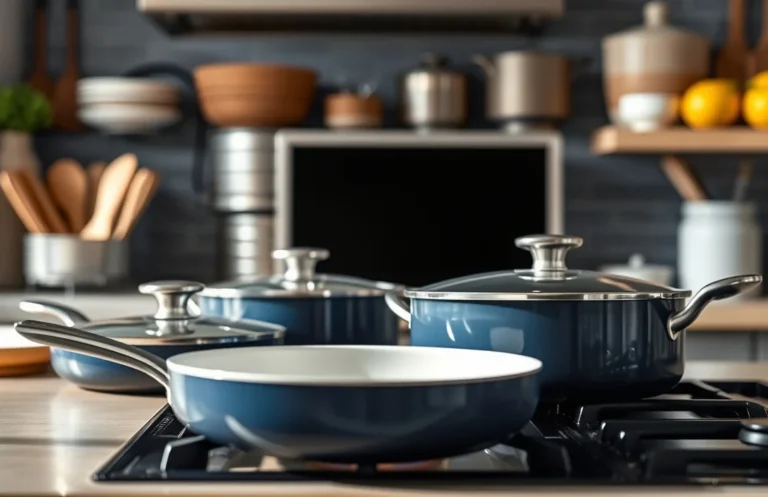
Ceramic coated cookware is generally safe to use, but only if the coating stays intact. The biggest real-world risk is not “ceramic” itself – it is coating damage, chips, and overheating that can expose the underlying metal or degrade the surface. This guide answers the safety question directly, then helps you decide what to buy,…
Carote cookware is marketed as PTFE-free, using a “PFAS-free” nonstick coating on aluminum. You’ll also see wording like “PFAS-free ceramic surface” and “PFOA, PFOS, and PFAS free.” If you’re trying to avoid PTFE (and broader PFAS concerns), this guide helps you verify what you’re actually buying, use it safely, and compare alternatives that fit your…
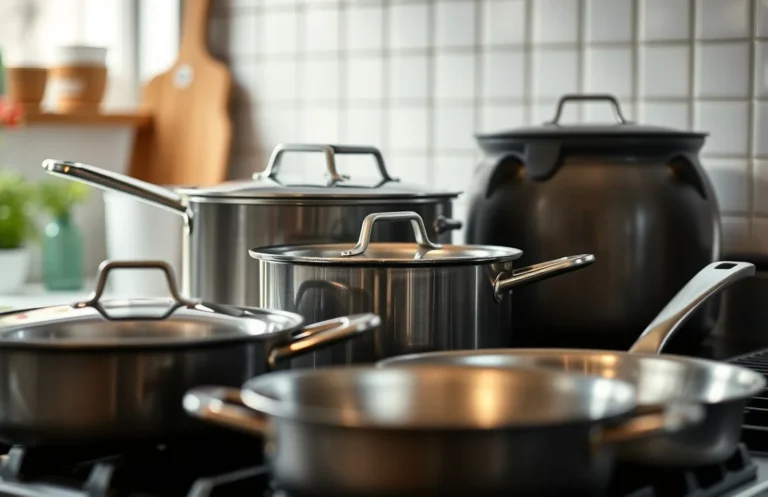
Carbon steel cookware is generally safe for cooking in the United States when the pan is properly seasoned and you use it the right way. The main issues people run into are sticking, a metallic taste when the seasoning is poor, and rust when the surface isn’t protected. This guide answers the question directly, then…
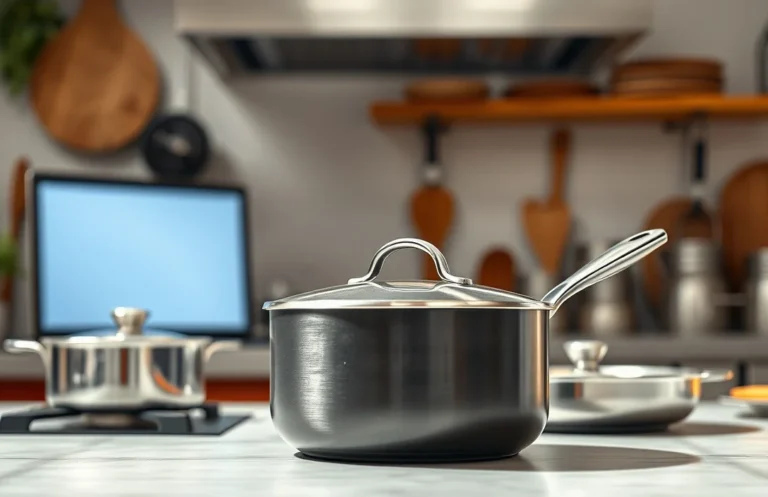
Anodized aluminum cookware is generally safe for food, because anodizing changes the aluminum surface and improves corrosion resistance. The real question is whether your pan is actually anodized on the cooking surface (not just the outside), and whether that surface stays intact. This guide answers “is anodized aluminum cookware safe?” in plain English, then focuses…
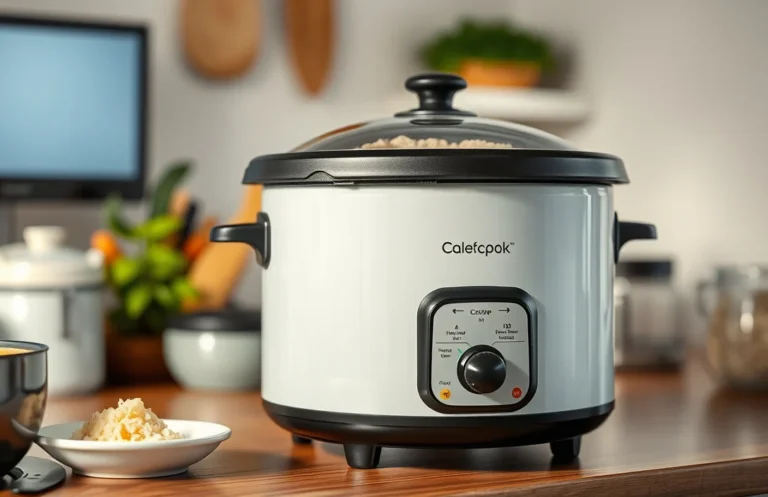
Slow cookers and rice cookers both run on low, steady heat, so they look interchangeable. They’re not. A rice cooker is designed to cook measured dry grains evenly, then switch to a keep-warm state. A slow cooker is designed to hold moist food at low heat for hours, usually with enough liquid for gentle simmering…