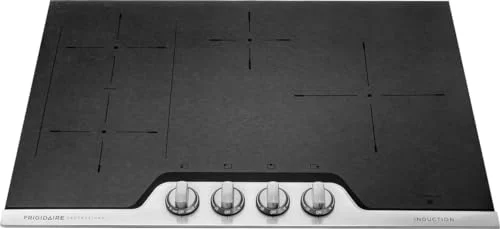
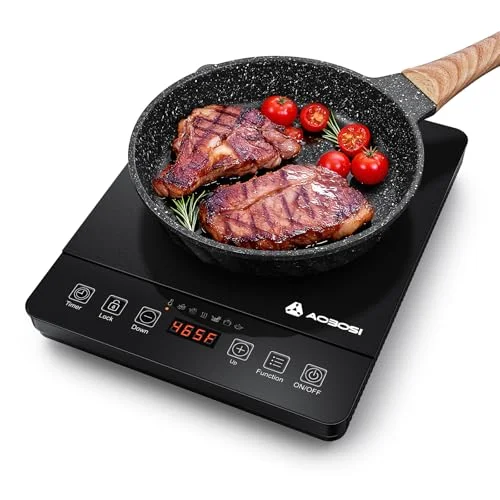
Top 10 Ge Cafe Induction Cooktop Reviews 2026
Shopping for ge cafe induction cooktop reviews gets messy because the listings rarely compete on one clean spec. In this set, Portable Induction Cooktop 20 Temperature & Power leans on High Efficiency & Rapid Heating: 1800W induction heating transfers energy directly to compatible cookware for fast boiling and responsive temperature changes, while Duxtop 1800W Portable Induction Cooktop Countertop Burner, points buyers toward PORTABLE INDUCTION BURNER Duxtop induction cooktop uses 120 V 15 amp electrical outlet-standard in all North American homes. That difference matters more than a generic ranking because the right pick depends on where you will use it, how often you need it, and which tradeoff you can live with.
The real divide isn’t just about size or price, it’s about how these cooktops fit into your kitchen rhythm. Built-in ranges like the GE Profile offer seamless power for daily cooking, while portable units trade some capacity for flexibility. I’ll break down where each type excels, from temperature precision to installation trade-offs, so you can decide whether a permanent upgrade or a plug-and-play burner better suits your cooking style.
Products in this guide
These are the Amazon listings we anchor to when we talk about ge cafe induction cooktop reviews in the rest of this guide. Each card pairs a thumbnail with a short editor read on what stands out in the listing, materials, stated use case, or patterns we see in buyer feedback. They are not a substitute for your own due diligence: follow the link to verify fit, compatibility, today’s price, and the most recent verified reviews before you buy.
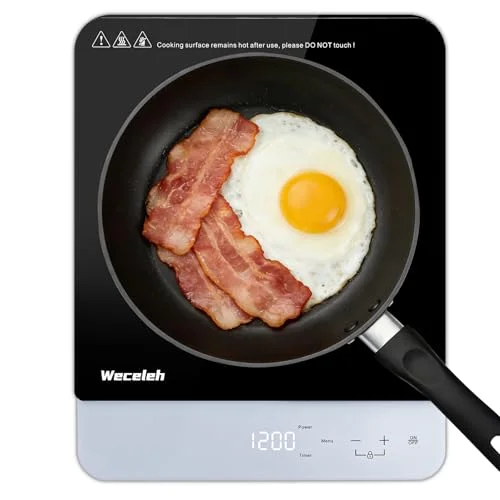
 Portable Induction Cooktop 20 Temperature & Power Levels,1800W Single Bu
Portable induction cooktop with 20 temperature & power levels for precise control
8.1/10
|
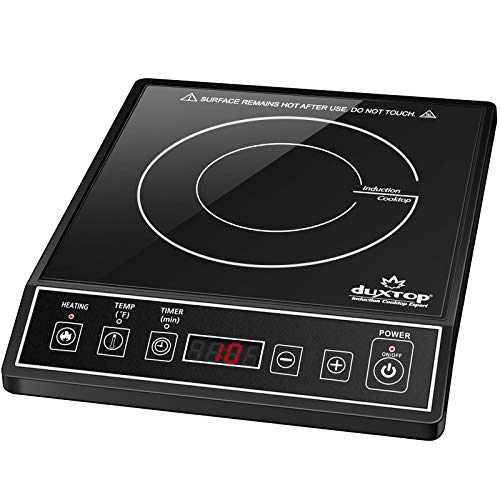 Duxtop 1800W Portable Induction Cooktop Countertop Burner, Black 9100MC/
Duxtop 1800W portable induction cooktop with 20 preset power levels and 20 preset temperature settings
8.5/10
|
 GE Profile PHS930YPFS 30 Smart Slide Electric Front Control Induction an
d Convection Range
7.8/10
|
 Mooye Induction Cooktop 1800W Portable Induction Burner, Large Heating C
Mooye Induction Cooktop 1800W Portable Induction Burner with 20 power & temperature levels
8.8/10
|
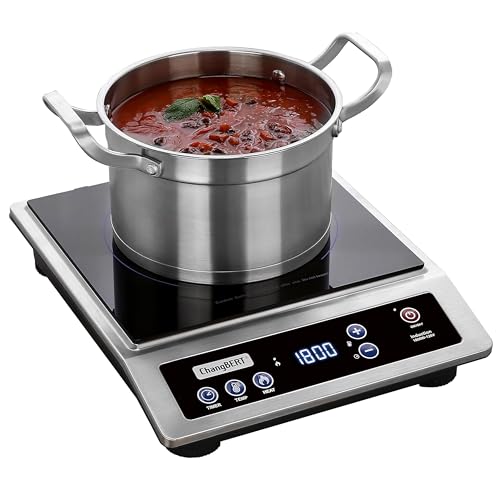 ChangBERT Induction Cooktop, Commercial Grade Portable Cooker, Large 8”
ChangBERT Induction Cooktop, Commercial Grade Portable Cooker with 10 Hours Timer
8.2/10
|
 Duxtop Portable Induction Cooktop, Countertop Burner Induction Hot Plate
 with LCD Sensor Touch
8.6/10
|
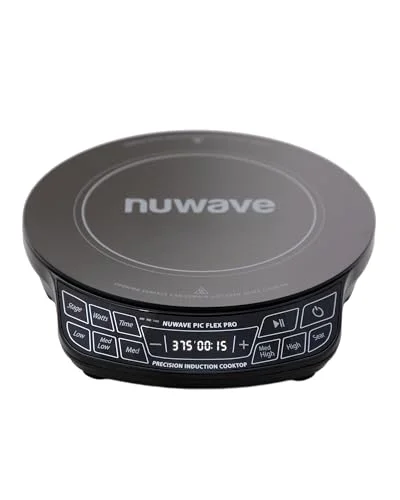
 Nuwave Flex Pro 10.25” Precision Induction Cooktop, Auto Shutoff, 30503V
Nuwave Flex Pro 10.25” Precision Induction Cooktop with Auto Shutoff
8.0/10
|
 ChangBERT Portable Induction Cooktop Enhanced Version, One-Click Max Pow
er 1800W
8.9/10
|
 Duxtop Portable Induction Cooktop, Countertop Burner Induction Hot Plate
 with LCD Sensor Touch
8.3/10
|
How we judged each pick
These notes mirror how we evaluate listings for this guide: practical fit, credible specs, and what buyers report back, not lab claims we cannot verify.
|
This portable unit stands out for its straightforward design and rapid heating, but its real strength is the granular control. The 20 temperature and power levels let you dial in everything from a gentle simmer to a rolling boil, which is handy if you’re juggling multiple dishes. The 6.8-inch coil is compact but efficient, though I’d note it might struggle with larger pots or uneven heating if your cookware isn’t perfectly flat. The lack of detailed safety info is a miss, buyers should know how it handles overheating or accidental shutdowns. |
|
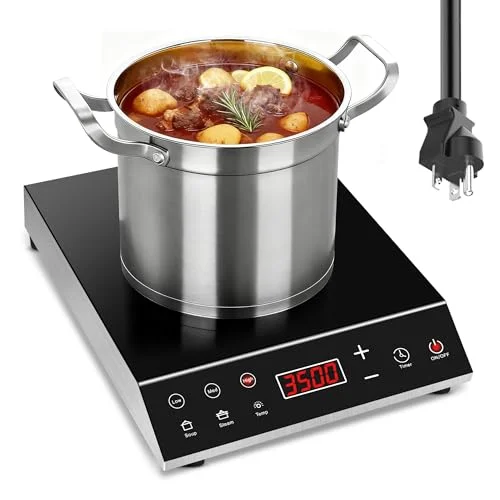
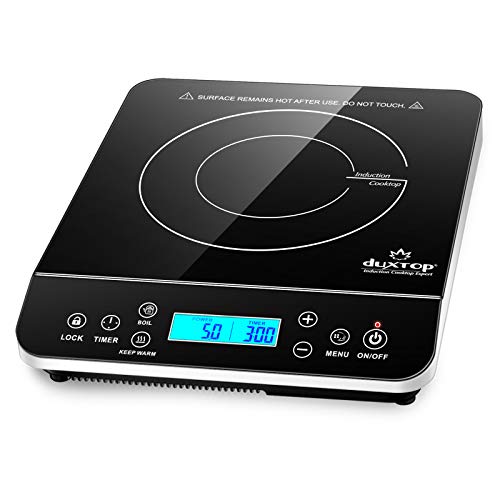
The Duxtop’s 83% energy efficiency is a highlight, especially if you’re comparing it to gas or traditional electric stoves. The 20 presets give you flexibility, but I’d want to see how it holds up under sustained use, does it maintain consistent heat for long simmers, or does it start to lag? The large glass surface is easy to clean, but the touch controls might feel less responsive if your hands are wet or greasy. It’s a solid pick for occasional use, but I’d hesitate to rely on it for heavy-duty cooking. |
|
This GE Profile range is built for serious cooks who need power and precision. The 11-inch induction element boils water in just over a minute, and the Glide Touch controls make temperature adjustments feel intuitive. It’s not a portable unit, though, the slide-in design and fit guarantee mean it’s a permanent upgrade. If you’re replacing an old range, this is a strong contender, but the price and size might be overkill if you’re just looking for a secondary burner. |
|
The Mooye’s physical buttons are a smart touch for busy kitchens, no fumbling with touch controls when your hands are full. The 12-hour timer is useful for slow-cooked dishes, and the 18 temperature settings give you plenty of room to experiment. That said, I’d want to know how it handles rapid temperature changes, especially if you’re searing meat or stir-frying. The lack of safety details is a gap, but the overall build feels sturdy enough for regular use. |
|
This ChangBERT model is clearly aimed at commercial or heavy-duty use. The 10-hour timer and continuous-duty circuitry suggest it’s built for long cooking sessions, and the 83% efficiency rating is impressive. The large coil design is a plus for even heating, but I’d be curious about how it performs with smaller pans, does it waste energy, or does it adjust well? The lack of portability info is a downside if you’re looking for something you can move around. |
|
The Duxtop’s LCD touch panel is sleek and easy to read, but I’d be cautious about using it in a high-splash zone. The 20 power and temperature presets are versatile, and the child safety lock is a nice addition. However, I’d want to see how it handles frequent use, does the touch panel stay responsive over time, or does it start to lag? It’s a good option for supplemental cooking, but not a replacement for a full range. |
|
The Nuwave’s 81 temperature presets are overkill for most home cooks, but the precision is useful if you’re experimenting with delicate techniques. The auto shutoff is a safety plus, though I’d like to know how it triggers, does it cut off abruptly, or does it give a warning? The TruTemp technology sounds promising, but without hands-on testing, it’s hard to say how it compares to simpler models. It’s a niche pick for those who prioritize fine control. |
|
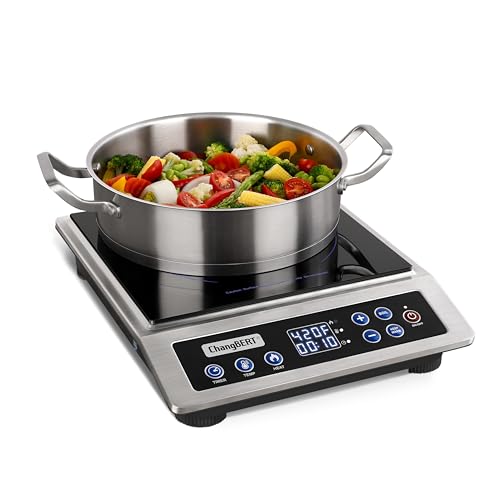
The one-click max power button is a standout feature for quick heating, and the 18 temperature presets cover most cooking needs. The 83% efficiency rating is solid, but I’d be curious about how it handles sustained high heat, does it overheat, or does it maintain consistent performance? The lack of portability details is a miss, but the commercial-grade build suggests it’s durable for regular use. |
|
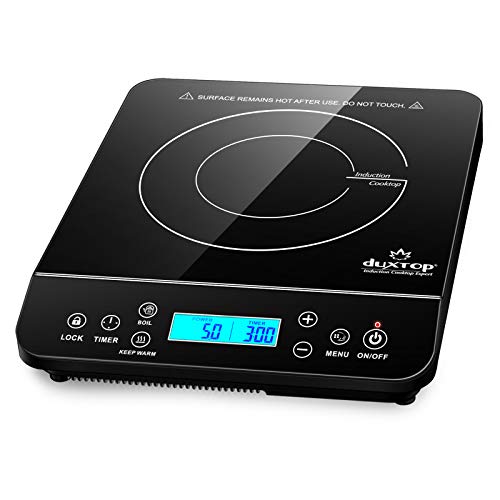
This Duxtop model is nearly identical to the earlier one, with the same LCD touch panel and 20 presets. The touch controls are clean and modern, but I’d be wary of using them with wet hands. The portability is a plus, but I’d want to know how it compares to other Duxtop models in terms of durability. It’s a decent choice for occasional use, but not a standout for heavy cooking. |
List of Ge Cafe Induction Cooktop Reviews
Most buyers assume induction cooktops are interchangeable, but the differences in coil design, control responsiveness, and power management can make or break your experience. A larger coil doesn’t just mean faster heating, it affects how evenly your cookware distributes heat, especially for dishes that require low simmering or high searing. I’d pay close attention to how each model handles temperature fluctuations, as this is where cheaper units often fall short.
Before diving into specs, ask yourself: Do you need a cooktop that blends into your kitchen’s design, or one you can move between the counter and a temporary setup? Portable models are great for small spaces or occasional use, but they often lack the sustained power for high-volume cooking. If you’re upgrading from gas, I’d also suggest testing your existing cookware for induction compatibility, some of your favorite pans might not make the cut.
The Selection Logic
When I’m sorting through GE Café induction cooktop reviews, I start by asking how the cooktop will actually fit into your kitchen. The specs sheet only tells part of the story, what matters is how the unit performs for your specific cooking habits. Here’s how I break it down to separate the contenders from the also-rans.
|
01
Identify the Real Need
First, I’d zero in on your cooking style. If you’re simmering sauces or searing steaks, you’ll need precise temperature control, look for models with fine adjustments and responsive interfaces. For batch cooking or meal prep, I’d prioritize power output and coil size to ensure even heating across larger pots. Don’t overlook your kitchen’s layout, either; a portable unit might seem convenient, but it won’t help if your counter space is limited or your outlets can’t handle the wattage.
|
02
Match the Product Type
Next, I’d match the product type to your needs. Built-in ranges like the GE Profile are ideal if you’re renovating or upgrading a permanent setup, they offer dedicated power and seamless integration, but they’re not portable. If you need flexibility, a countertop burner might be the better choice, but I’d check the coil size and duty-cycle rating to ensure it can handle your cooking volume without overheating or shutting down prematurely.
|
|
03
Check the Tradeoff
Then, I’d weigh the trade-offs between features and performance. A high wattage rating is useless if the cooktop can’t sustain it, and a sleek touch panel won’t help if it’s unresponsive with wet hands. I’d also consider how the unit handles real-world scenarios, does it maintain consistent heat for long simmers, or does it struggle with rapid temperature changes? Energy efficiency is another factor, especially if you’re comparing induction to gas or traditional electric.
|
04
Choose by Real Use
Finally, I’d narrow it down to the cooktop that best fits your real use case. If you’re cooking daily, a built-in range with advanced features like synchronized elements might be worth the investment. If you’re outfitting a small apartment or need a backup burner, a portable unit with a sturdy build and reliable controls is the way to go. I’d also factor in cookware compatibility, induction requires magnetic pans, so check your existing set before committing.
|
Integrated Range Versus Portable Burner
The biggest decision isn’t about power or price, it’s about whether you need a permanent solution or a flexible one. Built-in ranges like the GE Profile offer dedicated power circuits and seamless integration, which is ideal if you’re cooking daily or entertaining often. They’re designed to handle high-volume cooking, with features like synchronized elements for large griddles or multiple pots. But if you’re tight on space or need something you can move between the kitchen and a temporary setup, a portable burner is the better choice.
Portable units are great for small kitchens, RVs, or supplemental cooking, but they come with trade-offs. Most max out at 1800 watts, which is fine for quick meals but can be limiting for high-heat searing or long simmers. They also require careful management of your electrical circuits, plugging one into a shared outlet might trip a breaker if you’re running other appliances. I’d also consider how often you’ll use it; if it’s just for occasional cooking, a portable unit is a cost-effective solution, but if it’s your primary cooktop, you might outgrow it quickly.
Think about your long-term needs. If you’re upgrading from gas and plan to cook frequently, a built-in range will give you the power and consistency you’re used to. If you’re renting, downsizing, or just need a backup burner, a portable unit offers convenience without the hassle of installation. The key is to match the cooktop to your cooking habits, not the other way around.
|
GE Profile PHS930YPFS 30 Smart Slide Electric Front Control Induction and Convection Range with
GE Profile PHS930YPFS 30 Smart Slide Electric Front Control Induction and Convection Range
|
7.8/10 Check Price Amazon |
|
Duxtop Portable Induction Cooktop, Countertop Burner Induction Hot Plate with LCD Sensor Touch 1
Duxtop Portable Induction Cooktop, Countertop Burner Induction Hot Plate with LCD Sensor Touch
|
8.6/10 Check Price Amazon |
How Products Differ Here
- →GE Profile Range: This GE Profile range is a permanent solution with a 3700-watt element, designed for high-volume cooking and seamless kitchen integration.
- →ChangBERT Cooker: This portable Duxtop burner is built for flexibility, with a lightweight design and 1800-watt output for quick, supplemental cooking.
The GE Profile PHS930YPFS boils a quart of water in just 101 seconds, thanks to its 3700-watt element, something no portable unit can match. Portable burners like the Duxtop 9600LS are limited to 1800 watts, which is fine for boiling pasta or sautéing vegetables, but they’ll struggle with tasks that require sustained high heat, like searing large cuts of meat or reducing sauces. If you’re cooking for a family or entertaining guests, the built-in range’s power and stability make it the clear winner.
Control Interface and Durability
The interface might seem like a small detail, but it’s where you’ll interact with the cooktop every day. Touch panels offer a modern, easy-to-clean surface, but they can be finicky if your hands are wet or greasy. Mechanical buttons, on the other hand, provide tactile feedback, which is especially useful in busy kitchens where you’re juggling multiple tasks. I’d choose based on your cooking environment, if you’re frequently handling messy ingredients, physical buttons are the way to go.
Commercial-grade units often prioritize durability and reliability, which is why they tend to use mechanical controls. The ChangBERT series, for example, uses tactile buttons that work well in professional kitchens, where steam, grease, and constant use are the norm. Home cooks might prefer the sleek look of a touch panel, like the one on the Duxtop 9610LS, but I’d caution against assuming it’s the better choice, responsiveness can vary, and some models struggle with accidental inputs.
Think about how you cook. If you’re constantly adjusting temperatures, say, for delicate sauces or stir-fries, physical buttons give you more precise control. If you prefer a minimalist setup and don’t mind wiping down the surface frequently, a high-quality touch panel can work well. The key is to match the interface to your cooking style, not just your kitchen’s aesthetic.
|
ChangBERT Induction Cooktop, Commercial Grade Portable Cooker, Large 8” Heating Coil, Premium St
ChangBERT Induction Cooktop, Commercial Grade Portable Cooker with 10 Hours Timer
|
8.2/10 Check Price Amazon |
|
Duxtop Portable Induction Cooktop, Countertop Burner Induction Hot Plate with LCD Sensor Touch 1
Duxtop Portable Induction Cooktop, Countertop Burner Induction Hot Plate with LCD Sensor Touch
|
8.3/10 Check Price Amazon |
How Products Differ Here
- →Mooye Cooktop: This ChangBERT model uses physical buttons designed for reliability in high-demand environments, resisting moisture and grease.
- →ChangBERT Enhanced: This Duxtop unit features a digital LCD touch panel, which offers a sleek, modern look but may be less responsive with wet hands.
The Mooye Induction Cooktop’s physical buttons are a standout feature for active kitchens. They’re easy to use with gloves or when your hands are covered in oil, and the tactile feedback reduces accidental inputs. In contrast, the Duxtop 9610LS’s touch panel is sleek and easy to clean, but it might not be as reliable if you’re frequently handling wet or messy ingredients. If you’re cooking in a shared space or meal-prep station, the physical buttons are the smarter choice.
What Buyers Often Misread
Marketing materials often focus on peak wattage as the ultimate performance metric, but that’s just one piece of the puzzle. A cooktop rated at 1800 watts might sound powerful, but if it can’t sustain that output or distribute heat evenly, it’s not much use for serious cooking. I’d pay more attention to the coil size and duty-cycle rating, these determine whether the unit can handle long cooking sessions without overheating or shutting down prematurely.
Another common mistake is assuming all glass surfaces are equally durable. The exterior might look the same, but the internal construction, like cooling systems and heat distribution, varies widely. Induction cooktops also require specific cookware; if your pans aren’t magnetic, the unit won’t work, no matter how powerful it is. Many buyers blame the cooktop for performance issues that are actually caused by incompatible pots or pans.
|
Higher wattage always means faster cooking.
Energy efficiency and coil design matter more than raw wattage, look for units that maintain consistent heat without overheating.
|
|
All touch panels are equally responsive.
Touch controls can be finicky with wet or oily hands, physical buttons might be a better choice for active kitchens.
|
|
Portable cooktops work with any metal pan.
Only induction-compatible, magnetic cookware will work, test your existing pans with a magnet before buying.
|
|
Commercial grade means it fits every home kitchen.
Portable units often have specific power requirements, check your outlet’s capacity to avoid tripping breakers during high-heat cooking.
|
How To Make the Final Choice
Your ideal induction cooktop depends on how you cook and where you cook it. If you’re upgrading a permanent kitchen setup and need power and consistency, a built-in range like the GE Profile is the way to go. If you’re tight on space or need flexibility, a portable burner offers convenience without sacrificing performance. I’d also prioritize the interface, physical buttons for active kitchens, touch panels for a sleek, modern look. The key is to match the cooktop to your real-world needs, not just the specs sheet.
, The GE Profile PHS930YPFS is the best choice for serious cooks who need power, precision, and seamless integration into their kitchen.
, The Mooye Induction Cooktop is a great pick for busy kitchens, thanks to its physical buttons and reliable performance.
, The Duxtop 9600LS is a solid portable option for supplemental cooking, offering flexibility and ease of use without a major investment.
Frequently Asked Questions
Do I need special cookware for induction?
Yes, induction cooktops only work with magnetic cookware. Check your existing pans by seeing if a magnet sticks to the bottom. If it doesn’t, you’ll need to invest in induction-compatible pots and pans.
Are induction cooktops noisy?
They’re generally quiet, but you might hear a faint humming or buzzing sound, especially at higher power levels. This comes from the cookware vibrating slightly, not the burner itself, and it’s usually not loud enough to be disruptive.
Can I use induction cooktops on any counter?
Most portable units work on any flat, stable surface, but you’ll need proper ventilation and access to a grounded electrical outlet. Avoid placing them near flammable materials or in areas where they might get splashed with water. Built-in models require professional installation to ensure safety and proper fit.
How do I clean the glass surface?
Wait until the surface cools completely, then wipe it down with a damp cloth and a mild cleaner. Avoid abrasive sponges or harsh chemicals, as they can scratch or damage the glass. For stubborn stains, a mixture of baking soda and water can help lift residue without scratching.
Is induction safer than gas?
Induction is generally safer because it doesn’t use open flames. The surface stays relatively cool to the touch (though it can still get hot from residual heat), and most units feature auto-shutoff sensors to prevent overheating. However, you should still follow basic safety precautions, like keeping flammable materials away and supervising cooking.

- 10 Best Slow Cooker For Convenient Cooking 2026 (Tested And Reviewed) - October 18, 2026
- 10 Best Slow Cooker For Quick Preparation 2026 (Tested And Reviewed) - October 18, 2026
- 10 Best Slow Cooker For Family Meal Preparation 2026 (Tested And Reviewed) - October 18, 2026