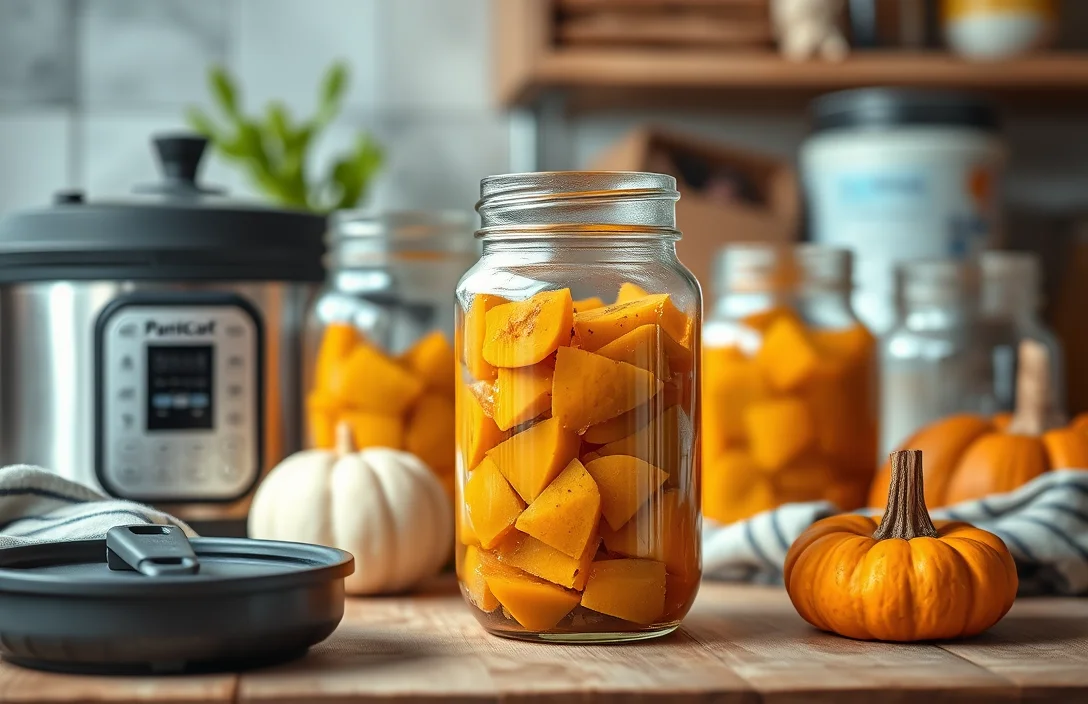
How to Can Pumpkin Puree Using a Pressure Cooker Effectively
Did you know that canning pumpkin puree using a pressure cooker can preserve its flavor and nutrients for up to a year? This method not only extends shelf life but also allows you to enjoy the taste of fall throughout the year, making it a practical choice for home cooks.
Preparing pumpkin puree in a pressure cooker is efficient and safe. Key steps include selecting the right pumpkins, ensuring proper pressure, and following safe canning practices to maintain flavor and texture. This guide will help you master the process with confidence.
Choosing the Right Pumpkins
Selecting the best pumpkins is crucial for creating a smooth and flavorful puree. Opt for pumpkins labeled as “pie” or “sugar” pumpkins, which are smaller and denser than carving pumpkins. These varieties offer a sweeter taste and better texture for canning. Avoid using large, hollow pumpkins, as they contain more water and less flavor.
- Look for firm pumpkins. Press your fingers against the skin; it should feel solid without any soft spots.
- Choose pumpkins with a deep orange color. Vibrant color indicates ripeness and sweetness.
- Inspect the stem. A dried stem indicates that the pumpkin has been harvested at the right time.
- Avoid blemishes or cuts. Damaged skin can lead to spoilage during the canning process.
- Consider weight. Heavier pumpkins typically have more flesh, which is essential for making a rich puree.
Preparing Pumpkin for Canning
Clean, peel, and cut pumpkins properly for effective canning. This process ensures safety and quality in your final product. Begin by selecting fresh pumpkins free of blemishes. Once you’ve chosen your pumpkins, follow these steps to prepare them for making puree.
- Wash pumpkins thoroughly under running water to remove dirt and contaminants.
- Cut off the stem and slice the pumpkin in half, using a sharp knife.
- Scoop out the seeds and stringy insides with a sturdy spoon or ice cream scoop.
- Peel the outer skin using a vegetable peeler or knife, ensuring to remove all the tough skin.
- Chop the flesh into uniform chunks, about 1 to 2 inches, to ensure even cooking.
Follow these steps carefully to prepare your pumpkin correctly. Proper preparation leads to a smoother puree and enhances flavor. Next, you’ll be ready to cook the pumpkin before canning.
Cooking Pumpkin for Puree
Cutting the pumpkin into manageable pieces is essential for even cooking. Start by slicing the pumpkin in half and removing the seeds and stringy insides. Then, chop it into smaller chunks, approximately 2 to 3 inches wide. This size ensures that the pumpkin cooks thoroughly and quickly, allowing for a smooth puree later.
Boiling the pumpkin is an effective method. Fill a large pot with water and bring it to a rolling boil. Carefully add the pumpkin pieces to the boiling water, ensuring they are fully submerged. Cook for about 15 to 20 minutes or until the flesh is tender enough to pierce easily with a fork. Drain the pieces and allow them to cool slightly before pureeing.
Steaming the pumpkin provides another excellent cooking option. Place the pumpkin chunks in a steaming basket over boiling water. Cover and steam for about 20 to 25 minutes until the flesh becomes soft. Steaming retains more nutrients and flavor compared to boiling. Once cooked, let the pumpkin cool before pureeing.
Microwaving the pumpkin can save time while still yielding delicious results. Cut the pumpkin into quarters and place them in a microwave-safe dish with a small amount of water. Cover with a lid or plastic wrap, leaving a small vent. Microwave on high for about 10 to 12 minutes or until the flesh is soft. Allow it to cool before scooping out the pumpkin flesh for pureeing.
Making Pumpkin Puree Consistency
Achieving the right consistency is crucial for pumpkin puree. Aim for a smooth, thick texture without excess water. Start by selecting fresh, firm pumpkins for the best results. Remove the skin and seeds before cooking, as this will enhance the flavor and texture. Use a blender or food processor to puree the cooked pumpkin until it reaches your desired consistency.
Observe the following tips to maintain quality:
- Drain excess liquid by straining the puree through a fine mesh sieve or cheesecloth if necessary.
- Adjust thickness by adding small amounts of water or broth gradually until you reach the desired smoothness.
- Test the flavor by tasting the puree before canning; seasoning can enhance the overall taste.
Monitoring the process closely ensures a velvety texture that’s perfect for soups, pies, and other recipes. Be mindful of how the puree will be used later, as this can influence the final consistency you aim to achieve.
Canning Process in Pressure Cooker
Follow these essential steps for safely canning pumpkin puree using a pressure cooker. Ensuring the right procedure will maintain quality and prevent spoilage. Adhering to these guidelines is crucial for a successful canning experience.
- Prepare the pressure cooker by ensuring that it is clean and in good working order. Inspect the gasket for any signs of wear, as a proper seal is vital for maintaining pressure.
- Fill the jars with the prepared pumpkin puree, leaving a half-inch headspace at the top of each jar. This space allows for expansion during the pressure cooking process.
- Wipe the rims of the jars with a clean, damp cloth to remove any residue. A clean rim is necessary for a proper seal.
- Place the lids on the jars, ensuring they are centered. Screw on the metal bands until they are fingertip-tight but not overly tight, as this can prevent the lids from sealing properly.
- Load the jars into the pressure cooker, making sure they are not touching. Use a rack if needed to keep the jars elevated and prevent direct contact with the bottom of the cooker.
Sealing and Storing Canned Puree
Ensure jars are sealed correctly. After processing, let the jars cool on a clean towel or cooling rack for 12 to 24 hours. Check that each lid has formed a proper seal by pressing the center. If it pops back, the jar did not seal successfully and needs to be refrigerated and used promptly.
Label jars with contents and date. Using a permanent marker or label maker, write the type of puree and the date it was processed. This practice helps you keep track of freshness and ensures you use older jars first during meal prep.
Store sealed jars in a cool, dark place. A pantry or cupboard away from sunlight and heat sources works best. Ideal storage temperatures range between 50°F to 70°F. Excessive heat can compromise the quality of your pumpkin puree.
Inspect jars periodically for signs of spoilage. Look for bulging lids, leaks, or unusual odors. These indicators suggest the food is no longer safe to eat. Discard any jars that show these signs to maintain safety.
Consider using vacuum sealers for additional protection. If you have extra puree after canning, vacuum sealing can extend its shelf life in the freezer. This method helps maintain flavor and texture for future use.
Labeling and Shelf Life
Label each jar clearly with essential information. Include the contents, preparation date, and processing method. This practice helps track freshness and ensures safe consumption. Proper labeling prevents confusion and ensures you use the oldest jars first.
- Write the date of canning directly on the lid or label using permanent markers.
- Note the contents, such as “Pumpkin Puree,” to avoid any mix-ups later.
- Include processing details, like “Pressure Canned,” to indicate the method used.
- Store jars in a cool, dark place to maintain quality and extend shelf life.
- Monitor jars for any signs of spoilage, such as bulging lids or unusual odors upon opening.
Maintaining proper storage conditions contributes to the longevity of your pumpkin puree. Most canned purees last up to one year, but always check for quality before use. Prioritizing safety ensures your family enjoys healthy, homemade food while minimizing waste. Following these tips will enhance your confidence and skill in canning.
Quick Summary
- Canning pumpkin puree in a pressure cooker is a safe method to preserve this nutritious food.
- Ensure you use a tested recipe and follow guidelines to maintain food safety.
- Always use high-quality, fresh pumpkins for the best flavor and texture.
- Prepare your pressure cooker and jars properly by sterilizing them before use.
- Monitor the pressure and time carefully to achieve the correct processing conditions.
- Label and date your canned pumpkin puree for future reference and use within a year.
- Store the jars in a cool, dark place to extend shelf life and maintain quality.
Frequently Asked Questions
1. Is it safe to can pumpkin puree in a pressure cooker?
Yes, it is safe to can pumpkin puree using a pressure cooker, as long as you follow proper canning guidelines. Pumpkin puree is low in acidity, so it must be processed in a pressure canner to ensure it reaches a safe temperature for preserving.
2. How do I prepare pumpkin for canning?
To prepare pumpkin for canning, start by selecting fresh, ripe pumpkins. Cut them in half, remove the seeds, and cook the flesh until soft, either by boiling or baking, then mash or puree the cooked pumpkin before canning.
3. What is the recommended processing time for pumpkin puree in a pressure cooker?
The recommended processing time for pumpkin puree in a pressure cooker is typically 90 minutes at 10 pounds of pressure. However, processing times may vary based on your altitude, so it’s important to consult a reliable canning guide for specific instructions.
4. Can I add spices or sweeteners to my pumpkin puree before canning?
It’s best to can pumpkin puree without any added spices or sweeteners, as these can affect the safety and preservation of the product. You can always add flavors after opening the jars to suit your personal taste.
5. How should I store the canned pumpkin puree once it’s processed?
After processing, allow the jars to cool completely before storing them in a cool, dark place. Properly sealed jars can be stored for up to a year, but make sure to check for any signs of spoilage before use.

- 8 Easy Slow Cooker Beef and Rice Recipes for Delicious Meals - March 29, 2026
- Slow Cooker Beef and Sausage Chili: 7 Steps to Flavorful Success - March 29, 2026
- Savory Beef Back Ribs in a Pressure Cooker: 7 Steps to Perfection - March 29, 2026