How to Safely Can Pickles in a Pressure Cooker for Delicious Results
Pressure cooking can reduce canning time by up to 75%, making it a rapid solution for preserving pickles. This method not only saves time but also enhances flavor retention, ensuring your pickles are delicious and shelf-stable for long periods.
Mastering canning pickles in a pressure cooker involves understanding temperature control, proper sealing techniques, and ingredient ratios. These essentials ensure safety and quality, allowing you to enjoy homemade pickles year-round.
Choosing the Right Pickles
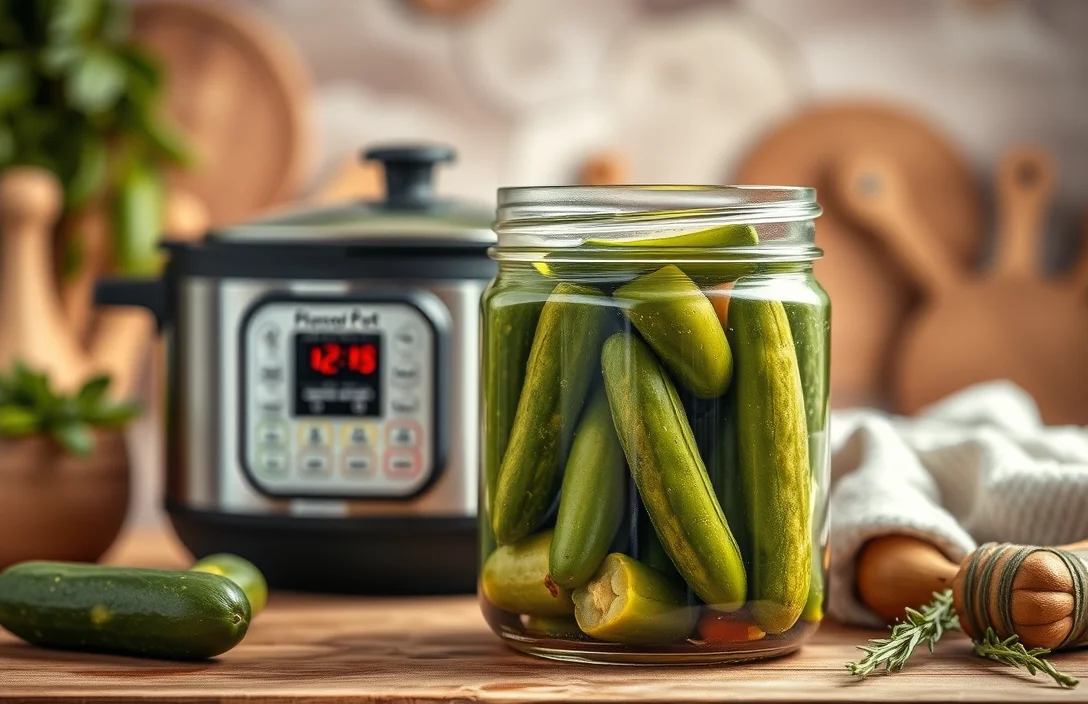
Fresh cucumbers form the foundation of any successful pickling endeavor. Look for firm, unblemished vegetables, ideally 4 to 6 inches long. Varieties such as Kirby or Persian cucumbers are popular choices due to their crisp texture and ability to hold up during the canning process. Avoid larger cucumbers, which can be watery and lack the crunch desired in pickles.
Flavoring options significantly enhance the final product. Popular spices include dill, garlic, mustard seeds, and peppercorns. Experiment with combinations to discover your preferred taste profile. For a sweet pickle, consider adding sugar along with vinegar. Each flavoring agent contributes to the overall taste, making selection crucial to your pickling success.
Quality ingredients are essential for safety and taste. Ensure all cucumbers are fresh and free from blemishes. Organic cucumbers can be a great option, as they often come without harmful pesticides. Rinse them thoroughly before use to remove any dirt or residues, ensuring a clean base for your pickles.
Seasonal considerations also play a role in selecting cucumbers. Peak harvest times yield the best flavors and textures. Visit local farmers’ markets or grocery stores when cucumbers are in season, ensuring maximum freshness. This attention to detail sets the stage for delicious pickles that you can safely can in your pressure cooker.
Preparing Jars and Lids
Cleaning and sterilizing jars is crucial for safe canning. Begin by selecting glass jars specifically designed for canning, ensuring they are free from cracks and chips. Proper sterilization prevents bacterial growth, which can spoil your pickles. Wash all jars and lids in hot, soapy water, then rinse thoroughly.
- Submerge jars in boiling water for 10 minutes. This process guarantees that all surfaces are sanitized.
- Remove jars from the water using tongs, letting them air dry on a clean towel. Ensure they remain inverted to avoid dust contamination.
- Place lids in a small saucepan of simmering water for 5 minutes. This softens the sealing compound, allowing for a better seal when canning.
- Inspect all jars and lids carefully for damages. Discard any that show signs of wear or imperfection.
- Keep jars warm until ready to fill. Filling hot jars with brine prevents thermal shock, which can cause breakage.
Following these steps ensures a safe canning process, essential for maintaining the quality of your pickles.
Making the Brine Solution
Creating a flavorful pickling brine involves combining the right ingredients in precise measurements. Start by gathering distilled white vinegar, water, and pickling salt. This mixture serves as the foundation for your pickles, ensuring they have the desired taste and preservation qualities.
- Combine one part distilled white vinegar with one part water. This equal ratio ensures a balanced acidity level.
- Add salt at a ratio of 1 to 2 tablespoons per quart of liquid. Pickling salt dissolves easily and enhances flavor without clouding the brine.
- Incorporate additional spices or flavorings to personalize the brine. Common options include garlic, dill seeds, mustard seeds, and red pepper flakes.
- Heat the mixture in a saucepan until it reaches a gentle simmer. Stir until the salt completely dissolves to create a uniform solution.
- Allow the brine to cool slightly before using. This step prevents cooking the vegetables when packed into jars.
Following these steps results in a delicious brine solution, essential for successfully canning pickles in a pressure cooker. Properly prepared brine not only preserves but also enhances the overall flavor of your pickles.
Packing Jars Properly
Fill jars tightly with pickles, ensuring they stand upright. Start by layering the pickles vertically, maximizing space while maintaining a consistent presentation. This technique not only looks appealing but also allows for even brine distribution during processing. Leaving some headspace at the top is crucial; aim for about half an inch to allow for expansion.
Pour hot brine carefully over the packed pickles, filling to the appropriate headspace. Avoid splashing hot liquid on the jar rims, as this can interfere with sealing. Use a funnel for precision, ensuring the pickles are submerged completely. This helps in achieving the desired flavor and texture.
Wipe jar rims with a clean cloth to remove any residue. Clean rims are essential for creating a proper seal, preventing spoilage. Inspect jars for cracks or chips before sealing; damaged jars can lead to failure during the canning process. Proper inspection ensures the safety and longevity of the canned pickles.
Seal jars with lids and bands, tightening them just until resistance is felt. Over-tightening can prevent the jars from venting properly during processing. Proper sealing is crucial for maintaining freshness and preventing contamination. This step prepares the jars for the next phase of canning.
Setting Up the Pressure Cooker
Adjust the pressure cooker settings for canning by ensuring it is properly calibrated. Most modern pressure cookers have a gauge that indicates the pressure level. Verify that the gauge reads correctly and adjust if necessary. This calibration is crucial for ensuring that the temperature reaches the required levels for safe canning.
Next, add water to the pressure cooker. Fill it with the appropriate amount, usually around 2 to 3 inches, depending on the model. Always refer to the manufacturer’s guidelines for the precise measurement. Water is necessary to create steam, which in turn generates the pressure needed for effective canning.
Check the sealing ring for integrity. The sealing ring should be free of cracks and should fit snugly in place. A faulty ring can lead to steam escaping, preventing the cooker from reaching the necessary pressure. Replace any damaged rings to ensure a successful canning process.
Inspect the pressure release valve. Ensure it is clean and functioning properly. A blocked valve can hinder pressure buildup or cause dangerous situations. Regular maintenance, including cleaning, will help keep your pressure cooker in optimal condition.
Prepare the cooker for operation by locking the lid securely. Align the lid with the pot and twist to lock it in place. A proper seal is essential to maintain pressure during the canning process and to prevent any leaks. Following these steps ensures a safe and effective canning experience.
Canning Process Timing
Timing significantly impacts the quality of canned pickles. The recommended processing time in a pressure cooker typically ranges from 5 to 15 minutes, varying based on the type of pickles and jar size. Always refer to a reliable recipe to determine the exact timing needed for your specific batch.
Monitoring pressure levels is crucial during the canning process. Ensure that the pressure remains consistent throughout the cooking time to effectively eliminate harmful bacteria. Adjustments may be necessary if the pressure fluctuates, so keep a close eye on the gauge.
Maintaining the right temperature is equally important. The pressure cooker should reach the required pressure quickly, which helps in preserving the pickles’ texture and flavor. If the cooker takes too long to reach pressure, it may affect the final product.
Testing the seals after processing is essential. Once the canning process completes, allow the jars to cool for a few minutes before checking the seals. A properly sealed jar will not flex when pressed in the center, indicating successful preservation.
Cooling and Storing Pickles
Cooling jars promptly prevents spoilage. After removing the jars from the pressure cooker, place them on a clean, dry towel or cooling rack. This allows air to circulate around the jars, helping them cool down evenly. Avoid placing them directly on a cold surface, as this may cause thermal shock and crack the glass.
Storing pickles requires specific conditions. Once cooled, check that each lid has sealed properly. If a lid pops back when pressed, that jar didn’t seal and should be refrigerated and consumed within a few weeks. Properly sealed jars can be stored in a cool, dark place, like a pantry or cellar, and should last for up to a year.
Labeling jars ensures proper organization. Use a permanent marker or label maker to note the contents and date of canning. This practice helps track freshness and makes it easier to rotate stock. Remember to check jars periodically for any signs of spoilage, including bulging lids or off smells.
Refrigerating unsealed jars extends freshness. If you have jars that didn’t seal, store them in the refrigerator and consume them within a few weeks. This method keeps the pickles crisp and flavorful while preventing any potential food safety issues.
Quick Summary
- Canning pickles in a pressure cooker is a safe method to preserve vegetables, ensuring a long shelf life.
- Ensure all equipment, including jars and lids, are sterilized before use to prevent contamination.
- Use a tested pickle recipe to maintain proper acidity levels, which is crucial for food safety.
- Fill jars with pickles and brine, leaving appropriate headspace to allow for expansion during processing.
- Follow the manufacturer’s guidelines for processing times and pressure settings specific to your cooker model.
- Allow jars to cool completely after processing, and check seals before storing them in a cool, dark place.
- Label jars with the date and contents for easy identification and rotation in your pantry.
Frequently Asked Questions
1. Can I can pickles in a pressure cooker?
Yes, you can can pickles in a pressure cooker, but it’s essential to follow safe canning practices. Typically, pickles are best processed using a water bath canner, as they are high in acid, which helps prevent bacterial growth.
2. What type of pickles can I can using a pressure cooker?
You can can various types of pickles, including dill, bread and butter, and sweet pickles. However, ensure that the recipe is specifically designed for pressure canning to maintain the right acidity and safety.
3. How long should I process pickles in a pressure cooker?
The processing time for pickles in a pressure cooker can vary based on the recipe and jar size. Generally, it ranges from 5 to 15 minutes, but it’s crucial to follow the specific guidelines provided in your recipe for the best results.
4. Do I need to sterilize jars before canning pickles in a pressure cooker?
Yes, you should sterilize jars before canning to eliminate any potential bacteria. You can do this by boiling the jars in water or running them through a dishwasher cycle on high heat.
5. What are the safety tips for canning pickles in a pressure cooker?
Always follow tested recipes and guidelines from reputable sources to ensure safety. Additionally, check the seals on jars after processing and store them in a cool, dark place to prolong shelf life.

- 8 Easy Slow Cooker Beef and Rice Recipes for Delicious Meals - March 29, 2026
- Slow Cooker Beef and Sausage Chili: 7 Steps to Flavorful Success - March 29, 2026
- Savory Beef Back Ribs in a Pressure Cooker: 7 Steps to Perfection - March 29, 2026