How to Make Cannabutter in a Slow Cooker Using a Mason Jar
Approximately 1 ounce of cannabis can yield up to 2 cups of potent cannabutter when prepared properly in a slow cooker with a mason jar. This method maximizes flavor and potency, making it an efficient choice for infusing butter.
Creating cannabutter using a slow cooker and mason jar is straightforward. Key steps include decarboxylating cannabis, mixing with butter, and allowing slow cooking for several hours. The result is a versatile ingredient for countless recipes.
Selecting Quality Cannabis
Selecting the right strain is crucial for effective cannabutter. Different strains have varying effects, flavors, and potency. Indica strains are known for relaxation, while sativa strains can provide energy. Hybrid strains offer a mix of both. Researching strain characteristics will help you achieve the desired outcome in your cannabutter.
- Evaluate potency through lab results. High THC content usually means stronger effects, which may be desirable for your purposes.
- Consider flavor and aroma. Strains like Blueberry or Lemon Haze can enhance the taste of your final product, making it more enjoyable.
- Research strain effects. Some strains may be better suited for relaxation, while others may stimulate creativity or focus. Match the strain to your intended use.
- Source from reputable dispensaries. Quality cannabis can make a significant difference. Look for well-reviewed sources that provide information about their products.
- Ask for recommendations. Budtenders can provide insights based on your preferences and needs, guiding you towards the best options for your cannabutter.
Preparing Ingredients in Advance
Gathering and preparing the key ingredients ensures a smooth process for making cannabutter. Start with high-quality cannabis and unsalted butter. Measure out the desired amount of each component, as precise ratios lead to the best flavor and potency. For optimal results, use a scale to weigh the cannabis accurately before proceeding.
- Break down cannabis into smaller pieces. Use clean scissors or a grinder to achieve a coarse consistency. Avoid fine grinding, as it may lead to a bitter taste in your final product.
- Melt the butter in a saucepan on low heat. Low temperatures prevent burning and ensure even melting. Stir occasionally to help the butter melt uniformly before combining with cannabis.
- Combine the melted butter and cannabis in a mason jar. Ensure the mixture is well-blended to allow the cannabinoids to infuse properly during the cooking process. Seal the jar tightly to prevent any leaks.
- Prepare your slow cooker. Fill it with water, ensuring the water level is sufficient to submerge the mason jar halfway. This creates a consistent temperature and prevents burning.
- Set the slow cooker to low heat, allowing the contents to infuse slowly over several hours. Monitor the temperature to ensure it remains steady, promoting optimal extraction of cannabinoids without damaging them.
Using a Slow Cooker Effectively
Positioning your slow cooker correctly enhances the infusion process. Ensure it sits on a stable surface, away from the edge of counters to prevent accidental spills. Adequate ventilation is crucial; keep the lid slightly ajar if steam buildup becomes excessive. This simple adjustment helps maintain optimal temperature for effective cannabutter infusion.
Monitoring temperature prevents overheating. Many slow cookers have high, low, and warm settings. Aim to keep the temperature around 160-200°F (71-93°C) for ideal extraction. High temperatures can degrade cannabinoids, so avoid prolonged high settings. Use a thermometer if your slow cooker lacks precise temperature controls.
- Seal the mason jar tightly. Air exposure can lead to unwanted oxidation, affecting flavor and potency.
- Fill the slow cooker with water, ensuring it covers at least halfway up the sides of the jar. This water bath method helps distribute heat evenly.
- Check the water level periodically. Topping it off as needed prevents the jar from overheating or cracking.
Placement matters for consistency. Center the jar within the slow cooker to promote even heating. Avoid overcrowding if infusing multiple jars; adequate space ensures each jar receives sufficient heat.
Mason Jar Infusion Method
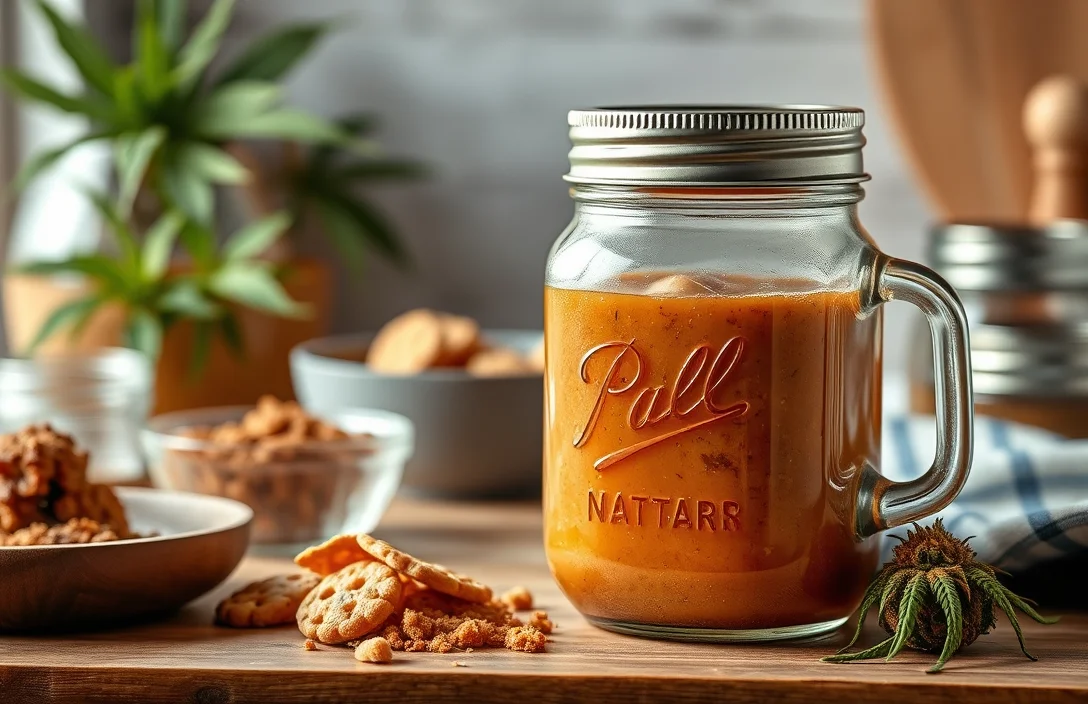
Prepare the mason jar by ensuring it’s clean and dry. Any residue can affect the infusion process. Use a wide-mouth jar to make filling and emptying easier, especially when handling the buttery mixture. Make sure the lid fits tightly to prevent leakage during cooking.
- Fill the mason jar with your decarboxylated cannabis. Use enough to fill about halfway, allowing space for the butter. This ratio ensures a potent infusion without overcrowding the jar.
- Add your desired amount of unsalted butter into the jar. Melt the butter slightly beforehand for easier mixing. This step allows the cannabinoids to infuse more thoroughly.
- Seal the jar tightly. Ensure there are no gaps that could allow steam to escape during the cooking process. A secure seal prevents water from entering the jar and diluting your infusion.
- Place the jar into the slow cooker. Fill the cooker with water until it reaches about halfway up the sides of the jar. This water bath method provides even heat distribution, essential for a successful infusion.
Monitor the infusion process closely. Adjust the water level if necessary to maintain consistent heat. Ensuring proper water levels prevents overheating and allows for optimal extraction of cannabinoids.
Cooking Duration and Temperature
Optimal cooking duration for cannabutter is essential for maximum potency and flavor. Set your slow cooker to low heat for 4 to 6 hours. This timeframe allows the cannabinoids to infuse thoroughly into the butter without burning or degrading.
Maintaining a steady temperature is crucial. Aim for a consistent low setting, ideally around 160°F to 190°F (70°C to 88°C). High temperatures can destroy valuable compounds, reducing the effectiveness of your final product.
Checking the mixture periodically is necessary. Stir gently every hour to ensure even infusion. This action helps prevent any separation or sticking to the sides, ensuring a smooth blend throughout the cooking process.
Testing for readiness can be done through a simple visual check. The butter should appear fully melted and infused, with no visible plant material floating on the surface. If the infusion looks cloudy or thick, it may need additional time to complete.
Adjusting the cooking time based on personal preference is advisable. If you prefer a stronger flavor and potency, extending the cooking duration to 8 hours may enhance the infusion further. Just make sure to monitor the temperature closely to avoid overheating.
Straining and Storing Cannabutter
Straining your finished cannabutter is crucial for achieving a smooth consistency. Begin by preparing a fine mesh strainer or cheesecloth to separate the plant material from the butter. Place your strainer over a bowl or a clean mason jar to catch the liquid butter.
- Remove the slow cooker lid carefully, avoiding burns from steam. Allow the cannabutter to cool slightly for safer handling.
- Pour the mixture through the strainer slowly, letting the liquid drip into the bowl or jar. Press down gently on the plant material to extract as much butter as possible.
- Discard the leftover plant material responsibly. Seal it in a bag before placing it in the trash to avoid odors.
- Transfer the strained cannabutter into a clean mason jar. Leave some space at the top to allow for expansion if you plan to freeze it.
- Store the jar in the refrigerator for up to two weeks or freeze it for longer preservation. Label your jar with the date to track freshness.
Maintaining an airtight seal ensures the best flavor and potency. Always check the butter for any signs of spoilage before use.
Flavoring and Additional Ingredients
Enhancing the taste of your cannabutter can elevate your culinary creations. Incorporating flavoring agents like herbs, spices, or citrus zest can provide a unique twist. Try adding a few sprigs of rosemary or thyme during the infusion process for an aromatic touch. Alternatively, zest from a lemon or orange can offer a refreshing contrast to the earthy notes of cannabis.
Experimenting with different oils also enhances flavor. Mixing in a bit of coconut oil or olive oil can introduce new dimensions to your cannabutter. These oils not only improve flavor but also boost the fat content, which helps with cannabinoid absorption. Aim for a balanced ratio that doesn’t overpower the cannabis essence.
Sweetening your cannabutter is another option. Consider adding honey, maple syrup, or vanilla extract after straining. These ingredients can create a delightful base for baked goods or spreads. Start with small amounts and adjust to taste, ensuring the sweetness complements rather than overshadows the cannabis flavor.
Infusing your cannabutter with chocolate can create a rich treat. Melt chocolate and mix it into the finished product for deliciously decadent results. This works exceptionally well in brownies or frosting, adding an indulgent element to your recipes.
Quick Summary
- Using a slow cooker for cannabutter allows for even heat distribution and a more controlled infusion process.
- Mason jars can be used to contain the butter and cannabis, making the process cleaner and easier to manage.
- The slow cooking method typically takes several hours, enhancing the flavor and potency of the cannabutter.
- Temperature control is crucial; keeping the heat low prevents the degradation of cannabinoids.
- Decarboxylation of cannabis is essential before infusion to activate THC and other compounds.
- Straining the mixture after cooking ensures a smooth and potent final product without plant material.
- Cannabutter can be stored in the refrigerator or freezer for long-term use in various recipes.
Frequently Asked Questions
What is cannabutter?
Cannabutter is a type of butter infused with cannabis, used as an ingredient in various recipes to create edible marijuana products. It allows for easy incorporation of cannabis into foods and can be made using various methods, including a slow cooker.
How do I make cannabutter in a slow cooker using a mason jar?
To make cannabutter in a slow cooker, place your decarboxylated cannabis and butter in a mason jar, seal it, and submerge the jar in water in the slow cooker. Set the cooker to low heat for several hours, allowing the butter to infuse with the cannabis while keeping the temperature controlled.
What type of cannabis should I use for cannabutter?
You can use any strain of cannabis, but the choice depends on your desired effects. Consider using high-THC strains for potency or CBD strains for more medicinal effects, and always ensure the cannabis is properly decarboxylated before infusing.
How long can I store cannabutter, and how should I do it?
Cannabutter can be stored in the refrigerator for up to 2-3 weeks or frozen for up to 6 months. For best results, keep it in an airtight container to maintain freshness and prevent odors from affecting other foods.
How do I determine the potency of my cannabutter?
The potency of cannabutter can vary based on the strain used and the amount of cannabis infused. To estimate potency, you can calculate the total amount of THC in the cannabis used and divide it by the total servings of cannabutter, but it’s advisable to start with a small amount to gauge effects.

- 8 Easy Slow Cooker Beef and Rice Recipes for Delicious Meals - March 29, 2026
- Slow Cooker Beef and Sausage Chili: 7 Steps to Flavorful Success - March 29, 2026
- Savory Beef Back Ribs in a Pressure Cooker: 7 Steps to Perfection - March 29, 2026