How to Steam Eggs in a Rice Cooker for Perfect Results
Eggs steamed in a rice cooker can be ready in as little as 12 minutes, making them a quick and nutritious option for busy cooks. This method not only saves time but also ensures perfectly cooked eggs without any hassle, ideal for beginners.
Yes, you can steam eggs in a rice cooker. Simply add water to the cooker, place the eggs in a steaming basket, and set the timer. Enjoy fluffy, tender eggs without the mess of boiling!
Yes, You Can Steam Eggs
Steaming eggs in a rice cooker is absolutely possible and incredibly simple. This method provides a consistent cooking temperature, ensuring that your eggs are perfectly done every time. The steam gently cooks the eggs, resulting in a tender texture without the risk of overcooking. Grab your rice cooker, and let’s dive into the process!
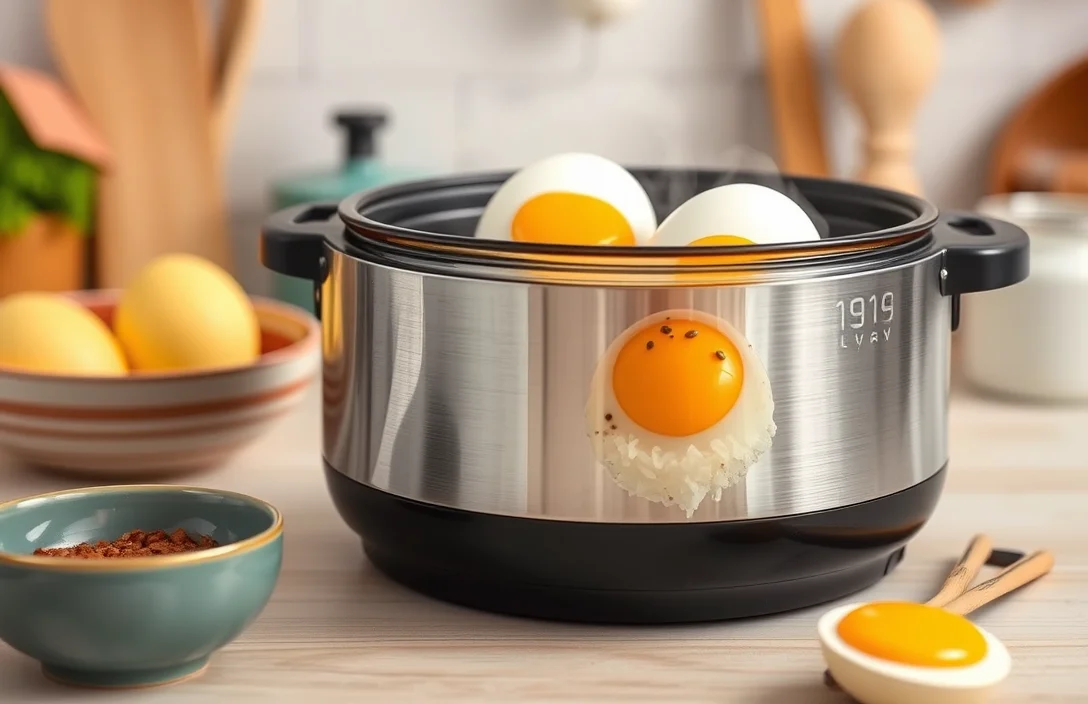
Many rice cookers come with a steaming tray or basket, making it even easier to prepare eggs. Place the eggs in the steaming tray, ensuring they are not overcrowded. Adding water to the rice cooker is essential; typically, about one cup will suffice for effective steaming. The steam will circulate evenly around the eggs, leading to delightful results.
Timing is crucial for perfect eggs. For hard-boiled eggs, steam them for around 12-15 minutes, depending on your preferred doneness. For soft-boiled eggs, aim for about 6-8 minutes. Once the timer goes off, quickly transfer the eggs to an ice bath to stop the cooking process. This technique ensures easy peeling and an ideal texture.
Choosing the Right Rice Cooker
Focus on multi-function rice cookers. These versatile appliances not only cook rice but also steam food, making them ideal for steaming eggs. Look for models with a steaming basket included, as it allows you to easily place eggs above the water without direct contact. This feature simplifies the cooking process, ensuring even steaming.
Check the capacity of the rice cooker. Depending on your needs, a smaller model might suffice for individual portions, while a larger one can cater to family meals. Most cookers range from 3 to 10 cups, so choose one that fits your cooking habits. A larger capacity also means you can steam multiple eggs at once.
Evaluate the cooking settings available. Some rice cookers have specific settings for steaming, which can make the process easier. Look for features like a timer or automatic shut-off, ensuring that your eggs are cooked perfectly every time without constant supervision.
Consider the ease of cleaning. Non-stick surfaces are preferable, as they prevent sticking and make cleanup quick and simple. A removable steaming basket is also beneficial, allowing you to wash it separately without hassle. This feature can save you time and effort in maintaining your cooker.
Preparing Eggs for Steaming
Cracking the eggs correctly is essential. Start by gently tapping the eggs on a flat surface, like a countertop. This technique helps prevent shell fragments from mixing with the egg. Hold the egg over a bowl and apply slight pressure to open it. Ensure there are no cracks in the shell before proceeding to the next step.
- Washing the eggs is crucial. Rinse them under cool water to remove any dirt or bacteria. Pat them dry with a clean kitchen towel. This step is especially important for maintaining food safety.
- Greasing the steaming tray can prevent sticking. Use a light coat of cooking spray or a small amount of oil on the tray. This will help the eggs release easily after steaming, making your cleanup simpler.
- Arranging the eggs properly in the steaming tray is key. Place them in a single layer, ensuring they are not touching. This allows even steam circulation, resulting in perfectly cooked eggs.
Experimenting with egg variations can enhance your meals. Consider adding spices or herbs directly to the eggs before steaming. This method infuses flavor and makes each batch unique, encouraging you to explore different taste combinations.
Water Levels and Measurements
Measuring water accurately is crucial. For steaming eggs in a rice cooker, the ideal water level is about 1 to 2 cups. This amount generates enough steam without submerging the eggs. Always check your rice cooker’s instructions, as water levels may vary by model.
- Use 1 cup for fewer eggs. If you are steaming only a couple of eggs, one cup of water suffices to create steam.
- Increase to 2 cups for more eggs. For larger batches, adding up to two cups ensures consistent steaming.
- Adjust based on egg size. Larger eggs may require slightly more water to maintain steam levels.
- Monitor your rice cooker. If you notice steam reducing quickly, you may need to add a little extra water during the steaming process.
Following these simple steps ensures that you can steam eggs effectively. Accurate water measurements play a vital role in achieving perfectly cooked eggs.
Setting the Timer Correctly
Timing is crucial for perfect steam-cooked eggs. Set your rice cooker timer based on the desired doneness. For soft-boiled eggs, aim for about 6-7 minutes. For medium-boiled, increase to 8-9 minutes, and for hard-boiled, set it to 10-12 minutes. Adjust these times slightly based on your rice cooker model, as they can vary.
Monitor the cooking process closely, especially the first time you try this method. Once the timer goes off, your eggs should be perfectly cooked. If they’re not to your liking, take notes and adjust your timing next time. Consistency will come with practice, so don’t hesitate to experiment.
After setting the timer, avoid opening the lid during the cooking process. Steaming eggs requires a sealed environment to cook evenly. Opening the lid releases steam and can affect the cooking time, leading to unpredictable results. Trust the timer and let the rice cooker do its job.
Perfecting the timing will significantly enhance your cooking skills. Once you master this step, you’ll feel more confident exploring other cooking techniques. Remember, each attempt is a learning opportunity, so embrace the process and enjoy your delicious steamed eggs!
Cooling and Peeling Techniques
Cooling steamed eggs promptly helps prevent overcooking. After steaming, transfer the eggs to a bowl filled with ice water. Allow them to sit for about 5-10 minutes. This process halts cooking and makes peeling easier.
Peeling requires a gentle touch for best results. Start by tapping the wider end of the egg on a hard surface. This action creates small cracks. Next, roll the egg slightly to loosen the shell before peeling under running water. The water helps separate the membrane from the egg white, making it easier to peel.
Patience pays off when peeling. If you encounter stubborn spots, use a spoon to gently slide under the shell. This technique effectively lifts off any bits of shell that cling to the egg. With practice, you’ll find the method that works best for you, ensuring beautifully peeled eggs each time.
Troubleshooting Steaming Issues
Common problems may arise during the process of steaming eggs in a rice cooker. If eggs aren’t cooking properly, check the water level first. Adding too little water can lead to undercooked eggs, while too much can create excessive steam and alter cooking time. Aim for around one cup of water for optimal results.
Another frequent issue involves cooking time. Depending on your rice cooker model, cooking times can vary significantly. If eggs are consistently undercooked or overcooked, experiment with adjusting the cooking time in small increments. Start with 10-12 minutes and modify as needed based on your preference for doneness.
Shell cracks can also be a concern. Prevent this by letting the eggs come to room temperature before placing them in the rice cooker. Sudden temperature changes can lead to cracking during the steaming process. Using room-temperature eggs will help ensure a smoother cooking experience.
Overcrowding the rice cooker can hinder even cooking. If using multiple eggs, ensure there is enough space between them for steam circulation. Utilize a steaming tray or rack, if available, to maximize effectiveness and achieve a consistent result.
Quick Summary
- Yes, you can steam eggs in a rice cooker using the steaming tray.
- Steaming eggs in a rice cooker is a convenient and efficient method.
- The cooking time for soft-boiled eggs is approximately 6-8 minutes.
- Hard-boiled eggs typically take around 10-12 minutes to steam.
- Using water in the rice cooker is essential to create steam for cooking.
- Eggs can be cooked to different levels of doneness by adjusting the time.
- Steamed eggs are easy to peel and can be seasoned or served as desired.
Frequently Asked Questions
Can you steam eggs in a rice cooker?
Yes, you can steam eggs in a rice cooker! Most rice cookers come with a steaming tray that allows you to easily steam eggs while cooking rice or other dishes at the same time.
How long does it take to steam eggs in a rice cooker?
Steaming eggs in a rice cooker typically takes around 10 to 15 minutes, depending on how well-done you prefer your eggs. For soft-boiled eggs, aim for about 10 minutes, while hard-boiled eggs may need closer to 15 minutes.
Do I need to add water to the rice cooker when steaming eggs?
Yes, you need to add water to the rice cooker to create steam. Fill the rice cooker’s inner pot with about 1 to 2 cups of water before placing the steaming tray with the eggs on top.
Can I steam different types of eggs together?
While you can steam different types of eggs (like whole eggs and egg bites) together, ensure they have similar cooking times for the best results. For varied textures, consider steaming them separately or adjusting the cooking time accordingly.
What if I don’t have a steaming tray?
If you don’t have a steaming tray, you can improvise by using a heatproof plate or bowl placed upside down in the cooker. Just make sure the eggs are above the water level to allow for effective steaming.

- 8 Easy Slow Cooker Beef and Rice Recipes for Delicious Meals - March 29, 2026
- Slow Cooker Beef and Sausage Chili: 7 Steps to Flavorful Success - March 29, 2026
- Savory Beef Back Ribs in a Pressure Cooker: 7 Steps to Perfection - March 29, 2026