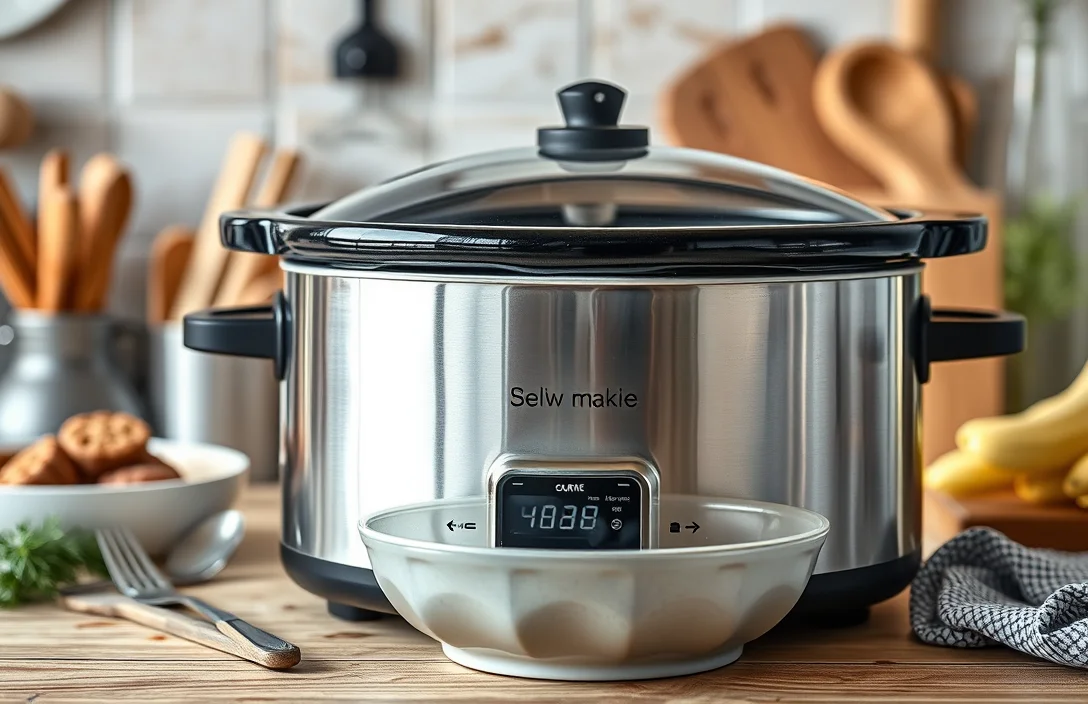
Sous Vide in a Slow Cooker: Can It Be Done?
Research indicates that sous vide cooking can increase your food’s moisture retention by up to 30%. Many home cooks wonder if they can replicate this method using a slow cooker, which offers convenience and versatility in the kitchen.
Yes, you can sous vide in a slow cooker, but results may vary. Temperature control is crucial for sous vide. Insulation can be improved with water or thermal wraps. Cooking times may differ, so monitor accordingly.
Can Slow Cooker Mimic Sous Vide?
Slow cookers cannot accurately replicate sous vide cooking. Precision temperature control is essential for sous vide, maintaining a consistent temperature for long periods. Slow cookers operate at higher temperatures, leading to unwanted cooking results. While both methods utilize moisture and heat, the temperature range in slow cookers typically exceeds the ideal sous vide range.
Thermal circulation in slow cookers isn’t as effective. Sous vide relies on water being heated uniformly, ensuring even cooking throughout. Slow cookers may create hot and cold spots, affecting the consistency of the final dish. The lack of precise temperature regulation means that proteins may overcook, resulting in textures that deviate from sous vide standards.
Using sous vide bags in a slow cooker doesn’t guarantee proper cooking either. The bags may not allow for optimal heat transfer, leading to uneven results. Even if the water in the slow cooker reaches high temperatures, the method lacks the finesse of controlled sous vide cooking. Ultimately, while both appliances serve different purposes, relying on a slow cooker to mimic sous vide isn’t advisable.
Temperature Control Challenges
Maintaining precise temperatures presents significant challenges. Slow cookers typically operate at higher temperatures than the ideal sous vide range, which is between 130°F and 190°F. This discrepancy can lead to uneven cooking and potential food safety issues. Without accurate temperature regulation, achieving the desired doneness becomes difficult.
Precision matters greatly for sous vide results. Most slow cookers lack the ability to sustain a consistent temperature over long periods. Fluctuations may occur due to the appliance’s cycling on and off, which is a common feature intended for traditional cooking methods. This variability can compromise the sous vide process, which relies on stable temperatures to cook food evenly.
Inaccuracy can also lead to overcooked or undercooked meals. When using a slow cooker, the chances of food not reaching the appropriate internal temperature increase, especially if the device is set too low. This risk is particularly concerning for proteins that require specific temperatures to ensure tenderness and safety.
Monitoring temperature closely is essential. If you decide to attempt sous vide in a slow cooker, consider using an external thermometer to track water temperature accurately. This approach can help mitigate some of the challenges associated with temperature control, allowing for better results.
Water Bath Techniques
Creating a water bath in a slow cooker requires specific steps to ensure effective sous vide cooking. This technique allows for precise temperature control, mimicking the sous vide method within a slow cooker’s environment. Follow these steps to set up your water bath properly.
- Fill the slow cooker with water. Use enough water to cover the food bags completely while ensuring it does not overflow when food is added.
- Set the slow cooker to the desired temperature. Digital models can be programmed, while manual ones require careful monitoring to maintain the correct heat.
- Place food in vacuum-sealed bags. Make sure bags are airtight to prevent water from entering, which can dilute flavors and affect cooking.
- Submerge the bags in the water bath. Ensure they are fully submerged for even cooking and to prevent floating, which can cause inconsistent results.
- Monitor temperature consistently. Use a thermometer to check the water temperature periodically, adjusting as needed to maintain the desired level.
Implementing these steps correctly will enable effective sous vide cooking in your slow cooker. Enjoy the precise control and flavorful results that come with this method.
Ideal Foods for Slow Cooking
Meats benefit significantly from slow cooking. Cuts like chuck roast, brisket, and pork shoulder become tender and flavorful over time. Their higher fat content ensures that they remain juicy, while the slow cooking process breaks down tough fibers, creating a melt-in-your-mouth experience. These qualities make them perfect candidates for sous vide techniques in a slow cooker.
Vegetables also thrive in this method. Root vegetables such as potatoes, carrots, and sweet potatoes soften beautifully and absorb flavors. Cooking them low and slow allows their natural sweetness to emerge, enhancing the dish’s overall taste. Pairing these vegetables with seasoned broth or herbs elevates the final product.
Fish can be tricky but works well with precise temperature control. Delicate types like salmon or trout benefit from sous vide in a slow cooker, ensuring they remain moist and flaky. Maintaining a consistent temperature is crucial to avoid overcooking, which can ruin the texture.
Eggs represent another versatile ingredient. Cooking them gently in a slow cooker allows for perfect soft-boiled or poached eggs. The precise temperature management inherent in sous vide techniques ensures they achieve the desired doneness without the risk of overcooking.
Cooking Times Comparison
Cooking times differ significantly between sous vide and slow cooking methods. Sous vide typically requires longer periods, often ranging from 1 to 48 hours, depending on the food type and desired doneness. In contrast, slow cookers generally operate between 4 to 10 hours, making them more suitable for quick meal preparation.
Temperature consistency plays a crucial role in these cooking methods. Sous vide maintains precise temperatures, usually between 130°F to 190°F, for the duration of the cooking time. Slow cookers, however, often fluctuate, which can lead to uneven cooking. This discrepancy affects not only the texture but also the flavor profile of the final dish.
| Method | Cooking Time | Temperature Range |
|---|---|---|
| Sous Vide | 1 to 48 hours | 130°F to 190°F |
| Slow Cooker | 4 to 10 hours | Low (190°F) to High (300°F) |
Textures achieved through sous vide are often superior due to the precise temperature control. For example, meats cooked sous vide can achieve a perfect medium-rare with a tender, juicy texture. Slow cookers can produce well-cooked meals, but they often lack the same level of doneness precision.
Ultimately, deciding between these methods depends on the dish and desired outcome. For detailed preparations where texture and flavor are paramount, sous vide is the ideal choice. In contrast, for convenience and simplicity, a slow cooker suffices.
Safety Considerations
Maintaining safe temperatures is crucial. Sous vide requires precise temperature control to eliminate harmful bacteria. Slow cookers are not designed for such low and steady heat, making food safety a concern. Always monitor the temperature to ensure it remains within the safe range, typically between 130°F to 160°F, depending on the type of food.
Cooking times play a critical role. If using a slow cooker, ensure that food stays in the water bath long enough to reach the desired internal temperature. Insufficient cooking time can allow pathogens to survive, leading to foodborne illness. Always refer to food safety guidelines for specific cooking times.
Using a food thermometer is essential. Regularly check the temperature of your food during the cooking process. This tool can help confirm that your food has reached a safe temperature for consumption, especially when utilizing a slow cooker for sous vide cooking.
Storage practices influence safety as well. After cooking, promptly refrigerate or freeze food if not consuming immediately. Allowing food to sit at room temperature can promote bacterial growth, negating the benefits of sous vide cooking. Always store leftovers safely to prevent contamination.
Alternatives to Slow Cookers
Exploring other methods for sous vide cooking can enhance your culinary experiences. Immersion circulators offer precise temperature control and are designed specifically for sous vide tasks. Using this device allows you to achieve similar results without the limitations of a slow cooker.
Precision cookers are another excellent option. These devices heat water to a specific temperature and maintain that temperature consistently. They often come with digital displays and can be programmed for various cooking times, offering versatility in meal preparation.
Stovetop methods can also be effective. By using a large pot filled with water and a thermometer, you can monitor and adjust the heat as needed. This approach requires more attention but can yield great results if executed correctly.
Oven sous vide is a creative alternative. By using a water bath in your oven, you can achieve sous vide-like temperatures. Enclose vacuum-sealed bags in a baking dish filled with water, ensuring consistent thermal circulation for even cooking.
Consider utilizing a countertop water bath. Devices designed for sous vide cooking are compact and user-friendly, making them suitable for small kitchens. These appliances generally come with features tailored for sous vide enthusiasts, simplifying the cooking process.
Quick Summary
- Sous vide cooking can be adapted using a slow cooker with some modifications.
- Temperature control is crucial; slow cookers may not reach precise sous vide temperatures.
- Using a water bath with a thermometer can help maintain the desired cooking temperature.
- Vacuum-sealed bags are recommended to prevent water from entering the food.
- Cooking times may vary; longer times are often necessary for effective sous vide results.
- Slow cookers can provide a convenient option for sous vide-style cooking without expensive equipment.
- Experimentation and monitoring are key to achieving successful sous vide results with a slow cooker.
Frequently Asked Questions
Can you use a slow cooker for sous vide cooking?
While a slow cooker can be used for sous vide-style cooking, it may not provide the precise temperature control needed for true sous vide results. The ideal sous vide method involves using a water bath with a temperature-controlled immersion circulator.
What equipment do I need to sous vide in a slow cooker?
To simulate sous vide cooking in a slow cooker, you will need a digital thermometer to monitor the water temperature and resealable bags for sealing your food. Additionally, a slow cooker with a tight-fitting lid will help maintain temperature consistency.
What are the temperature limitations of a slow cooker for sous vide?
Most slow cookers operate at temperatures between 170°F and 200°F, which is higher than typical sous vide temperatures. This can result in overcooking food if you’re aiming for the lower, precise temperatures that sous vide is known for.
What types of food can I cook using this method?
You can cook various types of food in a slow cooker using a sous vide approach, such as vegetables, meats, and eggs, as long as you control the temperature properly. However, for best results, consider using a traditional sous vide setup for meats that require precise cooking times.
Are there any drawbacks to sous vide in a slow cooker?
One drawback is the potential for uneven cooking and difficulty in maintaining the desired water temperature. Additionally, slow cookers lack the precision of immersion circulators, which may affect texture and doneness in your dishes.
- 8 Easy Slow Cooker Beef and Rice Recipes for Delicious Meals - March 29, 2026
- Slow Cooker Beef and Sausage Chili: 7 Steps to Flavorful Success - March 29, 2026
- Savory Beef Back Ribs in a Pressure Cooker: 7 Steps to Perfection - March 29, 2026