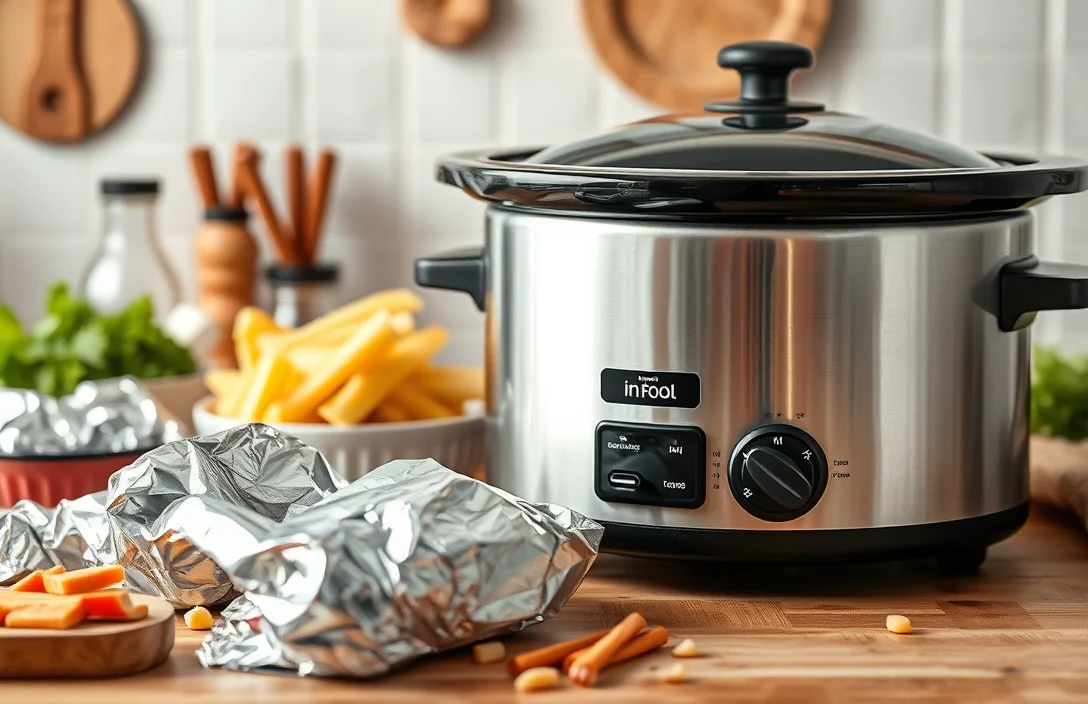
Is It Safe to Use Tin Foil in a Slow Cooker? What to Know
Surprisingly, many home cooks use tin foil in slow cookers to enhance their cooking experience. Research shows that foil can help retain moisture and create a barrier for certain dishes, but its use requires caution to prevent potential hazards.
Can you put tin foil in a slow cooker? Yes, but ensure that it does not touch the heating element. Foil can be used to cover food or line the slow cooker, but avoid crumpling it, as this can lead to uneven cooking.
Safety of Tin Foil in Slow Cookers
Using tin foil in slow cookers is generally safe when done correctly. Ensure that the foil does not touch the sides or lid of the cooker, as this can cause overheating. Proper placement of the foil helps avoid potential hazards, such as melting or sparking.
Always check the manufacturer’s guidelines for your specific slow cooker model before using aluminum foil. Many brands allow its use, but some may have restrictions due to construction materials or design. Following these guidelines ensures safe cooking practices.
Wrapping food in foil can also prevent messes and promote even cooking. Make sure to create a secure, sealed package that allows steam to escape, which will help maintain moisture without compromising safety. A loose wrap can lead to leaks or spills.
Monitoring cooking times is crucial when using foil. Cooking times may vary slightly compared to cooking food directly in the slow cooker. Adjustments may be necessary to achieve desired results and ensure food is thoroughly cooked.
Discard any foil that shows signs of wear or tear before cooking. Damaged foil can lead to food contamination or uneven cooking. Always prioritize safety by using fresh, intact sheets of aluminum foil for the best results.
Effects on Cooking Results
Using tin foil in a slow cooker can significantly influence cooking results. Wrapping food in foil may help retain moisture, ensuring that dishes remain tender and flavorful. This method can also reflect heat, promoting even cooking throughout the meal. However, excessive use of foil can create barriers that limit airflow, potentially affecting the overall cooking time and texture.
- Moisture retention improves flavor and texture. Foil acts as a barrier, preventing evaporation and keeping ingredients juicy.
- Heat reflection can create even cooking. Wrapping food allows for better heat distribution, reducing the risk of unevenly cooked meals.
- Limited airflow can slow cooking times. Overuse of foil may disrupt the steam circulation necessary for optimal cooking in a slow cooker.
- Placement matters for best results. Ensuring that foil does not touch the sides of the slow cooker helps maintain proper heat flow.
- Experimentation may yield better outcomes. Testing different wrapping techniques can help determine the best method for specific recipes.
Best Uses for Tin Foil
Covering food with tin foil can enhance moisture retention in a slow cooker. This technique helps prevent dishes from drying out, especially during long cooking times. By sealing in steam, you ensure that meats remain tender and vegetables retain their nutrients. Use this method for soups, stews, or any dish that benefits from a moist cooking environment.
Creating dividers or separators within your slow cooker allows for cooking multiple items at once. Use folded tin foil to form sections, enabling you to prepare a variety of dishes without mixing flavors. This technique is particularly useful for family meals or gatherings where different preferences exist.
Wrapping food items in tin foil can also serve as a protective barrier. For instance, delicate ingredients like fish or vegetables can be shielded from direct heat. This method ensures even cooking while avoiding burning or overcooking, preserving the intended flavor and texture of the dish.
Using tin foil to line the slow cooker can simplify cleanup significantly. By creating a barrier between the food and the pot, you reduce the likelihood of sticking and burning. After cooking, simply lift out the foil with the remnants, making post-meal cleanup quick and easy.
Employing tin foil to cover the slow cooker lid can help maintain heat and moisture when cooking at lower temperatures. This added layer traps steam effectively, ensuring your culinary creations cook evenly. It’s particularly beneficial for recipes that require long, slow cooking times for optimal flavor development.
Alternatives to Tin Foil
Parchment paper serves as an excellent substitute for tin foil in slow cookers. It can withstand high temperatures and is non-stick, making it ideal for lining the slow cooker. Cut it to size, and place it in the bottom of the pot to create a barrier between the food and the sides, ensuring easy cleanup.
Ceramic liners provide a durable option for slow cooking. Many slow cookers come with removable ceramic inserts, which are easy to clean and can improve heat distribution. Using ceramic liners ensures food cooks evenly without the need for additional coverings.
Silicone baking mats are another practical alternative. These mats are flexible, reusable, and can withstand high temperatures. Place them inside the slow cooker to prevent sticking and simplify cleanup. They’re particularly useful for recipes that may create a messy residue.
Glass lids are beneficial for observing the cooking process without losing moisture. They allow you to monitor your dish without lifting a cover, reducing the risk of temperature fluctuations. Ensure your slow cooker is compatible with glass lids for safe cooking.
Beeswax wraps can also be considered for covering food in a slow cooker. They are eco-friendly and can withstand moderate heat, making them suitable for short cooking durations. Just ensure they do not come into direct contact with high heat surfaces.
Cleaning Considerations
Using tin foil in your slow cooker can simplify cleanup significantly. Wrapping food in foil helps contain messes, preventing spills and sticking to the inner surface. This minimizes the need for scrubbing, making post-cooking maintenance easier and faster.
- Cover the slow cooker liner with foil before adding ingredients. This acts as a protective barrier.
- Ensure that the foil is tightly sealed around the food. Proper sealing helps contain any juices or drippings.
- Remove the foil after cooking to reveal mostly clean cookware. Most residue will be trapped inside the foil.
- Dispose of the used foil appropriately. This step is crucial for maintaining a clean kitchen environment.
- Wipe down the slow cooker pot lightly if needed. A quick clean will keep it ready for future use.
Minimizing contact between food and the slow cooker reduces the need for harsh cleaning products. Using tin foil effectively can lead to a more pleasant cooking experience, allowing you to spend more time enjoying your meal rather than cleaning up afterward.
Potential Risks of Tin Foil
Using tin foil in a slow cooker can lead to potential risks that may affect your cooking experience or food safety. Foil can interfere with the heat distribution, possibly resulting in unevenly cooked meals. If the foil is crumpled or not securely placed, it may also detach and mix with food, leading to ingestion of small metal pieces.
Exposure to moisture can cause issues as well. Tin foil can trap steam, which may lead to soggy food or unintended changes in texture. Furthermore, acidic foods can react with the aluminum, resulting in a metallic taste and potentially harmful compounds. Always consider the type of food being cooked before using this material.
Electrical hazards may arise if foil comes into contact with slow cooker components. This situation can lead to short circuits or damage to the appliance. To mitigate risks, ensure that foil does not touch the electrical parts or heating element within the cooker.
Monitoring the cooking process is crucial. If using foil, check regularly to ensure it remains intact and does not affect the cooking environment. Consider alternative methods for covering foods, such as using a lid designed for slow cookers, which can provide better heat retention and safety.
Expert Recommendations on Foil Use
Culinary experts advise caution with foil in slow cookers. Ensure that any foil used is safe for cooking. Avoid using heavy-duty foil, as it may not conform well to the shape of the slow cooker, leading to uneven cooking. Instead, opt for regular aluminum foil for wrapping foods or covering dishes.
Experts recommend checking for any signs of wear or damage on the foil before use. Torn or crumpled foil can lead to leaking or exposure of food to the cooker’s interior. Always ensure that the foil is tightly sealed around the food to prevent moisture loss and maintain flavor.
Cooking professionals suggest using foil only when necessary. If your recipe doesn’t explicitly require it, consider alternatives like parchment paper or silicone lids. These options can provide similar benefits without the potential risks associated with foil.
Lastly, remember to monitor your dish closely. Slow cooking times can vary, and the use of foil may alter the cooking dynamics. Adjust cooking times as needed to ensure your meal is cooked thoroughly and safely.
Quick Summary
- Using tin foil in a slow cooker can be safe if done correctly.
- Foil can be used to cover food or line the cooker for easier cleanup.
- Avoid direct contact with the heating elements to prevent fire hazards.
- Ensure that the foil does not block steam vents, which can affect cooking.
- Always check the manufacturer’s guidelines for specific slow cooker recommendations.
- Using foil can help retain moisture and enhance flavors in certain dishes.
- Monitor cooking times closely when using foil, as it can alter cooking efficiency.
Frequently Asked Questions
Can you put tin foil in a slow cooker?
Yes, you can use tin foil in a slow cooker. It can be helpful for lining the cooker or wrapping food to retain moisture and prevent sticking.
What are the benefits of using tin foil in a slow cooker?
Using tin foil can help with easy cleanup, as it prevents food from sticking to the sides of the cooker. It can also help to keep food moist and create a steaming effect.
Are there any safety concerns with using tin foil in a slow cooker?
While tin foil is generally safe, avoid using it to cover the entire top of the slow cooker, as this can restrict airflow and affect cooking. Additionally, ensure that the foil does not touch the heating elements.
Can you use tin foil to wrap food in the slow cooker?
Yes, wrapping food in tin foil before placing it in the slow cooker can help lock in flavors and moisture. Just make sure the foil is securely wrapped to prevent leaks.
Is there an alternative to tin foil for slow cooking?
Yes, parchment paper is a good alternative to tin foil in a slow cooker. It can also be used to line the cooker or wrap food, providing a non-stick surface without the risk of aluminum leaching into food.

- 8 Easy Slow Cooker Beef and Rice Recipes for Delicious Meals - March 29, 2026
- Slow Cooker Beef and Sausage Chili: 7 Steps to Flavorful Success - March 29, 2026
- Savory Beef Back Ribs in a Pressure Cooker: 7 Steps to Perfection - March 29, 2026