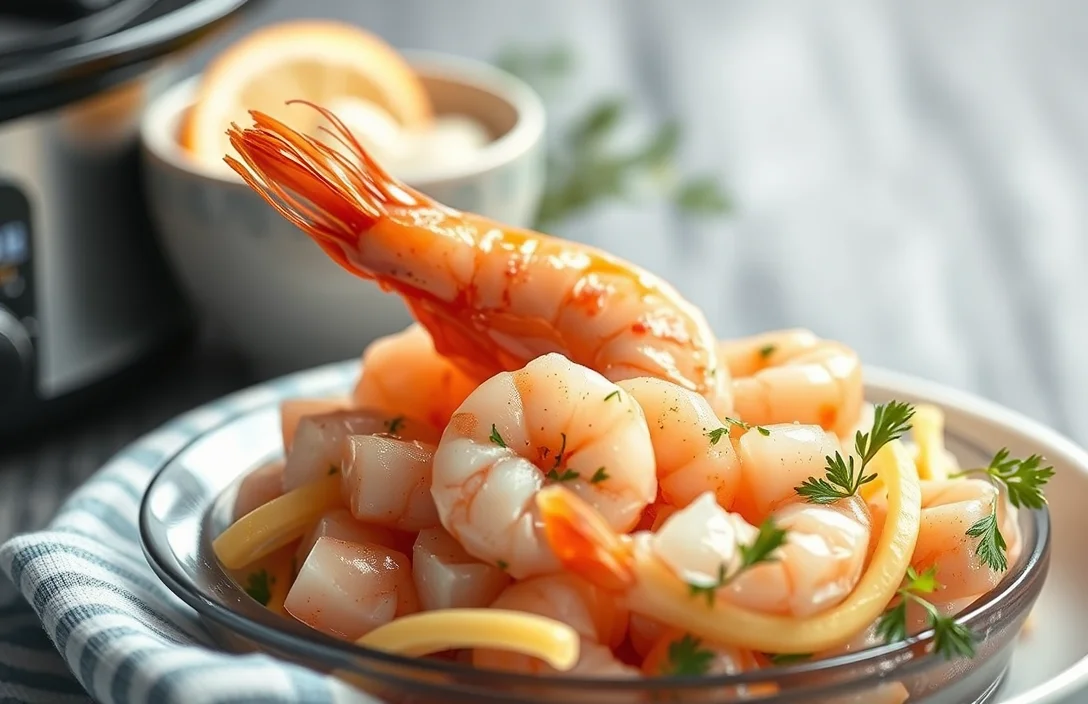
Is It Safe to Cook Frozen Shrimp in a Slow Cooker?
Studies show that cooking frozen shrimp in a slow cooker can lead to less than ideal results, with texture and flavor often compromised. Understanding how to properly handle shrimp ensures a delicious meal, even when starting with frozen ingredients.
Yes, you can put frozen shrimp in a slow cooker, but for best results, it’s recommended to thaw them first. Cooking time may need to be adjusted to avoid rubbery texture, and adding them at the end of cooking can enhance flavor.
Safety of Cooking Frozen Shrimp
Cooking frozen shrimp in a slow cooker raises safety concerns primarily due to temperature control. Shrimp must be cooked to an internal temperature of 145°F to eliminate harmful bacteria. Slow cookers generally operate at lower temperatures, which can allow seafood to remain in the danger zone (between 40°F and 140°F) for too long, risking foodborne illnesses.
Monitoring cooking time is crucial. Frozen shrimp should ideally be thawed before being placed in a slow cooker. If cooking directly from frozen, ensure you use sufficient liquid and check doneness frequently. A food thermometer can help confirm that shrimp reach the safe cooking temperature throughout.
Considering the cooking duration, frozen shrimp may require extra time to cook fully. Recipes typically recommend cooking for 4 to 6 hours on low or 2 to 3 hours on high. Adjusting these times can help ensure safety and proper texture, preventing overcooked, rubbery shrimp.
Incorporating other ingredients can complicate safety as well. Vegetables and starches may require different cooking times. Layering shrimp on top of vegetables may hinder even cooking, leading to uneven temperatures. Always ensure that shrimp sits in the hot liquid for thorough cooking.
Slow Cooker Temperature Settings
Temperature settings play a crucial role when cooking shrimp. Most slow cookers have three primary settings: low, high, and keep warm. Each setting affects cooking time and temperature, which is vital to ensure that frozen shrimp are cooked through safely and effectively. Understanding these settings helps avoid undercooking or overcooking seafood.
- Low setting cooks at approximately 190°F. This temperature is ideal for longer cooking times, typically requiring 6 to 8 hours. Using this setting can result in tender shrimp, but ensure to monitor the cooking time closely.
- High setting operates around 300°F. This option cooks food faster, usually within 3 to 4 hours. While this method can work for shrimp, it risks overcooking if not watched carefully.
- Keep warm setting maintains food at around 165°F. This setting is not suitable for cooking shrimp but can be used to hold cooked shrimp until ready to serve. Always check that shrimp reach a safe internal temperature before consuming.
Monitoring the cooking process is essential. Frozen shrimp can release water, which may affect the cooking temperature and time. Adjust cooking times based on how the shrimp appear and ensure they are opaque and firm before serving.
Flavor and Texture Considerations
Cooking frozen shrimp in a slow cooker can significantly affect their flavor and texture. Direct exposure to heat while still frozen may lead to uneven cooking, resulting in rubbery shrimp. To ensure optimal results, follow these guidelines.
- Thaw shrimp before cooking. Thawing allows for even cooking, enhancing both flavor and texture.
- Season adequately before cooking. Proper seasoning boosts the shrimp’s natural flavor, which can be muted when cooked from frozen.
- Monitor cooking time carefully. Overcooking can lead to toughness and loss of moisture, impacting the overall taste.
- Combine with flavorful liquids. Using broth, wine, or sauces can infuse the shrimp with additional flavor, making them more palatable.
- Consider using a quick sauté. Briefly sautéing shrimp before adding them to the slow cooker can help develop a better texture and flavor.
Following these steps will yield better results when using frozen shrimp in your slow cooker, ensuring a delicious meal.
Recommended Slow Cooker Recipes
Frozen shrimp can be incorporated into various delicious meals. Try making a shrimp and vegetable stir-fry. Start by adding your frozen shrimp, alongside bell peppers, broccoli, and snap peas. Pour in soy sauce, garlic, and ginger for a flavorful kick. Set the slow cooker on low for about 4-5 hours, allowing the shrimp to cook thoroughly while the vegetables stay crisp.
Another excellent option is shrimp gumbo. Combine frozen shrimp with diced tomatoes, okra, celery, and onion. Season with Cajun spices and chicken stock. This dish requires about 6 hours on low for the flavors to meld and the shrimp to cook properly, resulting in a hearty meal.
Seafood chowder also works well in slow cookers. Mix frozen shrimp with diced potatoes, corn, cream, and seasonings. Let it cook for 5-6 hours on low. The result is a rich and creamy chowder that retains the shrimp’s flavor without compromising texture.
Lastly, consider a shrimp taco filling. Combine frozen shrimp with taco seasoning, black beans, and corn. Cook on low for approximately 4 hours. Serve in corn tortillas, topped with avocado and cilantro for a fresh and tasty meal.
Food Safety Guidelines
Ensure proper thawing before cooking. Cooking frozen shrimp directly in a slow cooker can lead to uneven cooking, which might not reach safe temperatures quickly enough. Always thaw shrimp in the refrigerator or cold water before adding to the cooker.
- Monitor cooking time carefully. Frozen shrimp typically require 4 to 6 hours on low heat to cook thoroughly. Use a food thermometer to check internal temperatures for safety.
- Stir ingredients occasionally. Stirring helps distribute heat evenly, ensuring that all shrimp cook uniformly. This practice minimizes the risk of any shrimp remaining undercooked.
- Use safe cooking liquids. Adding broth or sauces can enhance flavor, but ensure they are safe and appropriate for slow cooking. Avoid using too much liquid, as it can dilute flavors.
- Store leftovers promptly. Refrigerate any leftover shrimp within two hours of cooking. Ensure they cool down quickly to prevent bacterial growth.
Quick Summary
- Frozen shrimp can be safely cooked in a slow cooker.
- Cooking from frozen may take longer than using thawed shrimp.
- Ensure the shrimp reaches an internal temperature of 145°F for safe consumption.
- Add shrimp towards the end of the cooking time to prevent overcooking.
- Pair shrimp with complementary ingredients like vegetables and spices for enhanced flavor.
- Consider using a slow cooker recipe that specifically calls for shrimp for best results.
- Monitor the cooking process to avoid mushy texture due to prolonged cooking.
Frequently Asked Questions
Can you put frozen shrimp in a slow cooker?
Yes, you can put frozen shrimp in a slow cooker. However, it’s recommended to thaw them first for even cooking and to ensure they reach a safe temperature promptly.
How long should I cook frozen shrimp in a slow cooker?
Frozen shrimp typically take about 2 to 3 hours on low heat or 1 to 2 hours on high heat in a slow cooker. Cooking times may vary depending on the size of the shrimp and the specific slow cooker model.
Will frozen shrimp become mushy in a slow cooker?
If cooked for too long, frozen shrimp can become mushy due to the slow cooking process. It’s best to monitor the cooking time closely and avoid overcooking.
Should I add extra liquid when cooking frozen shrimp?
It’s advisable to add some liquid, such as broth or sauce, when cooking frozen shrimp in a slow cooker. This helps in cooking the shrimp evenly and prevents them from drying out.
Can I cook frozen shrimp with other ingredients in the slow cooker?
Yes, you can cook frozen shrimp with other ingredients in the slow cooker. Just ensure that the cooking time is appropriate for all ingredients to ensure everything is cooked properly and safely.

- 8 Easy Slow Cooker Beef and Rice Recipes for Delicious Meals - March 29, 2026
- Slow Cooker Beef and Sausage Chili: 7 Steps to Flavorful Success - March 29, 2026
- Savory Beef Back Ribs in a Pressure Cooker: 7 Steps to Perfection - March 29, 2026