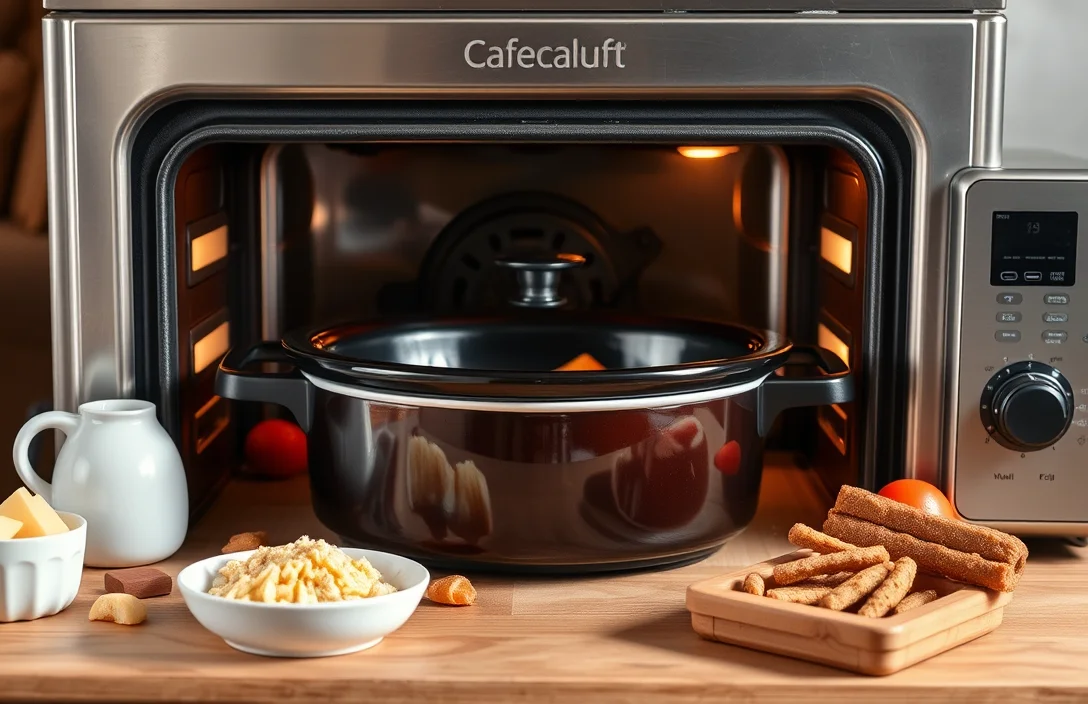
Can You Safely Use a Slow Cooker Pot in the Oven?
Studies reveal that many slow cooker pots are not designed for oven use, leading to potential damage or safety issues. Knowing the limitations of your slow cooker pot is crucial for effective cooking. Misuse can result in broken cookware or unevenly cooked meals.
Confirm oven safety of your slow cooker pot by checking the manufacturer’s guidelines. Material matters; ceramic and stoneware can often go in the oven, while plastic cannot. Always ensure temperature limits are adhered to for successful cooking.
Slow Cooker Pot Materials
Materials directly affect whether you can put a slow cooker pot in the oven. Ceramic, glass, and metal are common components of these pots. Each material behaves differently under high heat, influencing oven safety and functionality.
Ceramic pots are often oven-safe, provided they are not under extreme temperature changes. Look for labels indicating their maximum temperature limits. Avoid sudden shifts in temperature to prevent cracking.
Glass slow cooker pots generally withstand oven temperatures but can shatter if subjected to direct heat or thermal shock. Always check if your glass is labeled as oven-safe before use.
Metal pots, such as those made from stainless steel, typically perform well in the oven. Ensure the handles are also oven-safe, as some may be made from heat-sensitive materials. Always verify compatibility before usage.
In summary, knowing your slow cooker pot’s material is essential for safe oven use. Each type has its own set of guidelines, so always check for manufacturer recommendations to ensure safety and performance.
Manufacturer Guidelines
Checking manufacturer instructions is crucial. Each slow cooker pot has specific guidelines regarding oven use. Some materials can withstand oven temperatures, while others may warp or crack. Always refer to the user manual for precise recommendations to ensure safety and functionality.
Ignoring these guidelines can lead to damage. Using a slow cooker pot in the oven without proper verification may void warranties or result in hazardous situations, such as breakage or fire risks. Manufacturers often provide essential details about temperature limits and safe usage.
Consulting the manufacturer’s website is beneficial. Many companies post detailed specifications and FAQs regarding their products. If the manual is unavailable, online resources or customer service can clarify whether your slow cooker pot is oven-safe.
Taking these precautions protects both the pot and your cooking. Ensuring compatibility with oven use not only extends the life of your cookware but also enhances your cooking versatility. Always prioritize safety and reliability in your kitchen equipment.
Temperature Limits for Slow Cookers
Slow cooker pots typically withstand temperatures up to 400°F (204°C) when used in an oven. This limit varies by material and brand, so refer to the manufacturer’s guidelines for specific details. Most ceramic and stoneware pots are designed to manage this heat, while metal options often tolerate higher temperatures.
Glass lids generally handle up to 350°F (177°C). Exceeding these limits may cause cracking or warping, compromising the pot’s integrity. Avoid sudden temperature changes, as this can lead to thermal shock, particularly with glass components.
Commonly, slow cooker models are not intended for oven use, thus caution is essential. Always check for any visible damage before placing the pot in the oven. If there are chips or cracks, it’s best to refrain from using that pot altogether.
Testing your specific slow cooker pot’s limits can help ensure safety. Performing a gradual temperature increase might also provide insight into its durability. Ultimately, knowing these temperature limits is crucial for safely using your slow cooker pot in an oven.
Oven Compatibility Tests
Check manufacturer’s guidelines first. Most slow cooker pots come with specific instructions regarding their use in the oven. Look for symbols or notes indicating oven safety on the bottom of the pot or in the user manual. If no information exists, proceed to alternative methods to determine compatibility.
Conduct a simple heat test. Preheat your oven to a low temperature, around 200°F (93°C). Place the slow cooker pot inside for approximately 30 minutes. After this time, carefully remove it and check for any warping, cracking, or changes in texture. If none occur, it may be safe for oven use.
Observe the material type closely. Pots made of ceramic or glass are often oven-safe, while those made from plastic or certain metals may not be. Knowing your material helps assess the risk of damage when exposed to oven temperatures.
Examine the construction for durability. Look for signs of sturdiness, such as thick walls or reinforced edges. A well-constructed pot is more likely to withstand the higher temperatures typical in an oven. If it feels flimsy or cheap, consider using it solely in the slow cooker.
Seek advice from others who have tested similar pots. Online forums and cooking communities often share experiences about specific brands and models. This information can provide valuable insights into whether you can safely use your slow cooker pot in the oven.
Risks of Using in Oven
Cracking or breaking can occur with slow cooker pots in the oven. Many models are designed for slow cooking only, and exposing them to high oven temperatures can lead to thermal shock. This is particularly true for ceramic and glass materials, which may not withstand sudden temperature changes.
Heating unevenly often happens with slow cooker pots. When placed in an oven, the heat distribution may not be uniform, which can result in overcooked or undercooked food. This inconsistency can compromise the quality of your dish and lead to food safety issues.
Non-oven-safe materials present another significant risk. Some slow cooker pots contain non-stick coatings that could release harmful chemicals at high temperatures. Always check the manufacturer’s guidelines to ensure the pot is suitable for oven use before attempting to cook in this manner.
Risk of fire hazards increases when using incompatible cookware. An overheated pot can ignite or damage your oven, creating dangerous situations. Always prioritize safety by adhering to manufacturer instructions regarding temperature limits and approved cooking methods.
Lastly, food contamination can occur if the pot is not oven-safe. Using a slow cooker pot in the oven may lead to leaching of materials into food, posing health risks. Always confirm material safety before proceeding with oven use.
Alternatives to Slow Cooker Pots
Oven-safe cookware options include cast iron skillets. These versatile tools withstand high temperatures and provide excellent heat distribution. Use them for baking, roasting, or braising, ensuring your dishes cook evenly. Many models come with lids, enhancing their functionality in the oven.
Ceramic baking dishes offer another reliable choice. They are designed to handle oven heat and often feature beautiful designs for serving directly at the table. Ensure the ceramic is labeled as oven-safe to avoid any mishaps during cooking.
Stainless steel pots also function well in the oven. Look for heavy-gauge options that can endure high temperatures without warping. Their non-reactive surface makes them ideal for various recipes, from stews to casseroles.
Glass baking pans are practical for oven use. These allow you to monitor your food as it cooks and often come with lids for better moisture retention. Always check the manufacturer’s guidelines to confirm the glass can withstand the oven temperature.
Lastly, enameled cast iron combines durability and style. These colorful pots not only perform well but also look great on the table. They distribute heat evenly, making them perfect for slow-cooking ingredients in the oven.
Cleaning and Maintenance Tips
Cleaning slow cooker pots after oven use requires care. Avoid sudden temperature changes that can crack or warp the material. Instead, allow the pot to cool gradually before washing. Use warm, soapy water and a soft sponge to prevent scratches on the surface.
Inspect the pot for damage after each use. Look for any signs of chipping, cracking, or discoloration. Address any issues promptly to maintain the pot’s longevity. Regular checks will ensure it remains safe for future cooking.
- Wash with gentle dish soap.
- Avoid abrasive cleaners or scouring pads.
- Store in a cool, dry place.
- Consider using a pot liner for easier cleanup.
- Check compatibility with oven heat regularly.
Maintaining the pot’s integrity enhances its performance and safety. Regular cleaning and proper storage methods can extend its lifespan significantly. Follow these tips to ensure your cooking tool remains in top condition.
Quick Summary
- Slow cooker pots are typically made of ceramic or stoneware, which can generally withstand oven temperatures.
- Before placing a slow cooker pot in the oven, always check the manufacturer’s guidelines for heat limits.
- Ensure that any lid used is also oven-safe to avoid cracking or breaking.
- Using a slow cooker pot in the oven can help to achieve a different cooking method, such as browning or baking.
- Be mindful of temperature differences; slow cookers usually operate at lower temperatures compared to conventional ovens.
- Consider using the oven for recipes that require finishing touches, like browning or crisping the top.
- Always handle the pot with care, as it can become very hot in the oven.
Frequently Asked Questions
Can I put a slow cooker pot in the oven?
It depends on the material of the slow cooker pot. If it is made of oven-safe materials like ceramic or glass, it can generally be placed in the oven. However, always check the manufacturer’s guidelines to be sure.
What materials are safe for oven use?
Oven-safe materials typically include ceramic, glass, and certain metals. Avoid putting pots made from plastic or those with rubber components in the oven, as they can melt or release harmful chemicals.
What temperature should I set the oven to?
If your slow cooker pot is oven-safe, you can usually set the oven to a moderate temperature, around 350°F (175°C). Always refer to the slow cooker’s manual for specific temperature recommendations.
Can I use my slow cooker pot for baking?
Yes, if the pot is oven-safe, you can use it for baking. Just ensure that the recipe is suitable for the pot’s material and size, and monitor the cooking time closely as it might differ from traditional baking dishes.
Are there any risks to using a slow cooker pot in the oven?
Yes, there are risks if the pot is not designed for oven use. Using inappropriate materials can lead to breakage, smoking, or even fire hazards, so always verify that your pot is rated for oven temperatures before using it.

- 8 Easy Slow Cooker Beef and Rice Recipes for Delicious Meals - March 29, 2026
- Slow Cooker Beef and Sausage Chili: 7 Steps to Flavorful Success - March 29, 2026
- Savory Beef Back Ribs in a Pressure Cooker: 7 Steps to Perfection - March 29, 2026