How to Melt Chocolate in a Slow Cooker: Tips for Perfect Results
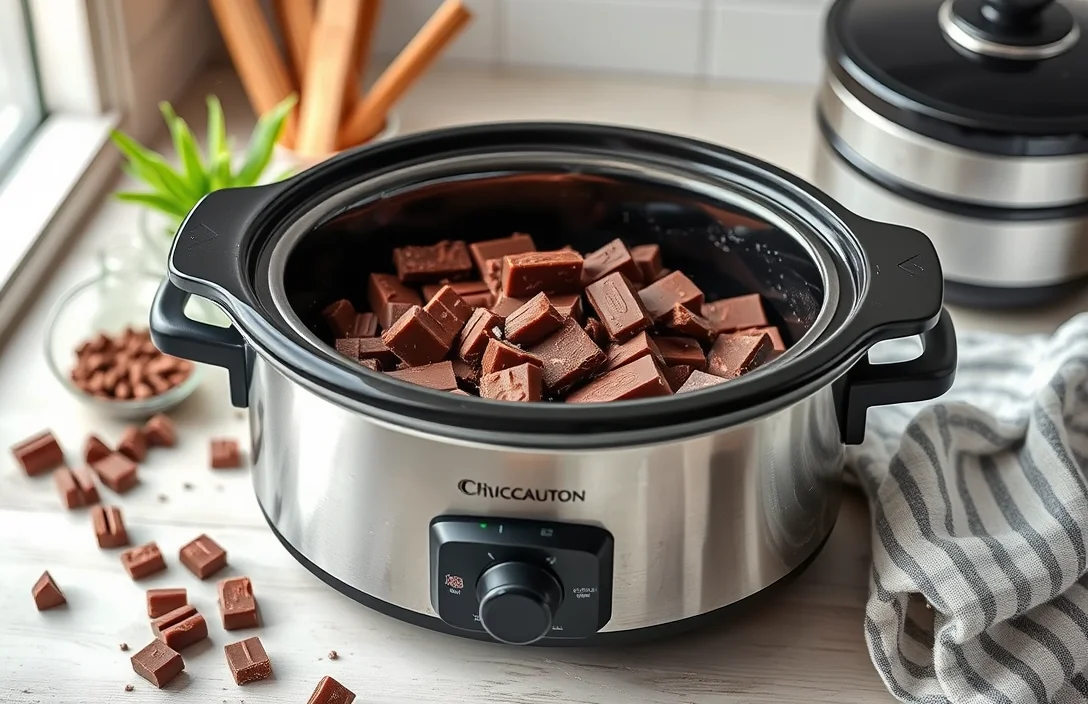
Melting chocolate in a slow cooker is surprisingly effective, with the gentle heat allowing for even melting without the risk of burning. This method is ideal for beginners who want to experiment with chocolate-based desserts without the fear of overcooking.
Utilizing a slow cooker can help you achieve smooth consistency without scorching. Monitor the temperature and stir occasionally for best results. Remember to use high-quality chocolate for optimal flavor and texture.
Choosing the Right Chocolate
Quality chocolate ensures smooth melting. Look for high-quality chocolate bars or chips specifically labeled for melting. Avoid chocolate with added ingredients like vegetable oils, which can affect consistency. Brands like Callebaut and Guittard are excellent choices for melting due to their purity and smooth texture.
Dark chocolate offers versatility. With a cocoa content ranging from 50% to 70%, it melts beautifully and provides a rich flavor. Milk chocolate, while sweeter, also melts well, creating creamy textures perfect for drizzling or dipping. White chocolate, although not technically chocolate, melts easily and adds a sweet, buttery taste.
Chopped chocolate pieces melt faster. If using bars, chop them into uniform small pieces to promote even melting. Larger chunks may melt unevenly, leading to clumps. For best results, consider using chocolate chips, as they are designed to hold their shape while melting.
Preparing the Slow Cooker
Clean your slow cooker thoroughly before using it. Residues from previous meals can affect the flavor and consistency of melted chocolate. Use warm, soapy water and a non-abrasive sponge to scrub the interior. Rinse well and dry completely to prevent any water from mixing with the chocolate, which can cause it to seize.
Set up your slow cooker properly for optimal melting. Place the chocolate in a heatproof bowl that fits snugly above the slow cooker. This creates a gentle, indirect heat that prevents burning. Avoid placing chocolate directly in the slow cooker to control the temperature more effectively.
- Ensure the bowl is dry.
- Use a bowl made of glass or metal.
- Confirm the bowl does not touch water.
Monitor the melting process closely. Stir the chocolate occasionally to promote even melting and to check its consistency. By following these steps, you will successfully prepare your slow cooker for melting chocolate without the risk of burning.
Temperature Settings to Use
Optimal melting occurs at low heat. Set your slow cooker to the low setting when melting chocolate. This allows for gentle warmth that prevents burning, ensuring a smooth consistency. Avoid the high setting, as it can cause chocolate to seize or scorch, ruining your efforts.
Maintain a temperature around 110°F to 120°F for best results. Using a food thermometer can help you achieve this range accurately. If your slow cooker doesn’t have specific temperature settings, monitor the melting process closely to prevent overheating.
Remember, patience is key. Stirring regularly will also help distribute the heat evenly, promoting an even melt. If you notice any chocolate starting to harden, gently mix it back in with the melted portions. This technique keeps the entire batch smooth and creamy.
Enjoy the process of melting chocolate in your slow cooker. With the right temperature setting and consistent monitoring, you’ll achieve perfect results every time, ready for your delicious desserts.
Stirring Techniques for Smoothness
Stirring melted chocolate properly is essential for achieving a smooth consistency. Begin by using a heatproof spatula or wooden spoon to mix the chocolate as it melts. Start stirring gently, allowing the chocolate to blend evenly without incorporating air, which can lead to a gritty texture.
Frequent stirring is crucial. Every few minutes, scrape the sides and bottom of the slow cooker to ensure even heat distribution. This technique prevents hotspots that can cause the chocolate to seize or burn. Aim for a gentle approach, as aggressive stirring may introduce air bubbles, impacting the final texture.
Consistent motion helps combine the chocolate effectively. As the chocolate begins to melt, shift from gentle stirs to more vigorous ones to blend the melting pieces. Monitor the consistency closely; you want it to be shiny and smooth without any lumps. If you notice any stubborn bits, continue stirring until they melt completely.
Timing Your Melting Process
Melting chocolate in a slow cooker requires careful timing to prevent burning. Generally, you should allocate about 30 to 45 minutes for the process. This duration allows the chocolate to melt evenly without overheating, ensuring a smooth consistency.
- Set your slow cooker to low. Low heat allows for gradual melting, significantly reducing the risk of scorching.
- Check the chocolate every 10 minutes. Use a spatula to stir, ensuring the chocolate melts uniformly and doesn’t stick to the sides.
- Observe the texture closely. Once the chocolate is about 75% melted, remove it from the heat. Residual heat will finish the melting process.
- Stir thoroughly after removing. Mixing helps distribute the heat and smooths out any remaining lumps.
- Test the consistency. If the chocolate isn’t fully melted, return it to the slow cooker for a few more minutes, checking frequently.
Following these steps will help you achieve perfectly melted chocolate without the fear of burning. Enjoy your melting experience!
Avoiding Common Melting Mistakes
Melting chocolate in a slow cooker requires careful attention to avoid common pitfalls. Maintaining the right temperature is crucial to prevent seizing or burning. Here are steps to ensure a smooth melting process:
- Monitor the temperature closely. Keep your slow cooker on the low setting, as high heat can scorch the chocolate.
- Stir frequently to promote even melting. This helps distribute the heat and prevents hot spots that can cause burning.
- Use a heat-safe bowl when melting directly in the cooker. Placing a bowl inside the slow cooker allows for gentle, indirect heat.
- Be cautious with moisture. Ensure your utensils and bowls are completely dry, as any water can cause the chocolate to seize.
- Remove from heat when partially melted. Stirring can help finish the melting process without additional heat, preserving texture.
Following these tips will help you achieve perfectly melted chocolate, enhancing your culinary creations. Enjoy the process and don’t hesitate to experiment!
Using Melted Chocolate in Recipes
Incorporate melted chocolate into desserts easily. Drizzle it over cakes, cookies, or ice cream for an elegant touch. The chocolate adds richness and visual appeal, enhancing the overall presentation. Ensure even consistency by pouring it from a squeeze bottle or a piping bag for precision.
Use melted chocolate as a binding agent in no-bake desserts. Combine it with crushed graham crackers, oats, or nuts to create delicious bars. This method allows for creativity, as you can customize flavors and textures according to your preferences.
Dip fruits, pretzels, or marshmallows in melted chocolate for a delightful snack. Allow the chocolate to set on parchment paper for easy clean-up. This simple technique transforms everyday items into decadent treats perfect for parties or gatherings.
Coat your favorite cookies in melted chocolate for an indulgent twist. After baking, dip half of each cookie in chocolate and let them cool on a wire rack. This step not only enhances flavor but also adds a beautiful finish to your baked goods.
Prepare chocolate bark by spreading melted chocolate onto a parchment-lined baking sheet. Top it with nuts, dried fruits, or candies for added texture. Once cooled, break it into pieces for a quick and satisfying treat.
Quick Summary
- Melt chocolate in a slow cooker for a hands-off approach to chocolate melting.
- Use a double boiler method by placing a heat-safe bowl inside the slow cooker for even melting.
- Set the slow cooker to low heat to prevent burning or seizing the chocolate.
- Stir the chocolate occasionally to ensure smoothness and prevent clumping.
- Use high-quality chocolate for better flavor and melting consistency.
- Be mindful of water exposure; keep the bowl dry to avoid seizing.
- Perfect for making chocolate dips, fondues, or coatings for desserts.
Frequently Asked Questions
Can I melt chocolate in a slow cooker?
Yes, you can melt chocolate in a slow cooker! It’s a gentle way to heat chocolate evenly without the risk of burning it, making it perfect for beginners. Just set your slow cooker on low and monitor the chocolate closely, stirring occasionally until it reaches your desired consistency.
What type of chocolate is best for melting in a slow cooker?
Any type of chocolate, including dark, milk, and white chocolate, can be melted in a slow cooker. However, keep in mind that different chocolates have varying melting points, so adjust your cooking time accordingly. Chocolate chips are a popular choice because they are formulated to hold their shape, making them easy to work with.
How do I prevent chocolate from burning in the slow cooker?
To prevent burning, always use the low setting and stir the chocolate every 10-15 minutes. You can also place a heat-safe bowl inside the slow cooker, creating a double boiler effect which helps to distribute the heat evenly. Keeping an eye on your chocolate is key!
What should I do if my melted chocolate is too thick?
If your melted chocolate is too thick, you can add a small amount of vegetable oil, cocoa butter, or milk to achieve a smoother consistency. Start with just a teaspoon at a time, stirring until fully incorporated, to avoid making it too runny. This will help maintain the chocolate’s flavor and texture.
Can I add other ingredients while melting chocolate in a slow cooker?
Yes, you can add ingredients like nuts, dried fruits, or flavorings such as vanilla extract while melting chocolate. However, it’s best to add these ingredients towards the end of the melting process to ensure they don’t interfere with the chocolate’s melting. Just be sure to stir well to distribute everything evenly!

- 8 Easy Slow Cooker Beef and Rice Recipes for Delicious Meals - March 29, 2026
- Slow Cooker Beef and Sausage Chili: 7 Steps to Flavorful Success - March 29, 2026
- Savory Beef Back Ribs in a Pressure Cooker: 7 Steps to Perfection - March 29, 2026