How to Make Soup in a Rice Cooker: Simple Steps to Cozy Comfort
Over 70% of rice cookers sold today can make soup, offering a convenient alternative to traditional cooking methods. This versatile kitchen appliance not only cooks rice but can also simmer ingredients to create delicious soups with minimal effort and cleanup.
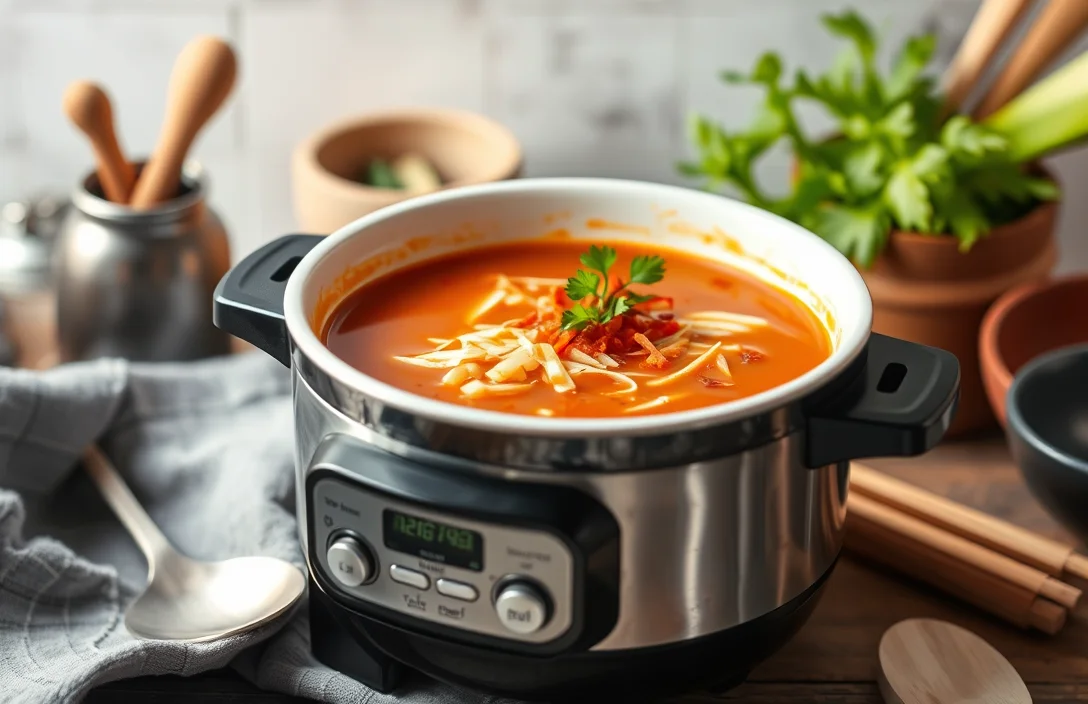
Yes, you can make soup in a rice cooker. Key points include easy preparation, minimal supervision, and quick cooking times. Simply add your ingredients, choose the appropriate setting, and let the rice cooker do the work for you.
Choosing the Right Rice Cooker
Quality matters significantly for soup preparation. Look for rice cookers specifically designed with features that accommodate liquids, such as a larger capacity and a sturdy lid to prevent spills. Models with a steaming tray can also enhance flavor by allowing ingredients to cook evenly while retaining moisture.
- Capacity should align with needs. Select a rice cooker that holds at least 6 cups of uncooked rice, equivalent to around 12 cups of cooked rice. This size ensures sufficient space for soup ingredients and broth.
- Non-stick pots are ideal. Opt for rice cookers that include a non-stick inner pot. This feature simplifies cleanup and prevents soup from sticking to the bottom, ensuring smooth cooking.
- Multiple settings enhance versatility. Choose a model with various cooking functions, such as soup, porridge, or slow cook. These options allow for precise control over cooking times and temperatures.
- Durable materials ensure longevity. Inspect the construction of the rice cooker. Stainless steel and high-quality plastic components withstand heat and frequent use, making them reliable for regular soup making.
- Consider a programmable timer. A built-in timer feature allows you to set cooking times in advance, enabling you to have soup ready when desired without constant monitoring.
Essential Ingredients for Soup
Fresh vegetables provide essential flavors. Common choices include carrots, celery, onions, and garlic. These ingredients not only enhance taste but also add nutritional value. Chopping them into small pieces helps release their flavors during cooking. Opt for seasonal vegetables for the best taste and freshness.
Protein sources enrich the soup’s heartiness. Options such as chicken, beef, or tofu can be added. Cut them into bite-sized pieces for even cooking. Including legumes like lentils or beans is also beneficial, as they cook well and add fiber.
Broth serves as the soup’s foundation. Chicken, beef, or vegetable broth creates a flavorful base. Store-bought versions work, but homemade broth enhances taste significantly. Consider simmering bones and vegetables for a few hours before straining for the best results.
Herbs and spices elevate flavor profiles. Basil, thyme, bay leaves, and pepper are popular choices. Adding them early allows the flavors to develop fully. Experiment with spices like cumin or paprika for unique twists on classic recipes.
Grains offer texture and substance. Rice, quinoa, or pasta can be added to make the soup more filling. Choose grains that cook quickly to avoid overcooking other ingredients. Adding them near the end of the cooking process ensures they maintain their shape and texture.
Preparing Ingredients Properly
Chop vegetables uniformly for even cooking. Consistent sizes allow everything to cook at the same rate, ensuring that softer vegetables don’t overcook while harder ones remain raw. Aim for bite-sized pieces, roughly 1 inch, to promote a harmonious blend of textures in your soup.
- Dice onions finely to release their flavor quickly. A sharp knife simplifies this task, ensuring smooth cuts and minimizing tears.
- Slice carrots thinly to speed up cooking time. Thinner pieces soften more quickly, absorbing the broth’s flavors effectively.
- Cube potatoes into small chunks. This helps them meld into the soup while cooking, contributing creaminess and heartiness.
- Chop leafy greens coarsely. Adding them later in the cooking process prevents them from wilting too much, retaining their vibrant color and nutrients.
- Mince garlic and ginger finely for maximum flavor release. These aromatic ingredients enhance the overall taste profile of your dish.
Adjust ingredient ratios based on personal preference. Feel free to experiment with different vegetables or herbs to find your perfect combination, making each soup a unique creation.
Setting Cooking Modes
Adjusting the cooking modes is crucial for making soup effectively in a rice cooker. Most rice cookers have specific settings tailored for different dishes. Selecting the correct mode ensures your soup ingredients cook evenly and achieve the desired consistency.
- Set the cooker to the ‘Soup’ mode if available. This mode optimizes temperature and time for simmering ingredients.
- Choose the ‘Porridge’ setting as an alternative. This setting works well for soups that require longer cooking times and softer ingredients.
- Monitor the cooking cycle closely. Some rice cookers automatically switch to a ‘Keep Warm’ mode, which may not be ideal for soup consistency.
- Adjust settings based on your recipe. If your soup requires browning or sautéing, start with a ‘Cook’ mode before switching to ‘Soup’ for simmering.
- Experiment with different modes. Each rice cooker varies, so testing various settings can help you find the perfect option for your soup.
Setting the right cooking modes can significantly enhance the quality of your soup. With practice, you will learn how to navigate your rice cooker’s features to create the perfect bowl of comfort.
Timing and Temperature Control
Cooking time and temperature are crucial for achieving the perfect soup in a rice cooker. Each type of soup requires different settings to ensure the ingredients are cooked properly and flavors meld together beautifully. Follow these guidelines for optimal results.
- Vegetable soups typically require 20-30 minutes on the “soup” setting. Cook until vegetables are tender but still vibrant.
- Meat-based soups need longer, around 40-60 minutes, allowing flavors to develop and meat to become tender. Use the “slow cook” setting if available.
- Purée soups should be cooked for 30-40 minutes. Blend after cooking to achieve a silky texture. Ensure enough liquid is included for blending.
- For broth-based soups, 30-45 minutes is ideal. This timeframe helps extract flavors from bones and vegetables.
- Chili or stew-like soups may require 50-70 minutes. These recipes benefit from longer cooking to deepen flavors and meld ingredients.
Monitoring the cooking process is important. Adjust times based on your rice cooker’s performance and the specific ingredients used. Use a thermometer to ensure soups reach safe internal temperatures, especially for meat-based varieties.
Adding Flavor Enhancements
Seasoning your soup effectively transforms its flavor. Start by adding salt early in the cooking process to ensure it permeates all ingredients. Taste periodically; adjusting seasoning throughout cooking allows for better flavor balance. Fresh herbs and spices can elevate the soup’s profile, enhancing both aroma and taste.
Incorporating specific ingredients at various stages also boosts flavor. Consider these options:
- Fresh herbs like basil or cilantro added in the last few minutes enhance freshness.
- Acidic components, such as lemon juice or vinegar, brighten the soup when stirred in just before serving.
- Spices like cumin or paprika can be sautéed at the beginning for deeper flavor development.
- Umami-rich additions like soy sauce, miso, or nutritional yeast can intensify flavors significantly.
Experimenting with these enhancements leads to unique, delicious soups. Making adjustments according to your taste preference yields the best results and showcases the versatility of this cooking method.
Serving and Storing Soup
Serve soup immediately for best flavor. Ladle it into bowls and offer garnishes like fresh herbs or croutons to enhance presentation. Consider using warm bowls to maintain the temperature longer, ensuring an enjoyable dining experience. This approach makes each serving visually appealing and flavorful.
Store leftovers promptly after serving. Allow the soup to cool to room temperature before transferring it to an airtight container. Refrigerate the soup for up to three days. For longer storage, freezing is an option; use freezer-safe containers, leaving space for expansion as the soup freezes.
Reheat soup on the stovetop or in the microwave. Stir frequently to ensure even heating and prevent scorching. If the soup thickens during storage, add a little broth or water while reheating to reach the desired consistency. Enjoy your homemade creation multiple times with minimal effort.
Quick Summary
- Rice cookers can be used to make a variety of soups, not just rice.
- The cooking process involves adding ingredients and water, then selecting the cooking function.
- Rice cookers typically have a keep-warm function, allowing soup to stay warm until served.
- Vegetables, meats, and grains can be easily cooked in a rice cooker for soup preparation.
- Adjusting the liquid-to-solid ratio is important for achieving the desired soup consistency.
- Some rice cookers come with a steaming tray, which can be useful for adding ingredients at different times.
- Cleanup is generally easy, as most rice cooker pots are non-stick and dishwasher safe.
Frequently Asked Questions
Can you make soup in a rice cooker?
Yes, you can definitely make soup in a rice cooker! Many rice cookers have a “soup” or “porridge” setting that is perfect for simmering ingredients and creating a flavorful broth.
What ingredients can I use to make soup in a rice cooker?
You can use a variety of ingredients including vegetables, meats, grains, and spices. Just ensure that they are cut into small pieces to allow for even cooking.
How long does it take to cook soup in a rice cooker?
The cooking time can vary depending on the ingredients, but it generally takes about 30 to 60 minutes. Check the rice cooker’s instructions for specific settings and times for soup preparation.
Do I need to add water separately when making soup?
Yes, you will need to add water or broth as the base for your soup. The amount will depend on how thick or thin you want your soup to be.
Can I leave my soup unattended while it cooks in a rice cooker?
While rice cookers are generally safe to leave unattended, it’s always a good idea to check on your soup periodically. This ensures that it doesn’t boil over or stick to the bottom of the cooker.

- 8 Easy Slow Cooker Beef and Rice Recipes for Delicious Meals - March 29, 2026
- Slow Cooker Beef and Sausage Chili: 7 Steps to Flavorful Success - March 29, 2026
- Savory Beef Back Ribs in a Pressure Cooker: 7 Steps to Perfection - March 29, 2026