How to Cook Prime Rib in a Slow Cooker for Tender Perfection
Seventy-five percent of home cooks believe that prime rib can only be made in an oven, yet slow cookers can produce equally delicious results. Cooking prime rib low and slow enhances flavor and tenderness, making it an ideal choice for this classic cut of meat.
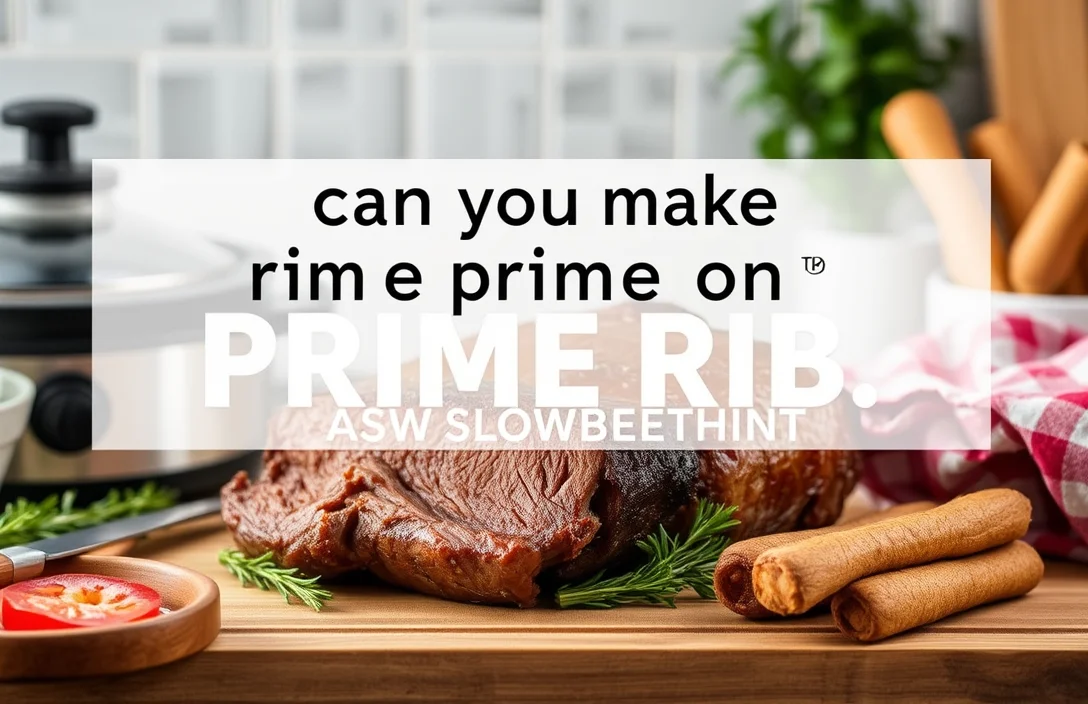
Yes, you can make prime rib in a slow cooker. Key points include selecting a quality cut, seasoning generously, cooking on low for several hours, and allowing the meat to rest before slicing to ensure maximum flavor and juiciness.
Choosing the Right Cut
Prime rib selection directly influences slow cooker results. Opt for a cut labeled “standing rib roast” or “prime rib roast.” These options contain ample marbling, ensuring flavor and tenderness during the long cooking process. Look for a well-marbled piece, as fat contributes to juiciness and enhances the overall taste.
Quality matters significantly. Grass-fed beef tends to provide richer flavor and better texture compared to grain-fed. Seek cuts that feature a bright red color and firm texture, indicating freshness. Avoid any cuts with excessive gristle or discoloration, as they may not yield the best outcome.
Thickness plays a crucial role as well. A cut that is at least 2-3 inches thick ensures even cooking and prevents it from drying out. Thinner pieces may overcook and lose their desired tenderness, so prioritize thickness during your selection process. Remember, quality cuts yield the best results in your slow cooker.
Preparing the Prime Rib
Seasoning the prime rib enhances flavor significantly. Begin with a generous amount of kosher salt, which helps to draw out moisture and intensify the meat’s natural taste. Combine the salt with freshly cracked black pepper, garlic powder, and any preferred herbs like rosemary or thyme to create a well-rounded seasoning blend.
- Apply the seasoning liberally. Ensure every surface of the meat is covered with the seasoning mixture. This step is crucial for building flavor throughout the cooking process.
- Let it rest for at least an hour, allowing the seasoning to penetrate the meat. For best results, refrigerate the seasoned roast overnight, wrapped in plastic, to deepen the flavors.
- Trim excess fat, if necessary, to prevent greasiness during cooking. Aim to leave about a quarter-inch layer for flavor while ensuring the meat doesn’t become overly oily.
- Prepare the meat by bringing it to room temperature before cooking. This helps in achieving an even cook throughout the prime rib. Allow the roast to sit out for about 30-60 minutes.
- Consider searing the meat before placing it in the slow cooker. Searing adds a beautiful crust and additional flavor, enhancing the overall taste of the finished dish.
Setting Up the Slow Cooker
Position your slow cooker on a stable, heat-resistant surface. Ensure there is enough ventilation around it for optimal cooking. Avoid placing it near walls or other appliances that can obstruct airflow. Keeping the slow cooker clean is essential, so wipe it down before use to remove any dust or residue.
- Check the slow cooker’s capacity. Ensure it can accommodate the size of your prime rib. A 6-quart model typically works well for most cuts.
- Inspect the inner pot for any cracks or damage. A damaged pot can lead to uneven cooking or possible leaks.
- Preheat the slow cooker if your recipe calls for it. Some recipes benefit from a few minutes of preheating to kickstart the cooking process.
- Prepare the base for the prime rib. Arrange vegetables like carrots and onions at the bottom to create a flavorful foundation that also elevates the meat.
- Place the prime rib directly on top of the vegetable base. This positioning allows for even heat distribution during cooking.
Adjust the slow cooker settings according to your recipe. Most prime rib recipes recommend low heat for maximum tenderness and flavor. Double-check the settings to ensure optimal cooking conditions.
Cooking Time and Temperature
Cooking prime rib in a slow cooker requires precise timing and temperature to achieve tenderness. Aim for a cooking temperature between 225°F to 250°F. This lower range allows for even cooking, ensuring the meat remains juicy and flavorful.
- Set the slow cooker to low. This temperature setting typically yields the best results for prime rib, allowing the meat to cook slowly.
- Cook for approximately 4 to 6 hours. Check for doneness using a meat thermometer; the internal temperature should reach 130°F for medium-rare.
- Consider resting the meat after cooking. Allow it to sit for 20 to 30 minutes before slicing to let the juices redistribute.
Monitoring the cooking process is crucial. Use a meat thermometer periodically to avoid overcooking, as prime rib can quickly go from rare to well done.
Adjust cooking time based on the size of the roast. Larger roasts may require additional time, while smaller cuts will cook faster. Always prioritize internal temperature over time for best results.
Adding Flavor Enhancements
Enhancing flavor begins with selecting herbs and spices. Opt for fresh rosemary, thyme, and garlic for aromatic depth. These ingredients complement the rich meatiness of prime rib, creating a well-rounded taste. Rub them directly onto the meat for maximum infusion, allowing their oils to meld with the juices during cooking.
Incorporating liquids adds moisture and flavor. Broth, red wine, or a mixture of both can enhance the dish significantly. Pouring these liquids into the slow cooker not only keeps the meat juicy but also allows for a delicious sauce to form. Aim for enough liquid to cover the bottom without submerging the prime rib.
Additionally, consider using a marinade. A simple blend of soy sauce, Worcestershire sauce, and balsamic vinegar can elevate the meat’s taste. Let the prime rib soak in this mixture for several hours before cooking. This step intensifies the flavor profile and ensures a savory experience.
Experiment with seasoning blends. Pre-made blends such as Montreal steak seasoning or garlic pepper can save time while providing a robust flavor. Generously coat the prime rib before placing it in the slow cooker to ensure every bite is delicious.
Checking for Doneness
Meat thermometers provide the most accurate method for checking prime rib doneness. Insert the thermometer into the thickest part of the meat, avoiding bones or fat. For medium-rare, aim for an internal temperature of 130°F to 135°F. Cooking for longer will increase the temperature, so monitor closely as it approaches the desired level.
Visual cues can also indicate doneness. Look for juices running clear rather than red or pink, which suggests that the meat is cooked through. A slight firmness when pressed with a finger can signal that the prime rib is done, although this method is less precise than using a thermometer.
Resting the meat post-cooking is crucial. Allow the prime rib to rest for at least 15 to 20 minutes after removing it from the slow cooker. Resting enables the juices to redistribute, enhancing flavor and tenderness. Cutting too soon can lead to a loss of moisture.
Testing with a knife is another option. Make a small incision in the meat’s center; if the juices run clear, the meat is cooked. If they are still red, it requires more time. This method is useful but less reliable than the thermometer approach.
Serving and Slicing Techniques
Serving prime rib requires attention to detail for maximum tenderness and flavor. Proper slicing techniques enhance the dining experience, allowing the rich juices to flow and ensuring each portion is succulent. By following the steps outlined below, you can achieve perfect results every time.
- Allow the roast to rest. After cooking, let the prime rib rest for at least 20-30 minutes. This resting time helps redistribute the juices, ensuring a moist and flavorful cut.
- Use a sharp knife. A well-sharpened carving knife will make clean slices, preventing the meat from tearing. Aim for a blade length of at least 10 inches for better control.
- Slice against the grain. Identifying the direction of the muscle fibers is crucial. Cutting across the grain shortens the fibers, resulting in more tender bites.
- Make even slices. Aim for uniform thickness in each slice, about ½ inch thick. Consistency not only improves presentation but also ensures even cooking.
- Serve promptly. Arrange the slices on a warm platter to keep the meat temperature up. Surround with sides and gravy to enhance flavors and provide a complete dining experience.
Quick Summary
- Prime rib can be successfully cooked in a slow cooker, resulting in tender and juicy meat.
- Choosing a well-marbled cut of prime rib enhances flavor and moisture during the slow cooking process.
- Seasoning the meat with herbs, garlic, and spices is essential for developing rich flavors.
- Cooking times may vary, but generally, a 3-4 pound prime rib takes about 6-8 hours on low heat.
- Using a meat thermometer helps ensure the prime rib reaches the desired doneness without overcooking.
- Letting the meat rest before slicing allows the juices to redistribute for a more flavorful result.
- Pairing with sides like roasted vegetables or mashed potatoes complements the richness of the prime rib.
Frequently Asked Questions
Can you make prime rib in a slow cooker?
Yes, you can make prime rib in a slow cooker. The slow cooking method allows for even cooking and helps retain moisture, resulting in a tender and flavorful roast.
What temperature should I set my slow cooker for prime rib?
For prime rib, it’s best to use the low setting on your slow cooker, which typically cooks at around 190-200°F. This gentle heat helps achieve a perfectly cooked roast without drying it out.
How long does it take to cook prime rib in a slow cooker?
Cooking prime rib in a slow cooker usually takes about 6 to 8 hours on the low setting, depending on the size of the roast. Always use a meat thermometer to check for the desired doneness.
Should I sear the prime rib before slow cooking?
Searing the prime rib before cooking in the slow cooker is recommended, as it enhances the flavor and creates a nice crust. Simply brown the meat in a skillet for a few minutes on each side before transferring it to the slow cooker.
What should I serve with slow-cooked prime rib?
Slow-cooked prime rib pairs well with classic sides such as mashed potatoes, roasted vegetables, or a fresh salad. You can also serve it with a rich gravy or horseradish sauce for added flavor.

- 8 Easy Slow Cooker Beef and Rice Recipes for Delicious Meals - March 29, 2026
- Slow Cooker Beef and Sausage Chili: 7 Steps to Flavorful Success - March 29, 2026
- Savory Beef Back Ribs in a Pressure Cooker: 7 Steps to Perfection - March 29, 2026