How to Cook Farro Perfectly in a Rice Cooker
Farro cooks in about 30-40 minutes, making it a versatile grain for busy kitchens. Using a rice cooker can simplify this process, offering a hands-off approach. Curious cooks often wonder if this method yields the same delicious results as traditional cooking.
Yes, you can make farro in a rice cooker. Key points include water-to-farro ratio of 2:1, cooking time between 30-40 minutes, and flavor enhancements like broth or spices for added taste.
Understanding Farro Types
Farro comes in three primary types: whole, semi-pearled, and pearled. Whole farro retains the bran, offering a nutty flavor and chewy texture, requiring longer cooking times of about 30 to 40 minutes. Semi-pearled farro has some bran removed, cooking faster in around 25 to 30 minutes, while pearled farro is the quickest option, needing only 15 to 20 minutes.
Water-to-farro ratios differ among types. Whole farro typically needs about 3 cups of water per cup of grain, while semi-pearled requires 2.5 cups. For pearled varieties, 2 cups of water per cup of grain is sufficient. Adjusting these ratios ensures optimal texture and prevents overcooking.
Flavor profiles also vary. Whole farro boasts a richer taste, making it ideal for salads and hearty dishes. Semi-pearled and pearled types have milder flavors, working well in soups or as side dishes. Choosing the right type based on your recipe will enhance overall dish quality.
Cooking times in a rice cooker can vary based on the farro type. Whole farro may require the longest setting, while pearled can often be cooked with regular rice settings. Checking for doneness is crucial, as undercooked farro can be tough and unpalatable.
Rice Cooker Compatibility
Rice cookers can effectively prepare farro, making them a suitable option for this grain. Many rice cookers have a specific setting for grains other than rice, which allows for proper cooking. Adjusting the water-to-farro ratio is crucial for achieving the desired texture. A standard ratio is typically 2:1, meaning you use two cups of water for every cup of farro.
Some rice cookers include a whole grain setting, which optimally manages longer cooking times. This feature can enhance the cooking process, ensuring the farro becomes tender without overcooking. Regular rice cooker models may also work well, but monitoring the cooking process is essential to avoid undercooking or overcooking.
Pre-soaking farro before cooking can improve its texture and reduce cooking time. Soaking for at least 30 minutes or even overnight allows the grains to absorb some water, leading to a fluffier result. Post-soaking, drain the farro and add it to the rice cooker with the appropriate amount of water.
Testing doneness after the cooking cycle completes ensures farro is cooked to your liking. If the grains are still firm, additional water may be needed for further cooking. Keep in mind that different rice cooker brands may have varying performance levels, so adjust cooking times and water ratios as necessary.
Preparation Steps for Farro
Rinsing farro effectively removes dust and impurities. Start by measuring the desired amount of farro. Place it in a fine-mesh strainer or sieve. Rinse it thoroughly under cold running water for about 1-2 minutes, gently moving the grains to ensure all surfaces are cleaned. This step enhances the taste and texture of the final dish.
- Measure the farro you need.
- Place it in a fine-mesh strainer.
- Rinse under cold running water.
- Move the grains gently while rinsing.
- Drain well before soaking.
Soaking farro improves its texture during cooking. After rinsing, transfer the grains to a bowl and cover them with water. Allow the farro to soak for at least 30 minutes, or up to overnight for even better results. Soaking reduces the cooking time and helps achieve a tender consistency.
- Transfer rinsed farro to a bowl.
- Cover the grains with fresh water.
- Let it soak for at least 30 minutes.
- Consider soaking overnight for optimal results.
Water Ratio for Cooking
Perfect water ratio is crucial. For farro in a rice cooker, use a 2:1 water-to-farro ratio. This means for every cup of farro, add two cups of water. Adjusting this ratio can affect the texture and doneness of the grain, so stick to these measurements for best results.
Measuring accurately ensures consistency. Using measuring cups helps avoid guesswork. If you prefer a creamier texture, you may experiment with slightly increasing the water, but start with the recommended ratio to prevent overcooking.
Testing different brands might yield variations. Some farro types absorb more water than others. Keep note of the specific brand you use to determine if adjustments are necessary for future cooking sessions.
Cooking directly influences the outcome. A rice cooker provides a controlled environment, allowing the farro to cook evenly when the right water ratio is used. Trust the measurements and the machine to deliver perfectly cooked grains.
Cooking Time Insights
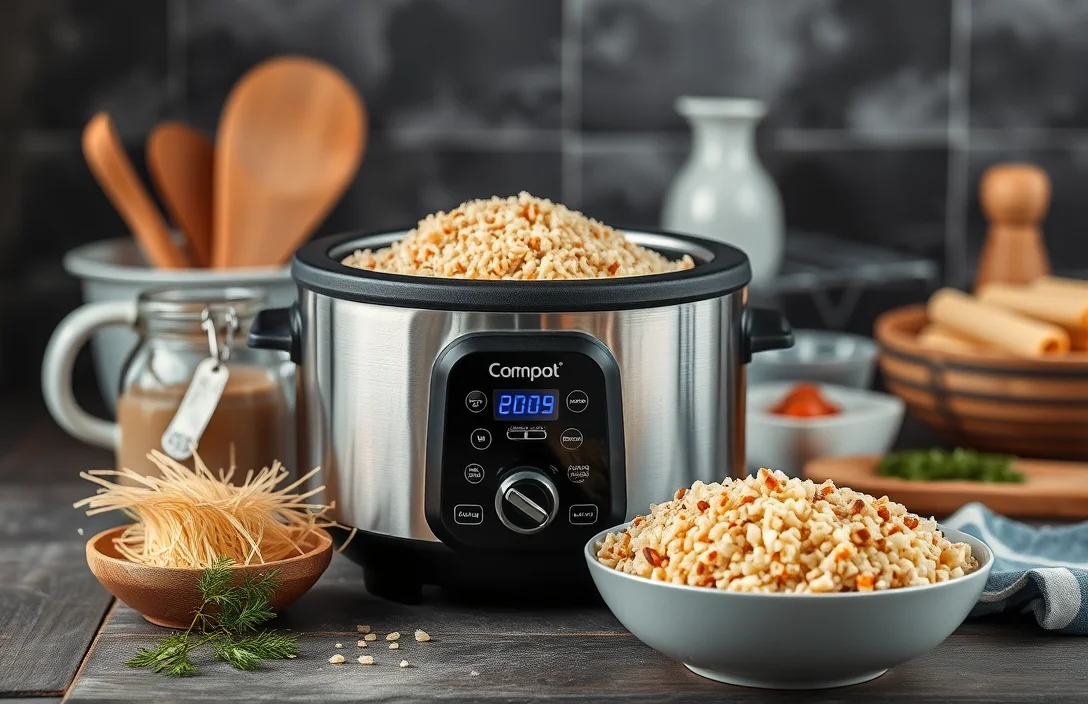
Cooking farro in a rice cooker typically takes between 30 to 40 minutes. This time frame can vary based on the specific cooker model and the type of farro used, whether pearled, semi-pearled, or whole grain. Always monitor the cooking process to ensure optimal results.
Checking the doneness is crucial. After about 30 minutes, taste a few grains. They should be tender yet slightly chewy, without being mushy. If not ready, continue cooking in five-minute increments until the desired texture is achieved.
Adjusting water volume can also impact cooking time. More water may extend cooking duration, while less may shorten it. It’s essential to experiment to find the right balance for your specific rice cooker.
Incorporating a soak before cooking can be beneficial. Soaking farro for one to two hours reduces cooking time, ensuring quicker results without compromising texture. This technique is particularly useful for whole grain varieties.
Allowing for resting time post-cooking enhances flavor absorption. After the cooking cycle ends, let the farro sit for an additional 10 minutes. This technique helps achieve a more uniform texture and richer taste.
Flavoring Farro in Rice Cooker
Infusing flavor into farro while cooking enhances the overall taste. Start by adding vegetable or chicken broth instead of water for a rich base. This simple switch elevates the dish, making it more savory and satisfying. Seasoning during cooking ensures that the grains absorb the flavors fully.
Spices can transform farro’s profile significantly. Consider adding garlic powder, onion powder, or smoked paprika for depth. A bay leaf or a sprig of thyme during the cooking process can also impart a subtle herbal note. Remember to remove any whole spices after cooking.
Vegetables contribute both flavor and nutrition. Diced carrots, bell peppers, or spinach can be added directly into the rice cooker. These not only enhance the taste but also provide color and texture. Aim for a combination that complements your meal.
Acidic elements brighten the dish. A splash of lemon juice or vinegar added after cooking can elevate the flavor. This finishing touch brings balance and freshness to the farro, making it a delightful side or main dish. Experiment with different acids to find your preferred taste.
Post-Cooking Tips
Fluffing farro enhances its texture. Once cooking completes, allow the farro to sit with the lid on for about 5-10 minutes. This resting period allows excess moisture to evaporate, resulting in a more desirable consistency.
- Remove the lid carefully to avoid steam burns. Use a fork instead of a spoon to fluff the grains gently. This technique prevents the farro from becoming mushy.
- Transfer the fluffed farro to a serving dish. Spreading it out helps it cool slightly and allows for even serving. Consider drizzling with olive oil or adding herbs for extra flavor.
- Serve immediately or store leftovers in an airtight container. Refrigerating farro can help maintain its freshness for several days. Reheat gently before serving.
Enjoy your perfectly cooked farro as a side dish, in salads, or as a base for grain bowls. Experiment with various toppings and flavors to suit your taste.
Quick Summary
- Farro can be easily cooked in a rice cooker, making it a convenient option for meal preparation.
- Use a water-to-farro ratio of approximately 2:1 for optimal cooking results.
- It is advisable to rinse farro before cooking to remove any dust or impurities.
- Cook time in a rice cooker typically ranges from 30 to 45 minutes, depending on the type of farro.
- Adding seasonings or broth can enhance the flavor of the farro during cooking.
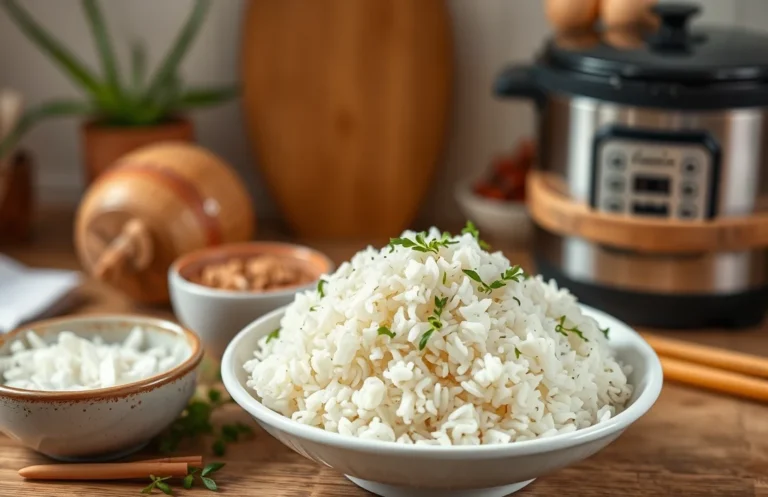
- Once cooked, farro should be fluffy and chewy, making it a great addition to salads and bowls.
- Leftover farro can be stored in the refrigerator for up to a week, providing a quick option for future meals.
Frequently Asked Questions
Can you make farro in a rice cooker?
Yes, you can make farro in a rice cooker! It simplifies the cooking process and allows for a hands-off approach while ensuring even cooking.
What is the water-to-farro ratio for a rice cooker?
The typical water-to-farro ratio is about 2.5 cups of water for every 1 cup of farro. However, you may need to adjust slightly based on your rice cooker model and the type of farro you are using.
How long does it take to cook farro in a rice cooker?
Cooking farro in a rice cooker usually takes between 30 to 40 minutes. It’s a good idea to check the doneness around the 30-minute mark and adjust the time as needed.
Should I rinse farro before cooking it?
Yes, rinsing farro before cooking helps remove any excess starch and dirt. This can lead to a better texture and flavor in the final dish.
Can I add seasonings or vegetables while cooking farro in a rice cooker?
Absolutely! You can add seasonings, broth, or even vegetables to the rice cooker along with the farro and water for added flavor. Just be mindful of the overall liquid content to ensure proper cooking.

- 8 Easy Slow Cooker Beef and Rice Recipes for Delicious Meals - March 29, 2026
- Slow Cooker Beef and Sausage Chili: 7 Steps to Flavorful Success - March 29, 2026
- Savory Beef Back Ribs in a Pressure Cooker: 7 Steps to Perfection - March 29, 2026