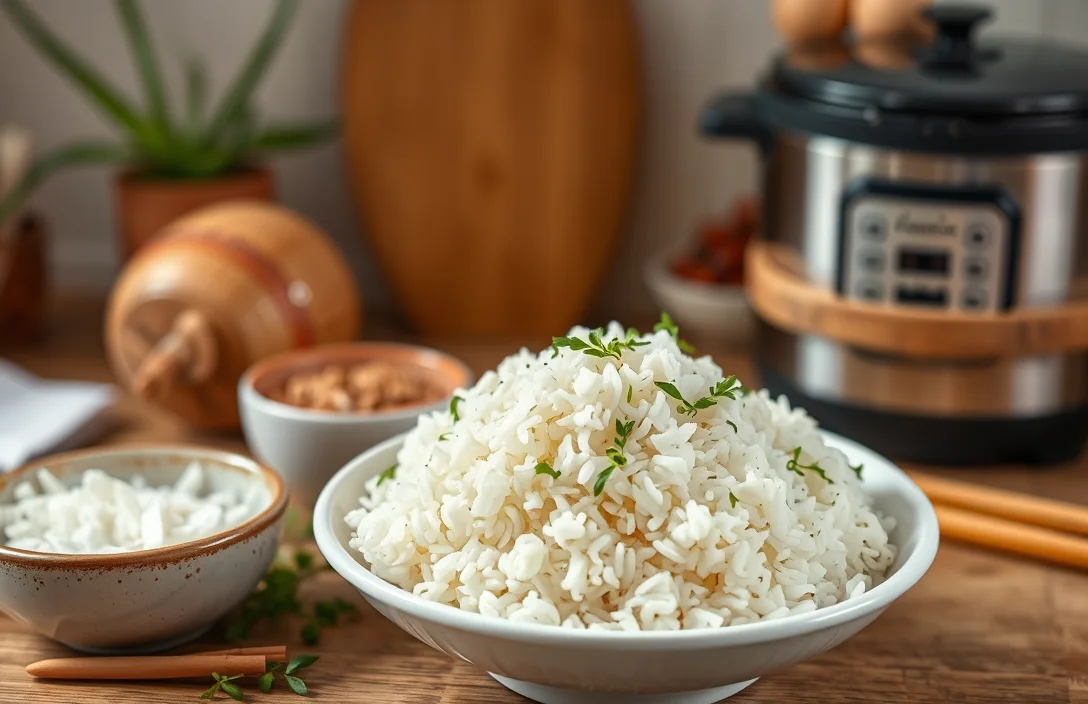
How to Make Coconut Rice in a Rice Cooker for Perfect Flavor
Approximately 1 in 5 households own a rice cooker, making it a common kitchen appliance. Surprisingly, many don’t realize that coconut rice can be easily prepared using this device. This simple method enhances the flavor of rice and offers a delightful twist to traditional recipes.
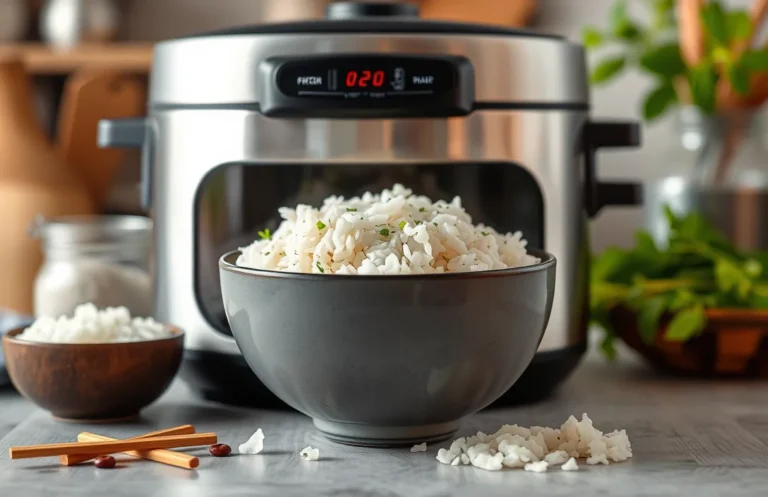
Cooking coconut rice in a rice cooker is simple and efficient. Just combine rice, coconut milk, and water in the cooker. Set it to the regular rice cooking setting, and in under 30 minutes, you’ll have perfectly cooked coconut rice ready to enjoy.
Choosing the Right Rice
Long-grain rice varieties are ideal for coconut rice due to their light and fluffy texture. Jasmine and basmati rice, in particular, absorb flavors well and pair beautifully with coconut milk. These types prevent clumping, allowing each grain to stand out, enhancing the overall dish.
Medium-grain rice also works effectively, offering a slightly creamier texture. Arborio rice, commonly used for risotto, can impart a rich creaminess to coconut rice. While it may not be traditional, it delivers an interesting twist on flavor and texture.
Short-grain rice, such as sushi rice, has a sticky quality that might not be suitable for coconut rice. This stickiness could lead to a gummy consistency, detracting from the desired fluffy outcome. Therefore, selecting the right grain is crucial for achieving the perfect dish.
Brands vary, but always choose high-quality rice for the best results. Organic options are often more flavorful and healthier, ensuring a richer taste in your coconut rice. Investing in quality will enhance the overall experience of your meal.
Ingredients for Coconut Rice
Coconut rice requires specific ingredients for a delicious outcome. Begin with one cup of jasmine rice for a fragrant base. Next, include one cup of coconut milk, which imparts that rich, creamy flavor. Fresh water is necessary; use one cup to ensure the rice cooks properly. Finally, don’t forget salt—just a pinch enhances the overall taste.
Fresh ingredients make a significant difference. If available, consider adding shredded coconut for additional texture and flavor. This can be toasted or untoasted, depending on your preference. Also, incorporating a splash of vanilla extract can elevate the coconut flavor profile, creating a subtly sweet aroma.
Optional ingredients can enhance your dish. Adding fresh herbs like cilantro or green onions brings brightness and freshness. If you prefer a savory twist, include a small piece of ginger or a dash of lime juice to complement the coconut. Choose your additional ingredients based on your flavor preferences and desired outcome.
Proper Rice Cooker Settings
Select the correct setting on your rice cooker for optimal coconut rice preparation. Most rice cookers have specific options for white rice or brown rice. For coconut rice, using the white rice setting typically produces the best results due to the cooking time and temperature being ideal for the rice to absorb the coconut flavor.
Adjust the cooking time if your rice cooker lacks specific settings. Some models allow manual timing adjustments. In this case, aim for a cooking time of around 20 to 25 minutes to achieve perfectly cooked rice with a desirable texture. Monitor the cooking process, as different models may have slight variations.
Ensure your rice cooker is clean before starting. Residue from previous meals can affect the flavor of your coconut rice. A quick wash of the inner pot guarantees that the taste remains consistent and pure. This step is crucial for achieving the desired coconut flavor.
Check the cooker’s lid seal during cooking. A tight seal allows steam to circulate properly, which is essential for even cooking. If the lid does not close well, moisture may escape, leading to undercooked rice. Addressing this issue helps in achieving the perfect consistency.
Water-to-Coconut Milk Ratio
Optimal coconut rice requires a specific liquid ratio for perfect texture and flavor. Generally, a 1:1 ratio of water to coconut milk is ideal. This means for every cup of rice, use one cup of coconut milk and one cup of water. Adjusting this ratio can impact the creaminess and consistency of the final dish.
Measuring accurately ensures even cooking. Use measuring cups for both coconut milk and water, as inconsistencies can lead to mushy or dry rice. If you prefer a richer taste, consider substituting slightly more coconut milk without compromising the water content. Just a small increase can enhance the flavor significantly.
Experimenting with ratios can lead to personalized results. Some may prefer a 1:2 ratio of coconut milk to water for extra creaminess, while others might stick to the classic equal parts for a lighter dish. Always consider the type of rice being used, as different varieties may absorb liquids differently.
Adjustments should also consider cooking times. If reducing the water content, check the rice earlier than usual to prevent burning. Keep in mind that too much liquid can extend the cooking time, affecting overall texture. Stick to your preferred consistency for the best experience.
Flavor Enhancements Options
Spices and herbs can dramatically enhance the flavor of coconut rice. Consider adding a pinch of salt to balance the sweetness of the coconut milk. Ground ginger or garlic powder introduces a subtle warmth that complements the dish beautifully. Fresh herbs, such as cilantro or basil, can also provide a refreshing contrast when sprinkled on top after cooking.
Using spices like cardamom or cinnamon can add a unique aroma and depth. A few whole cardamom pods or a stick of cinnamon added during cooking infuse the rice with pleasant fragrance. Alternatively, adding a touch of turmeric can impart a lovely golden hue and earthy flavor.
Nuts and dried fruits create interesting textures and flavors. Toasted coconut flakes or slivered almonds add crunch, while raisins or dried cranberries offer a sweet counterpoint. Mixing in these ingredients right before serving can elevate the dish further.
Acidity from lime or lemon juice brightens the overall flavor profile. Squeeze fresh juice over the finished rice for a zesty lift. This simple addition can transform the dish, making it more vibrant and exciting.
Storing Leftover Coconut Rice
Preserving leftover coconut rice properly ensures you can enjoy its flavors later. To store, allow the rice to cool to room temperature. Once cooled, transfer it into an airtight container to maintain moisture and prevent it from drying out or absorbing odors from the fridge.
- Seal the container tightly to keep out air and moisture. This prevents spoilage and helps retain the rice’s texture.
- Label the container with the date for easy reference. Coconut rice typically lasts up to 4-5 days in the refrigerator.
- Freeze for extended storage if needed. Coconut rice can be frozen for up to three months. Ensure it’s in a freezer-safe container or bag to avoid freezer burn.
- Reheat in the microwave or stovetop. Add a splash of coconut milk or water to restore moisture while reheating.
- Fluff with a fork after heating. This helps separate any clumps and restores the original texture of the rice.
Following these steps will keep your coconut rice delicious and ready for your next meal. Storing and reheating correctly helps maintain its unique flavor and prevents waste, making the most out of your rice cooker creation.
Quick Summary
- Coconut rice can be easily made in a rice cooker, simplifying the cooking process.
- Use a mixture of jasmine rice and coconut milk for the best flavor and texture.
- Adjust the water-to-coconut milk ratio to achieve the desired creaminess.
- Consider adding a pinch of salt or sugar to enhance the taste of the dish.
- Top with fresh herbs or toasted coconut for added flavor and presentation.
- Follow the rice cooker’s instructions for timing to ensure perfectly cooked rice.
- This dish pairs well with a variety of meats, seafood, and vegetables.
Frequently Asked Questions
Can you make coconut rice in a rice cooker?
Yes, you can make coconut rice in a rice cooker. Simply replace some or all of the water with coconut milk for a deliciously creamy texture and flavor.
What type of rice is best for coconut rice?
Jasmine rice is commonly used for making coconut rice due to its fragrant aroma and slightly sticky texture. However, you can also use basmati or long-grain rice if you prefer a different flavor or texture.
Do I need to adjust the cooking time for coconut rice?
No, you typically do not need to adjust the cooking time when making coconut rice in a rice cooker. Just follow the manufacturer’s instructions for the type of rice you are using, as the cooking time remains the same.
How much coconut milk should I use?
A common ratio is to use 1 part coconut milk to 1 part water, or you can use 100% coconut milk for a richer flavor. Adjust the ratio based on your personal taste preference and the creaminess you desire.
Can I add other ingredients to coconut rice in the rice cooker?
Absolutely! You can enhance your coconut rice by adding ingredients like salt, sugar, or spices such as cinnamon and cardamom. Just be sure to stir them in before starting the rice cooker for even flavor distribution.

- 8 Easy Slow Cooker Beef and Rice Recipes for Delicious Meals - March 29, 2026
- Slow Cooker Beef and Sausage Chili: 7 Steps to Flavorful Success - March 29, 2026
- Savory Beef Back Ribs in a Pressure Cooker: 7 Steps to Perfection - March 29, 2026