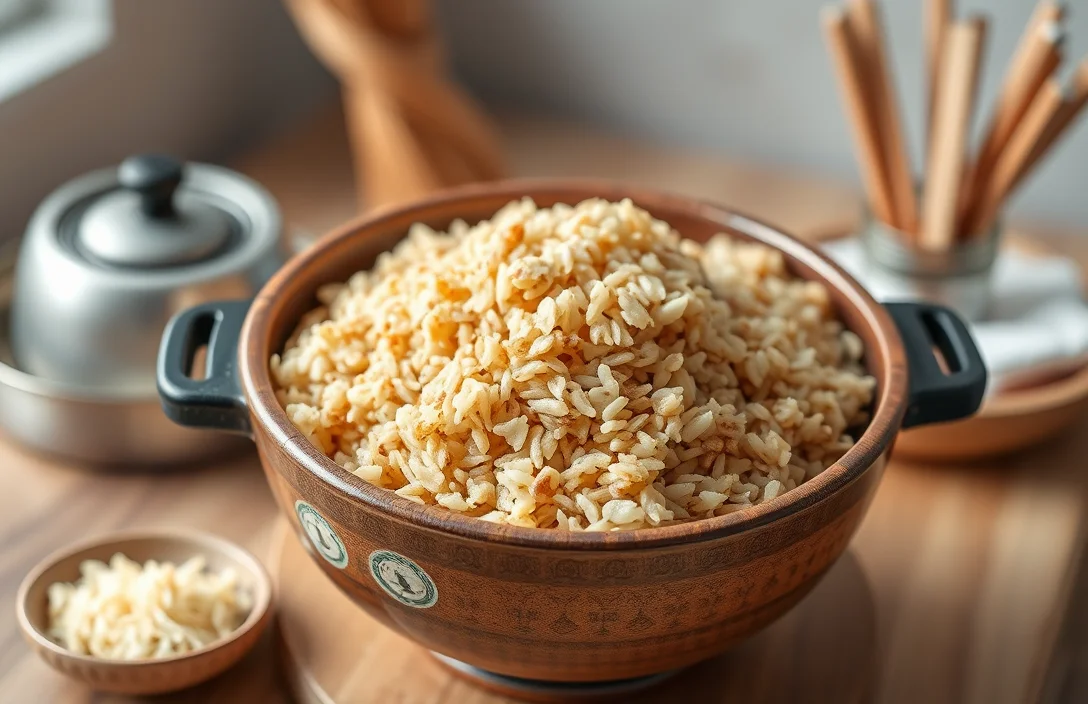
How to Cook Brown Rice in a Rice Cooker: Simple Steps Explained
Approximately 45 minutes is all it takes to cook perfect brown rice in a rice cooker, making it an efficient choice for healthy meals. Many people are unaware that rice cookers can handle different rice varieties, including the more complex brown rice.
Cooking brown rice in a rice cooker is simple. Just follow these key points: rinse the rice, use a 1:2 rice-to-water ratio, and select the brown rice setting if available. Enjoy perfectly cooked rice every time!
Choosing the Right Rice Cooker
Rice cookers designed for brown rice must have specific features. Look for models equipped with a “brown rice” setting, as this function adjusts cooking time and temperature for optimal results. A programmable option is also beneficial, allowing customization based on your preferences and the specific type of brown rice you use.
Advanced rice cookers often include fuzzy logic technology. This feature automatically detects moisture levels and alters cooking parameters accordingly. Models with this technology provide better consistency in cooking brown rice, ensuring fluffy grains and preventing overcooking or undercooking.
Capacity plays a crucial role in selection. Choose a rice cooker that accommodates your household’s needs. Generally, a 5-cup model works well for small families, while larger models can handle up to 10 cups for meal prepping or larger gatherings.
Non-stick inner pots are essential for easy cleanup. Select a rice cooker with a durable non-stick coating to prevent rice from sticking and burning. This feature simplifies the cooking process and enhances the overall experience.
Price ranges significantly among rice cookers. Budget-friendly options can be effective, but investing in a higher-quality model often results in better longevity and cooking performance. Prioritize your needs and find the right balance between cost and functionality.
Preparing Brown Rice
Rinsing brown rice removes excess starch and impurities, improving texture and flavor. This simple step helps prevent clumping during cooking. Begin by measuring the desired amount of rice to prepare.
- Place the rice in a fine-mesh strainer or bowl. Ensure that the container is large enough to hold the rice and water.
- Rinse under cold running water for 1-2 minutes. Move the rice around with your hand to ensure all grains are washed thoroughly.
- Soak the rice in water for at least 30 minutes. Soaking can enhance the cooking process and yield a softer texture.
- Drain the soaking water completely before cooking. This step is essential to prevent excess moisture during the cooking process.
- Transfer the rinsed and drained rice to the rice cooker. Make sure to follow the next steps for adding water and cooking.
Water Ratio for Brown Rice
Use a 2:1 water-to-rice ratio for brown rice in a rice cooker. For every cup of brown rice, add two cups of water. This ratio ensures the rice cooks evenly and absorbs enough moisture to become tender and fluffy.
Measuring accurately is crucial. For best results, use a standard measuring cup. Avoid using the pot that comes with the rice cooker, as its measurements may differ from standard cups. Consistency in measurement impacts the final texture and doneness of the rice.
Testing the rice’s doneness is also recommended. After the cooking cycle completes, allow the rice to sit for about ten minutes. This resting period helps the remaining moisture distribute evenly, resulting in better texture and flavor.
Remember to adjust the ratio if adding other ingredients. Mixing in vegetables or spices may require slight modifications to the water amount. Always account for additional moisture that these ingredients may introduce.
Fluffing and Serving
Fluffing brown rice is crucial for achieving a light and airy texture. After cooking, let the rice sit for about 10 minutes with the lid on. This resting period allows moisture to redistribute, preventing clumping and making it easier to fluff.
Using a fork, gently stir the rice to separate the grains. Avoid using a spoon, as it may mash the rice and create a sticky consistency. This technique ensures each grain remains distinct, enhancing the overall presentation and texture.
Serving brown rice can be done in various ways. Consider using a rice bowl for a casual meal or a plate for more formal dining. Garnishing with herbs or spices can elevate the dish, adding color and flavor. Experimenting with toppings like sesame seeds or chopped scallions enhances not only the look but also the taste.
Portion control is essential when serving. A standard serving size is about half a cup of cooked rice per person. Adjust according to the meal and the number of side dishes being served. This helps ensure everyone enjoys their meal without waste.
Storing Leftover Brown Rice
Store leftover brown rice promptly. Allow it to cool for about 30 minutes after cooking. Once cooled, transfer it to an airtight container to maintain freshness. Proper storage helps prevent bacterial growth and keeps the rice flavorful for future meals.
Refrigerate the rice for up to four days. Ensure your fridge temperature is set below 40°F (4°C) to inhibit spoilage. For longer storage, consider freezing the rice instead, which can extend its shelf life to about six months.
Label containers with dates. By marking the container with the date cooked, you can easily track the freshness and avoid consuming expired rice. This simple practice helps maintain food safety and quality.
Reheat carefully before serving. Microwave or stovetop reheating is recommended, adding a splash of water to prevent drying. Stirring occasionally ensures even heating, making it just as delicious as when freshly cooked.
Portion rice for convenience. Dividing into single servings before storage makes reheating quick and easy. This preparation step saves time during busy days and minimizes food waste by allowing you to cook only what you need.
Quick Summary
- Brown rice can be easily cooked in a rice cooker, making it a convenient option.
- It typically requires more water and a longer cooking time than white rice.
- Use a ratio of about 2 to 2.5 cups of water for every cup of brown rice.
- Most rice cookers have a specific setting for brown rice; if not, use the white rice setting and monitor the cooking time.
- Soaking brown rice for a few hours before cooking can help reduce cooking time and improve texture.
- Let the rice sit for a few minutes after cooking to allow for better texture and moisture distribution.
- Fluff the rice with a fork before serving to separate the grains and enhance the overall presentation.
Frequently Asked Questions
Can you make brown rice in a rice cooker?
Yes, you can make brown rice in a rice cooker. Most modern rice cookers have a specific setting for brown rice, which allows for a longer cooking time to ensure the rice is fully cooked and tender.
What is the water-to-rice ratio for brown rice in a rice cooker?
The typical water-to-brown rice ratio is about 2.5 to 1, meaning for every cup of brown rice, you should use 2.5 cups of water. However, this may vary depending on the rice cooker model, so it’s always best to check the manufacturer’s instructions.
How long does it take to cook brown rice in a rice cooker?
Cooking brown rice in a rice cooker usually takes around 45 to 60 minutes. The exact time can vary based on the type of rice cooker you have and its settings, so be sure to monitor it for best results.
Do I need to soak brown rice before cooking it in a rice cooker?
Soaking brown rice is not necessary, but it can help reduce cooking time and improve texture. If you choose to soak it, aim for at least 30 minutes to an hour before cooking.
Can I season brown rice while it’s cooking in a rice cooker?
Yes, you can add seasonings, such as salt or broth, to the water before cooking brown rice. This will enhance the flavor of the rice as it absorbs the liquid during cooking.

- 8 Easy Slow Cooker Beef and Rice Recipes for Delicious Meals - March 29, 2026
- Slow Cooker Beef and Sausage Chili: 7 Steps to Flavorful Success - March 29, 2026
- Savory Beef Back Ribs in a Pressure Cooker: 7 Steps to Perfection - March 29, 2026