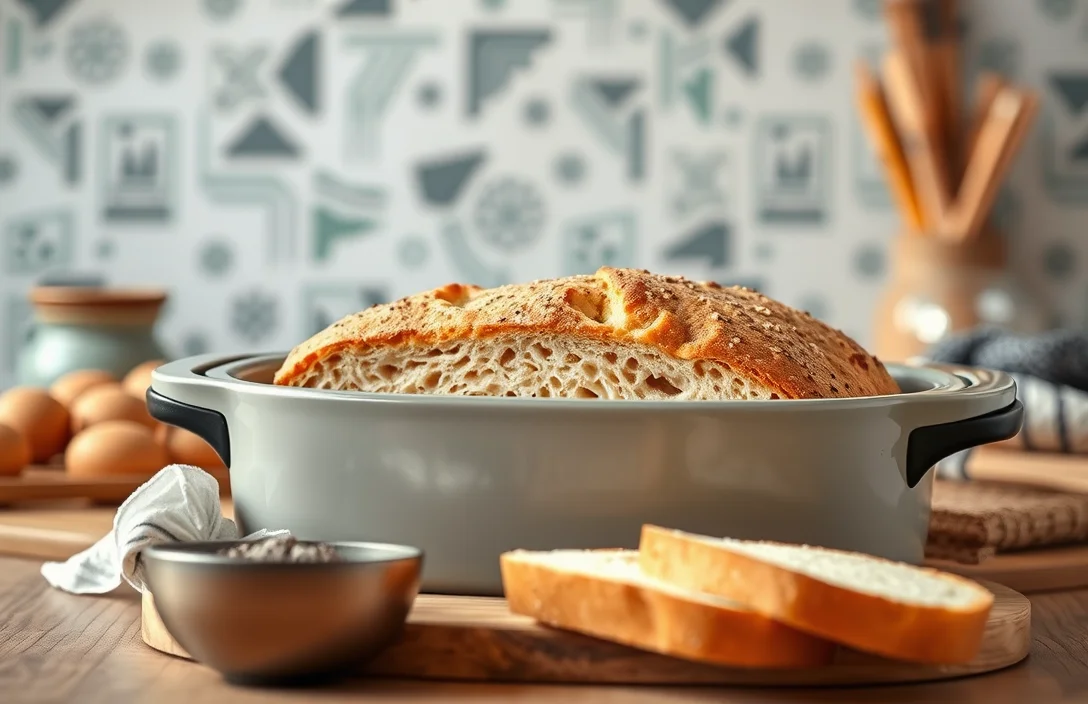
How to Make Bread in a Slow Cooker: Tips and Techniques
Seventy-five percent of home cooks find slow cookers versatile for various dishes, yet many overlook their potential for baking bread. This method offers unique flavors and textures, making it an intriguing option for both novice and experienced bakers alike.
Baking bread in a slow cooker is entirely possible. Key points include using the right dough consistency, preheating the cooker for optimal results, and covering the bread while cooking to maintain moisture. Enjoy a delicious, homemade loaf with minimal effort.
What to Know About can you make bread in slow coo
Making bread in a slow cooker is entirely possible and can yield delicious results. First, ensure you have a slow cooker with adequate capacity, ideally at least 4 quarts. This size allows for proper rising and baking of your dough. Also, the design of the cooker should enable even heat distribution, which is crucial for achieving a well-cooked loaf.
Experimentation plays a significant role in perfecting this method. Different recipes may require adjustments in cooking time and temperature settings. Generally, bread takes about 2 to 4 hours on high heat or 4 to 6 hours on low heat. Utilizing a thermometer can help check the internal temperature of the bread, aiming for around 190°F for doneness.
Moisture management is essential. Slow cookers retain steam, which can create a crustless bread texture. To promote a crusty exterior, place a clean kitchen towel under the lid during cooking. This method absorbs excess moisture, allowing for a better crust while still maintaining the bread’s soft interior.
Monitoring your bread is vital. Check doneness periodically to prevent overcooking. Once finished, let the bread cool in the cooker for a few minutes before transferring it to a wire rack. This prevents sogginess and enhances the texture.
Choosing the Right Dough
Soft dough varieties work best for slow cooking. Bread types like white sandwich, brioche, or even enriched doughs are ideal. These options provide a fluffy texture and absorb moisture well, enhancing flavor. Avoid dry, dense doughs or those requiring extensive kneading. Instead, focus on recipes tailored for moist environments to ensure proper rise and bake in the slow cooker.
Sourdough options can yield excellent results. The natural fermentation process adds depth and tanginess. Choose a recipe that emphasizes hydration, ensuring the dough remains pliable and moist. This type of dough can develop a complex flavor profile while cooking slowly, making it a preferred choice among those seeking a unique bread experience.
Whole grain or gluten-free doughs require special considerations. Whole grain flours absorb more liquid, so adjust the hydration levels accordingly. Gluten-free options may need additional binders to maintain structure during cooking. Always follow specific recipes designed for these types to achieve optimal results in a slow cooker.
Sweet doughs are also viable for slow cooking. Recipes for cinnamon rolls or sticky buns benefit from the gentle heat, allowing flavors to meld beautifully. Ensure the sugar content doesn’t overpower, as slow cooking can intensify sweetness. Balance flavors by incorporating spices like cinnamon or nutmeg for a delightful finish.
Preparing Your Slow Cooker
Clean your slow cooker thoroughly before use. Residue from previous meals can affect the bread’s taste. Ensure that the pot, lid, and any other components are free from grease or leftover food particles. A quick wash with warm, soapy water will suffice, followed by a thorough rinse. Dry every part before assembling again.
- Grease the interior pot lightly. Use cooking spray or a thin layer of oil to prevent the bread from sticking. This step is essential for easy removal after baking.
- Check the slow cooker’s size. Ensure it’s large enough to accommodate the dough’s rise. A 6-quart model works well for most bread recipes, while smaller models may require adjusting the dough volume.
- Place a trivet or heatproof dish in the bottom. Elevating the dough helps create a better cooking environment by allowing air circulation. It also prevents direct contact with the bottom, reducing the risk of burning.
- Adjust the lid for steam. Place a clean kitchen towel under the lid to catch excess moisture. This technique helps maintain the right balance of humidity, crucial for a good rise without making the bread soggy.
Follow these steps to ensure optimal conditions for baking bread. Proper preparation minimizes sticking and maximizes the final product’s quality, resulting in a delicious homemade bread experience.
Timing and Temperature Tips
Cooking bread in a slow cooker requires precise timing and temperature settings. Generally, low settings take about 4 to 6 hours to cook, while high settings can complete the process in 2 to 3 hours. Monitor the bread closely, as slow cooker models can vary significantly, influencing overall cooking time and doneness.
Temperature plays a crucial role in baking. Most slow cookers maintain a temperature range between 190°F to 210°F on low settings. Achieving the right internal temperature for bread is essential; it should reach around 190°F to ensure proper doneness. Use a food thermometer for accuracy.
Testing for doneness involves more than just temperature. Gently tapping the bread’s top should yield a hollow sound, indicating it’s cooked through. If the surface appears too moist or raw, give it more time. Experimenting with different recipes helps determine ideal cooking times for your specific slow cooker.
Adjusting the lid can also affect moisture levels. If the bread is too wet, slightly propping the lid open allows steam to escape, which can improve texture. Conversely, if the bread is drying out, ensure the lid fits snugly to retain moisture during cooking.
Adding Flavor Variations
Incorporating herbs and spices enhances bread flavor significantly. Fresh herbs like rosemary or thyme can add a savory note, while spices like cinnamon or nutmeg introduce warmth and sweetness. Add these ingredients directly into the dough for a consistent taste throughout the loaf.
Experimenting with add-ins can also create unique textures and flavors. Ingredients such as cheese, nuts, or dried fruits can enrich your bread. Aim for about a cup of add-ins for each loaf. Consider how these ingredients complement each other for the best results.
Choosing flavor variations allows for personalization of your bread. For instance, garlic and olive oil create a Mediterranean twist, while jalapeños and cheddar offer a spicy kick. Think about the meal you plan to serve the bread with, and tailor your flavors accordingly.
Testing different combinations can lead to delightful discoveries. Keep a notebook to record successful blends and ratios. This practice will help refine your bread-making skills and inspire creativity in future batches.
Remember, adjusting the liquid content may be necessary when adding certain ingredients. For example, if you include more dry items like nuts or cheese, slightly increase the liquid to maintain dough consistency. Always be mindful of how each addition affects the overall texture and flavor of your bread.
Troubleshooting Common Issues
Overcooked bread often results in a dry texture. To prevent this, monitor the cooking time closely. Slow cookers vary in heat output, so testing with a toothpick can help determine doneness. If it comes out clean, the bread is ready; if not, continue cooking in short increments.
Underbaked bread can lead to a gummy interior. Ensure the slow cooker is set to the appropriate temperature. If the bread seems too soft after the initial cooking time, consider increasing the cooking duration. Covering the bread with foil can also help it cook evenly without burning the top.
Dense bread might indicate insufficient rising. Ensure your yeast is fresh and properly activated. Kneading the dough adequately and allowing it to rise in a warm environment are crucial steps. If the dough isn’t rising as expected, consider adjusting the yeast quantity or the proofing conditions.
Uneven browning is another common issue. Positioning the bread properly within the slow cooker is essential. Placing it in the center allows for even heat distribution. If browning remains uneven, rotating the bread halfway through cooking can help achieve a consistent crust.
Cooling and Storing Bread
Cooling bread properly enhances flavor and texture. After removing the loaf from the slow cooker, place it on a wire rack. This allows air to circulate around the bread, preventing sogginess by avoiding steam buildup. Let it cool completely before slicing to maintain the ideal crumb structure.
Storing bread correctly prolongs freshness. Wrap the cooled loaf in plastic wrap or aluminum foil to keep moisture in. For longer storage, consider placing the wrapped bread in a resealable plastic bag. Avoid refrigerating as this can dry it out; instead, store at room temperature or freeze for future use.
Freezing bread preserves its quality. Slice the loaf before freezing for convenience. Place slices in a single layer in a freezer-safe bag, squeezing out excess air. Label the bag with the date and type of bread. To thaw, leave it at room temperature or toast directly from the freezer for a quick snack.
Monitoring freshness is essential. Check for signs of mold or off smells before consuming. If you notice any issues, discard the bread immediately. Regularly inspect stored bread to ensure it maintains its best quality and taste.
Quick Summary
- Bread can be successfully made in a slow cooker, resulting in a moist and tender loaf.
- The slow cooking method allows for even heat distribution, enhancing flavor development.
- It is important to use a recipe specifically designed for slow cooking to achieve the best results.
- Cooking times typically range from 2 to 4 hours on high or 4 to 6 hours on low, depending on the recipe.
- To prevent sogginess, ensure proper ventilation by leaving the lid slightly ajar during cooking.
- Slow cooker bread often requires less hands-on time compared to traditional baking methods.
- Experimentation with different ingredients and flavors can yield unique and delicious variations of slow cooker bread.
Frequently Asked Questions
Can you make bread in a slow cooker?
Yes, you can make bread in a slow cooker! The slow cooking process results in a moist and tender loaf, which is different from oven-baked bread.
What types of bread can be made in a slow cooker?
You can make various types of bread in a slow cooker, including quick breads, banana bread, and even some yeast breads. Just ensure the recipe is suitable for slow cooking to achieve the best results.
How long does it take to cook bread in a slow cooker?
The cooking time can vary depending on the recipe and the size of the loaf. Typically, bread takes about 2 to 4 hours on high or 4 to 6 hours on low heat in a slow cooker.
Do I need to preheat the slow cooker?
No, you do not need to preheat the slow cooker before adding the bread mixture. Just prepare your dough and place it directly into the cold slow cooker.
Can I bake bread in a slow cooker without a liner?
While it’s possible to bake bread without a liner, using a slow cooker liner can make cleanup easier and help prevent sticking. If you don’t have a liner, be sure to grease the slow cooker well before adding the dough.

- 8 Easy Slow Cooker Beef and Rice Recipes for Delicious Meals - March 29, 2026
- Slow Cooker Beef and Sausage Chili: 7 Steps to Flavorful Success - March 29, 2026
- Savory Beef Back Ribs in a Pressure Cooker: 7 Steps to Perfection - March 29, 2026