How to Hard Boil Eggs in a Rice Cooker: A Simple Guide
Sixty percent of home cooks own a rice cooker, yet many overlook its versatility in cooking hard-boiled eggs. With the right method, this kitchen appliance can deliver perfectly boiled eggs without the need for traditional boiling techniques.
Yes, you can hard boil eggs in a rice cooker. Fill the cooker with water, place the eggs in a steaming tray, and set the timer. Enjoy consistent results with minimal effort.
Can Rice Cookers Boil Eggs?
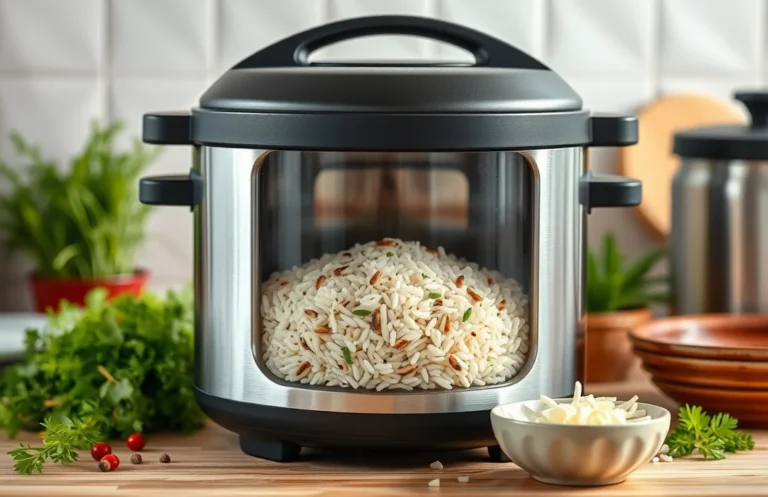
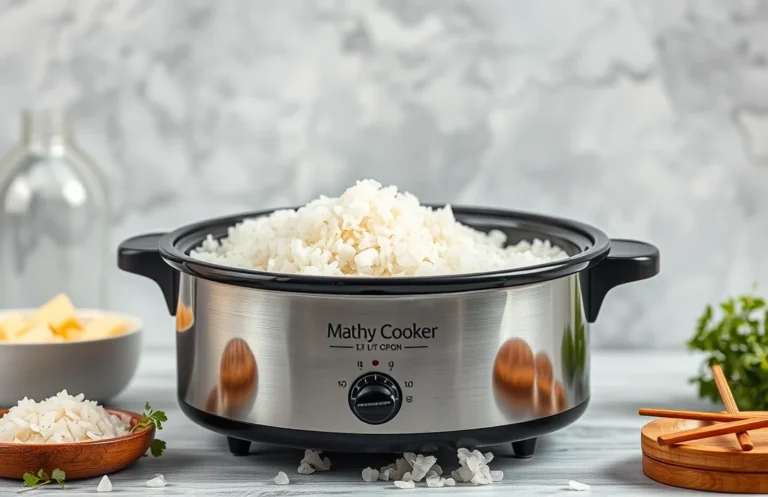
Rice cookers can effectively hard boil eggs. This kitchen appliance uses steam to cook rice, which can also be adapted to boiling eggs. Many models have a steaming tray or basket that accommodates eggs, allowing them to cook evenly without direct contact with water.
Eggs require consistent heating for optimal results. The rice cooker’s automatic shut-off feature helps prevent overcooking by stopping the process once the water has evaporated. This ensures that the eggs remain tender and do not develop a rubbery texture.
Testing various settings can yield different results. For best outcomes, consider using the steam function if available. Adjusting the cooking time according to the desired firmness—soft, medium, or hard—will help achieve the perfect egg.
Many users report satisfied results when boiling eggs in rice cookers. Experimenting with your specific model will reveal the best technique for your needs. Enjoy the convenience and ease of boiling eggs alongside your rice or other meals.
Choosing the Right Rice Cooker
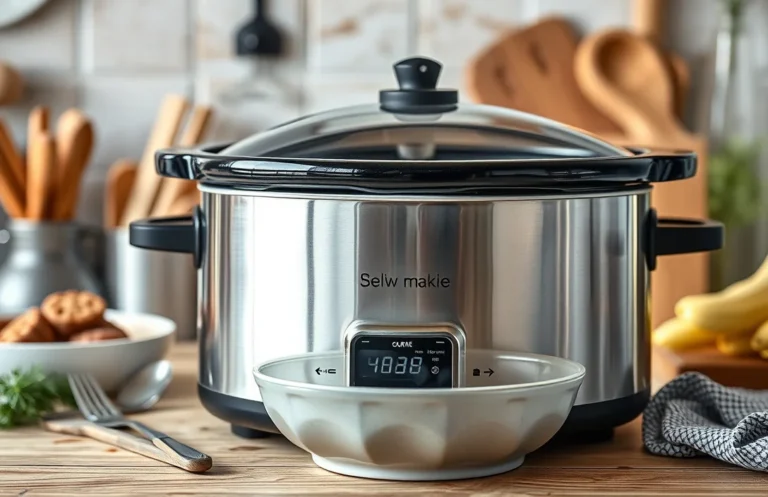
Key features enhance the egg boiling experience. Look for rice cookers with a steaming tray or basket, as these allow for easy egg placement and removal. This accessory ensures that eggs are cooked uniformly without direct contact with boiling water. Models with adjustable timers provide flexibility for achieving the desired level of doneness.
Temperature control capabilities significantly affect cooking results. Select a rice cooker that maintains a consistent heat level to avoid overcooking or undercooking your eggs. Advanced models include automatic shut-off features, ensuring safety and preventing the cooker from boiling dry.
Capacity may influence your choice as well. If you plan to boil multiple eggs at once, opt for a larger model that can accommodate your needs. Rice cookers vary in size, so assess your cooking habits before making a decision. A model with a minimal footprint is ideal if kitchen space is limited.
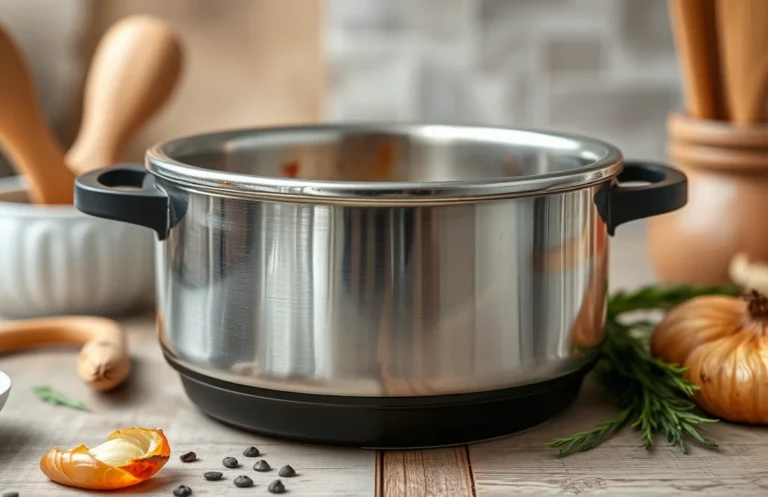
Ease of cleaning definitely matters. Non-stick surfaces simplify the cleanup process after boiling eggs, while removable inner pots make washing convenient. Consider rice cookers that are dishwasher-safe for added convenience, saving time and effort in maintaining your appliance.
Preparing Eggs for Cooking
Inspecting each egg is crucial before cooking. Look for any cracks or defects on the shell. Cracked eggs can leak during the cooking process, resulting in a messy rice cooker and uneven cooking. Discard any eggs that show signs of damage to ensure a successful hard boiling experience.
- Rinse your eggs in cold water. This removes any dirt or bacteria from the surface, promoting better hygiene. Use a soft cloth or sponge to gently wipe the shells if necessary.
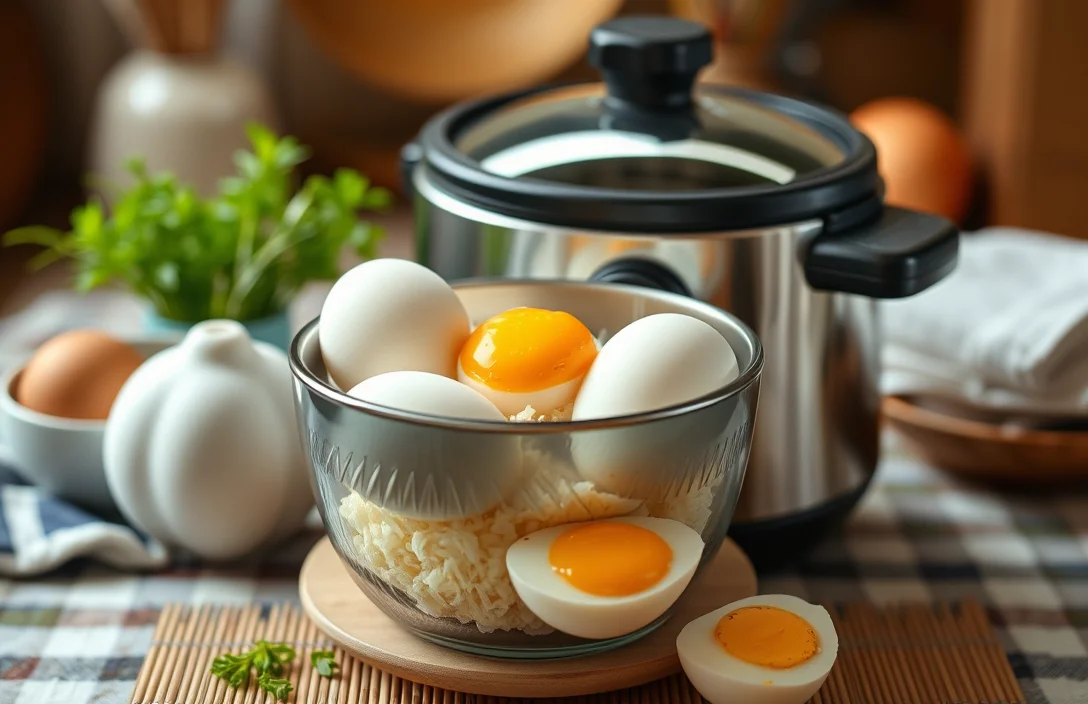
- Place eggs in a single layer inside the rice cooker. Avoid overcrowding, which can lead to uneven cooking. A single layer ensures that each egg receives proper heat and steam for optimal results.
- Allow eggs to reach room temperature. If the eggs have been stored in the refrigerator, let them sit out for about 30 minutes. This helps prevent cracking when they’re exposed to heat.
- Consider using a steamer basket if your rice cooker has one. This accessory elevates the eggs above the boiling water, allowing for even cooking and easy removal after boiling.
Water Requirements for Boiling
Filling the rice cooker with water is crucial for successful boiling. Use approximately 1 to 2 cups of water, depending on your specific model and the number of eggs. The water generates steam, which cooks the eggs evenly and effectively. Too little water can lead to undercooked eggs, while too much may cause overflow.
Measuring the water accurately ensures optimal results. If you’re boiling six to twelve eggs, start with 2 cups of water. For fewer eggs, 1 cup should suffice. Adjustments may be necessary based on your rice cooker’s capacity and design, so refer to the manual if unsure.
Monitoring the water level is essential while cooking. Ensure it does not evaporate completely, as this can damage the rice cooker and affect cooking efficiency. If you notice the water level decreasing, add more to maintain steam production.
Testing different water amounts can help you find the perfect balance for your preferences. Each rice cooker may behave slightly differently, so don’t hesitate to experiment a little to achieve your ideal hard-boiled egg texture. Enjoy your perfectly boiled eggs with this simple method.
Setting Cooking Time
Cooking time for hard-boiled eggs varies based on desired doneness. For perfect results using your rice cooker, follow these specific time guidelines. Adjusting cooking duration allows you to achieve soft, medium, or hard-boiled eggs tailored to your preference.
- Soft-boiled eggs require 6-7 minutes. This yields a creamy yolk and slightly runny center, ideal for dipping or serving with toast.
- Medium-boiled eggs take approximately 8-9 minutes. Expect a firmer yolk with a custard-like texture, suitable for salads or as a filling snack.
- Hard-boiled eggs need around 10-12 minutes. This ensures a fully cooked yolk with a crumbly texture, perfect for deviled eggs or egg salads.
Monitoring the cooking process is vital. Some rice cookers have an automatic shut-off feature, which may require you to adjust times slightly for consistent results. Experimenting with these time frames helps you find the optimal cooking duration for your specific rice cooker model.
Cooling and Peeling Eggs
Cooling hard-boiled eggs requires immediate action. Once the eggs finish cooking in the rice cooker, transfer them to a bowl filled with ice water. This step halts the cooking process, preventing overcooking and ensuring the yolks remain creamy and tender.
Chilling the eggs in ice water for about 5 to 10 minutes helps them cool quickly. This method not only makes peeling easier but also enhances the overall texture of the egg. The cold water creates a slight contraction in the egg white, separating it from the shell.
Peeling becomes straightforward after cooling. Gently tap the egg on a hard surface to crack the shell, then start peeling from the wider end where there’s typically an air pocket. This technique minimizes damage to the egg white, yielding a smooth and intact boiled egg.
Using running water while peeling can help remove stubborn bits of shell. As you peel, the water acts as a lubricant, making it easier to slide off any remaining shell fragments. This ensures a clean, presentable egg for your dishes.
Troubleshooting Cooking Issues
Overcooking eggs in a rice cooker can lead to a rubbery texture. Ensure you’re monitoring the cooking time closely and stop the cooker as soon as the timer goes off. If you prefer a specific doneness, perform a test run with a single egg to determine the optimal cooking duration for your taste.
Undercooked eggs may also occur if your rice cooker doesn’t reach the right temperature. Verify your appliance is functioning correctly and consider adjusting the water levels slightly for better steam distribution. Adding more water can create a more consistent cooking environment.
Peeling difficulties can arise when eggs stick to the shell. To mitigate this, older eggs are usually easier to peel than fresh ones. If you have fresh eggs, try steaming them for a couple of minutes before cooling, which can help separate the membrane from the shell.
Inconsistent results can happen due to varying rice cooker models. If you notice discrepancies in cooking times, keep notes on how long each batch takes. Adjust future cooking times based on your findings to achieve the desired results consistently.
Cleaning can be a hassle if egg residue sticks to the rice cooker. After cooking, soak the interior with warm, soapy water for easier removal. A gentle scrub with a non-abrasive sponge will help maintain the appliance without damaging the surface.
Quick Summary
- Yes, you can hard boil eggs in a rice cooker.
- Using a rice cooker is a convenient and efficient method for boiling eggs.
- Cooking times may vary based on the rice cooker model and the number of eggs.
- Typically, it takes about 12-15 minutes to achieve hard-boiled eggs.
- Adding water to the rice cooker is essential for steaming the eggs properly.
- Allow the eggs to cool in ice water after cooking for easier peeling.
- Experimenting with different settings can help you find your preferred doneness.
Frequently Asked Questions
Can you hard boil eggs in a rice cooker?
Yes, you can hard boil eggs in a rice cooker. Simply add water to the rice cooker, place the eggs in the steaming tray or directly in the water, and turn it on. The cooking time may vary, but it typically takes about 12-15 minutes for hard-boiled eggs.
How much water do I need to use?
The amount of water you need depends on your rice cooker and how many eggs you are boiling. A general guideline is to add about 1 to 2 cups of water for a standard batch of eggs, ensuring they are covered or sufficiently steamed.
What is the best setting for hard boiling eggs?
While most rice cookers have a basic ‘cook’ setting, some may have a steaming option. If available, using the steaming function can be more effective for hard boiling eggs, as it allows for even cooking and easier peeling.
Do I need to adjust the cooking time for different egg sizes?
Yes, cooking times may vary based on egg size. Larger eggs may require a few extra minutes to achieve the desired doneness, while smaller eggs may cook a bit faster. It’s best to experiment to find the perfect timing for your preferences.
How do I prevent the eggs from cracking during cooking?
To prevent cracking, you can bring the eggs to room temperature before cooking. Additionally, placing the eggs gently into the rice cooker and ensuring there is enough water can help minimize the risk of cracking during the cooking process.

- 8 Easy Slow Cooker Beef and Rice Recipes for Delicious Meals - March 29, 2026
- Slow Cooker Beef and Sausage Chili: 7 Steps to Flavorful Success - March 29, 2026
- Savory Beef Back Ribs in a Pressure Cooker: 7 Steps to Perfection - March 29, 2026