How to Cook a Turkey in a Pressure Cooker for Juicy Perfection
Cooking turkey in a pressure cooker can cut the usual cooking time by up to 70%, allowing you to serve a moist, flavorful bird in a fraction of the time. This method not only saves hours but also locks in flavor and nutrients effectively.
Yes, you can cook turkey in a pressure cooker. Key points include: cooking time varies based on size, typically 6-10 minutes per pound; ensure proper liquid levels for steam; and let it naturally release for optimal tenderness.
Choosing the Right Turkey
Size matters significantly when selecting a turkey for pressure cooking. Opt for a bird weighing between 10 to 14 pounds, as this range fits comfortably in most pressure cookers while ensuring even cooking. Larger turkeys may not cook thoroughly, risking food safety issues, while smaller ones can dry out quickly in this method.
Quality plays an essential role in flavor. Fresh, organic turkeys are often juicier and more flavorful than frozen ones. Seek out local farms or trusted brands that guarantee high-quality meat. Avoid turkeys injected with brines or additives, as they can alter the natural taste and cooking process.
Breeds can influence texture and taste. Heritage breeds typically offer richer flavors and better textures compared to conventional birds. If available, consider choosing a heritage turkey for an elevated meal experience. This choice can enhance the final dish and provide a more authentic taste.
Frozen turkeys require extra planning. If you decide on a frozen option, ensure you allow ample time for thawing in the refrigerator. This process can take several days, so factor that into your cooking timeline. Cooking a still-frozen turkey in a pressure cooker is not recommended for safety and texture reasons.
Preparing the Turkey for Cooking
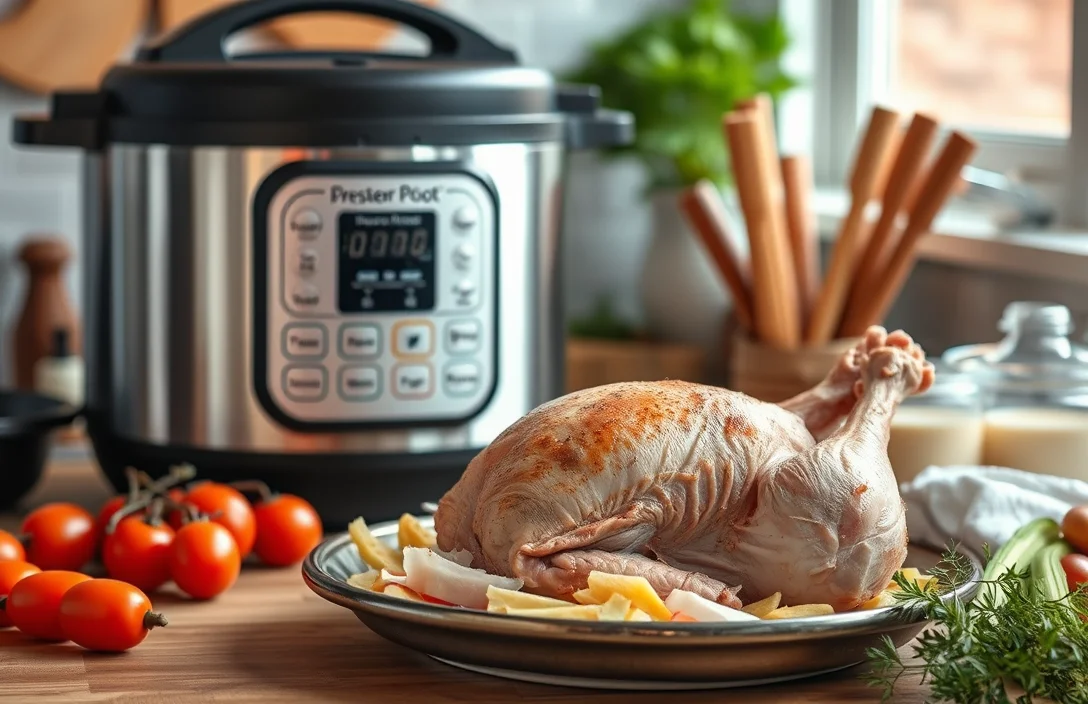
Cleaning and seasoning the turkey is crucial for a delicious meal. Begin by removing the turkey from its packaging, including any giblets or neck found in the cavity. Rinse the turkey under cold water, ensuring to clean the inside and outside thoroughly. Pat it dry with paper towels to help the seasoning adhere better.
- Remove any plastic ties or clips from the turkey’s legs.
- Inspect the turkey for any remaining feathers or quills, pulling them out if necessary.
- Season the turkey generously with salt, pepper, and your favorite herbs. Common options include thyme, rosemary, and sage, which enhance the flavor.
- Rub olive oil or softened butter over the turkey to help the skin crisp up during cooking.
- Stuff the cavity with aromatics such as garlic cloves, onion, or citrus fruits to infuse additional flavor.
Completing these steps ensures the turkey is well-prepared, setting the stage for a successful cooking process. Properly prepping the turkey enhances its flavor and texture, contributing to an enjoyable meal experience.
Pressure Cooker Settings Explained
Cooking turkey in a pressure cooker requires specific settings for optimal results. First, select the appropriate pressure level. Most models offer high and low pressure options, with high pressure being ideal for turkey. This setting allows the meat to cook quickly while retaining moisture.
Next, determine the cooking time based on the turkey’s weight. Generally, cook for approximately 6 to 8 minutes per pound at high pressure. For instance, a 10-pound turkey may take around 60 to 80 minutes. Adjust the time slightly for bone-in versus boneless options.
Monitoring the release method is crucial. Choose between natural release and quick release. Natural release allows the pressure to decrease gradually, helping the meat remain tender. Quick release can be used but may result in slightly drier meat. Always follow the manufacturer’s guidelines for best practices.
Lastly, ensure to check the internal temperature. The USDA recommends reaching a minimum of 165°F (74°C) for safe consumption. Using a meat thermometer will help confirm doneness without compromising the turkey’s juiciness.
Adding Flavor with Ingredients
Seasoning turkey effectively enhances its flavor profile. Start with classic herbs such as rosemary, thyme, and sage to bring out the bird’s natural taste. Using fresh herbs delivers a more vibrant flavor compared to dried varieties. Combine these with garlic and onion powder for depth.
Liquids play a crucial role in flavor infusion. Broths, particularly chicken or turkey broth, serve as excellent bases for added moisture. Incorporating apple cider or white wine can introduce a subtle sweetness and acidity that balances flavors. Consider adding a splash of soy sauce for umami richness.
Spices elevate the dish significantly. Paprika adds a hint of smokiness while black pepper enhances the overall seasoning profile. For a touch of heat, sprinkle in cayenne or chili powder. A blend of these spices creates a well-rounded taste that complements the turkey when pressure cooking.
Brining the turkey ahead of time is another effective strategy. A simple saltwater brine can help retain moisture during cooking. For added flavor, include sugar and herbs in the brine solution. This process ensures that every bite of turkey is juicy and full of flavor.
Cooking Time and Temperature
Cooking time directly influences turkey texture. For pressure cooking, a general rule is to cook turkey for 6 to 8 minutes per pound. This method ensures meat remains tender, while the time allows flavors to meld perfectly. Always consider the size of the turkey as larger birds may require additional cooking time.
Achieving the ideal temperature is crucial. Set your pressure cooker to high pressure to ensure even cooking. Once the turkey reaches an internal temperature of 165°F (75°C), it is safe to consume. A meat thermometer is essential for accurately measuring the internal temperature.
Adjustments may be necessary based on turkey weight. For instance, a 10-pound turkey typically cooks in 60 to 80 minutes. If your turkey is stuffed, increase the cooking duration by about 10 to 15 minutes to ensure thorough heating throughout.
Allow for natural pressure release. After cooking, wait for about 15 minutes to let the pressure drop naturally. This step preserves moisture and enhances flavor, resulting in a juicy turkey that is perfectly cooked throughout.
Releasing Pressure Safely
Allowing steam to escape properly is crucial after cooking. Two main methods exist for releasing pressure: natural release and quick release. Natural release involves letting the pressure decrease on its own, which can take 10–30 minutes. Quick release, on the other hand, requires manually opening the steam valve to release pressure instantly. Both methods impact the turkey’s texture and juiciness.
Natural release is often recommended for larger cuts of meat, like turkey. This method helps retain moisture, allowing the juices to redistribute throughout the meat. Simply turn off the cooker and wait without touching the steam valve. Once the pressure indicator drops, it’s safe to open the lid.
Quick release provides immediate access to your cooked turkey. To use this method, carefully turn the steam valve to the open position while keeping hands and face away from the steam. Expect a loud hissing sound as steam escapes. Once the pressure is released and the indicator drops, you can open the cooker and serve.
Safety is paramount when releasing pressure. Always follow manufacturer instructions specific to your pressure cooker model. Ensure that the pressure is fully released before attempting to open the lid, preventing any potential burns or injuries. By mastering these methods, you can enjoy perfectly cooked turkey without any mishaps.
Serving and Storing Leftovers
Serving turkey requires attention to detail. Slice the turkey into manageable pieces for easy serving. Arrange the slices on a platter, garnished with fresh herbs or sides for an appealing presentation. Providing a variety of sauces, such as gravy or cranberry sauce, enhances flavor and offers guests options to enjoy their meal in different ways.
- Store leftovers promptly in the fridge. After serving, allow the turkey to cool for no more than two hours before placing it in an airtight container. Proper storage helps maintain freshness and prevents bacterial growth.
- Label containers with dates. Use masking tape or stickers to write the date on each container. This practice ensures that you consume leftovers while they are still safe to eat, typically within three to four days.
- Reheat turkey properly before serving. Microwave or oven reheating is best; ensure the internal temperature reaches 165°F (74°C) to eliminate any bacteria. Keeping the turkey moist during reheating can enhance the dining experience.
- Freeze any remaining turkey if necessary. If you have more than you can consume, freezing is an effective way to preserve leftovers. Wrap portions tightly in plastic wrap, then place in a freezer-safe bag, making sure to remove excess air.
Storing turkey correctly ensures it remains delicious and safe for future meals. Following these tips will help you serve and enjoy your pressure-cooked turkey long after the main meal.
Quick Summary
- Cooking turkey in a pressure cooker significantly reduces cooking time compared to traditional methods.
- The pressure cooker helps retain moisture, resulting in a tender and juicy turkey.
- It is essential to use a trivet or rack to keep the turkey elevated above the liquid for even cooking.
- Seasoning and marinating the turkey beforehand enhances its flavor during cooking.
- Cooking times vary based on the size of the turkey; generally, it takes about 6-8 minutes per pound.
- Ensure proper natural release time post-cooking for the best results and safety.
- Always check the internal temperature (165°F) to ensure the turkey is fully cooked.
Frequently Asked Questions
Can you cook turkey in a pressure cooker?
Yes, you can cook turkey in a pressure cooker. It’s a great way to achieve tender, juicy meat in a fraction of the time it takes to roast in an oven.
How long does it take to cook a turkey in a pressure cooker?
The cooking time can vary based on the size of the turkey. Generally, a whole turkey can take about 6 to 8 minutes per pound at high pressure, plus time for natural pressure release.
Do I need to add liquid when cooking turkey in a pressure cooker?
Yes, you need to add liquid to create steam for the pressure cooker to work effectively. Typically, 1 to 2 cups of broth or water is sufficient to keep the turkey moist and flavorful.
Can I cook a frozen turkey in a pressure cooker?
Cooking a frozen turkey in a pressure cooker is possible, but it will take longer than cooking a thawed turkey. It’s recommended to allow the turkey to partially thaw or to cook it in pieces for more even results.
What are some tips for seasoning turkey in a pressure cooker?
Season the turkey before cooking for enhanced flavor. You can use a dry rub or a marinade and make sure to season under the skin for better penetration. Adding herbs and spices to the cooking liquid also helps infuse flavor.

- 8 Easy Slow Cooker Beef and Rice Recipes for Delicious Meals - March 29, 2026
- Slow Cooker Beef and Sausage Chili: 7 Steps to Flavorful Success - March 29, 2026
- Savory Beef Back Ribs in a Pressure Cooker: 7 Steps to Perfection - March 29, 2026