How to Cook Turkey in a Pressure Cooker for Tender Results
Seventy percent of home cooks report that cooking turkey in a pressure cooker yields faster results with moist, tender meat. This method can cut cooking time in half compared to traditional roasting, making it an efficient choice for holidays and family gatherings.
Cooking turkey in a pressure cooker is not only efficient but also flavorful and safe. By following simple steps, you can achieve perfectly cooked turkey, rich in taste and tenderness, while ensuring a stress-free cooking experience.
Is Turkey Safe in a Pressure Cooker?
Cooking turkey in a pressure cooker is safe when following proper guidelines. Ensure the bird is fully thawed before cooking, as frozen turkey can cause uneven cooking and safety risks. Using a pressure cooker requires attention to detail, so familiarize yourself with your specific model’s safety features, including the locking lid and pressure release mechanisms.
Keeping the turkey at a safe temperature is crucial. Cook it to a minimum internal temperature of 165°F (74°C) to eliminate harmful bacteria. Utilize a meat thermometer for accuracy, inserting it into the thickest part of the turkey without touching bone. Achieving this temperature ensures that your meal is both delicious and safe to eat.
Maintaining proper pressure is essential. Monitor the pressure gauge and adjust the heat as necessary to prevent overcooking or undercooking. Be cautious when releasing steam; always use a long utensil or a towel to protect your hands from the hot steam. Following these steps will set you up for success in cooking turkey safely in your pressure cooker.
Choosing the Right Pressure Cooker
Size matters significantly when preparing turkey. A 6-quart pressure cooker is typically suitable for smaller turkeys, while larger models, such as 8-quart versions, can accommodate bigger birds. Make sure your cooker can hold a turkey that’s at least 10-12 pounds, factoring in additional space for liquid and pressure build-up.
Material influences cooking performance. Stainless steel options are durable and non-reactive, ensuring even heat distribution. Non-stick surfaces may simplify cleanup but can wear over time. Opt for a sturdy construction that can withstand high pressure while cooking your turkey evenly.
Features enhance efficiency in cooking. Look for models with programmable settings, allowing precise control over cooking times and pressure levels. Safety features, like locking lids and pressure indicators, prevent accidents. These attributes instill confidence, especially for beginners experimenting with pressure cookers for the first time.
Compatibility with stovetops or induction cookers matters as well. Some pressure cookers are designed for electric use only, while others can be used on traditional stovetops. Choose one that fits your kitchen setup to maximize versatility and convenience.
Preparing Turkey for Pressure Cooking
Begin by selecting a turkey that fits your pressure cooker. A smaller turkey, ideally between 8-12 pounds, ensures even cooking and tenderness. Avoid larger birds, as they may not fit or cook evenly in this appliance. Once you have the right size, prepare it for cooking.
- Remove the turkey from its packaging. Check the cavity for any giblets or neck parts and discard them or set aside if you plan to use them for broth.
- Rinse the turkey under cold water to remove any residual blood or contaminants. Pat it dry with paper towels to ensure a good sear if you choose to brown it first.
- Trim any excess fat from the turkey to prevent greasy results. Less fat means a cleaner flavor and better texture after cooking.
- Season the turkey generously. Use a blend of herbs, spices, and salt to enhance the flavor. Consider rubbing the seasoning under the skin for deeper penetration.
- Cut slits in the skin and flesh if desired, allowing the seasoning to infuse. This technique helps flavor every bite and ensures even cooking throughout.
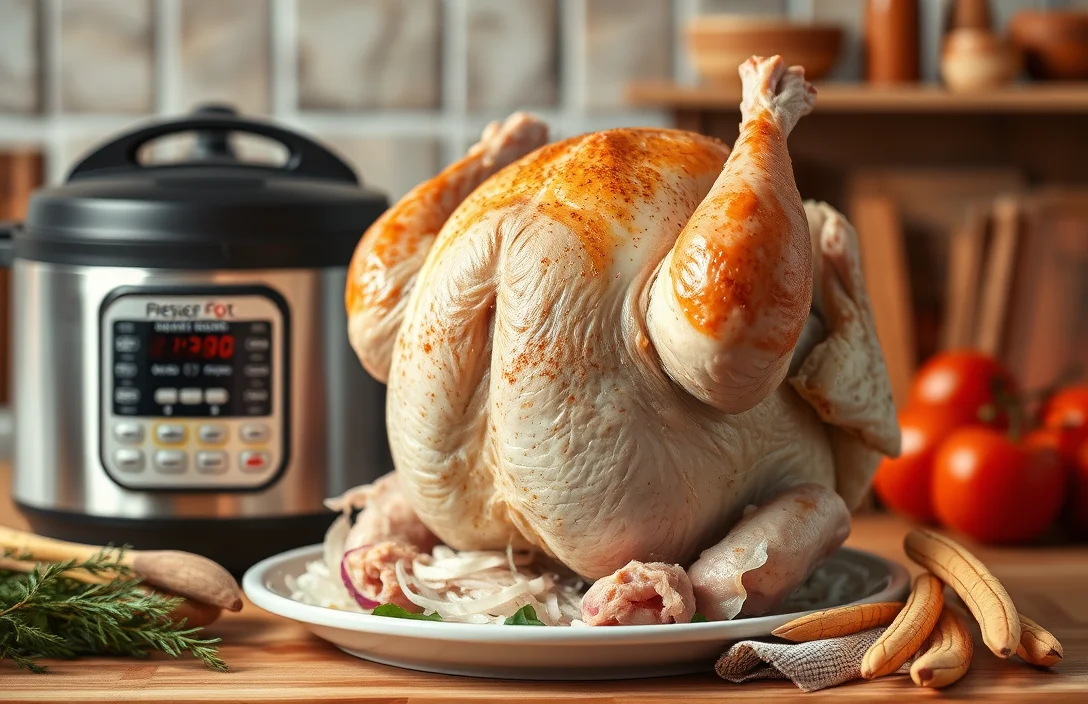
- Place the turkey in the pressure cooker carefully. Ensure it sits on the rack to allow steam to circulate underneath for even cooking.
Adding Flavor and Moisture
Enhancing flavor and moisture is essential when preparing turkey in a pressure cooker. Start by seasoning the turkey generously with salt and spices. A good mix includes garlic powder, onion powder, black pepper, and thyme. Allow the turkey to marinate for at least an hour, or even overnight, to infuse the flavors deeply into the meat.
Next, using broth or stock is crucial. Pour in enough chicken or vegetable broth to cover the bottom of the pot but not submerge the turkey. This liquid creates steam, which not only keeps the turkey moist but also enhances its flavor. Avoid water, as it lacks the richness of broth.
Adding aromatics can boost flavor significantly. Consider tossing in chopped onions, garlic cloves, and herbs like rosemary or sage around the turkey before sealing the pressure cooker. These ingredients release their essential oils during cooking, further enhancing the taste of the turkey.
Lastly, consider a quick marinade or brine. A mixture of apple cider vinegar, olive oil, and your favorite spices can work wonders. Letting the turkey soak in this mixture for a few hours ensures it absorbs moisture and flavor, leading to a deliciously tender result when cooked.
Natural vs. Quick Release Methods
Natural release requires patience. After cooking your turkey, allow the pressure cooker to sit undisturbed until the pressure naturally decreases. This method can take about 10 to 15 minutes. Natural release allows for more even cooking and helps keep the turkey tender and juicy, as it continues to cook slightly from residual heat.
Quick release offers immediacy. To use this method, carefully turn the pressure release valve to release steam quickly once the cooking time is complete. While this method saves time, it may cause the turkey to dry out if not monitored closely. Be cautious, as hot steam can escape rapidly and pose a safety risk.
Choosing the right release method matters. If your turkey is large or bone-in, natural release is often preferred for optimal tenderness. For smaller cuts or when you’re short on time, quick release can work well, but always check for doneness afterward to ensure thorough cooking.
Monitoring doneness is crucial. Regardless of the release method, always use a meat thermometer to check that the thickest part of the turkey reaches at least 165°F (75°C). This ensures safety and juiciness, making your pressure-cooked turkey both delicious and safe to eat.
Troubleshooting Common Issues
Cooking turkey in a pressure cooker can sometimes lead to unexpected results. If your turkey is not cooking evenly, consider rearranging it in the pot. Ensure that the turkey is properly trussed, allowing hot steam to circulate around every part. Avoid overpacking the cooker, as this can hinder cooking efficiency.
Monitoring pressure levels is crucial. If the pressure cooker doesn’t reach the correct pressure, check the sealing ring and ensure it’s properly seated. A faulty seal can prevent the cooker from functioning correctly, leading to undercooked turkey. Regularly inspect the ring for wear and tear, replacing it if necessary.
Adjusting cooking time is essential for different turkey sizes. If your turkey is larger than average, increase the cooking time by about 5-10 minutes for every pound over the standard size. Always use a meat thermometer to verify doneness, aiming for an internal temperature of 165°F in the thickest part of the turkey.
Using the right amount of liquid can prevent burning. Ensure you add enough broth or water to create steam, which is vital for cooking. The general rule is to include at least one cup of liquid, but more may be needed for larger birds or if you’re cooking with additional ingredients.
Finishing touches can elevate flavor. If you want crispy skin, consider broiling the turkey for a few minutes after pressure cooking. This technique allows the skin to brown and become crispy, creating a more appealing dish for your gathering.
Quick Summary
- Cooking turkey in a pressure cooker significantly reduces cooking time compared to traditional methods.
- Pressure cooking helps retain moisture, resulting in tender and juicy turkey.
- It is essential to properly season the turkey and add liquid to the pressure cooker for optimal flavor.
- Cook times vary based on the size of the turkey; a general guideline is about 6-8 minutes per pound.
- Always ensure the turkey reaches an internal temperature of 165°F (75°C) for food safety.
- Using a trivet or rack can help prevent the turkey from sitting in excess liquid during cooking.
- Let the pressure release naturally for best results, and consider browning the turkey before cooking for added flavor.
Frequently Asked Questions
Can you really cook a turkey in a pressure cooker?
Yes, you can cook a turkey in a pressure cooker! It’s a great way to prepare a moist and tender turkey in a fraction of the time it would take using traditional methods. Just ensure you follow a reliable recipe for best results.
How long does it take to cook a turkey in a pressure cooker?
The cooking time depends on the size of the turkey but generally ranges from 6 to 10 minutes per pound. For a whole turkey, it usually takes about 30 to 60 minutes under high pressure, plus time for the pressure to build and release.
Should I add liquid when cooking turkey in a pressure cooker?
Yes, you should always add liquid to a pressure cooker to create steam. Typically, about 1 to 2 cups of broth or water is sufficient to keep the turkey moist and help it cook evenly.
Can you cook a frozen turkey in a pressure cooker?
Cooking a frozen turkey in a pressure cooker is possible, but it requires careful timing and may not yield the best flavor and texture. It’s recommended to thaw the turkey completely for more even cooking and better seasoning absorption.
What are some tips for seasoning a turkey in a pressure cooker?
To maximize flavor, season the turkey generously with herbs, spices, and even a marinade before cooking. Consider adding aromatics like garlic, onion, and citrus to the cooker, as they enhance the overall taste during the pressure cooking process.

- 8 Easy Slow Cooker Beef and Rice Recipes for Delicious Meals - March 29, 2026
- Slow Cooker Beef and Sausage Chili: 7 Steps to Flavorful Success - March 29, 2026
- Savory Beef Back Ribs in a Pressure Cooker: 7 Steps to Perfection - March 29, 2026