How to Cook Sticky Rice in a Rice Cooker: Tips for Perfect Results
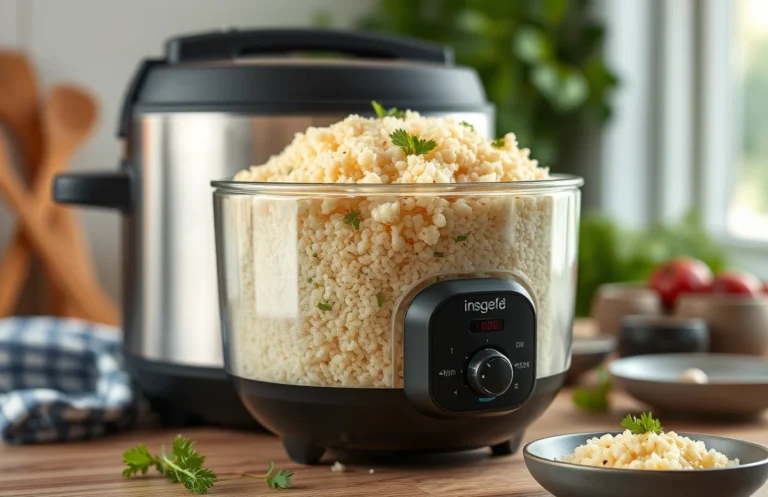
Sticky rice, also known as glutinous rice, absorbs water differently than regular rice, making it a culinary challenge. Surprisingly, you can cook sticky rice in a rice cooker, but not all models handle it the same way. The right technique ensures perfect results.
Cooking sticky rice in a rice cooker requires soaking the rice for at least 6-8 hours, followed by a steaming method instead of traditional boiling. Ensure your rice cooker has a steamer attachment for best results.
Choosing the Right Rice
Sticky rice, also known as glutinous rice, requires specific types for optimal results. Select short-grain varieties like Thai sticky rice or sweet rice, which contain higher amylopectin levels. These varieties create the desired sticky texture essential for many Asian dishes. Avoid long-grain rices, as they lack the necessary starch composition and will not yield the same sticky consistency.
Glutinous rice is typically sold in Asian grocery stores labeled as “sweet rice” or “mochi rice.” Ensure the rice is labeled correctly, as this guarantees its suitability for sticky rice recipes. Quality is crucial; purchase from reputable brands for the best flavor and texture. Cooking with inferior rice can result in disappointing outcomes.
Cooking sticky rice in a rice cooker is possible, but ensure your appliance has a steam basket or a setting appropriate for this type of rice. Proper selection of the rice variety lays the foundation for achieving the perfect texture, making the cooking process much easier and more successful. Invest time in choosing the right rice to enjoy delicious sticky rice dishes.
Soaking the Rice
Soaking sticky rice is essential for achieving the desired texture. This process hydrates the grains, allowing them to cook evenly and maintain their stickiness. Without soaking, rice may turn out hard and dry, making it difficult to achieve that perfect sticky consistency.
Begin by rinsing the rice thoroughly under cold water to remove excess starch. After rinsing, place the rice in a bowl and cover it with water, ensuring the grains are fully submerged. Soaking for at least 4 to 6 hours is recommended, but overnight is ideal for optimal results.
Draining the rice after soaking is crucial. Once the soaking period is complete, drain the water using a fine-mesh strainer. This step prevents excess moisture from affecting the cooking process in the rice cooker, ensuring the grains cook properly.
Timing plays a vital role in the soaking process. If you are short on time, a minimum of 30 minutes can suffice, but keep in mind that a longer soak improves the texture. Properly soaked rice will result in a stickier and more cohesive finished product.
Rice Cooker Settings
Sticky rice requires specific settings for optimal cooking results. Most rice cookers come with a dedicated setting for steaming or cooking glutinous rice. If your model has this feature, select it for the best outcome. If not, choose the white rice setting, as it provides enough heat and moisture for sticky rice to cook properly.
Temperature control influences the final texture. Sticky rice benefits from a longer cooking time at a lower temperature, allowing the grains to absorb moisture without becoming mushy. If your cooker allows you to adjust the cooking time, set it to 30-40 minutes to ensure thorough cooking.
Monitoring the cooking process can be beneficial. If your rice cooker has a timer or setting indicator, watch for the transition from cooking to warming mode. At this point, let the rice sit in the cooker for an extra 10-15 minutes. This resting period allows the moisture to distribute evenly, enhancing the sticky texture.
Consult your rice cooker’s manual for model-specific recommendations. Different brands may have variations in settings and optimal cooking times. Following these guidelines ensures you can cook sticky rice in a rice cooker effectively, achieving perfect results every time.
Water-to-Rice Ratio
Sticky rice requires a specific water-to-rice ratio for optimal cooking results. The recommended ratio is typically 1.5 cups of water for every cup of sticky rice. Adjusting this ratio slightly may be necessary based on your rice cooker model and personal texture preferences.
Experimentation can help you achieve the perfect consistency. If your rice is too dry, add a little more water next time. Conversely, if it’s too wet, reduce the water slightly. Testing different ratios will lead you to the ideal outcome.
Measurement accuracy is crucial in achieving the right texture. Use a measuring cup for both rice and water to ensure consistency. Avoid using random kitchen containers, as those may lead to varying results and affect your cooking process.
Quality of the rice also plays a significant role. Opt for high-quality sticky rice, as this can absorb water better and yield a stickier texture. Short-grain rice varieties are typically the best choice for achieving the desired stickiness.
Cooking Time Considerations
Cooking sticky rice in a rice cooker typically requires about 30 to 45 minutes, depending on the amount and type of rice used. Always assess the specific model of your rice cooker, as some models may vary in cooking times. For best results, monitor the cooking progress during the initial attempts.
- Start with the recommended time of 30 minutes for smaller quantities, around 1 to 2 cups. Adjust based on your cooker’s capabilities.
- Check the rice after 30 minutes. If it appears undercooked, add an additional 5 to 10 minutes of cooking time.
- For larger quantities, such as 3 to 4 cups, increase the time to approximately 45 minutes. This ensures even cooking throughout.
- Consider the soaking time of the rice. Properly soaked sticky rice may require less cooking time, so factor this into your overall timing.
- After cooking, allow the rice to rest in the cooker for an additional 10 minutes. This helps achieve the desired texture and stickiness.
Fluffing and Serving
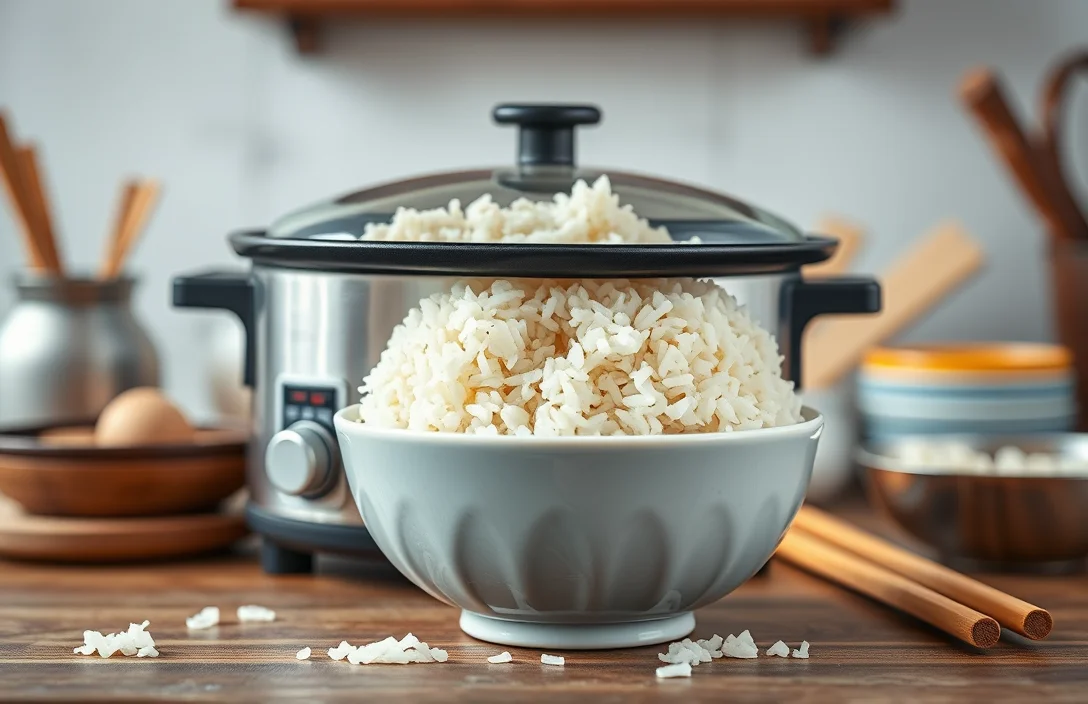
Fluffing sticky rice enhances its texture and prevents clumping. After cooking, allow the rice to sit for about 10 minutes in the rice cooker, keeping the lid closed. This resting period helps the moisture redistribute evenly throughout the rice, resulting in a more desirable consistency.
- Use a bamboo rice paddle or wooden spoon to gently fluff the rice. Start from the bottom and lift the rice up, breaking up any clumps without squishing the grains.
- Transfer the fluffed rice to a serving dish. Make sure to keep the rice warm by covering it with a clean kitchen towel or lid until ready to serve.
- Pair sticky rice with your favorite dishes. It complements savory meals, sweet treats, or can be enjoyed with fruits. Explore various pairings to find your favorites.
- Serve portions based on your guests’ preferences. Sticky rice can be molded into shapes or served in small bowls, making it visually appealing.
Enjoying sticky rice at its best means serving it immediately after fluffing. Freshly fluffed rice retains its ideal texture, allowing you to savor the unique taste and experience it brings to your meal.
Troubleshooting Tips
Sticky rice may sometimes turn out unevenly cooked. Adjusting water levels can often resolve this issue. If the rice is too dry, add a small amount of water and cook for a few more minutes. Conversely, if it’s too wet, let it sit uncovered for a few minutes to absorb excess moisture.
Clumping can occur during cooking. Stirring the rice gently a few times during the cooking process can help prevent clumping. Use a wooden spoon to avoid damaging the rice while ensuring even cooking.
Burning at the bottom is another common problem. Using a rice cooker with a non-stick interior can help mitigate this issue. Additionally, soaking the rice longer before cooking can create a more even texture and reduce the chance of burning.
Overcooking can lead to mushy rice. Set a timer to avoid leaving it in the cooker for too long. Checking the rice periodically during the cooking cycle can help ensure it reaches the desired texture.
Lastly, flavoring issues can arise. Consider adding a pinch of salt or soaking the rice in coconut milk for extra flavor. Experimenting with different seasonings can enhance the overall taste of your final dish.
Quick Summary
- Sticky rice can be successfully cooked in a rice cooker with the right techniques.
- Soaking the rice for several hours or overnight improves texture and stickiness.
- Use a specific ratio of water to rice, typically 1:1 for sticky rice.
- Some rice cookers have a specific setting for sticky or glutinous rice.
- Steaming sticky rice in a bamboo basket can enhance flavor, but a rice cooker is convenient.
- Allow the rice to rest after cooking for better consistency and stickiness.
- Experiment with different rice cookers as performance may vary between models.
Frequently Asked Questions
Can you cook sticky rice in a rice cooker?
Yes, you can cook sticky rice in a rice cooker, but you may need to adjust the water-to-rice ratio. It’s best to soak the rice for several hours prior to cooking to achieve the desired texture.
What type of rice should I use for sticky rice?
For sticky rice, also known as glutinous rice or sweet rice, you should use short-grain or medium-grain varieties. These types have a higher starch content, which gives sticky rice its unique texture.
How long should I soak sticky rice before cooking?
It’s recommended to soak sticky rice for at least 4 to 6 hours or overnight for the best results. Soaking helps to soften the grains and ensures even cooking in the rice cooker.
What is the ideal water ratio for sticky rice in a rice cooker?
The ideal water ratio for sticky rice is typically 1:1.25 or 1:1.5, depending on your rice cooker. Start with a little less water than you would use for regular rice, as sticky rice requires less moisture.
Can I flavor sticky rice while cooking it in a rice cooker?
Yes, you can add flavorings such as coconut milk, salt, or sugar to the rice cooker while cooking sticky rice. Just be sure to adjust the water ratio accordingly to maintain the right consistency.

- 8 Easy Slow Cooker Beef and Rice Recipes for Delicious Meals - March 29, 2026
- Slow Cooker Beef and Sausage Chili: 7 Steps to Flavorful Success - March 29, 2026
- Savory Beef Back Ribs in a Pressure Cooker: 7 Steps to Perfection - March 29, 2026