How to Cook Steak in a Pressure Cooker for Perfect Results
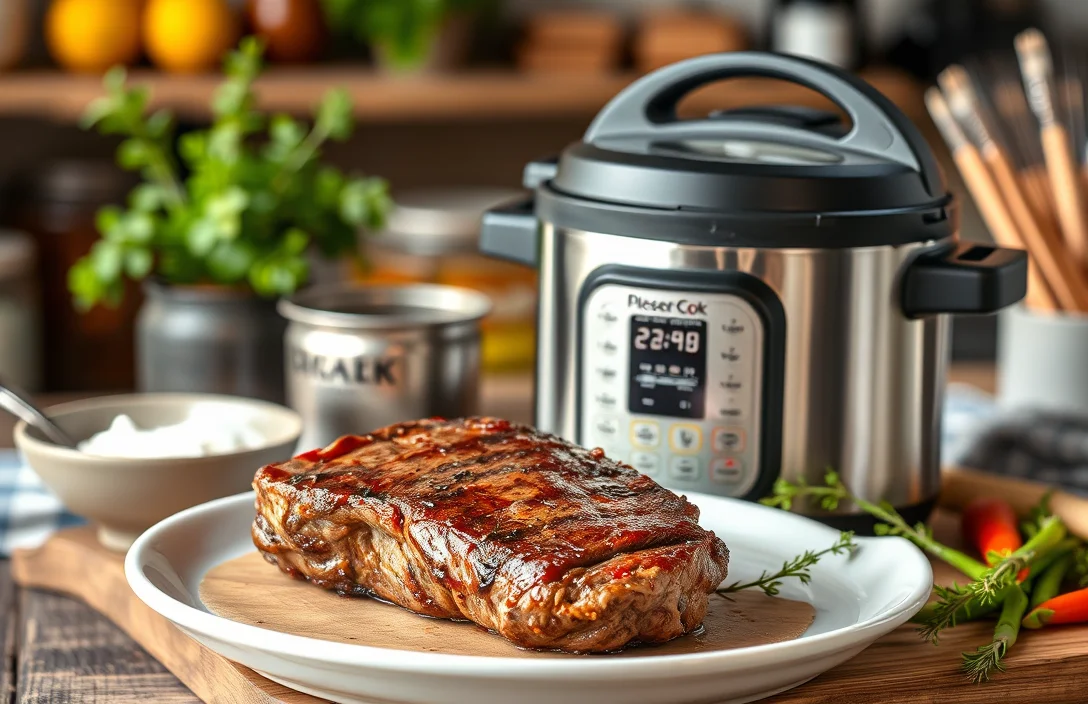
Cooking steak in a pressure cooker can reduce the cooking time by up to 70%, transforming tough cuts into tender meals in under an hour. This method not only saves time but also infuses flavors deeply, making it an appealing option for busy cooks.
Yes, you can cook steak in a pressure cooker. This method is ideal for tough cuts, resulting in tender, juicy meat. Key benefits include rapid cooking, enhanced flavor infusion, and easy clean-up. Follow specific techniques for best results.
Choosing the Right Cut
Ribeye steaks are ideal for pressure cooking due to their marbling and rich flavor. The fat content helps keep the meat juicy and tender during the cooking process. Look for cuts with good marbling, as they break down beautifully under pressure.
Brisket also works exceptionally well in a pressure cooker. This cut benefits from the moist heat, becoming fork-tender and full of flavor. Opt for well-trimmed brisket to ensure the best results.
Chuck roast is another excellent choice, providing a combination of flavor and tenderness. After pressure cooking, this cut becomes incredibly soft, making it perfect for shredding or serving in dishes like tacos.
Flank steak can be used, though it requires careful attention. While it cooks quickly, overcooking can lead to toughness. Consider slicing it against the grain after cooking for optimal tenderness.
Sirloin steak can also be considered, but ensure it is cooked to the right temperature. This cut is leaner and may not be as forgiving as fattier options, so monitor cooking times closely.
Seasoning Techniques
Seasoning enhances the natural flavors of steak, making it essential before cooking. Start by using kosher salt or sea salt, as these types dissolve well and penetrate the meat effectively. Apply the salt generously on both sides of the steak. Aim for at least 1 teaspoon per pound of meat for optimal flavor.
- Choose spices for additional flavor. Black pepper is a classic choice, but consider garlic powder, onion powder, or smoked paprika for different taste profiles. Combine them with salt to create a balanced seasoning blend.
- Rub the spice mixture onto the steak. Ensure even coverage by massaging the mixture into the meat. This process helps the flavors meld into the steak during cooking, enhancing its overall taste.
- Let the steak rest briefly. After seasoning, allow it to sit for 30 minutes at room temperature. This rest period helps the salt absorb into the meat, improving both texture and flavor.
- Consider marinating for deeper flavor. A marinade with acidic components like vinegar or citrus juice can tenderize the meat and infuse additional flavors. Marinate for at least an hour, or overnight for the best results.
Applying these seasoning techniques ensures that your steak is flavorful and delicious, setting the stage for excellent results when cooking with a pressure cooker.
Pressure Cooking Time
Cooking times for various steak types differ significantly. Generally, tougher cuts like chuck or brisket require longer cooking periods, while more tender cuts such as ribeye or filet mignon cook faster. For optimal results, set the cooking time based on the cut and desired doneness level.
Ribeye steaks should be cooked for about 10 minutes at high pressure to achieve medium-rare. For those preferring medium, extend the time to 12 minutes. Filet mignon cooks in approximately 8-10 minutes, depending on thickness. Aim for 10 minutes for medium-rare.
New York strip steaks benefit from a cooking time of 9-11 minutes for medium-rare. Chuck roast, being tougher, requires a longer duration of 60-70 minutes. Adjusting the time for thickness is crucial; thicker cuts may need an additional 5 minutes.
Always consider the pressure release method after cooking. Natural release is recommended to avoid toughening the meat. With proper timing and pressure adjustments, perfect steak results can be achieved in a pressure cooker.
Pressure Release Methods
Releasing pressure safely is crucial after cooking. There are two primary methods: natural release and quick release. Each method affects the meat differently and ensures safety while handling the cooker. Follow these steps to execute either method effectively.
- Natural release allows pressure to drop on its own. Simply turn off the heat and let the cooker sit for 10-15 minutes. This gradual reduction helps retain moisture in the steak.
- Quick release involves manually releasing pressure. Carefully turn the steam valve to the venting position, allowing steam to escape rapidly. Use a long utensil to avoid burns from the steam.
- Monitor the steam release. Ensure you stand clear of the steam path to prevent injuries. Wait for the float valve to drop, indicating that pressure has fully released.
- Open the lid carefully. Tilt the lid away from you to avoid steam exposure. Inspect the steak for tenderness and moisture before serving.
Assessing the cooking process post-pressure release is vital. Properly executed methods enhance the overall outcome, ensuring delicious results while using this cooking technique.
Achieving Desired Doneness
Measuring steak doneness accurately ensures perfect results. Using a meat thermometer is the most reliable method. Insert the thermometer into the thickest part of the steak without touching bone or fat. Here are the ideal temperature ranges for various doneness levels:
- Rare: 120-125°F (49-52°C) – Cool red center.
- Medium Rare: 130-135°F (54-57°C) – Warm red center.
- Medium: 140-145°F (60-63°C) – Pink center with warm juices.
- Medium Well: 150-155°F (65-68°C) – Slightly pink center.
- Well Done: 160°F (71°C) and above – Fully cooked, no pink.
Testing doneness visually can be helpful as well. Press the steak with your finger; a rare steak feels soft, while well-done feels firm. Each level of doneness has unique textures and flavors, so choose based on preference.
Allowing the steak to rest for at least five minutes after cooking enhances juiciness. Resting helps redistribute the juices, preventing them from spilling out when sliced. This practice is crucial for achieving the best flavor and texture.
Enhancing Flavor with Sauces
Flavor enhancement significantly improves your steak’s taste. After cooking, consider drizzling sauces like chimichurri or balsamic reduction over the meat. These sauces not only complement the beef’s natural juices but also add depth and complexity to each bite. Simple sauces can elevate a plain dish into an extraordinary culinary experience.
Experimenting with marinades before cooking also contributes to enhanced flavor. Combine ingredients such as soy sauce, garlic, and honey for a sweet and savory blend. Allow the steak to marinate for at least 30 minutes, or up to overnight, to absorb the flavors fully. This preparation step ensures your steak is infused with taste throughout.
Serving sauces on the side allows for personalization. Guests can choose how much sauce to add, adjusting the flavor to their liking. Consider offering a selection, such as BBQ sauce, peppercorn sauce, or a creamy garlic sauce. This approach accommodates different palates and enhances the overall dining experience.
Finishing touches can also include compound butters. Combine softened butter with herbs, spices, or even blue cheese, then place a dollop on top of the hot steak before serving. As the butter melts, it creates a rich sauce that enhances the steak’s flavor profile beautifully. Creativity with sauces can turn an ordinary steak meal into something remarkable.
Post-Cooking Techniques
Searing the steak offers a rich flavor and appealing crust. After pressure cooking, remove the meat and heat a cast-iron skillet or grill to high. Add a small amount of oil, and once shimmering, place the steak in the skillet for about 1-2 minutes on each side. This step enhances texture and visual appeal.
Resting the steak is crucial for juiciness. Allow it to sit on a cutting board for 5-10 minutes after searing. This rest period helps redistribute the juices, ensuring a tender bite. Cutting too soon may lead to dry meat, so patience pays off.
Finishing sauces can elevate the dish even more. Consider deglazing the skillet with red wine or broth after searing to create a flavorful sauce. Scrape up any browned bits for added depth. Serve this sauce over the steak for an impressive touch.
Garnishing with fresh herbs adds brightness. Chopped parsley, thyme, or rosemary can enhance flavor and presentation. Sprinkle these herbs on top just before serving for a visually appealing and aromatic finish.
Quick Summary
- Cooking steak in a pressure cooker is possible and can yield tender results.
- Pressure cooking significantly reduces the cooking time compared to traditional methods.
- It’s important to sear the steak before pressure cooking for added flavor.
- Use enough liquid in the pressure cooker to create steam but avoid overcooking the steak.
- Different cuts of steak may require varying cooking times to achieve desired doneness.
- Resting the steak after cooking is essential for improved texture and juiciness.
- Experiment with marinades and seasonings to enhance the steak’s flavor during the cooking process.
Frequently Asked Questions
Can you cook steak in a pressure cooker?
Yes, you can cook steak in a pressure cooker. It helps to tenderize the meat quickly while infusing it with flavor, making it a great option for tougher cuts like brisket or chuck.
How long does it take to cook steak in a pressure cooker?
The cooking time depends on the thickness of the steak and the cut. Generally, it takes about 10-15 minutes under high pressure for a medium-rare steak, but always refer to specific guidelines for best results.
Should I sear the steak before pressure cooking?
Searing the steak before pressure cooking can enhance the flavor and provide a richer color. It’s recommended to brown the meat in the pressure cooker using the sauté function, if available.
What liquid should I use when cooking steak in a pressure cooker?
You should use a flavorful liquid, such as beef broth, wine, or a marinade. This helps to create steam and adds moisture to the cooking process, contributing to a more flavorful steak.
Can I cook steak with vegetables in a pressure cooker?
Yes, you can cook steak with vegetables in a pressure cooker. Just be sure to cut the vegetables into uniform pieces and add them to the pot along with the steak and liquid for a complete meal.

- 8 Easy Slow Cooker Beef and Rice Recipes for Delicious Meals - March 29, 2026
- Slow Cooker Beef and Sausage Chili: 7 Steps to Flavorful Success - March 29, 2026
- Savory Beef Back Ribs in a Pressure Cooker: 7 Steps to Perfection - March 29, 2026