Cooking Sous Vide in a Slow Cooker: Can It Be Done?
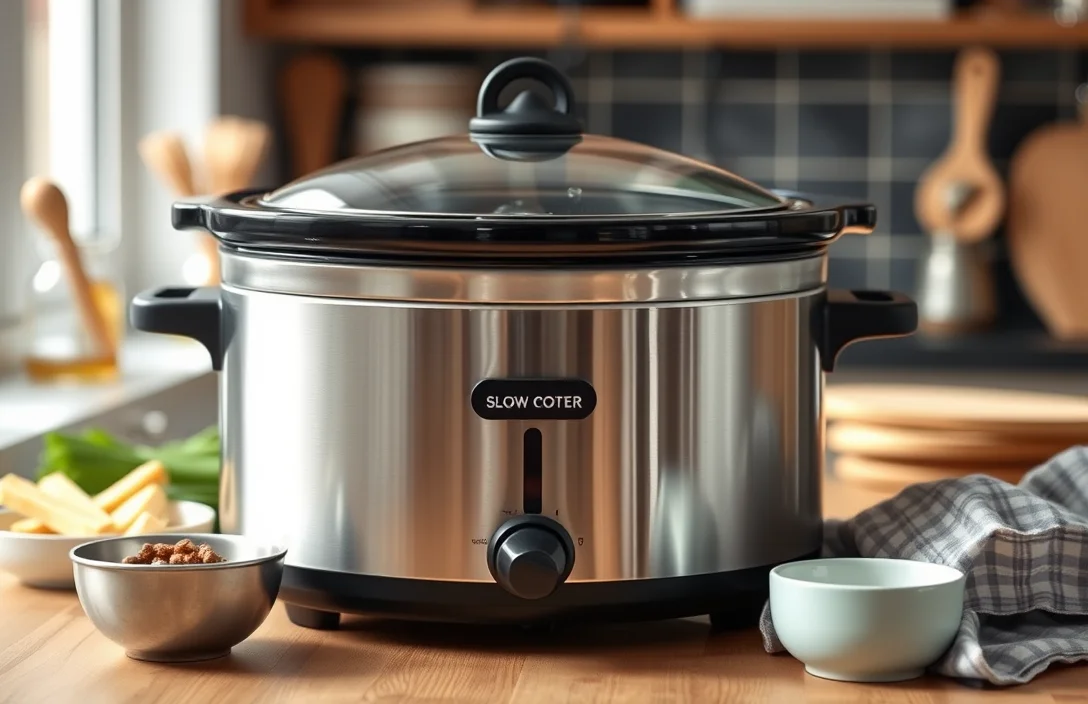
Cooking sous vide in a slow cooker can be a game-changer for home chefs. In fact, with the right temperature control, you can achieve restaurant-quality results without the need for expensive equipment. This method combines the convenience of slow cooking with precise sous vide techniques.
Yes, you can cook sous vide in a slow cooker. Key points: Ensure temperature accuracy, maintain water circulation, and monitor cooking times. With careful adjustments, you can replicate sous vide results using this common kitchen appliance.
What to Know About can you cook sous vide in a sl
Sous vide cooking relies on precise temperature control to ensure food is cooked evenly. Water bath immersion at a consistent low temperature allows proteins to retain moisture and flavor. This method is distinct from traditional cooking, providing a unique texture and taste. Understanding these principles is essential before considering alternative methods like slow cookers.
Temperature consistency plays a vital role in sous vide techniques. Maintaining the desired cooking temperature for the right duration guarantees optimal results. This precision is challenging to achieve with slower cooking appliances, as they may not provide the same level of control. Without accurate temperature regulation, the benefits of sous vide can diminish significantly.
Equipment choice impacts the sous vide experience. Traditional immersion circulators deliver precise heating, whereas slow cookers may struggle to maintain stability. Choosing the right tools is crucial for achieving that tender, flavorful finish typical of sous vide dishes. Knowing this difference helps determine if a slow cooker can effectively replicate sous vide results.
Slow Cooker Temperature Control
Knowing slow cooker temperature settings is essential for effective sous vide cooking. Most slow cookers operate at low, medium, and high settings, corresponding to different heat levels. Low typically maintains a temperature around 190°F, medium around 200°F, and high can reach up to 300°F. These variations influence cooking times and the final texture of your food.
Maintaining a steady temperature is crucial. Sous vide relies on precise temperature control, usually between 130°F and 185°F, depending on the type of food. Unfortunately, most slow cookers cannot maintain these lower temperatures consistently. If you choose to use this appliance for sous vide, monitor the temperature closely with an external thermometer to ensure your food cooks evenly.
Utilizing a water bath can enhance results. Fill the slow cooker with water to create a more stable cooking environment. This method helps distribute heat evenly around the food. Additionally, using vacuum-sealed bags is important, as they allow for better heat transfer and prevent water from entering the food.
Monitoring cooking time is necessary for success. Since slow cookers vary widely in performance, testing different settings will help you find the ideal cooking duration. Generally, sous vide recipes recommend longer cooking times, so adjust your approach accordingly to avoid overcooking.
Adapting Sous Vide Techniques
Modify cooking times based on your slow cooker’s temperature settings. Unlike traditional sous vide methods that require precise temperature control, slow cookers operate within a range. Adjust your cooking times accordingly to ensure thorough food preparation. For instance, if your slow cooker operates at a lower temperature, extend the cooking duration to achieve the desired doneness.
- Assess the temperature range your slow cooker operates at. Most models have low, medium, and high settings that correspond to different cooking temperatures.
- Convert traditional sous vide cooking times into slow cooker equivalents. For example, if a recipe calls for cooking at 140°F for 2 hours sous vide, aim for 4-6 hours in a slow cooker on low.
- Monitor food texture and doneness during the cooking process. Slow cooking may yield different results, so check periodically to avoid overcooking.
- Use vacuum-sealed bags to retain moisture. This helps mimic the sous vide environment, ensuring flavors concentrate without dilution.
- Experiment with various ingredients. Different proteins or vegetables may react uniquely to slow cooking, requiring further adjustments to time and temperature.
Water Bath Method in Slow Cooker
Utilizing the water bath method requires strategic placement of your food inside the slow cooker. Begin by sealing your ingredients in a vacuum-sealed bag or a resealable freezer bag. This ensures that water does not enter the bag, allowing for even cooking throughout the process.
Fill the slow cooker with enough water to completely submerge the sealed bags. Maintaining proper water levels is crucial; too little water will lead to uneven cooking, while too much can overflow. Adjust the water as needed to keep the bags adequately covered during the cooking process.
Monitor the temperature closely using a thermometer. Setting the slow cooker to a specific temperature can be tricky, as many models lack precise controls. Aim for a consistent temperature between 130°F and 190°F, depending on the desired doneness of your food.
Check water levels periodically to ensure they remain sufficient. If the water evaporates, you may need to add more to maintain the cooking environment. Keeping the water at the right level prevents the food from cooking unevenly.
Finally, confirm the food reaches the proper internal temperature to ensure safety. Use a food thermometer to check that each piece has reached the target doneness, ensuring a safe and tasty meal in your slow cooker.
Cook Time Adjustments Needed
Adjusting cook times for sous vide in a slow cooker is crucial for achieving optimal results. Slow cookers do not heat water as evenly or precisely as immersion circulators. To compensate, modify your cooking times and temperatures accordingly.
- Increase cooking time by 25%. If a sous vide recipe suggests cooking for 2 hours at a specific temperature, extend it to about 2.5 hours in a slow cooker.
- Lower the temperature slightly. Reducing the target temperature by 5°F (about 3°C) helps account for uneven heat distribution in a slow cooker.
- Check for doneness more frequently. Using a slow cooker may lead to variations in results; thus, monitor your food closely, especially for proteins.
- Consider the size of food. Larger cuts of meat will require more time compared to smaller pieces. Adjust your times based on the thickness of the item being cooked.
- Use an instant-read thermometer. Ensuring your food reaches the desired doneness helps prevent undercooking, especially when using alternative methods.
Experimenting with these adjustments will lead to improved results over time. Remember that patience and close attention to your food will yield the best outcomes.
Safety Considerations for Sous Vide
Maintaining food safety is crucial when using a slow cooker for sous vide. Slow cookers typically do not maintain the precise temperature control needed for sous vide cooking, which can lead to harmful bacterial growth if food is held at unsafe temperatures. Ensure your slow cooker can reach at least 130°F (54°C) consistently.
Monitoring temperature regularly is essential for safety. Use a digital food thermometer to check the internal temperature of your food. Keeping the food at the correct temperature for the recommended time is vital to eliminate pathogens. Aim for these guidelines:
- Cook at 130°F (54°C) for at least 2 hours to kill most bacteria.
- For tougher cuts of meat, increase the cooking time and temperature for safety.
- Refrigerate leftovers promptly to minimize risk of foodborne illness.
Sealing food properly in bags prevents water from entering and ensures even cooking. Vacuum sealing is ideal, but if that’s not possible, use heavy-duty freezer bags. Squeeze out as much air as possible to prevent floating during cooking.
Understanding cross-contamination is also vital. Ensure your slow cooker and all utensils are clean before use. Avoid using the same utensils for raw and cooked food without proper washing to prevent bacteria spread.
Flavor Enhancement Tips
Enhancing flavors during sous vide cooking requires careful ingredient selection. Fresh herbs such as rosemary, thyme, and basil significantly amplify taste. Including aromatics like garlic and onion adds depth to the dish. Consider marinating proteins before cooking to infuse rich flavors throughout.
Seasoning blends enhance taste remarkably. Using spices like smoked paprika, cumin, or black pepper can transform your dish. Applying these spices directly into the bag before sealing ensures the flavors penetrate evenly during the cooking process. This method elevates the overall dining experience.
Acidity brightens flavors effectively. Adding citrus juice or vinegar before sealing the bag balances richness and intensifies flavors. Ingredients like lemon zest can also provide a fresh, vibrant note that enhances the final dish. Experimenting with different acids can lead to delightful results.
Finishing touches create a memorable presentation. Searing meats post-sous vide adds texture and visual appeal. Garnishing with fresh herbs or a drizzle of infused oil enhances the dish’s flavor and attractiveness. These final steps make your meal not just tasty but visually appealing, too.
Quick Summary
- Sous vide cooking can be achieved using a slow cooker, but it requires careful temperature control.
- Water temperature should be maintained between 130°F and 190°F for optimal sous vide results.
- A slow cooker may not circulate water as effectively as a dedicated sous vide machine, impacting cooking consistency.
- Using a thermometer to monitor water temperature is essential for successful sous vide cooking in a slow cooker.
- Vacuum sealing food is recommended to ensure even cooking and to prevent water from entering the packaging.
- Cooking times may vary, so recipes should be adjusted based on the thickness of the food being cooked.
- Experimentation can help achieve desired results, as slow cookers can vary in performance.
Frequently Asked Questions
Can you cook sous vide in a slow cooker?
While a slow cooker is not designed for sous vide cooking, you can use it with some modifications. To achieve sous vide results, you would need to control the water temperature precisely, which is challenging with a standard slow cooker.
What is the difference between sous vide and slow cooking?
Sous vide involves cooking food in a vacuum-sealed bag submerged in a precisely controlled water bath, ensuring consistent results. Slow cooking, on the other hand, uses indirect heat over a longer period, which can lead to more variable outcomes in texture and doneness.
Do I need special equipment for sous vide cooking?
Yes, traditional sous vide cooking typically requires an immersion circulator or sous vide machine to maintain the water temperature accurately. However, some people get creative with slow cookers or stovetop methods, but results may vary.
Can I replicate sous vide results with a slow cooker?
While you can achieve tender and flavorful dishes with a slow cooker, replicating the precise doneness and texture of sous vide cooking may be difficult. Slow cookers cook food unevenly, which can impact the final results.
What types of dishes are best suited for sous vide cooking?
Sous vide is ideal for proteins like steak, chicken, and fish, as well as vegetables that benefit from precise temperature control. It allows for even cooking and retention of moisture, enhancing flavors and textures in the final dish.
- 8 Easy Slow Cooker Beef and Rice Recipes for Delicious Meals - March 29, 2026
- Slow Cooker Beef and Sausage Chili: 7 Steps to Flavorful Success - March 29, 2026
- Savory Beef Back Ribs in a Pressure Cooker: 7 Steps to Perfection - March 29, 2026