How to Cook Rice Perfectly in a Slow Cooker
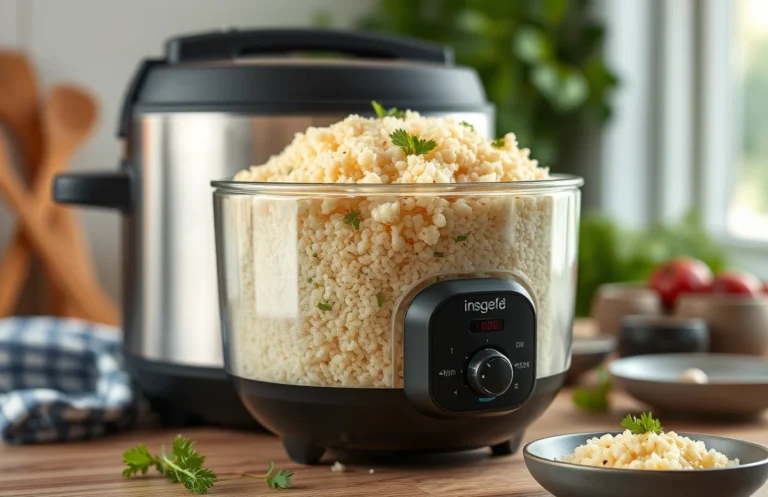
Research indicates that cooking rice in a slow cooker can yield perfectly fluffy grains with minimal effort. In fact, many home cooks find this method simplifies meal prep while ensuring consistent results, making it a popular choice for busy lifestyles.
Cooking rice in a slow cooker is absolutely possible. Key points include using the right rice-to-water ratio, setting the appropriate cooking time, and monitoring doneness to achieve the best results. Enjoy hands-free cooking with this method.
Is Rice Suitable for Slow Cooking?
Various rice types yield different results in a slow cooker. Long-grain varieties like basmati and jasmine maintain their shape and texture well, making them ideal for this cooking method. Short-grain rice, such as sushi rice, tends to become overly sticky, which may not be desirable in all dishes.
Brown rice requires longer cooking times compared to white rice. Its higher fiber content benefits from the slow cooker’s extended heat, allowing it to soften evenly. Conversely, instant or precooked rice should not be used, as these types require minimal cooking time and may become mushy in a slow cooker.
Experimenting with different rice types can enhance your meals. Combining rice with other ingredients like vegetables or proteins can create flavorful, hearty dishes. Adjust liquid ratios based on the rice type used, as brown rice absorbs more water than white rice. This ensures that your final dish achieves the perfect consistency.
Ultimately, rice can be successfully cooked in a slow cooker. Knowing the specific type of rice you are using will help achieve optimal results. Being mindful of cooking times and liquid amounts will ensure a delicious and satisfying outcome.
Choosing the Right Slow Cooker
Capacity matters significantly when selecting a slow cooker for rice. Look for a model that holds at least 4 to 6 quarts. This size accommodates ample rice and water, ensuring even cooking without overflow. Smaller models may lead to inconsistent results, particularly with larger batches.
Temperature settings play a crucial role. Opt for slow cookers with multiple heat settings, such as low, high, and warm. This flexibility allows you to adjust cooking times based on the rice type and desired texture, providing better control over the final outcome.
Non-stick surfaces are essential for easy cleanup. A non-stick interior prevents rice from sticking and burning, simplifying the post-cooking process. Look for models with durable coatings that resist scratches and maintain performance over time.
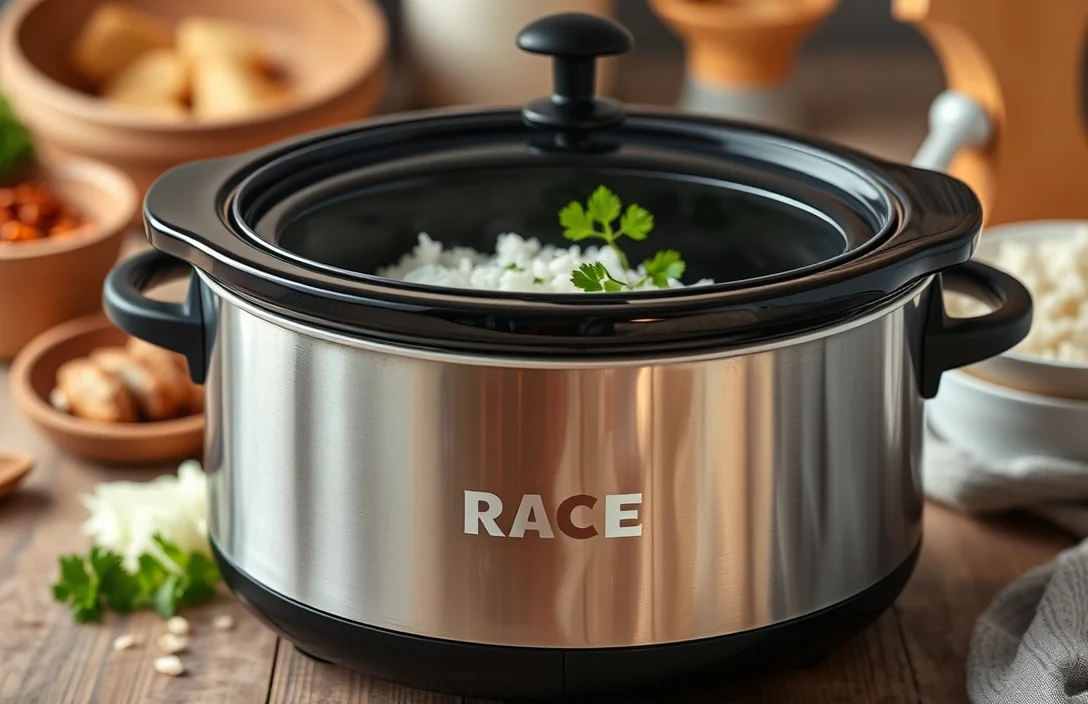
Glass lids offer visibility during cooking. A transparent lid lets you monitor rice without releasing heat, which is crucial for even cooking. Ensure the lid fits securely to maintain moisture levels, enhancing the overall cooking experience.
Energy efficiency is another consideration. Choose a slow cooker with a lower wattage that still performs effectively. Energy-efficient models save money on electricity while providing consistent results, making them a practical choice for regular use.
Water-to-Rice Ratio Explained
Correct water-to-rice ratios are crucial for successful slow cooker rice. Generally, the ideal ratio is 2 cups of water for every 1 cup of rice. Adjusting this ratio can lead to different textures; for a firmer rice, use slightly less water, while more water can create a softer result.
Measuring accurately ensures consistency. If using brown rice, increase the water to 2.5 cups per cup of rice due to its longer cooking time. Always consider the type of rice, as basmati and jasmine might have different requirements than standard white rice.
Experimenting with ratios can provide the perfect texture for your preference. Keep in mind that slow cookers may vary in heat levels, so slight adjustments might be necessary for specific models. Always check for doneness and adjust water levels for future attempts based on your results.
Remember to account for additional ingredients. If adding vegetables or broth, these can affect the overall water content required. Each element can contribute moisture, so start with the basic ratio and modify as needed for the best outcome.
Preparing Rice Before Cooking
Rinsing rice before cooking is essential. This process removes excess starch, which can lead to overly sticky rice. In a slow cooker, where moisture retention is high, rinsing ensures that your rice maintains a fluffy texture. Follow these steps to prepare your rice properly.
- Measure the desired amount of rice. Use a standard measuring cup for accuracy, ensuring you have enough for your meal.
- Rinse rice under cold water. Place the rice in a fine-mesh strainer or bowl and rinse thoroughly, swirling it around to wash away surface starch.
- Soak the rice if needed. Some rice varieties, like brown rice, benefit from soaking for 30 minutes to an hour, which helps soften the grains and improves cooking.
- Drain excess water completely. After rinsing and soaking, ensure all water is removed before transferring the rice to the slow cooker. This step prevents unnecessary water from affecting the cooking process.
Following these steps will yield better results when using a slow cooker for rice. Proper preparation enhances texture and flavor, ensuring a delicious dish.
Cooking Time for Different Rice Types
Brown rice requires 4 to 5 hours on low heat in a slow cooker. This type has a tough outer bran layer, which extends the cooking time compared to white rice. Always ensure adequate water is added, as brown rice absorbs more liquid during the cooking process.
White rice finishes cooking in about 2 to 3 hours. This variety cooks more quickly due to its refined nature and reduced outer layers. For best results, use a water-to-rice ratio of 2:1 and monitor the slow cooker to prevent overcooking.
Jasmine rice typically takes 2 to 3 hours as well. Its fragrant aroma and slightly sticky texture make it popular in various dishes. Similar to white rice, maintain a 2:1 water ratio for optimal fluffiness.
Basmati rice also cooks within 2 to 3 hours. Renowned for its long grains and nutty flavor, it benefits from soaking for 30 minutes before cooking, which helps achieve the desired texture and prevents clumping.
Wild rice requires a longer duration, around 4 to 5 hours. Being a grass rather than a true rice, its cooking time reflects its unique characteristics. Ensure ample water is used, as wild rice absorbs a significant amount during the slow cooking process.
Enhancing Flavor in Slow-Cooked Rice
Incorporating broth instead of water significantly boosts the flavor of rice. Instead of using plain water, opt for vegetable, chicken, or beef broth. This simple swap infuses the grains with a rich, savory taste, enhancing the overall dish and complementing any added ingredients.
Experimenting with herbs adds depth to slow-cooked rice. Fresh or dried herbs like thyme, rosemary, or cilantro can be sprinkled in during cooking. These herbs release their essential oils, creating a fragrant aroma and taste that elevates the rice dish.
Including spices transforms the rice into a flavor-packed side. Consider using cumin, paprika, or turmeric. These spices not only provide color but also introduce unique flavors, making the rice more exciting and satisfying.
Adding vegetables enhances both flavor and nutrition. Chopped onions, garlic, or bell peppers can be sautéed and mixed in with the rice before cooking. Their natural sweetness and savory qualities create a more complex flavor profile.
Incorporating fats like butter or olive oil improves texture and taste. Stirring in a tablespoon of butter or oil before cooking enriches the rice, making it creamier and more flavorful. This addition can make a noticeable difference in the final dish.
Troubleshooting Common Rice Issues
Overcooked rice in the slow cooker leads to mushy results. To remedy this, reduce the cooking time or check the cooker’s temperature settings. Adjusting the water ratio can also help; using slightly less water may prevent overcooking. Monitoring the rice closely during the last hour is crucial.
- Undercooked rice requires additional cooking time. If the rice is not fully tender, add a bit more water, cover, and cook for another 15 to 30 minutes. Ensure to check the texture periodically.
- Burnt rice indicates too high heat. Lower the heat setting or add more liquid if rice starts to burn. Stirring occasionally can also help distribute heat evenly.
- Sticky rice can result from excess starch. Rinsing the rice thoroughly before cooking removes excess starch, yielding fluffier results. Using a different rice variety, such as basmati, may also help.
- Uneven cooking stems from overcrowding. Ensure the rice cooker is not overloaded; too much rice can prevent even cooking. Stick to recommended serving sizes for best results.
Consistently checking water levels throughout cooking can also prevent many issues. Adjusting the water based on the rice type and your slow cooker ensures optimal texture and flavor.
Quick Summary
- Yes, you can cook rice in a slow cooker effectively.
- Use a water-to-rice ratio of about 2:1 for optimal results.
- Cooking time typically ranges from 2 to 4 hours on low heat.
- Stir the rice occasionally to prevent sticking and ensure even cooking.
- Consider adding flavor by using broth instead of water or adding spices.
- Rinse the rice before cooking to remove excess starch for fluffier texture.
- Allow the rice to rest for a few minutes after cooking for best results.
Frequently Asked Questions
Can you cook rice in a slow cooker?
Yes, you can cook rice in a slow cooker. It requires a bit more water and time compared to traditional methods, but the result is fluffy rice with minimal effort.
How much water should I use for cooking rice in a slow cooker?
A general rule of thumb is to use about 1.5 to 2 cups of water for every cup of rice. The exact amount may vary depending on the type of rice you are using, so it’s best to consult specific guidelines for each variety.
How long does it take to cook rice in a slow cooker?
Cooking rice in a slow cooker typically takes about 2 to 3 hours on high heat or 4 to 6 hours on low heat. This slower cooking process allows the rice to absorb moisture gradually, resulting in a tender texture.
Should I soak the rice before cooking it in a slow cooker?
Soaking rice before cooking is not necessary when using a slow cooker, but it can help reduce cooking time and improve texture. If you choose to soak, rinse the rice thoroughly and adjust the water amount accordingly.
Can I add other ingredients while cooking rice in a slow cooker?
Absolutely! You can enhance your rice by adding vegetables, broth, or spices. Just be mindful of the additional liquid content to ensure the rice cooks properly.

- 8 Easy Slow Cooker Beef and Rice Recipes for Delicious Meals - March 29, 2026
- Slow Cooker Beef and Sausage Chili: 7 Steps to Flavorful Success - March 29, 2026
- Savory Beef Back Ribs in a Pressure Cooker: 7 Steps to Perfection - March 29, 2026