How to Cook Macaroni in a Rice Cooker: Step-by-Step Instructions
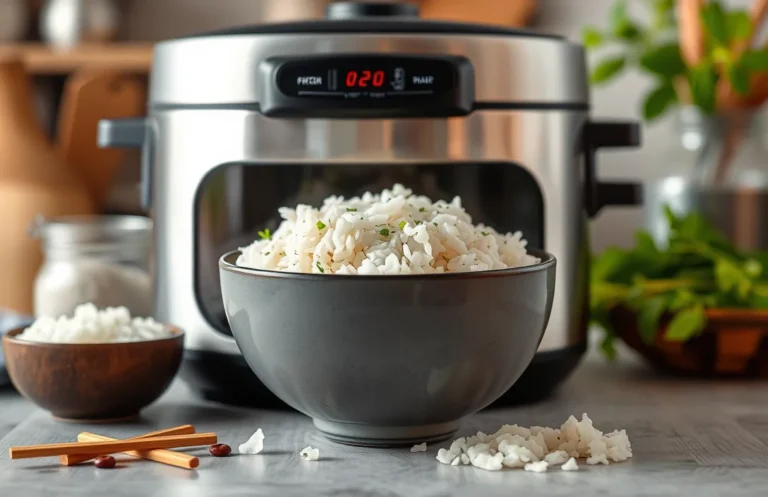
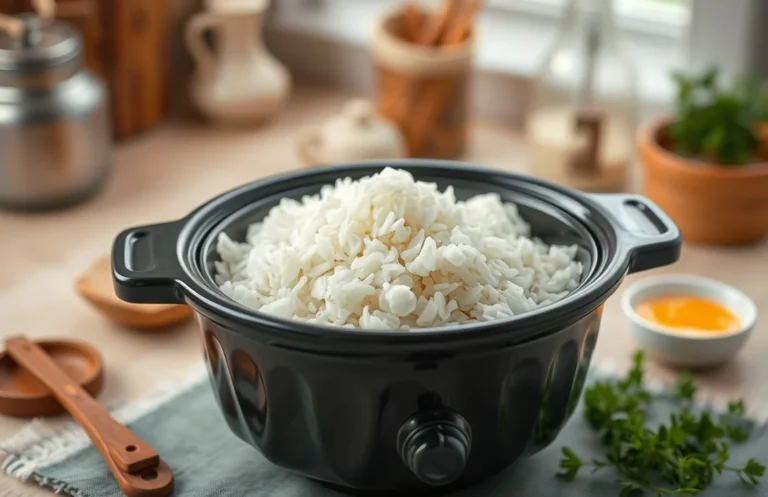
Cooking macaroni in a rice cooker is not only possible but can yield perfectly cooked pasta with minimal effort. Many home cooks overlook this versatile appliance, often relegating it to rice alone. Embrace this method to simplify your meal preparation and save time in the kitchen.
Yes, you can cook macaroni in a rice cooker. Fill the cooker with water, add macaroni, and let it cook until tender. Drain excess water, then mix in your favorite sauce or toppings. It’s efficient and delivers delicious results.
Choosing the Right Rice Cooker
Models with multi-function capabilities excel in cooking macaroni. Look for rice cookers that specify versatility, allowing for boiling and steaming. Many newer models include settings for various grains and pasta, making them suitable for this task. Ensure the cooker has a non-stick pot for easy cleanup and even cooking.
Specifications matter significantly when selecting your device. A rice cooker with a saucepan-style pot distributes heat evenly, aiding in pasta preparation. Check the wattage as well; higher wattage generally results in quicker cooking times. Models that feature a cooking timer can enhance convenience, allowing for precise meal planning.
Capacity is another critical factor in your decision. Consider the volume of macaroni you plan to cook. A 5-cup capacity is usually sufficient for small households, while larger families might prefer an 8-cup model. Always account for additional ingredients, as they can affect the amount of water needed.
Price points vary widely across different brands and features. Budget-friendly options typically offer basic functions, while premium models include advanced features like induction heating. Investing in a reliable brand can provide long-term benefits, ensuring consistent performance and durability for cooking macaroni and other dishes.
Preparing Macaroni for Cooking
Rinsing macaroni before cooking removes excess starch. Start by placing the desired amount of macaroni in a colander under cold running water. Swirling the pasta with your hands helps to wash away any remaining flour or dust, ensuring a cleaner end product. This simple step improves the texture of your dish, making it less sticky.
- Measure the macaroni carefully to avoid overloading the rice cooker. Use a measuring cup for accuracy, as too much pasta can lead to uneven cooking.
- Soaking macaroni for 15-30 minutes in warm water can enhance the cooking process. This pre-soaking softens the pasta, helping it cook more evenly and quickly in the rice cooker.
- Spread the rinsed macaroni evenly in the rice cooker pot. Even distribution ensures uniform cooking, preventing some pieces from becoming overcooked while others remain underdone.
- Consider breaking larger pasta shapes into smaller pieces if necessary. This can help with even cooking and make the macaroni easier to serve.
Water-to-Macaroni Ratio
Correct water-to-macaroni ratios ensure optimal cooking. Typically, a 2:1 ratio works well for most macaroni types. For every cup of macaroni, add two cups of water. This balance prevents the pasta from becoming dry or overcooked, resulting in perfectly tender macaroni.
Adjustments may be necessary depending on specific macaroni brands or types. Some varieties absorb more water, while others might require less. Always check the package instructions for any recommended ratios, as these guidelines can vary.
Testing the consistency during cooking helps achieve the desired texture. If the macaroni appears too firm, adding a small amount of water can assist. Conversely, if the macaroni is too watery, it can be drained carefully after cooking.
Setting Cooking Time
Cooking macaroni in a rice cooker typically takes around 10 to 15 minutes. Begin by setting the rice cooker to the “cook” mode after adding macaroni and water. This time frame allows the pasta to cook through while absorbing the liquid effectively.
Monitoring the pasta during cooking ensures optimal texture. Check for doneness after 10 minutes, as different types of macaroni may cook at varying rates. Stir gently to promote even cooking and prevent sticking.
Adjusting the cooking time may be necessary based on your preferred texture. For softer macaroni, extend the cooking duration by a few minutes. If you prefer a firmer bite, reduce the time slightly after checking for readiness.
Determining the right balance between water and cooking time is crucial for best results. If the pasta appears dry or undercooked at the end of the initial time, adding a splash of water can help without significantly altering the cooking process.
Adding Seasonings and Ingredients
Seasonings enhance flavor during cooking. Add them at the right time to ensure they infuse into the macaroni. Timing is crucial; adding them too early might result in overcooked or burnt flavors, while adding them too late may not allow the flavors to meld properly.
- Begin by seasoning the water. Before starting the cooking process, mix in salt or other spices to the water. This allows the macaroni to absorb flavors as it cooks.
- Introduce additional ingredients after a few minutes. If you plan to add vegetables, proteins, or other components, add them halfway through the cooking time. This prevents them from becoming mushy while allowing flavors to combine.
- Monitor the final stages. As the macaroni nears completion, taste the mixture. Adjust the seasoning if necessary by adding more salt, pepper, or herbs to achieve your desired flavor profile.
Incorporating seasonings and ingredients thoughtfully makes a significant difference in the taste of the dish. This tool can cook macaroni effectively, but the right additions can elevate your meal to the next level.
Checking for Doneness
Assessing macaroni doneness is crucial for achieving the perfect texture. Properly cooked macaroni should be al dente, meaning it should be firm to the bite but not hard. To ensure your pasta meets this standard, follow these steps closely.
- Start by tasting a piece. Remove a small amount of macaroni from the rice cooker and let it cool slightly. Take a bite to evaluate its texture.
- Check for firmness. Ideal macaroni should have a slight resistance when bitten into, indicating it is cooked through but still retains some bite.
- Examine the color. Properly cooked macaroni typically appears slightly translucent, indicating it has absorbed enough water without becoming mushy.
- Adjust cooking time as needed. If the macaroni is too firm, close the lid and let it cook for an additional few minutes, periodically checking for doneness.
- Turn off the cooker. Once the desired texture is achieved, switch off the rice cooker to prevent overcooking.
Following these steps guarantees you will achieve the right texture for your macaroni, making it ready for the final touches before serving.
Serving and Enjoying Macaroni
Serving macaroni can elevate your meal experience significantly. Begin by transferring the cooked pasta from the rice cooker to a serving bowl. Use a slotted spoon or a pasta server for easy handling. Make sure to fluff the macaroni gently to prevent clumping.
- Garnish with fresh herbs like parsley or basil to enhance flavor and presentation.
- Sprinkle grated cheese on top, allowing it to melt slightly for a creamy texture.
- Offer a variety of sauces, such as marinara, Alfredo, or pesto, to cater to different tastes.
- Pair with sides like garlic bread or a fresh salad to create a balanced meal.
- Encourage guests to customize their portions with toppings like crushed red pepper, olives, or sautéed vegetables.
Enjoying macaroni involves not just taste but also presentation. Use colorful bowls or plates that complement the dish. Engaging your guests with interactive serving options can make the meal more enjoyable. Allow everyone to mix and match ingredients to their liking, creating a fun dining experience.
Quick Summary
- Macaroni can be cooked in a rice cooker, providing a convenient alternative to traditional stovetop methods.
- Simply add macaroni, water, and a pinch of salt to the rice cooker, following the recommended water-to-pasta ratio.
- Cooking time may vary, but it typically takes around 10-15 minutes for macaroni to cook in a rice cooker.
- Stir the macaroni occasionally to prevent sticking and ensure even cooking.
- Once cooked, you can mix in cheese, sauces, or other ingredients directly in the rice cooker for easy preparation.
- Some rice cookers have a “keep warm” function, which can be used to maintain the temperature of the cooked macaroni.
- Always refer to the specific instructions of your rice cooker for best results and avoid overfilling.
Frequently Asked Questions
Can you cook macaroni in a rice cooker?
Yes, you can cook macaroni in a rice cooker! It’s a convenient method that allows you to prepare pasta without needing a separate pot on the stove.
How much water should I use when cooking macaroni in a rice cooker?
A general rule is to use about 2 cups of water for every 1 cup of macaroni. However, you may need to adjust the water slightly based on your rice cooker model and the desired texture of the pasta.
How long does it take to cook macaroni in a rice cooker?
Cooking macaroni in a rice cooker typically takes about 10-15 minutes, depending on your rice cooker settings. Always check for doneness and adjust the time as needed.
Do I need to stir the macaroni while it’s cooking?
It’s a good idea to stir the macaroni once or twice during cooking to prevent it from sticking together. This will help ensure even cooking and better texture.
Can I add sauce or seasonings while cooking macaroni in a rice cooker?
Yes, you can add sauce or seasonings to the macaroni while it cooks. Just be mindful of the total liquid volume, as adding too much sauce may affect the cooking process.

- 8 Easy Slow Cooker Beef and Rice Recipes for Delicious Meals - March 29, 2026
- Slow Cooker Beef and Sausage Chili: 7 Steps to Flavorful Success - March 29, 2026
- Savory Beef Back Ribs in a Pressure Cooker: 7 Steps to Perfection - March 29, 2026