How to Cook Lentils in a Rice Cooker: A Simple Step-by-Step Guide
Cooking lentils in a rice cooker is not only possible but also efficient; many users report perfectly cooked lentils in under 30 minutes. This method saves time and reduces the need for constant monitoring, making it an ideal choice for busy individuals.
Yes, you can cook lentils in a rice cooker. Key points include using the right water-to-lentil ratio, ensuring proper cooking times, and selecting the appropriate lentil type for optimal results.
Can You Cook Lentils?
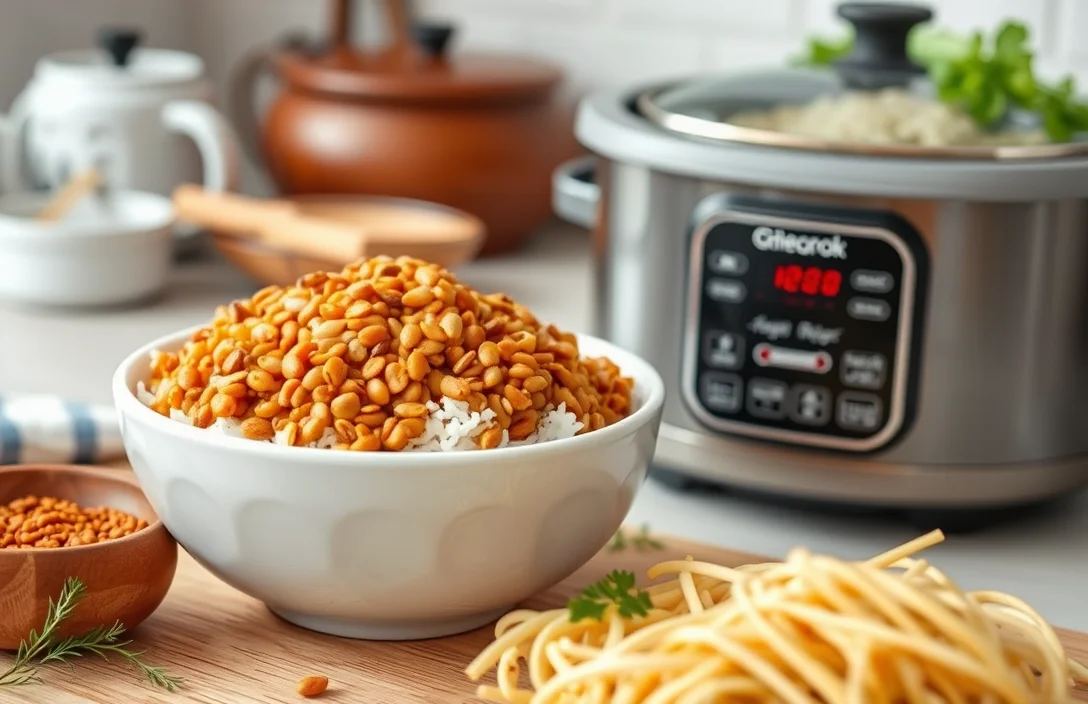
Cooking lentils in a rice cooker is entirely feasible. Rice cookers have the capability to prepare various grains and legumes, including lentils. With the right water-to-lentil ratio, you can achieve perfectly cooked lentils without much effort.
Ingredients matter significantly. Begin with rinsing the lentils thoroughly to remove any impurities. Typically, you’ll need to combine one cup of lentils with approximately two to three cups of water, depending on the type of lentils you are using. Adjusting the water amount can help achieve your desired texture.
Settings play a crucial role. Use the regular or white rice setting on your cooker. This function generally provides the necessary heat and time to cook lentils effectively. While some cookers may have a dedicated function for grains, the rice setting is often sufficient.
Monitoring the process helps ensure quality. Most rice cookers will automatically switch to the warm setting when cooking is complete. After this, let the lentils sit for about 10 minutes before opening the lid. This allows any residual moisture to be absorbed.
Enjoying your lentils is straightforward. Once cooked, you can season them to taste or incorporate them into various dishes. Whether for salads, soups, or side dishes, lentils offer flexibility and nutritional benefits.
Types of Lentils for Cooking
Red lentils cook quickly and are ideal for rice cookers. They break down easily, resulting in a smooth consistency that works well in soups and purees. Their mild flavor pairs nicely with various seasonings, making them versatile in many dishes.
Green lentils maintain their shape better during cooking, providing a hearty texture. These lentils are perfect for salads or side dishes, as they do not become mushy. Their slightly peppery taste adds depth to any meal.
Brown lentils offer a balanced flavor and are the most commonly used variety. They cook relatively fast, similar to red lentils, but hold their shape well. This makes them suitable for stews or as a protein-rich base for various recipes.
Black lentils, also known as beluga lentils, have a unique appearance and flavor. Their firm texture holds up well in salads and grain bowls, adding a nutritional punch. Cooking in a rice cooker ensures even cooking without the risk of overcooking.
Yellow lentils are another option that cooks down to a soft texture, similar to red lentils. They work well in curries and lentil dishes, providing a vibrant color. This variety is often used in Indian cuisine and pairs well with spices.
Preparing Lentils Before Cooking
Rinsing lentils is crucial for removing impurities and dust. Place the lentils in a fine mesh strainer and run them under cold water. Swirl them gently with your hands to ensure all grains are rinsed thoroughly. This step also helps eliminate any debris or small stones that may have been mixed in during packaging.
Soaking lentils can enhance their texture and reduce cooking time. While not mandatory for all types, soaking particularly benefits larger varieties like green or brown lentils. To soak, cover the lentils with water in a bowl and let them sit for at least 2 hours. If you’re short on time, a quick soak method involves boiling them for 5 minutes before draining.
Sorting lentils is another important step before cooking. Spread the lentils out on a clean surface to check for any foreign objects. Discard any stones or broken pieces. This ensures you only cook quality lentils, leading to a better final dish.
Rinsing, soaking, and sorting all contribute to optimal cooking results. Each step ensures that you achieve the best texture and flavor in your dish. By preparing lentils properly, you can confidently use your rice cooker for delicious meals.
Water-to-Lentil Ratios
Proper water-to-lentil ratios are essential for successful cooking. Typically, you should use 3 cups of water for every 1 cup of lentils. This ratio ensures that lentils absorb enough moisture while cooking, resulting in a tender and flavorful dish.
Measuring accurately prevents common pitfalls. Too much water can lead to mushy lentils, while too little may cause them to cook unevenly. Adjust the ratio slightly depending on the type of lentils used; for instance, red lentils may require a bit less water.
Experimentation can lead to the perfect texture. If you prefer firmer lentils, reduce the water slightly. Conversely, if you like them creamier, add a bit more water. Knowing these adjustments helps tailor the dish to your taste preferences.
Consistency matters throughout the cooking process. Stirring the lentils occasionally during cooking can help distribute moisture evenly. After cooking, allow the lentils to sit for a few minutes to absorb any remaining liquid.
Cooking Time in Rice Cooker
Cooking times for lentils vary by type, making precise knowledge essential. Brown and green lentils typically require about 30-35 minutes to cook, while red lentils cook faster, taking only 15-20 minutes. Black lentils, known for their firm texture, often need around 25-30 minutes. Adjusting the time slightly based on your rice cooker’s specific settings may enhance results.
Monitoring water levels during cooking helps achieve perfect lentils. If the water evaporates quickly, consider adding a small amount more if needed. Conversely, if there’s excess water, the lentils may become mushy. Balancing these factors will ensure optimal texture and flavor.
Testing doneness is crucial for achieving the desired consistency. Tasting a few lentils towards the end of the cooking time can provide insights into whether they’ve reached the right tenderness. Remember, lentils should be cooked through but still hold their shape, providing the best texture for your dishes.
Seasoning and Flavoring Options
Seasoning your lentils enhances their flavor significantly. Start by adding salt toward the end of cooking to prevent toughening. For added depth, consider using vegetable or chicken broth instead of water, which imparts a rich taste to the lentils while using a rice cooker.
Herbs and spices can elevate your dish even more. Bay leaves, thyme, or cumin are excellent choices. Adding garlic and onion, either fresh or powdered, can create a savory base that complements the natural taste of lentils beautifully.
Acidic elements like lemon juice or vinegar can brighten flavors. Squeeze some lemon over the cooked lentils just before serving for a fresh contrast. Similarly, a splash of balsamic vinegar can add a unique twist.
Incorporating vegetables adds nutrition and flavor. Chopped carrots, celery, or bell peppers can be added during the cooking process. This not only enhances the taste but also gives a pleasing texture to the lentils.
Lastly, experimenting with different oils can enhance flavor profiles. Drizzling olive oil or sesame oil over the finished dish can add richness and aroma, making your lentils even more appealing to the palate.
Troubleshooting Common Issues
Overcooked lentils can result from excessive cooking time or too much water. Keep an eye on the rice cooker and check the lentils periodically. If they turn mushy, reduce the cooking duration next time or adjust the water ratio by cutting back slightly.
Undercooked lentils may occur if the rice cooker settings aren’t suitable for lentils. Make sure to select a cooking cycle that allows enough time for proper cooking. If you find them still crunchy, give them additional time in the cooker.
Burnt lentils often result from insufficient liquid. Ensure you add enough water or broth to cover the lentils by about an inch. Stirring halfway through the cooking process can also help prevent burning.
Flavorless lentils can happen if spices aren’t added during cooking. To enhance the taste, consider incorporating herbs, garlic, or onion at the beginning. Adding salt can also boost flavor, but do so towards the end of cooking to avoid toughening the lentils.
Foaming can occur due to the starch released during cooking. To minimize this issue, rinse the lentils thoroughly before cooking. Using a larger rice cooker can also help accommodate the foam without spilling over.
Quick Summary
- Lentils can be easily cooked in a rice cooker, making the process convenient.
- Rinse lentils thoroughly before cooking to remove impurities and excess starch.
- The typical water-to-lentil ratio is 3:1 for cooking in a rice cooker.
- Cooking times may vary depending on the type of lentils used (e.g., green, red, or black).
- Add seasonings and vegetables to enhance the flavor during the cooking process.
- Check the lentils periodically to ensure they achieve the desired tenderness.
- Rice cookers can automatically switch to warm mode when cooking is complete, preventing overcooking.
Frequently Asked Questions
Can you cook lentils in a rice cooker?
Yes, you can cook lentils in a rice cooker. It’s a convenient method as the rice cooker will handle the cooking process, allowing you to focus on other tasks.
What type of lentils can be cooked in a rice cooker?
All types of lentils, including green, brown, red, and black, can be cooked in a rice cooker. However, cooking times may vary slightly depending on the type of lentil used.
How much water should I use for cooking lentils in a rice cooker?
A general rule of thumb is to use a ratio of 2 to 2.5 cups of water for every cup of lentils. Adjust the water amount based on your desired consistency, whether you prefer them firmer or softer.
Do I need to soak lentils before cooking in a rice cooker?
No, soaking lentils is not necessary when using a rice cooker. However, soaking can reduce cooking time and may help with digestion, but it is optional.
How long does it take to cook lentils in a rice cooker?
Cooking lentils in a rice cooker typically takes about 30 to 40 minutes, depending on the type of lentils and the specific rice cooker model. Always check for doneness as cooking times can vary.

- 8 Easy Slow Cooker Beef and Rice Recipes for Delicious Meals - March 29, 2026
- Slow Cooker Beef and Sausage Chili: 7 Steps to Flavorful Success - March 29, 2026
- Savory Beef Back Ribs in a Pressure Cooker: 7 Steps to Perfection - March 29, 2026