How to Cook a Frozen Roast in a Pressure Cooker Effectively
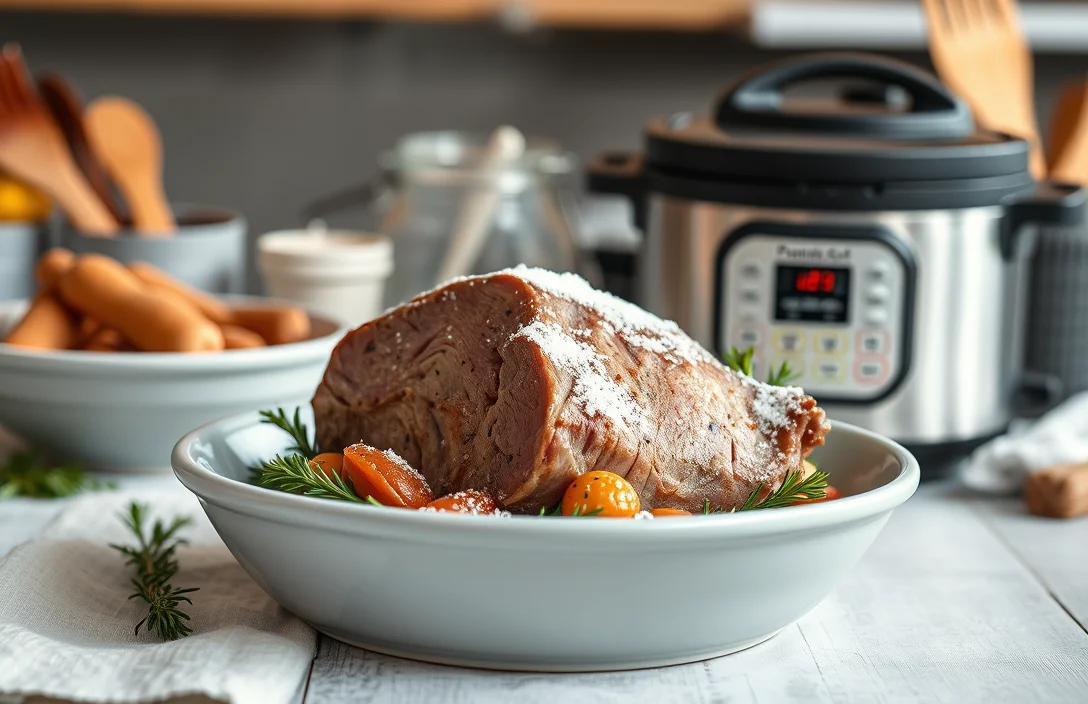
Pressure cooking frozen roast is possible and can significantly reduce cooking time. In fact, you can cook a frozen roast in about 90 minutes, compared to several hours in a traditional oven. This method locks in flavors and moisture, resulting in a tender, delicious meal.
Cooking frozen roast in a pressure cooker is convenient, quick, and safe. Adjust cooking times based on the size and type of roast. Ensure sufficient liquid is included to generate steam. Always check the internal temperature to confirm doneness.
Is It Safe to Cook Frozen Roast?
Cooking frozen roast in a pressure cooker is generally safe if done correctly. Pressure cookers can effectively raise the temperature of frozen meat quickly, which is crucial for food safety. The key is ensuring the internal temperature reaches at least 145°F for adequate cooking, killing harmful bacteria in the process.
Maintaining proper cooking time is essential. Frozen roasts typically require about 50% more time than fresh ones. For instance, if a fresh roast takes 60 minutes, a frozen version may take around 90 minutes. Always refer to your pressure cooker’s manual for specific guidelines on cooking times for frozen meats.
Using a meat thermometer is highly recommended to confirm the meat’s internal temperature. This tool provides the most accurate reading, ensuring the roast is safely cooked throughout. Avoid relying solely on visual cues, as they can be misleading with frozen items.
Seeking advice from reliable sources can also enhance safety practices. Websites dedicated to food safety or pressure cooking can offer valuable insights and tips for cooking frozen roast effectively. Following these guidelines will help ensure your meal is both delicious and safe to eat.
Choosing the Right Pressure Cooker
Electric models excel in convenience. These cookers automatically adjust cooking times and pressure levels, making them ideal for cooking frozen roasts. Look for features like a delay timer and multiple settings to enhance versatility in your cooking experience.
Stovetop versions offer greater control. Skilled cooks often prefer these for their ability to reach higher pressures, which can significantly reduce cooking time. Ensure your stovetop pressure cooker has a robust locking mechanism for safety during high-pressure cooking.
Size matters for frozen roasts. Select a cooker with ample capacity, typically at least 6 quarts, to accommodate larger cuts of meat. This ensures even cooking and prevents overcrowding, which can lead to uneven results.
Safety features are essential. Look for models equipped with pressure release valves and locking lids. These mechanisms help manage the intense heat and pressure generated during cooking, making the process safer and more efficient.
Brand reputation influences reliability. Research trusted brands known for durability and customer support. Investing in a reputable pressure cooker ensures a better cooking experience and assistance if you encounter issues while cooking frozen roasts.
Preparation Steps for Frozen Roast
Remove any packaging from the frozen roast before cooking. This step ensures that no plastic or foam materials accidentally melt during the cooking process. Cleaning the surface of the roast is essential to prevent unwanted flavors from affecting the dish.
- Inspect the roast thoroughly. Look for any remaining plastic wrap or other materials that may not be safe for pressure cooking.
- Trim excess fat if needed. Fat can render during cooking and create unwanted grease in the pressure cooker. Use a sharp knife for precision.
- Season the roast generously. Even though it’s frozen, applying salt, pepper, and other spices on the surface can enhance flavor once it starts cooking.
- Place the roast in the pressure cooker. Ensure it fits comfortably without forcing it, as overcrowding can lead to uneven cooking.
- Secure the lid properly. Make sure the lid is locked in place to maintain pressure during cooking, which is crucial for effective results.
Following these steps sets up your frozen roast perfectly for cooking. Completing this preparation will lead to a more flavorful and well-cooked meal.
Adding Liquid for Pressure Cooking
Liquid is essential for pressure cooking. Without it, the pot cannot build the necessary steam to cook your roast properly. Always ensure that you add at least one cup of liquid to the pressure cooker. This will create steam, allowing the meat to cook evenly and thoroughly.
Broth or stock provides flavor. Using beef, chicken, or vegetable broth enhances the taste of the roast while supplying the required moisture. If you prefer a lighter option, water can suffice, but consider seasoning it to enhance flavor.
Wine or vinegar can add depth. If you want a richer taste, consider adding a splash of red wine or balsamic vinegar. These acidic liquids break down the meat fibers, resulting in a more tender final product. Just remember to balance acidity with the right amount of water or broth.
Always monitor the liquid level. Pressure cooking can evaporate liquid quickly, especially with lean cuts. Check your cooker’s manual for recommended minimum liquid amounts, ensuring a safe cooking process. Insufficient liquid may lead to burning or uneven cooking.
Experiment with herbs and spices. Adding fresh herbs or spices to the liquid can infuse your meat with additional flavor. Consider garlic, rosemary, or thyme for a delicious roast. These aromatics not only enhance taste but also contribute to the overall aroma during cooking.
Post-Cooking Tips for Roasts
Checking doneness ensures your roast is perfectly cooked. Use a meat thermometer to measure the internal temperature. For beef, aim for 135°F (medium-rare) or 145°F (medium). If cooking pork, ensure it reaches at least 145°F. Adjust cooking time as needed based on the readings.
- Remove the roast from the pressure cooker carefully. Use tongs to avoid burns while transferring it to a cutting board.
- Allow the roast to rest for at least 10-15 minutes. Resting helps redistribute juices, ensuring a moist and flavorful meal.
- Cover the roast loosely with foil during resting. This retains warmth without steaming, which could affect texture.
- Slice against the grain for tenderness. Cutting this way helps break down muscle fibers, making each bite easier to chew.
- Serve with your choice of sides. Complementing flavors enhance the overall meal experience.
Quick Summary
- Cooking a frozen roast in a pressure cooker is possible and can significantly reduce cooking time.
- Ensure the roast is properly sealed and fits comfortably in the pressure cooker.
- Add enough liquid (usually water or broth) to create steam and avoid burning.
- Cooking time generally ranges from 1.5 to 3 hours depending on size and type of roast.
- Use a meat thermometer to ensure the internal temperature reaches at least 145°F for safety.
- Allow for natural pressure release to ensure tenderness and moisture retention.
- Consider browning the roast after pressure cooking for added flavor and texture.
Frequently Asked Questions
Can you cook a frozen roast in a pressure cooker?
Yes, you can cook a frozen roast in a pressure cooker. The pressure cooker is designed to cook food quickly, and the steam will help to defrost and cook the roast evenly.
How long does it take to cook a frozen roast in a pressure cooker?
Cooking times will vary depending on the size of the roast, but generally, a frozen roast takes about 60-90 minutes in a pressure cooker. It’s important to ensure the internal temperature reaches at least 145°F for safe consumption.
Do I need to add liquid when cooking a frozen roast?
Yes, you need to add liquid to the pressure cooker for it to function properly. Typically, about 1 to 2 cups of broth or water will provide enough steam for cooking the roast.
Can I season a frozen roast before cooking it?
While you can sprinkle some seasoning on top of a frozen roast, it may not adhere well. It’s generally best to season the roast after it has partially thawed or once it is cooked.
What should I do if my frozen roast is still tough after cooking?
If your frozen roast is tough after cooking, it may need more time in the pressure cooker. You can reseal it and cook for an additional 10-15 minutes to help tenderize the meat further.

- 8 Easy Slow Cooker Beef and Rice Recipes for Delicious Meals - March 29, 2026
- Slow Cooker Beef and Sausage Chili: 7 Steps to Flavorful Success - March 29, 2026
- Savory Beef Back Ribs in a Pressure Cooker: 7 Steps to Perfection - March 29, 2026