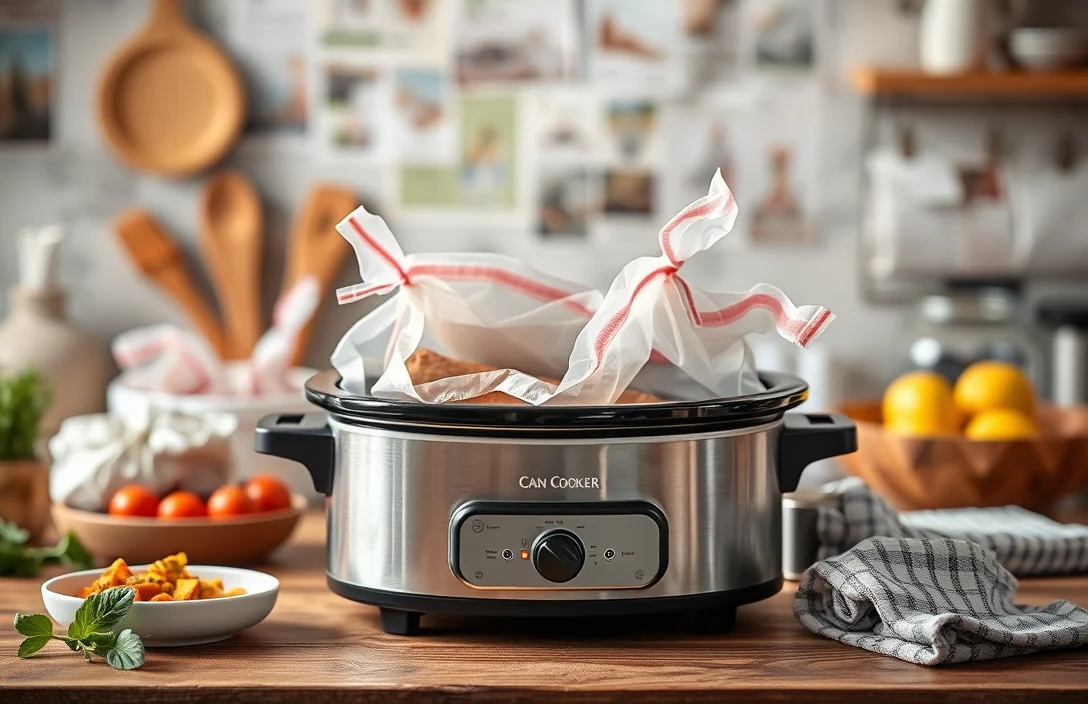
Using Oven Bags in a Slow Cooker: Safety and Effectiveness Explained
Research shows that oven bags can withstand temperatures up to 400°F, making them a potential option for slow cookers. Many cooks wonder if these bags can simplify meal preparation and cleanup while still delivering delicious results. The answer might surprise you.
Yes, oven bags can be used in a slow cooker. They help retain moisture and prevent mess. Ensure the bag is compatible with the slow cooker’s heat settings for optimal results.
What to Know About can oven bags be used in a slo
Oven bags are specialized cooking bags made from heat-resistant materials, designed for roasting meats and vegetables. These bags trap moisture and flavors, creating a steaming effect that enhances taste and tenderness. Commonly used in conventional ovens, they simplify cleanup and reduce cooking times. Their ability to withstand high temperatures makes them a popular choice for various cooking methods.
Typically, oven bags measure around 16 x 18 inches and come with ties or closures to seal in ingredients. They can accommodate a variety of foods, including whole chickens, turkeys, and casseroles. Using them can help maintain juiciness and flavor, particularly for lean cuts of meat. Many cooks appreciate the convenience they offer, especially during busy meal preparations.
While primarily designed for oven use, some cooks have explored the potential of these bags in slow cookers. This experimentation arises from the desire to achieve similar moisture retention and flavor enhancement. However, understanding their compatibility with slow cooking methods requires careful consideration of materials and cooking temperatures.
Safety Considerations
Using oven bags in a slow cooker can pose safety risks. Ensure that the bags are designed for slow cooker use. Many oven bags are suitable for conventional ovens but may not withstand the lower temperatures and moisture levels found in a slow cooker.
Check the manufacturer’s guidelines for both the oven bags and your slow cooker. Some brands explicitly state whether their products are safe for slow cooking. Ignoring this information can lead to melting or leakage, potentially ruining your meal and creating a mess.
Monitor the cooking time closely. Slow cookers typically require longer cooking durations, which might exceed the recommended time for oven bags. Overcooking can compromise the integrity of the bag, leading to safety hazards.
Always use oven bags with proper ventilation. Venting allows steam to escape, reducing the risk of bursting. Failure to vent properly can create pressure build-up, resulting in dangerous situations.
Maintain cleanliness and hygiene. Ensure that the slow cooker and bags are clean before use to prevent contamination. Utilizing a dirty slow cooker can introduce harmful bacteria, negating the benefits of using oven bags.
Heat Tolerance of Oven Bags
Oven bags typically withstand temperatures up to 400°F (204°C) effectively. This makes them suitable for various cooking methods, including roasting and baking. However, in a slow cooker, temperatures can reach similar levels, but the environment is different due to moisture. Understanding how these bags function under heat is essential for safe usage.
Manufacturers design oven bags with specific materials that resist heat, ensuring food cooks evenly while locking in moisture. While they perform well in standard ovens, using them in a slow cooker introduces unique challenges. The steam generated can create additional pressure, which might lead to the bags bursting if not monitored carefully.
Best practices include ensuring that the bag is not touching the sides of the slow cooker, as direct contact with the heating elements can cause compromising temperatures. Moreover, always check for any manufacturer’s guidelines regarding heat tolerance and safety specific to the brand you are using.
Experts recommend limiting cooking times to prevent excessive heat buildup within the bag. Assessing the food’s doneness is crucial, as the cooking method differs from traditional oven baking. Monitoring both the temperature of the food and the integrity of the bag can enhance safety and effectiveness in your cooking process.
Cooking Time Adjustments
Cooking times can vary significantly when using oven bags in a slow cooker. Typically, oven bags create a sealed environment that speeds up cooking, which may lead to shorter cooking times than traditional methods. Adjusting your recipes accordingly ensures optimal results and prevents overcooking.
- Reduce cooking time by 25%. Start by cutting the recommended cooking time by roughly a quarter when using an oven bag.
- Check doneness earlier. Monitor your dish about 30 minutes before the original time to ensure it doesn’t overcook.
- Consider the recipe type. Recipes with more liquid may require less adjustment, while those with less moisture could cook faster.
- Adjust temperature settings if necessary. If your slow cooker has different heat settings, using a lower setting may help maintain even cooking.
- Use a meat thermometer. For meat dishes, always check the internal temperature to ensure safety and desired doneness.
Moisture Retention Benefits
Oven bags enhance moisture retention effectively. By sealing food inside, they create a steam-filled environment that locks in natural juices. This prevents drying out during slow cooking, resulting in tender and flavorful dishes. The bag acts as a barrier, which minimizes evaporation and keeps the food moist throughout the cooking process.
- Seal food tightly inside the bag. Ensure all edges are properly closed to prevent steam from escaping.
- Place the bag in the slow cooker without puncturing it. Avoid sharp objects that could cause leaks.
- Adjust cooking times as needed. Cooking in an oven bag may require less time compared to traditional methods.
- Monitor moisture levels visually. If the bag appears overly inflated, it may need a small puncture for steam release.
- Remove the bag carefully after cooking. Allow it to cool slightly before opening to prevent burns from escaping steam.
Combining oven bags with slow cookers produces delicious, moist meals. This method not only saves time but also ensures that your dishes maintain their flavor and texture, making it a practical choice for busy cooks.
Cleaning and Disposal Tips
Cleaning used oven bags requires careful handling. After cooking, allow the bags to cool before disposal to prevent burns. Check for any leaks or holes, as these can release contents, making cleanup more difficult. Properly disposing of the bags ensures safety and hygiene in the kitchen.
Remove any food residue from the bags. If there are stubborn bits stuck inside, rinse them with warm water. Avoid using abrasive cleaners that could damage surfaces. A gentle scrub with a soft sponge usually suffices to maintain cleanliness.
Dispose of used oven bags in regular trash. These bags are typically not recyclable due to the materials used in their construction. Always check local waste management guidelines for specific disposal instructions to ensure compliance with regulations.
Consider using reusable alternatives if you frequently cook with moist heat. Silicone or glass containers can eliminate the need for single-use bags, contributing to a greener kitchen while maintaining similar cooking benefits.
Recipe Adaptations for Oven Bags
Adjusting recipes for oven bags in a slow cooker can enhance flavor and retain moisture. Follow these steps to ensure success when using this method. Consider the cooking times and liquid levels to achieve the best results.
- Reduce cooking time significantly. Slow cookers generally require less time when using oven bags, so cut the cooking duration by around 25-30%.
- Limit added liquids. Oven bags trap moisture, so using less liquid than traditional recipes often yields better results. Aim for about half the usual amount.
- Increase seasoning for flavor. Since the bag retains moisture and flavors, intensifying spices and herbs can enhance the dish’s overall taste.
- Monitor temperature settings closely. If using a slow cooker with multiple settings, consider starting on high for the first hour, then switch to low for even cooking.
- Test for doneness periodically. Check the food for doneness earlier than usual to prevent overcooking, especially for meats and vegetables.
Experimenting with these adaptations can lead to delicious outcomes when you want to use oven bags in a slow cooker. Enjoy the convenience and flavor they bring to your meals.
Quick Summary
- Oven bags are generally safe to use in a slow cooker as long as they are heat-resistant and designed for cooking.
- Using an oven bag can help retain moisture and flavor in the food during the cooking process.
- Ensure the bag does not touch the sides of the slow cooker to prevent melting.
- Check the manufacturer’s instructions for both the oven bag and the slow cooker for compatibility.
- Oven bags can make cleanup easier by containing mess and preventing food from sticking.
- Cooking times may vary when using an oven bag, so adjust recipes accordingly.
- Always monitor the slow cooker while in use to ensure safe cooking conditions.
Frequently Asked Questions
Can oven bags be used in a slow cooker?
Yes, oven bags can be used in a slow cooker. They help to keep moisture in, making them great for slow cooking meats and vegetables.
What types of oven bags are safe for slow cookers?
Most standard oven bags are safe to use in slow cookers as they are made from heat-resistant materials. However, always check the manufacturer’s instructions to ensure compatibility with slow cooking.
Do I need to adjust cooking times when using oven bags?
Generally, you do not need to adjust cooking times significantly when using oven bags in a slow cooker. However, keep an eye on the food to ensure it cooks thoroughly, as the moisture retention may slightly alter cooking times.
Can I use oven bags for all types of dishes in a slow cooker?
Oven bags work well for stews, roasts, and casseroles, but they may not be suitable for dishes that require browning or crisping. If you need a crispy texture, consider using a different cooking method.
Are there any downsides to using oven bags in a slow cooker?
One downside is that using an oven bag may limit the browning and caramelization of food, which can enhance flavor. Additionally, ensure that the bag is securely closed to prevent leaks and spills during cooking.

- 8 Easy Slow Cooker Beef and Rice Recipes for Delicious Meals - March 29, 2026
- Slow Cooker Beef and Sausage Chili: 7 Steps to Flavorful Success - March 29, 2026
- Savory Beef Back Ribs in a Pressure Cooker: 7 Steps to Perfection - March 29, 2026