Cooking Frozen Meat in a Pressure Cooker: Safety and Effectiveness …
Studies show that cooking frozen meat in a pressure cooker can reduce preparation time by up to 70%. Quick results don’t compromise safety or flavor, making this method appealing for busy cooks seeking efficiency without sacrificing quality. Discover how to achieve perfectly cooked meals straight from the freezer.
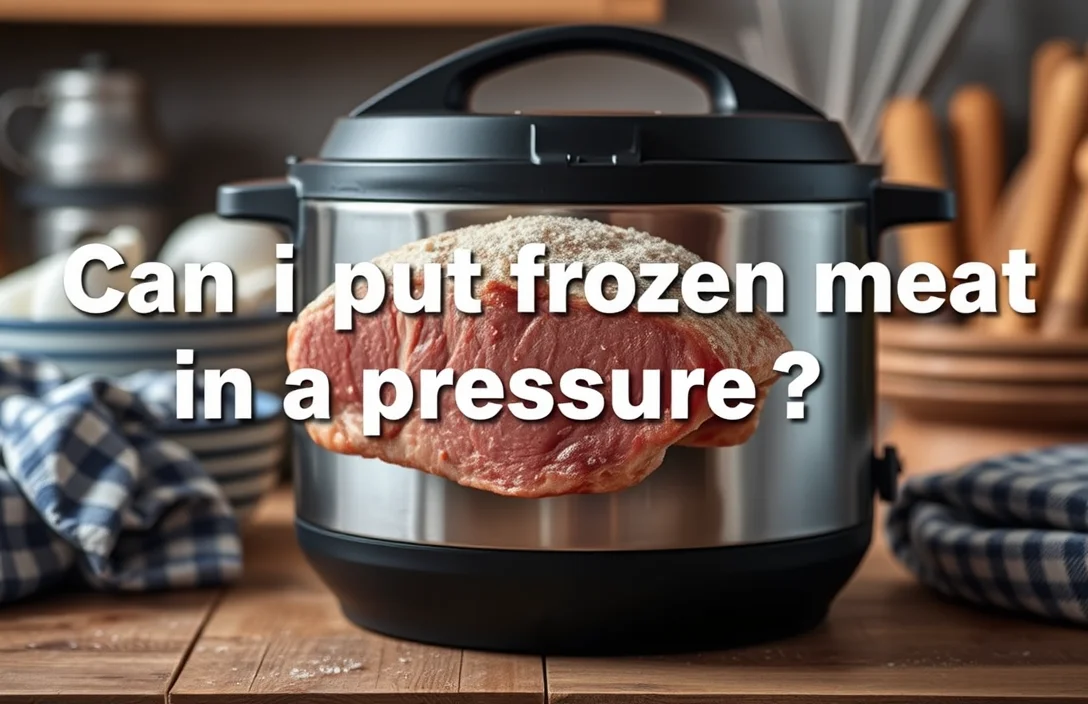
Yes, you can put frozen meat in a pressure cooker. Ensure the meat is cut into smaller pieces for even cooking. Increase the cooking time by approximately 50% compared to fresh meat. Always check the internal temperature for safety before serving.
Safety of Cooking Frozen Meat
Cooking frozen meat in a pressure cooker can be safe, provided certain precautions are taken. Ensure the meat is cut into smaller portions to facilitate even cooking. Whole cuts may not reach the required internal temperature quickly, increasing the risk of bacterial growth. Always use a meat thermometer to check temperatures after cooking.
Meat safety guidelines emphasize reaching a minimum internal temperature to eliminate harmful bacteria. For poultry, this temperature is typically 165°F (75°C), while beef, pork, and lamb should reach at least 145°F (63°C). Using a pressure cooker can help achieve these temperatures more efficiently, but the initial cooking time may be longer for frozen meat.
Monitoring cooking times is crucial for food safety. While pressure cookers significantly reduce cooking time, frozen meat requires additional time compared to thawed meat. Calculating appropriate cooking times ensures that meat is safe to eat, avoiding undercooked portions. Always follow manufacturer guidelines for best results.
Ensuring proper sealing is vital during the cooking process. Check that the pressure cooker lid is properly secured to maintain optimal pressure, which aids in cooking frozen meat thoroughly. A secure lid prevents steam from escaping, contributing to a safe cooking environment.
Thawing frozen meat before cooking is often recommended for better texture and flavor. While pressure cooking directly from frozen is feasible, consider the quality of the finished dish. Thawing allows for more even cooking and can enhance the overall taste.
Pressure Cooker Time Adjustments
Cooking times differ significantly with frozen meat. Pressure cookers require additional time compared to fresh or thawed meat. The general rule is to increase the cooking time by about 50%. For example, if a recipe calls for 10 minutes for fresh meat, plan for about 15 minutes for frozen meat.
- Begin by checking the specific type of meat. Different meats have varying recommended cooking times, even when frozen.
- Calculate the adjusted time based on the original recipe. Add approximately 5 to 10 minutes depending on the thickness and type of meat.
- Ensure to account for the time it takes for the cooker to come to pressure. Frozen items may require extra time to reach the desired pressure level.
- Monitor the meat’s internal temperature after cooking. Use a meat thermometer to confirm it has reached a safe temperature.
- Experiment with different cuts. Some frozen meats may require more or less time, so adjust as needed based on your results.
Types of Meat Suitable for Pressure Cooking
Frozen meats that work well include beef, pork, chicken, and lamb. These types maintain their flavor and texture during the pressure cooking process. Cooking them from frozen reduces meal prep time significantly while ensuring safety and tenderness. Always ensure that the meat is properly sealed to avoid freezer burn.
Beef cuts like chuck roasts and briskets respond well to pressure cooking. They become tender and flavorful due to the high pressure and moisture retention. Ground beef also cooks effectively from frozen, making it easy to prepare dishes like chili or spaghetti sauce quickly.
Pork should be cooked from frozen in larger cuts, such as pork shoulder or ribs. These cuts benefit from the pressure cooker’s ability to break down connective tissues, resulting in juicy and tender meat. Avoid cooking thin pork chops from frozen, as they may overcook.
Chicken, especially whole or bone-in pieces, excels in a pressure cooker. The moisture created during cooking prevents dryness and enhances flavor. Boneless, skinless chicken breasts can also be cooked directly from frozen but may require careful attention to avoid overcooking.
Lamb shanks and roasts are excellent options for pressure cooking. These cuts are typically tougher and benefit from the tenderizing effects of high pressure. Cooking lamb from frozen can yield delicious results, making it a great choice for hearty meals.
Flavor and Texture Considerations
Frozen meat influences flavor and texture during pressure cooking. Commonly, ice crystals form within the meat, affecting moisture retention. When pressure cooking, moisture releases from the meat, enhancing flavors. This method also tenderizes tougher cuts, making them more palatable.
- Moisture enhances taste significantly. Cooking frozen meat allows juices to escape, resulting in a rich flavor profile.
- Tenderness improves with time. Pressure cooking breaks down connective tissues, yielding softer meat than conventional methods.
- Seasoning timing impacts flavor. Adding spices early in the cooking process allows flavors to meld, while late additions keep them vibrant and fresh.
- Texture variations exist. Cooking from frozen may result in uneven doneness, especially with larger cuts, so consider cutting meat into smaller pieces for more consistent results.
- Resting time matters. Allowing meat to rest post-cooking redistributes moisture, enhancing both flavor and texture, ensuring a satisfying meal.
Post-Cooking Safety Tips
Handling cooked meat safely ensures health and quality. After removing frozen meat from the pressure cooker, let it sit for a few minutes before cutting into it. This allows juices to redistribute, enhancing flavor and texture. Moreover, always check internal temperatures to confirm doneness, especially for poultry and pork.
Proper storage extends the life of your meal. Store leftover cooked meat in airtight containers within two hours of cooking. Refrigerate promptly to prevent bacterial growth. Consume leftovers within three to four days, or freeze for longer preservation.
- Check internal temperature with a meat thermometer to ensure safety.
- Use clean utensils to avoid cross-contamination with raw foods.
- Wash hands thoroughly after handling cooked meat.
Monitoring for spoilage is crucial. Look for any off smells, discoloration, or unusual textures before consuming leftovers. Discard any meat that appears questionable.
Following these safety tips helps you enjoy delicious meals while minimizing health risks. Always prioritize safe handling practices after cooking to maintain food quality and safety.
Quick Summary
- Yes, you can cook frozen meat in a pressure cooker.
- Cooking time will be longer than if the meat were thawed.
- Ensure the meat is in a single layer to allow even cooking.
- Use sufficient liquid in the pressure cooker to generate steam.
- Check the internal temperature of the meat to ensure it is properly cooked.
- Some types of meat may benefit from browning before pressure cooking for added flavor.
- Always consult the manufacturer’s guidelines for specific instructions on cooking frozen meat.
Frequently Asked Questions
Can I put frozen meat directly into a pressure cooker?
Yes, you can put frozen meat directly into a pressure cooker. However, it is important to increase the cooking time to ensure that the meat is fully cooked and safe to eat.
How much longer should I cook frozen meat in a pressure cooker?
Generally, you should add about 50% more cooking time when using frozen meat. For example, if a recipe calls for 20 minutes for thawed meat, you should cook frozen meat for approximately 30 minutes.
Do I need to add extra liquid when cooking frozen meat?
Yes, you should still add the same amount of liquid as you would for thawed meat. The liquid is essential for generating steam and building pressure in the cooker.
Is there a difference in texture when cooking frozen meat in a pressure cooker?
Cooking frozen meat in a pressure cooker can result in a slightly different texture compared to thawed meat. It may be slightly less tender, so it’s best to choose cuts that are more forgiving, like beef stew meat or chicken thighs.
Are there any safety concerns when cooking frozen meat in a pressure cooker?
As long as you follow proper cooking times and ensure the meat reaches a safe internal temperature, there are no significant safety concerns. Always use a food thermometer to check that the meat has reached at least 165°F (74°C) for poultry and 145°F (63°C) for other meats.

- 8 Easy Slow Cooker Beef and Rice Recipes for Delicious Meals - March 29, 2026
- Slow Cooker Beef and Sausage Chili: 7 Steps to Flavorful Success - March 29, 2026
- Savory Beef Back Ribs in a Pressure Cooker: 7 Steps to Perfection - March 29, 2026