How to Cook Couscous in a Rice Cooker: Tips and Techniques
Surprisingly, couscous cooks perfectly in a rice cooker, requiring minimal effort. This method not only saves time but also ensures consistent results. Many home cooks are unaware of this convenient technique, making it an ideal addition to your culinary repertoire.
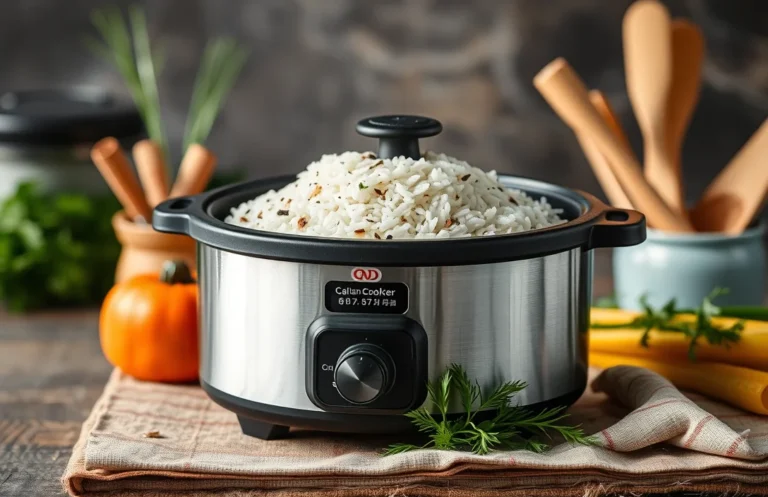
Yes, you can make couscous in a rice cooker. Use the same water-to-couscous ratio as stovetop methods. Set the cooker to the steam function for best results. Let it sit for a few minutes after cooking to fluff up properly.
What to Know About can i make couscous in a rice
Couscous is typically categorized into three main types: Moroccan, Israeli, and Lebanese. Moroccan couscous is the smallest and cooks quickly, making it ideal for a rice cooker. Israeli couscous, also known as pearl couscous, is larger and chewier. Lebanese couscous, the largest variety, takes longer to cook and may require adjustments in cooking time in a rice cooker.
Moroccan couscous is often preferred for its versatility and ease of preparation. It absorbs flavors well, making it a great base for various dishes. Israeli couscous, with its unique texture, adds a delightful element to salads and side dishes. Lebanese couscous, while less common, can create a hearty meal when combined with vegetables or proteins.
Selecting the right type affects the cooking process. Smaller couscous varieties will generally require less water and cooking time compared to larger ones. Knowing the specific characteristics helps in achieving the desired texture and flavor, ensuring successful results when using a rice cooker.
Using Rice Cooker for Couscous
Adjusting rice cooker settings is crucial for cooking couscous effectively. Most rice cookers have specific options for different grains, which can significantly impact the texture and consistency of the final product. Familiarize yourself with the settings available on your model to optimize the cooking process.
- Set the cooker to the “steam” function if available. This setting typically delivers the gentle heat required for steaming, which is ideal for couscous.
- Choose the “white rice” setting if a steam option isn’t present. This setting often provides a similar cooking environment that works well for couscous.
- Monitor the cooking duration. Generally, couscous cooks faster than rice, so check for doneness after about 5-10 minutes, depending on your specific model.
- Turn off the cooker once the couscous is fluffy. Allow it to sit for a few minutes with the lid closed to let the steam finish cooking the grains.
- Use the “keep warm” feature if your cooker has one. This helps maintain the ideal serving temperature without overcooking.
Experimenting with various settings can yield the best results. Mastering your rice cooker’s features will ensure that you can prepare couscous perfectly every time.
Water Ratio for Perfect Couscous
Optimal water-to-couscous ratio is crucial. For most types, a standard measurement is 1 cup of couscous to 1.5 cups of water. This will ensure the grains are adequately hydrated without becoming mushy. Adjusting the ratio slightly can accommodate personal texture preferences.
Many cooks find that a 1:1.25 ratio works well for a firmer texture. Using this method, measure 1 cup of couscous and 1.25 cups of water. This approach allows the couscous to retain a bit of bite, making it an excellent addition to salads or as a side dish.
Testing different ratios can enhance your dish. If you prefer softer couscous, increase the water to 1.75 cups per cup of couscous. Experimenting with these variations helps find the perfect consistency for your palate.
Carefully consider the type of couscous used. Instant couscous requires less water compared to traditional varieties. Checking package instructions can provide additional insights to achieve the desired results efficiently.
Timing for Cooking Couscous
Perfectly timed cooking ensures fluffy couscous. Generally, using a rice cooker, couscous takes about 10 to 15 minutes to cook. Set your rice cooker to the steam setting, allowing the steam to gently hydrate the grains without overcooking them. Monitor closely to achieve the desired texture.
Observing the couscous while cooking helps prevent sogginess. As soon as the grains absorb the steam, they expand and become tender. Checking after the 10-minute mark allows you to gauge whether they require more time. Adjust accordingly to avoid undercooked or mushy results.
Using a timer can enhance precision. Setting a timer for 10 minutes offers a clear reference point. If you know your rice cooker tends to cook quickly, adjust the timing to ensure optimal results. Each model may vary slightly, so familiarity with your appliance aids in attaining perfect couscous.
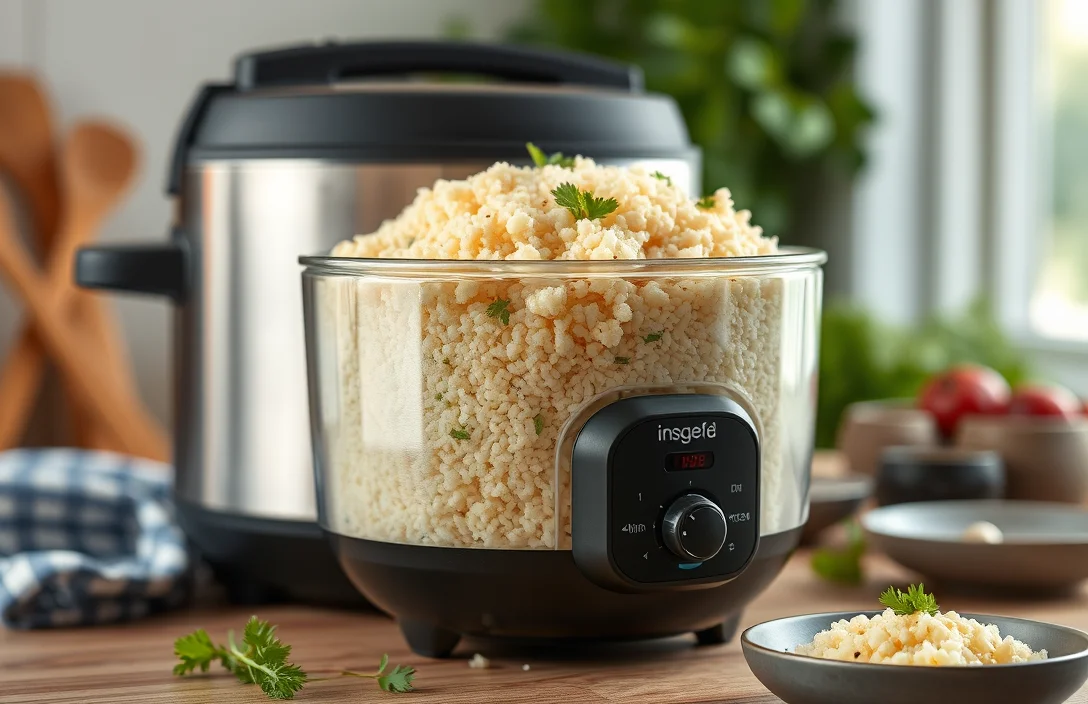
Fluffing with a fork after cooking improves texture. Once the timer goes off, let the couscous sit for a couple of minutes before gently fluffing with a fork. This simple step ensures that the grains are separate and light, contributing to a better overall dish.
Troubleshooting Couscous Issues
Common couscous problems can arise during cooking, but solutions exist to rectify them. If you notice soggy or clumpy couscous, adjusting water ratios is crucial. Experimenting with a 1:1 ratio of couscous to water usually yields the best results. If clumping persists, fluff with a fork after cooking.
- Check water measurements regularly. Ensure you’re using the correct water-to-couscous ratio. Too much water leads to mushiness, while too little results in undercooked grains.
- Fluff couscous immediately after cooking. Using a fork, gently separate grains to prevent sticking and improve texture. Avoid using a spoon, as it may compress the grains.
- Monitor cooking time carefully. Overcooking can lead to a gummy texture. Set a timer and keep an eye on the rice cooker to manage the cooking duration effectively.
- Consider adding oil or butter. A small amount of fat can enhance flavor and prevent sticking. Stir it into the couscous after cooking for best results.
- Test different brands of couscous. Variations in quality can affect cooking performance. Some brands may require unique water ratios or cooking times.
Serving Suggestions for Couscous
Serve couscous as a base. Pair it with grilled vegetables, roasted meats, or fish to create a balanced meal. The fluffy texture of couscous complements a variety of flavors, making it an excellent choice for various cuisines. Combining it with spices, herbs, or sauces can enhance its taste, ensuring a delightful dining experience.
Top couscous with sauces. Consider drizzling tahini, yogurt, or a spicy harissa sauce over the dish to add moisture and flavor. For a Mediterranean flair, use olive oil and lemon juice. These toppings can transform plain couscous into a vibrant, appealing dish that excites the palate.
Incorporate nuts and fruits. Adding toasted almonds, pine nuts, or dried fruits like apricots or raisins contributes texture and sweetness. This combination not only enhances the dish visually but also creates a balance of flavors that can elevate your meal.
Mix in fresh herbs. Chopped parsley, cilantro, or mint brightens the flavor profile of couscous. Using fresh herbs provides a burst of color and freshness, making it more appealing while also adding nutritional benefits.
Offer couscous in salads. Combine cooked couscous with fresh vegetables, beans, or chickpeas for a hearty salad. Tossing in a vinaigrette can create a light, refreshing dish. This approach works well as a side or a main course during warmer months.
Quick Summary
- Couscous can be easily cooked in a rice cooker, making it a convenient option for quick meals.
- Use a 1:1 ratio of couscous to water or broth for optimal texture.
- Most rice cookers have a ‘steam’ or ‘cook’ setting that is suitable for couscous preparation.
- Adding seasonings or vegetables to the cooking water can enhance flavor.
- Let the couscous sit for a few minutes after cooking to fluff it up.
- Rice cookers can also be used to prepare other grains and side dishes.
- Always consult your rice cooker’s manual for specific instructions and settings.
Frequently Asked Questions
Can I make couscous in a rice cooker?
Yes, you can make couscous in a rice cooker. It simplifies the process and ensures even cooking without the need for constant monitoring.
What type of couscous should I use in a rice cooker?
You can use both Moroccan and Israeli (or pearl) couscous in a rice cooker. Just keep in mind that the cooking times may vary slightly between the two types.
How much water should I add for cooking couscous in a rice cooker?
The general ratio is 1 cup of couscous to 1.5 cups of water. Adjust the amount of water based on your desired texture, adding a bit more for fluffier couscous.
Do I need to pre-soak couscous before cooking it in a rice cooker?
No, you do not need to pre-soak couscous. Just add the dry couscous and water directly to the rice cooker, and it will absorb the water as it cooks.
How long does it take to cook couscous in a rice cooker?
Couscous typically cooks in about 10 to 15 minutes in a rice cooker. Once the water is absorbed, let it sit for a few minutes to allow it to steam and become fluffy.

- 8 Easy Slow Cooker Beef and Rice Recipes for Delicious Meals - March 29, 2026
- Slow Cooker Beef and Sausage Chili: 7 Steps to Flavorful Success - March 29, 2026
- Savory Beef Back Ribs in a Pressure Cooker: 7 Steps to Perfection - March 29, 2026